
A Luoi & Hamburger Hill: The Mountain District of History

There are places in Vietnam that are known for their imperial grandeur. And then there are places known for their wild beauty and their haunting memories. A Luoi District, located approximately 70 kilometers west of Hue in the Truong Son mountain range, belongs firmly to the second category. Known as the “miniature Da Lat” or the “Northwest of Hue,” this highland district is a land of pine forests, cascading waterfalls, and the vibrant cultures of the Pa Co, Ta Oi, and Co Tu ethnic minorities.
But A Luoi is also a place of memory. Here, on a 900-meter hill known as A Bia — or, as the Western press called it, Hamburger Hill — one of the most brutal battles of the Vietnam War was fought in May 1969. After eleven days of vicious fighting, 72 American soldiers and over 600 North Vietnamese soldiers lay dead. Today, the hill is peaceful, covered in new forest growth, but the trenches and bunkers remain as silent witnesses to a turbulent past. For travelers seeking to understand Vietnam’s modern history and to experience authentic mountain culture far from the tourist crowds, A Luoi and Hamburger Hill offer a journey unlike any other.
| Location | A Luoi District, Thua Thien Hue Province, Vietnam — approximately 70 kilometers west of Hue city, bordering Laos and the Truong Son mountain range. |
|---|---|
| Distance from City Center | Approximately 70 kilometers west of Hue. Travel time by car or taxi is 1.5 to 2 hours (via National Highway 49). The road includes winding mountain passes such as A Co Pass, Mo Qua Pass, and Suoi Mau Pass. |
| Opening Hours | The district is accessible 24 hours a day. Hamburger Hill (A Bia Hill) requires a special permit and a local guide. Community tourism villages are open during daylight hours. |
| Entrance Fee | Free admission to the district. Hamburger Hill permit: approximately 600,000 VND ($25 USD), obtained in A Luoi town. Homestays: 200,000 to 400,000 VND per night ($8 to $16 USD). |
| Best Time to Visit | Dry season from March to August offers clear skies, cool temperatures, and excellent conditions for hiking and exploring. The early morning mist (6:00 AM to 8:00 AM) creates magical mountain scenery. |
| Recommended Visit Duration | 1 to 2 days. A day trip from Hue is possible but rushed; an overnight stay allows time for Hamburger Hill, A Nor Waterfall, community tourism villages, and cultural experiences. |
| Best Time of Year | Dry season (March to August) offers pleasant temperatures (daytime 20-25°C, nights cooler). The rainy season (September to February) brings lush greenery and waterfalls at their fullest, though roads may be slippery. |
| Nearby Attractions | A Nor Waterfall and Community Tourism Village, Par Le Stream, A Roang Eco-Tourism Area, Sao La Nature Reserve, Traditional Cultural Village of Ethnic Minorities, Tien Cong Cave. |
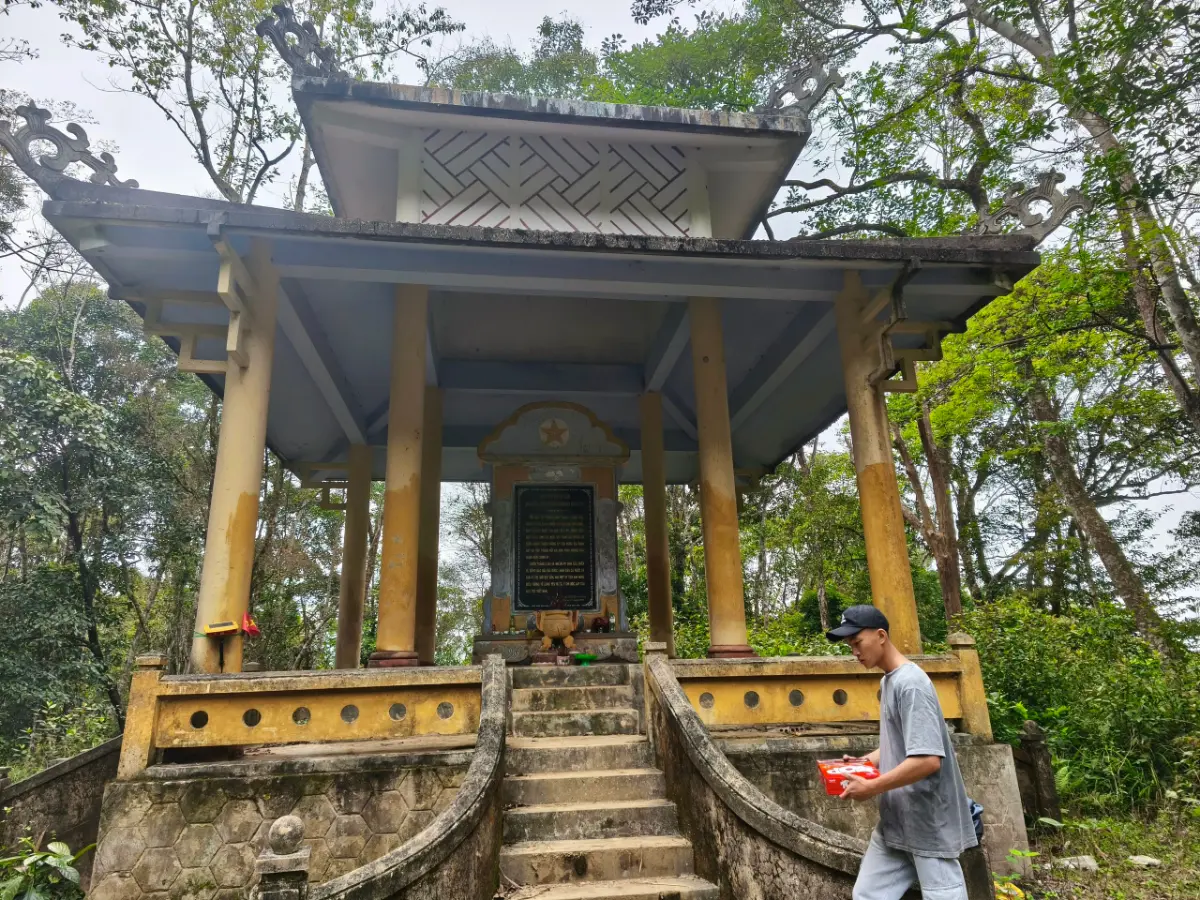
Hamburger Hill, known in Vietnamese as A Bia Hill, is a 900-meter mountain located in Dong Bac Commune, A Luoi District, approximately 5 kilometers from A Luoi town and 75 kilometers from Hue city. In May 1969, this hill became the site of one of the most intense and controversial battles of the Vietnam War. The battle, officially known as Operation Apache Snow, pitted the US Army’s 101st Airborne Division against the North Vietnamese Army (NVA). For eleven days, American and South Vietnamese forces fought to capture the heavily fortified hill, which was held by an estimated 1,500 NVA soldiers. The fighting was brutal — hand-to-hand combat, artillery bombardments, and repeated assaults up the steep slopes. By the time the hill was finally taken, 72 Americans and over 600 North Vietnamese had been killed. Western journalists dubbed it “Hamburger Hill” to describe the way soldiers were “ground up” in the battle.
Today, Hamburger Hill is a place of quiet reflection. A small visitor center at the base of the hill offers information and maps. A 6-kilometer trail leads up the mountain, passing remnants of bunkers, trenches, and foxholes. The climb is steep but rewarding, and at the summit, the views of the surrounding Truong Son mountains are breathtaking. A memorial stone commemorates the soldiers who fell on both sides. A special permit (600,000 VND, approximately $25 USD) is required to visit the hill, obtainable only in A Luoi town, and visitors must be accompanied by a local guide. Security is tight — the area is near the Laos border, and permits may be inspected by border guards.
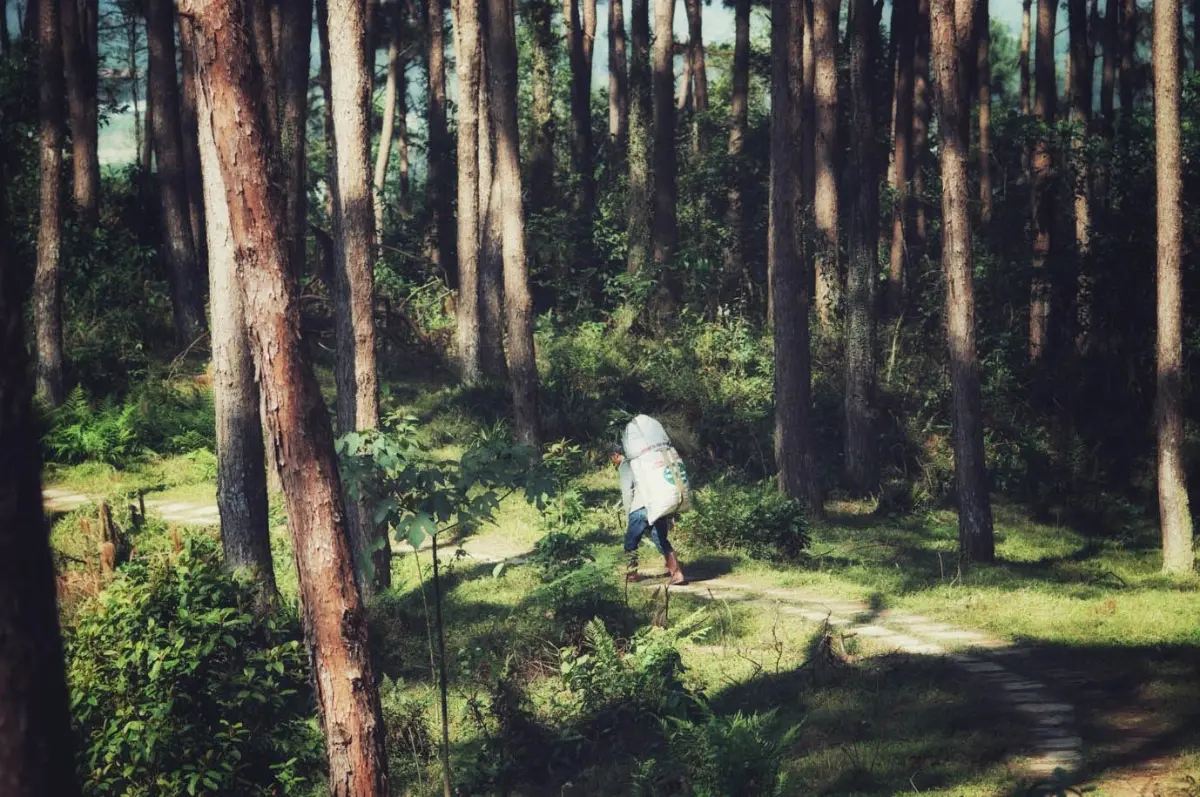
A Luoi is often called the “miniature Da Lat” or the “Northwest of Hue” because of its cool climate and pine-covered hills. The district sits at an average altitude of 600 to 800 meters above sea level, with peaks reaching over 1,100 meters. The air is fresh and clean, and the temperature is noticeably cooler than in Hue — during the day, it is comfortably warm, and at night, it can be quite chilly, perfect for a restful sleep.
The road from Hue to A Luoi (National Highway 49) is an adventure in itself. It winds through passes with names like A Co Pass, Mo Qua Pass, and Suoi Mau Pass — roads with hairpin turns, steep cliffs on one side and deep ravines on the other. But the views are spectacular: pine forests hidden in the clouds, emerald valleys, and streams that sparkle in the sunlight. Stopping at Mo Qua Bridge to admire the clear stream below is a favorite photo stop. The road is not for the faint of heart, but for those who love scenic drives, it is unforgettable.
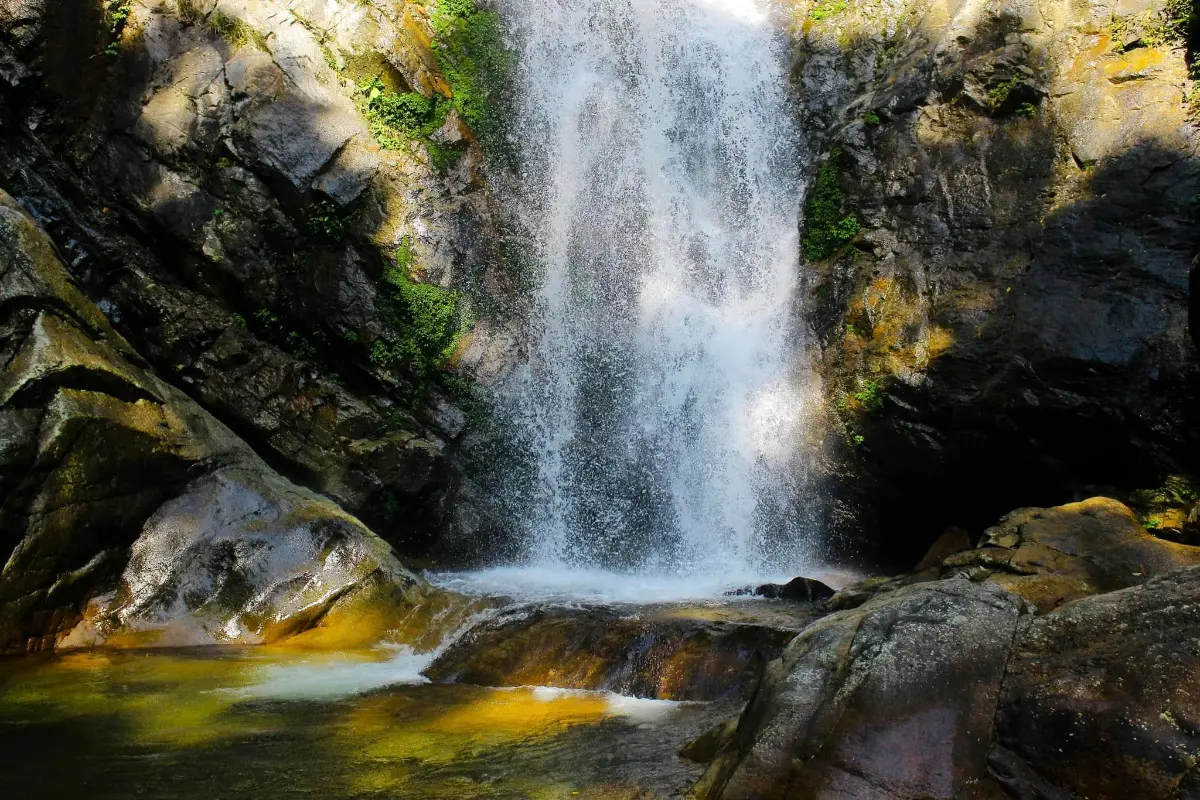
A Nor Waterfall, located in Hong Kim Commune, is the highlight of the A Nor community-based tourism village. The waterfall cascades down a series of rock terraces into clear, cool pools that are perfect for swimming. Unlike the crowded beaches of the coast, here you will likely have the waterfall almost to yourself. Visitors can bathe in the natural pools, wash their hair with forest herbs (a traditional Pa Co practice), and enjoy a picnic lunch by the water.
The surrounding community tourism village is a model of sustainable, community-based tourism. Local families offer homestays in traditional stilt houses, where guests sleep on bamboo mats, eat meals prepared with ingredients from the garden, and learn about Pa Co culture. Activities include pounding rice, making traditional “A quat” cakes, weaving brocade, and dancing around the campfire. The village also offers wellness services — traditional massage, acupressure, and herbal foot soaks using forest herbs — a perfect way to unwind after a day of hiking. The village has several homestays, with a maximum capacity of approximately 1,000 guests per day.
Photography Tip: The best time to photograph A Nor Waterfall is mid-morning (9:00 AM to 11:00 AM) when the light filters through the trees and creates soft reflections on the water. For landscape shots of the mountains, early morning (6:00 AM to 8:00 AM) offers misty, atmospheric conditions. Use a polarizing filter to reduce glare on the water and enhance the green of the forest.
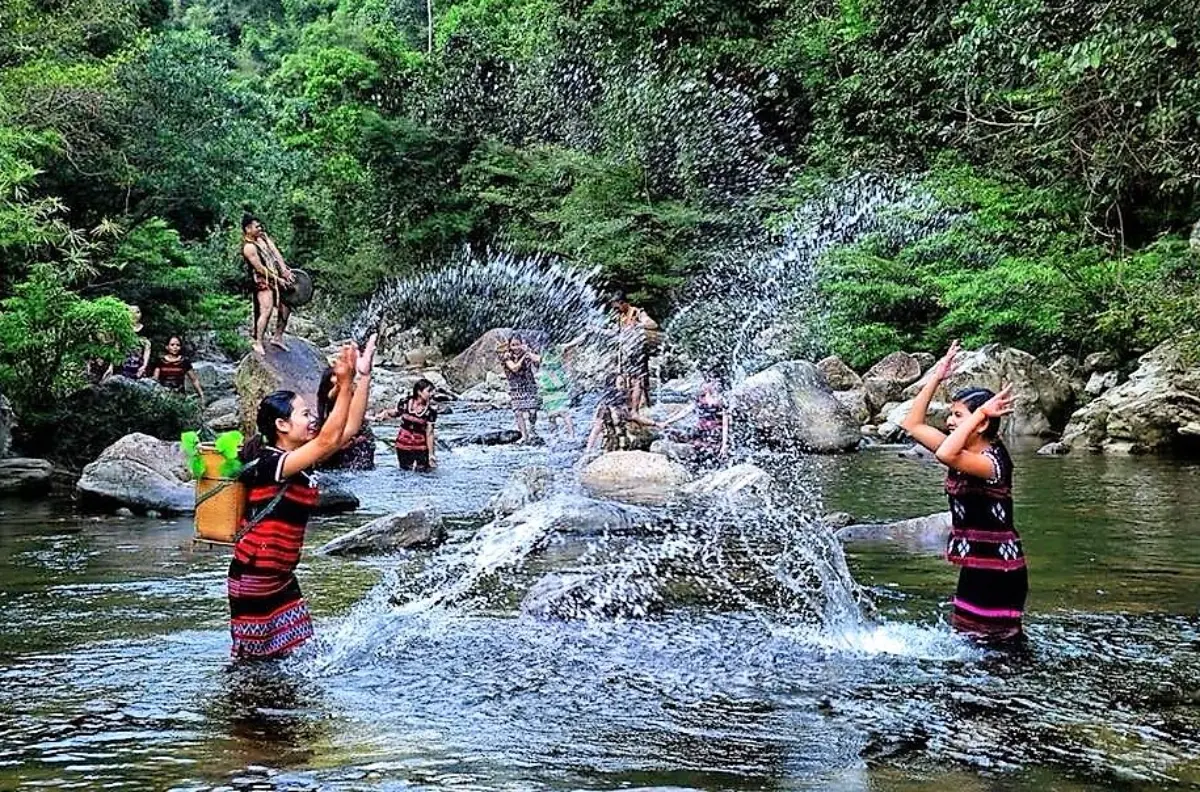
Par Le Stream (Hong Ha Commune) is another beautiful swimming spot, known for its crystal-clear water that remains unpolluted all year round. The stream is surrounded by large boulders and shaded by forest trees, creating natural pools that are perfect for cooling off. It is less visited than A Nor, offering even greater solitude.
A Lin Stream is celebrated as one of Hue’s most stunning and untouched streams. Unspoiled by tourism, it retains its raw, natural charm, offering visitors a rare chance to connect with pristine nature. The stream is a favorite among adventure seekers and nature enthusiasts.

South of A Luoi town, along the Ho Chi Minh Road, lies the A Roang Eco-Tourism Area. This area is home to the Ta Oi ethnic minority, who welcome visitors with celebratory dances accompanied by the sounds of flutes and gongs. A village elder will guide you through the village, explaining traditional farming, weaving, and brocade techniques. Visitors can bathe in the A Roang mineral spring, which is said to have therapeutic properties, and in the evening, gather around a campfire to enjoy traditional dishes such as wild vegetables, stream fish, and fragrant rice wine. The Ta Oi people are famous for their “zeng” weaving, a traditional brocade technique that produces intricate, colorful patterns.

A Luoi District is home to a rich diversity of ethnic minority groups. The Pa Co, Ta Oi, and Co Tu peoples make up the majority of the district’s 54,000 residents, with ethnic minority households accounting for 76.8% of the population. Each group has its own language, customs, traditional dress, and festivals.
The Pa Co are known for their vibrant brocade weaving, their stilt houses, and their festivals such as the Arieu Car and Arieu A Da, which celebrate the harvest and honor ancestors. The Ta Oi are famous for their “zeng” weaving, their gong music, and their traditional longhouses. The Co Tu are known for their wooden statues, their “guol” communal houses, and their festivals such as the An Ninh Festival (Thanksgiving for parents).
In recent years, the district has worked to preserve and promote these cultures through the Traditional Cultural Village of Ethnic Minorities (the “Common House”), a 5-hectare complex in the Sim Forest Conservation Area. The village features traditional houses of the Pa Co, Ta Oi, and Co Tu ethnic groups, a community activity house, and spaces for craft demonstrations. Festivals are recreated throughout the year, offering visitors a chance to experience authentic cultural performances.

For nature lovers, the Sao La Nature Reserve is a must-visit. The reserve protects a vast area of primeval forest that is home to the elusive saola (also known as the “Asian unicorn”), one of the rarest mammals in the world. While sightings are extremely rare, the forest itself is beautiful — filled with the sound of birdsong, giant hardwood trees, bamboo groves, and medicinal plants. Visitors can hike through the forest with a guide, learning about the plants used in traditional medicine and the efforts to protect this unique ecosystem.
Visit Hamburger Hill (A Bia Hill): Obtain a permit in A Luoi town, hire a guide, and hike the 6-kilometer trail to the summit. See the remaining trenches, bunkers, and foxholes. Pay respects at the memorial stone.
Swim at A Nor Waterfall: Bathe in the natural pools, wash your hair with forest herbs, and enjoy a picnic lunch. Stay overnight in a Pa Co homestay.
Explore Par Le and A Lin Streams: Cool off in these untouched, crystal-clear streams surrounded by forest.
Experience A Roang Eco-Tourism: Learn about Ta Oi culture, bathe in the mineral spring, and dance around the campfire.
Visit the Traditional Cultural Village: See the “Common House” and learn about Pa Co, Ta Oi, and Co Tu culture through festivals and craft demonstrations.
Hike in Sao La Nature Reserve: Trek through primeval forest, learn about medicinal plants, and look for signs of rare wildlife.
Drive the Mountain Passes: Enjoy the scenic drive along National Highway 49, stopping at Mo Qua Pass and A Co Pass for photos.
Shop at A Luoi Market: Visit the weekend market to buy local products such as roasted sesame salt, short bananas, A quat cakes, and brocade textiles.
A Luoi District is accessible by car or motorbike from Hue (approximately 1.5 to 2 hours via National Highway 49). The road is winding and mountainous, so drivers should be experienced and cautious. Taxis from Hue to A Luoi cost approximately 800,000 to 1,200,000 VND ($32 to $48 USD) one way. Motorbike rental is a popular option for independent travelers; the ride over the passes is one of the most scenic in central Vietnam. Public buses run from Hue to A Luoi, but schedules are irregular. Many tour operators offer full-day or overnight tours that include Hamburger Hill, A Nor Waterfall, and community tourism villages. These tours cost approximately 800,000 to 1,500,000 VND ($32 to $60 USD) per person including transport, guide, lunch, and permit fees.
First-Timer Tip: If you wish to visit Hamburger Hill, obtain the permit in A Luoi town before proceeding. The permit costs 600,000 VND ($25 USD) and must be accompanied by a local guide. Wear sturdy hiking shoes — the 6-kilometer trail is steep and uneven. Bring water, snacks, and insect repellent. The area is near the Laos border, so carry your passport and permit at all times. For the most comfortable experience, plan an overnight stay in A Nor or A Roang; homestays are simple but welcoming. The best time to visit the waterfalls is during the dry season (March to August), when the water is clear and the paths are safe.

A Luoi is a living community, not a theme park. The ethnic minority people are warm and welcoming, but they are not performers. Visitors should be respectful: ask permission before photographing people, do not enter private homes without invitation, and avoid touching religious or cultural objects. When visiting a homestay, bring a small gift (fruit, tea, or sweets) for your hosts. Dress modestly, especially when visiting villages or attending festivals. Do not litter — carry your trash with you. If you visit during a festival or religious ceremony, maintain a respectful silence and do not obstruct the proceedings. By being a responsible guest, you help ensure that A Luoi remains a welcoming place for generations to come.
Most visitors to Hue focus on the Imperial City, the royal tombs, and the Perfume River. Few venture west to the mountains of A Luoi. Yet for those who do, the journey is unforgettable. Here, you can stand on a hill that once echoed with gunfire and now echoes only with the wind in the pines. You can swim in a waterfall where the water is so clear you can see the fish at your feet. You can sit around a campfire with the Ta Oi people, drinking rice wine and dancing to the sound of gongs. A Luoi is not a place of luxury — it is a place of authenticity. It will not pamper you, but it will move you. And that, perhaps, is the greatest gift a destination can offer.
A Luoi is a land of contrasts — where the tragedy of war and the beauty of nature exist side by side, where the old ways of the forest endure in a rapidly modernizing world. Hamburger Hill is no longer a battlefield; it is a place of memory, where young soldiers from two nations fell and where visitors today can reflect on the cost of conflict. But A Luoi is also a place of hope — in the smiles of Pa Co children, in the songs of Ta Oi elders, in the cool water of a waterfall that has never known war. To visit is to remember, to heal, and to discover that even in the most remote corners of Vietnam, the human spirit endures.


