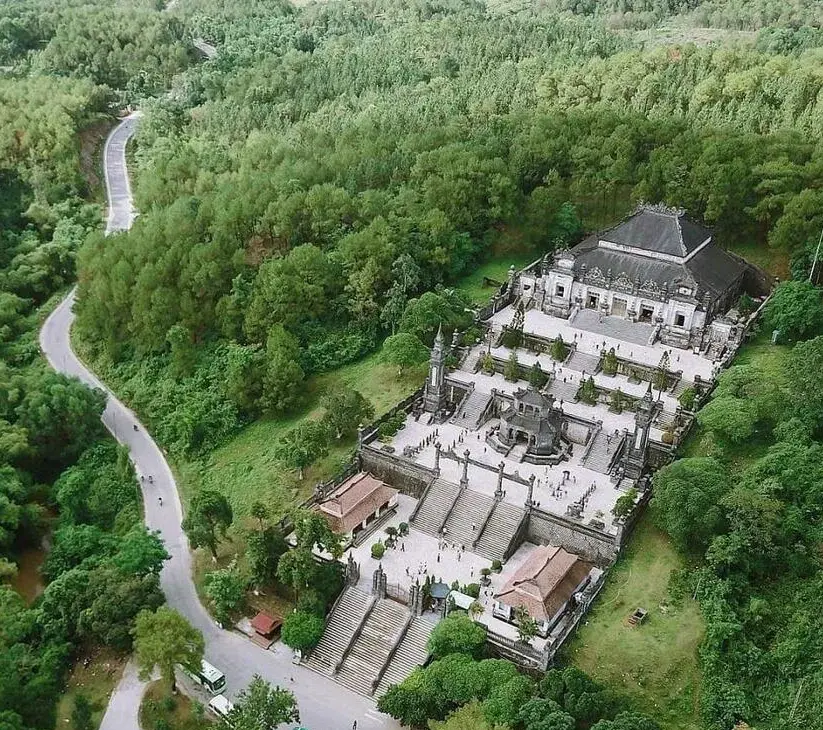
Heritage Hotels
Stay inside history within colonial mansions, converted royal residences, and boutique heritage gems across Indochina’s most beautiful cities.
Explore Hotels →The Soul of Vietnam — A Thousand-Year-Old Capital
Hanoi, Vietnam’s ancient capital, is a city where history and modernity coexist in a beautiful, sometimes chaotic, harmony. It is a place of serene lakes, bustling street-side stalls, and tree-lined boulevards where a thousand years of history whispers from every corner.
A city where a thousand years of history whispers from every corner
Hanoi, Vietnam’s ancient capital, is a city where history and modernity coexist in a beautiful, sometimes chaotic, harmony. It is a place of serene lakes, bustling street-side stalls, and tree-lined boulevards where a thousand years of history whispers from every corner. The city is not just a destination; it is an experience that awakens the senses, a tapestry woven from the threads of French colonial architecture, ancient temples, and a vibrant, indomitable spirit.
For many, Hanoi is the gateway to northern Vietnam’s great adventures — the emerald islets of Ha Long Bay, the terraced hills of Sapa, the karst valleys of Ninh Binh — but it is well worth pausing here before venturing on. Over more than a thousand years, the country’s capital has seen imperial dynasties raising Confucian temples, French colonists carving out tamarind-shaded boulevards and yellow-walled villas, and revolutionaries leaving behind slogans, statues, and scars of self-determination.
This guide is designed for the discerning traveler, providing a comprehensive and detailed look at Hanoi’s must-see attractions, delectable cuisine, and essential travel tips. Prepare to fall in love with the soul of Vietnam.
The historic heart of Hanoi — where ancient streets meet modern life.
Hanoi experiences four distinct seasons, each offering a unique charm
Widely considered the best time to visit. The weather is cool, dry, and sunny, with low humidity. The golden autumn sunlight creates a magical atmosphere, perfect for exploring the city on foot.
The weather is pleasant, with mild temperatures and light rainfall. It is a great time to see the city’s trees and flowers in bloom. This period also coincides with many important festivals.
Summers are hot, humid, and marked by frequent heavy showers. Temperatures can reach over 35°C. Despite the heat, the city is lush and vibrant, and the rain often offers a welcome cool-down.
Winters are cool and dry, with temperatures sometimes dropping below 10°C. It is a peaceful time to visit, especially around Christmas and New Year, when the city is adorned with festive lights.
For the most pleasant weather, plan your visit between September and November. The autumn light in Hanoi is legendary — the golden hour over Hoan Kiem Lake is not to be missed.
The landmarks that define Hanoi’s character
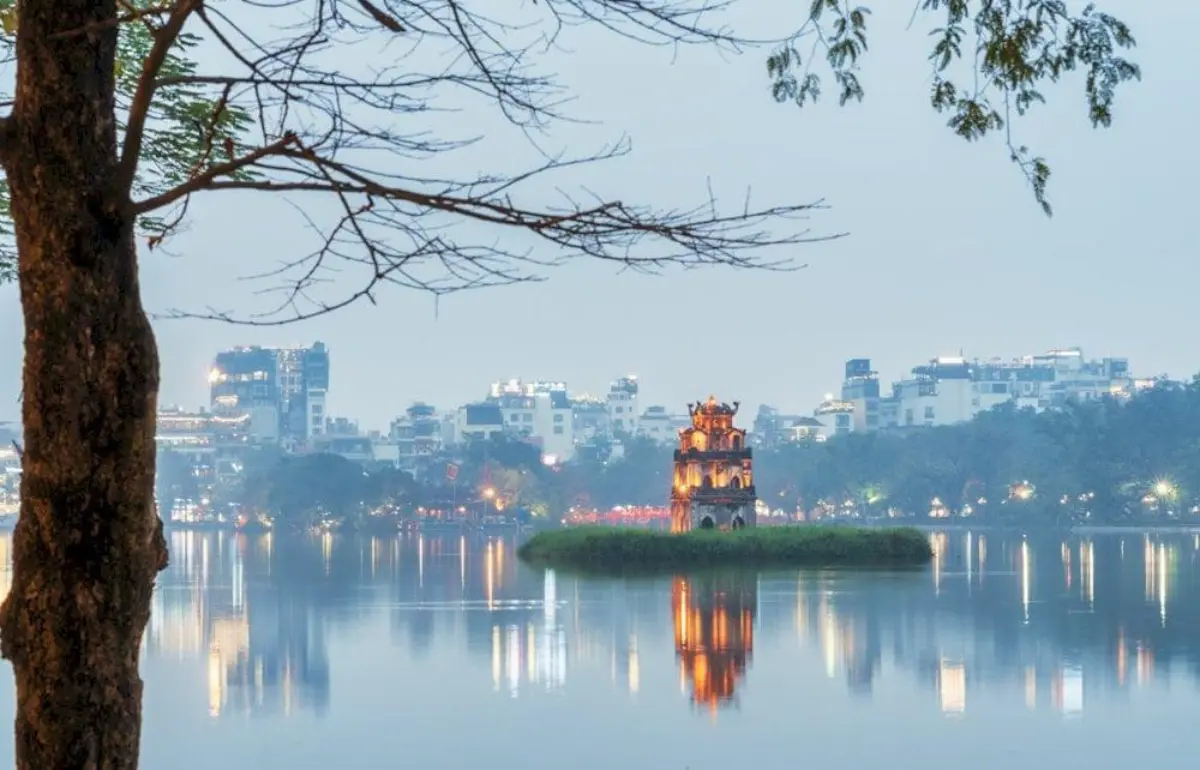
The heart and soul of Hanoi. Steeped in legend, this serene lake is where locals practice tai chi at dawn and couples stroll by night. Cross the scarlet Huc Bridge to Ngoc Son Temple on the island.
Explore →
A maze of 36 streets, each historically dedicated to a specific trade — silversmiths on Hang Bac, paper sellers on Hang Ma, silk merchants on Hang Gai. A vibrant, chaotic, and fascinating glimpse into traditional Hanoi life.
Explore →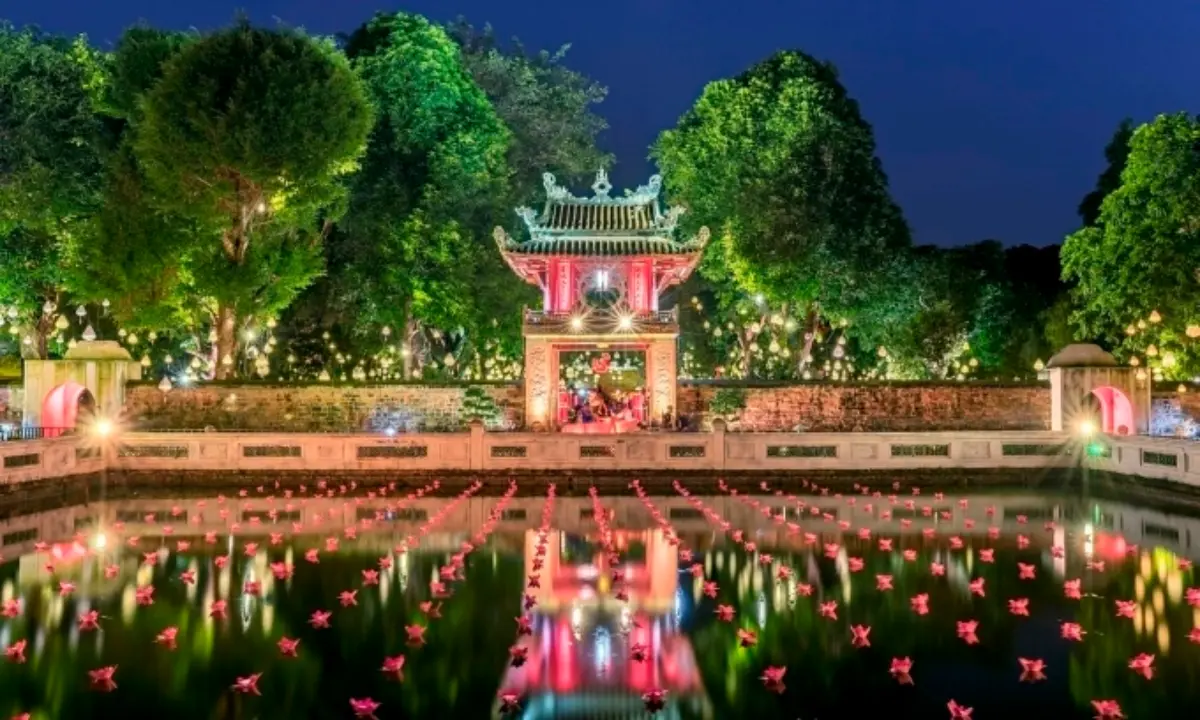
Founded in 1070, this beautiful and serene complex of courtyards, ancient trees, and traditional buildings was Vietnam’s first national university. Wander through the five courtyards and admire the stelae honoring scholars.
Explore →
The ancient political center of Vietnam for over a millennium. This UNESCO World Heritage Site reveals layers of history spanning 1,300 years — from the Chinese Tang Dynasty to the Ly, Tran, and Nguyen dynasties. Explore the flag tower, royal palaces, and archaeological excavations.
Explore →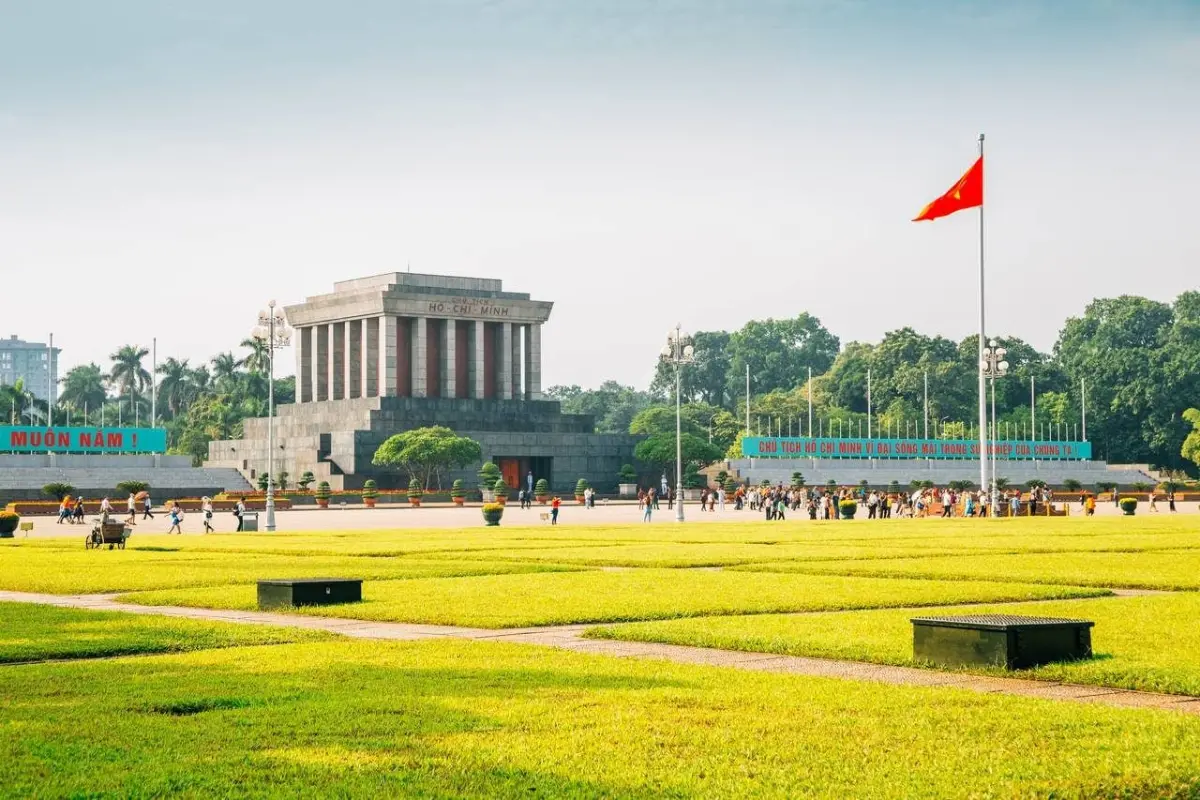
Where the body of Vietnam’s most revered leader, Ho Chi Minh, is preserved. A place of immense historical significance. Explore the Mausoleum, the Presidential Palace, and his simple stilt house where he lived and worked from 1958 to 1969.
Explore →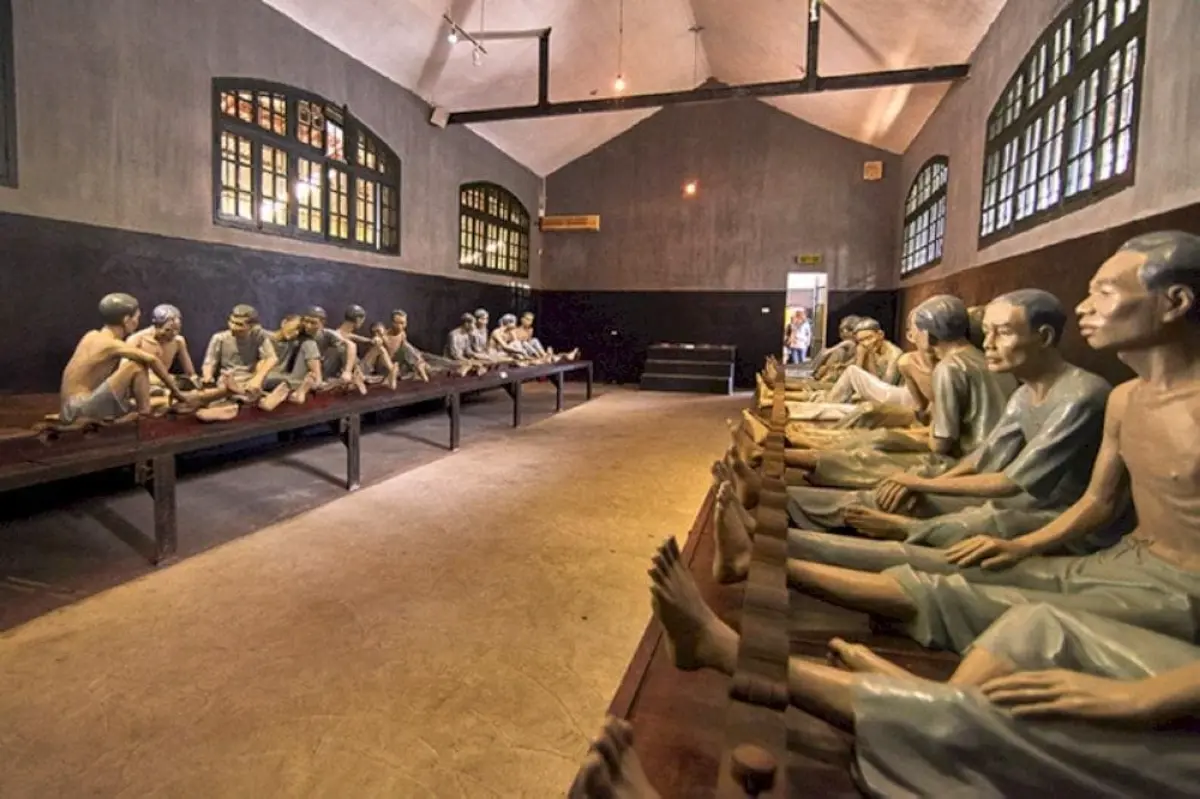
A sobering landmark that tells Hanoi’s 20th-century story from French colonial rule to the Vietnam War. The museum offers a powerful and essential visit for understanding Vietnam’s modern history.
Explore →
Modeled on the Palais Garnier in Paris, this spectacular domed building from 1911 still stages ballets and orchestral symphonies. A masterpiece of French colonial architecture in the heart of the city.
Explore →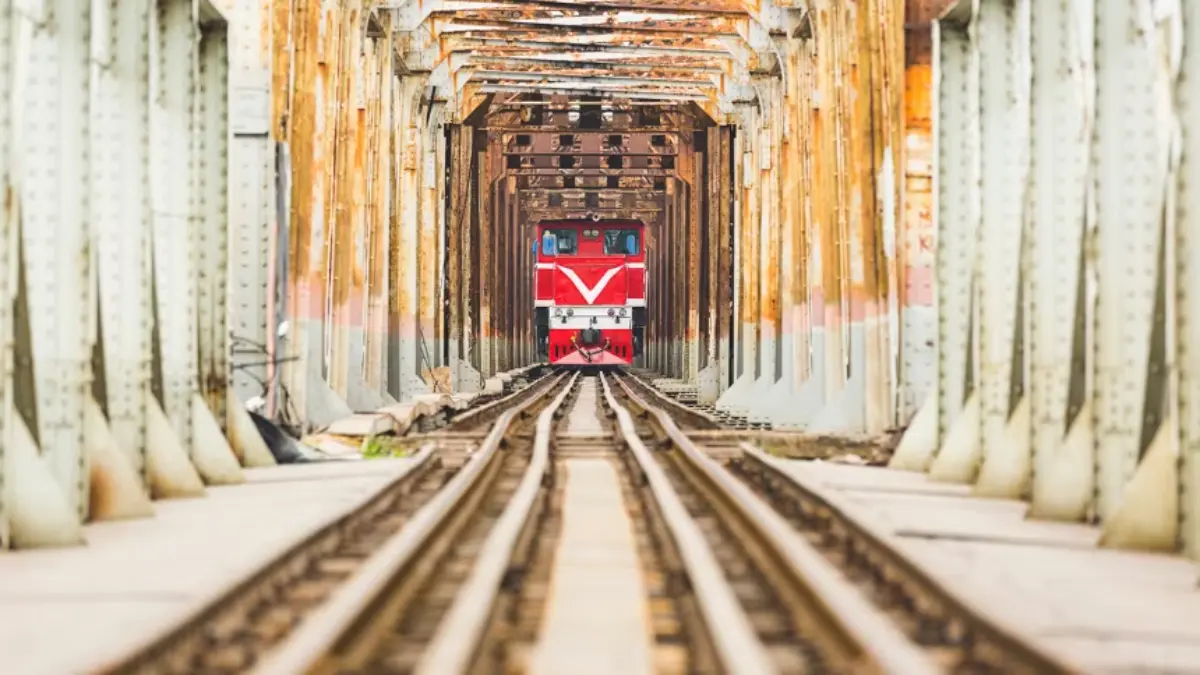
Built by the French and a testament to Hanoi’s wartime struggles. Walk or bike across to witness a unique blend of old and new, with trains, motorbikes, and pedestrians sharing the space. Stunning views of the Red River.
Explore →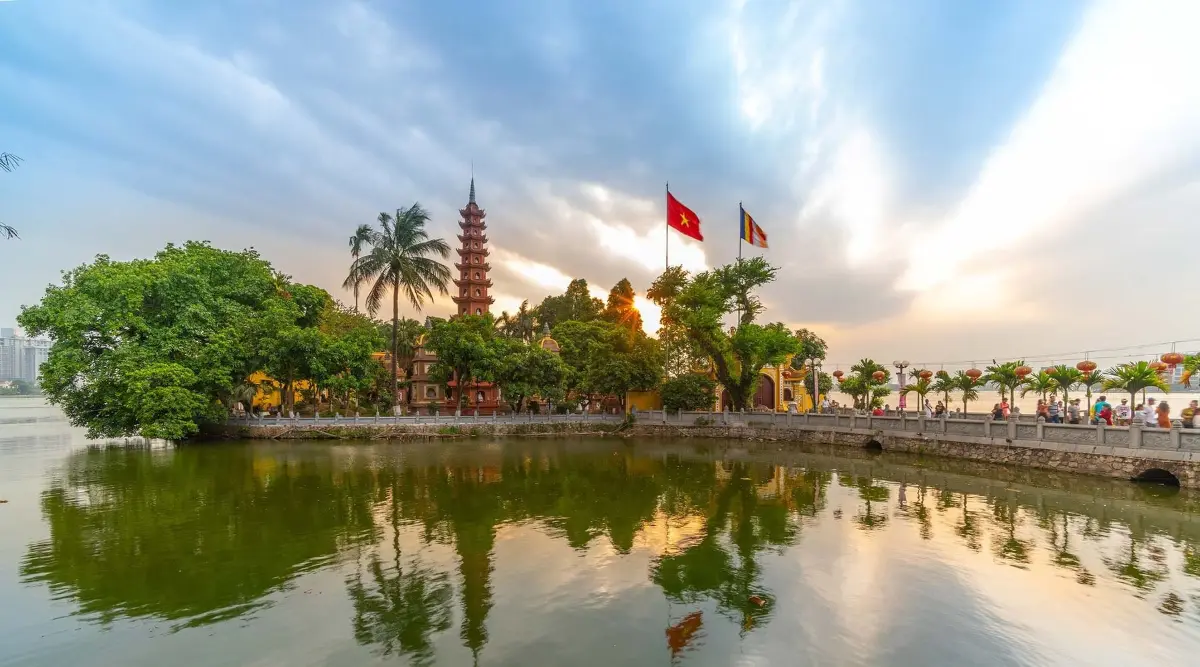
One of the oldest Buddhist temples in Hanoi, dating back to the 6th century. Located on West Lake, its stunning red and gold structure makes for incredible photos, especially at sunset.
Explore →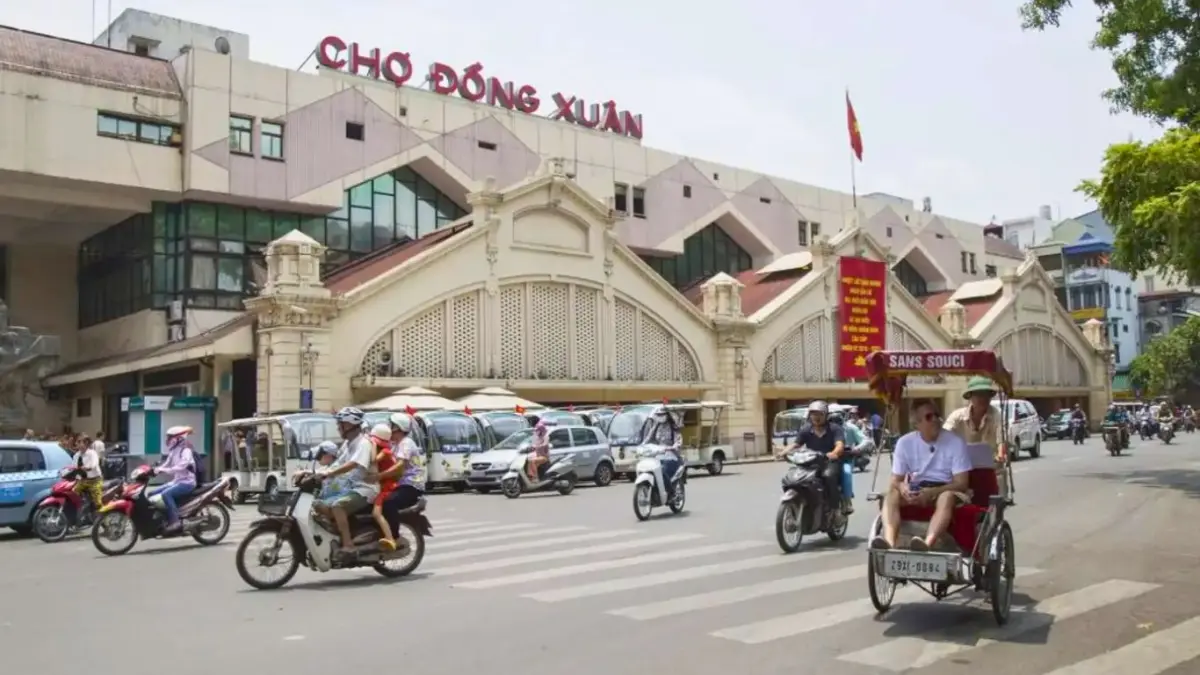
The largest indoor market in Hanoi, built in 1889. A sensory explosion of sights, sounds, and smells. Perfect for practicing your haggling skills and finding unique souvenirs.
Explore →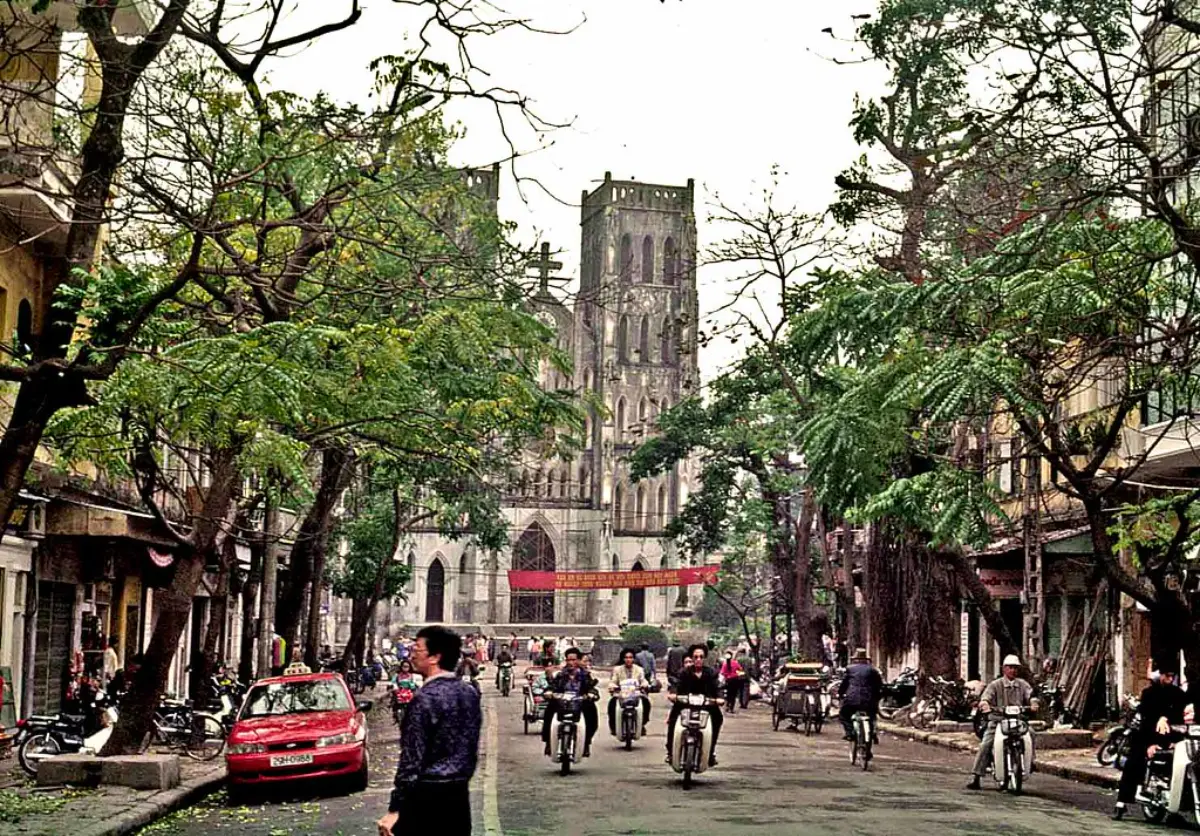
A magnificent Gothic-style cathedral built in 1886, reminiscent of Notre Dame in Paris. The area around the cathedral is a vibrant hub of cafes and small shops, perfect for people-watching.
Explore →
The largest lake in Hanoi, surrounded by elegant villas, chic cafes, and the ancient Tran Quoc Pagoda. A peaceful escape from the city’s bustle, especially beautiful at sunset.
Explore →Where locomotives pass close enough to ruffle your shirt

A narrow corridor of pastel facades, bunting, and rail-side cafes that fall silent a few times a day as the train thunders past close enough to brush your knees. An unforgettable experience.
Explore →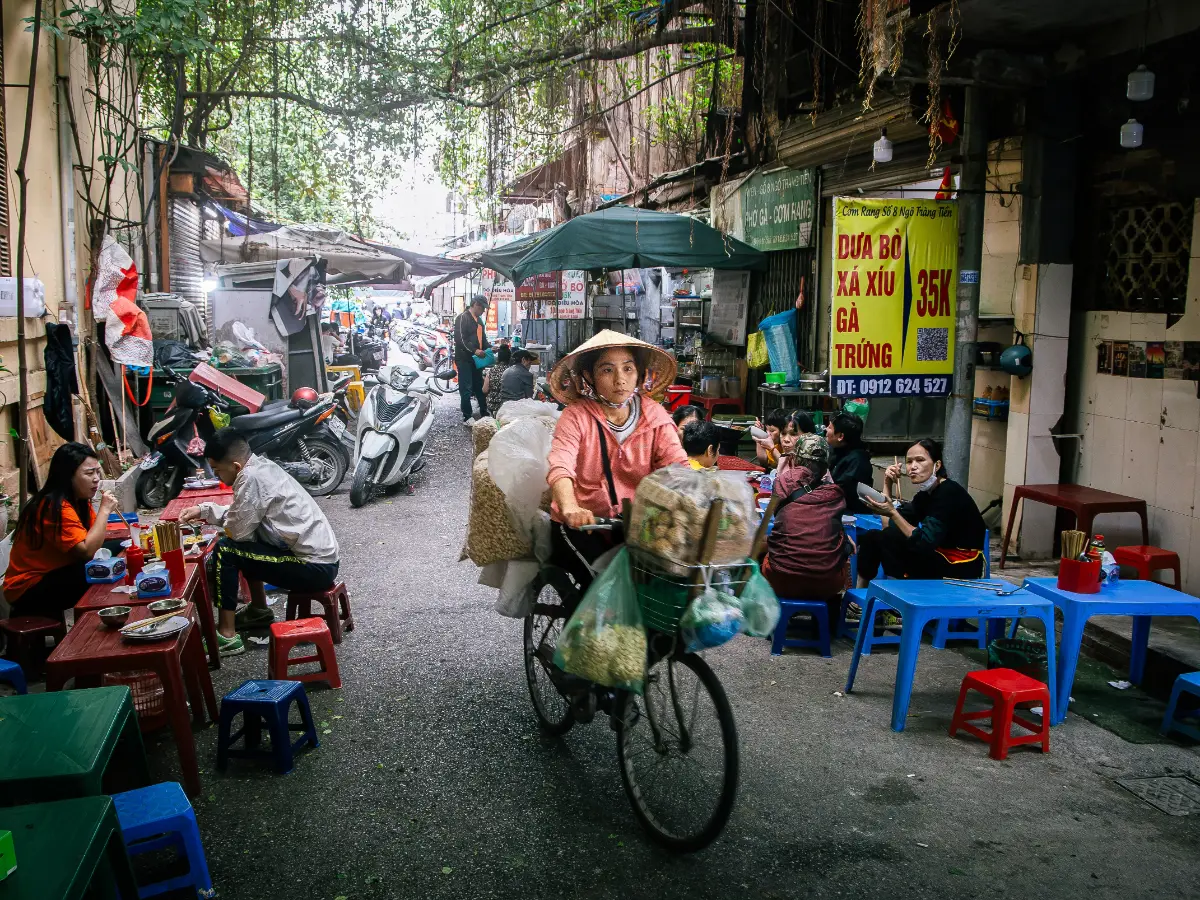
A quieter, more authentic version near the station itself. Sip condensed-milk coffee with locals and watch daily life unfold just inches from the tracks.
Explore →Insider Tip: Train times vary — check with locals for the day’s schedule. Arrive at least 20 minutes early to secure a good spot and order a coffee from one of the rail-side cafes.
Hanoi is a paradise for food lovers — its street food culture is legendary

Vietnam’s national dish — a warm bowl of rice noodles in a clear, savory broth, topped with slices of beef or chicken. The day begins early, with locals queuing for bowls at dawn.
Explore →
Charcoal-grilled pork patties and slices of pork belly served with a bowl of sweet and sour broth, rice vermicelli, and fresh herbs. Immortalized by Barack Obama and Anthony Bourdain.
Explore →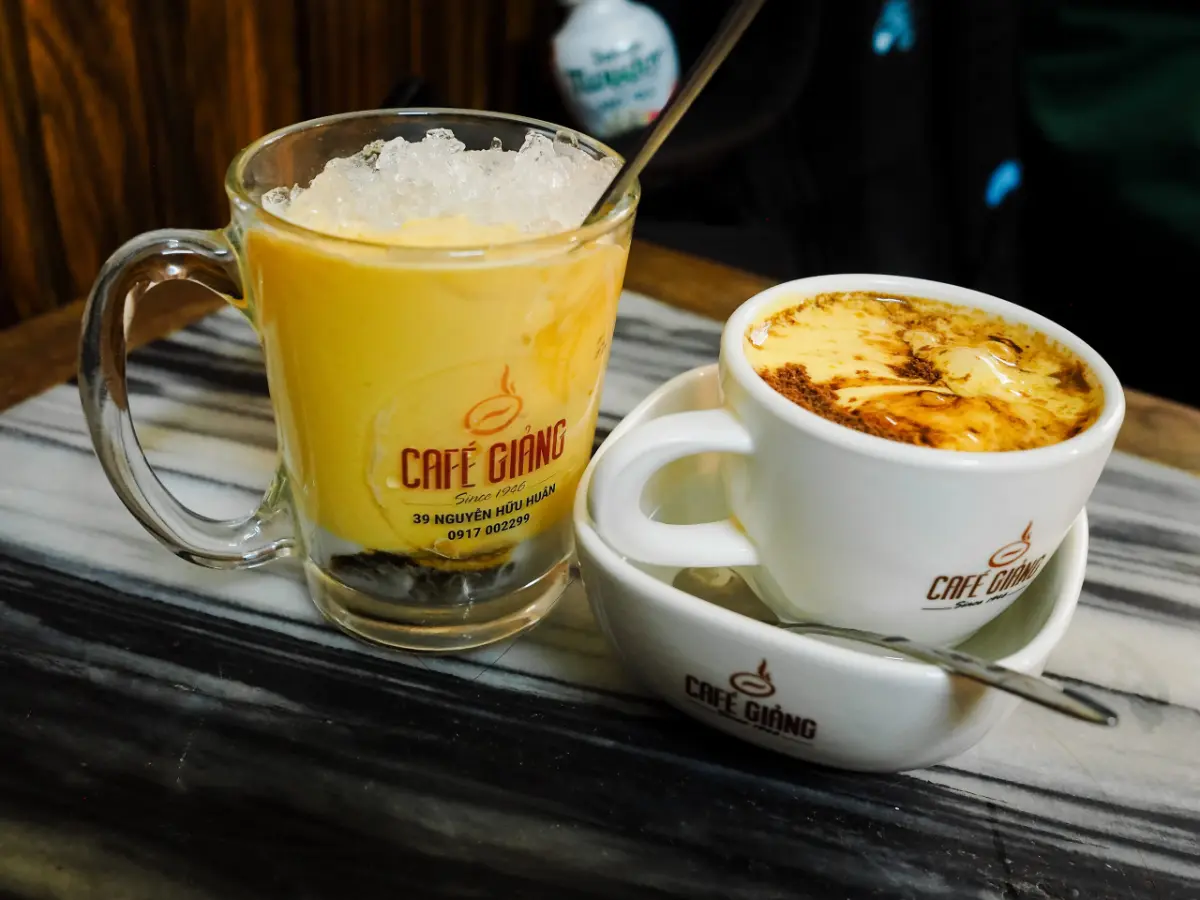
A unique Hanoi specialty — a rich, creamy mixture of egg yolks and condensed milk whipped into a foam and poured over a shot of dark coffee. Originally created at Cafe Giang in the 1940s.
Explore →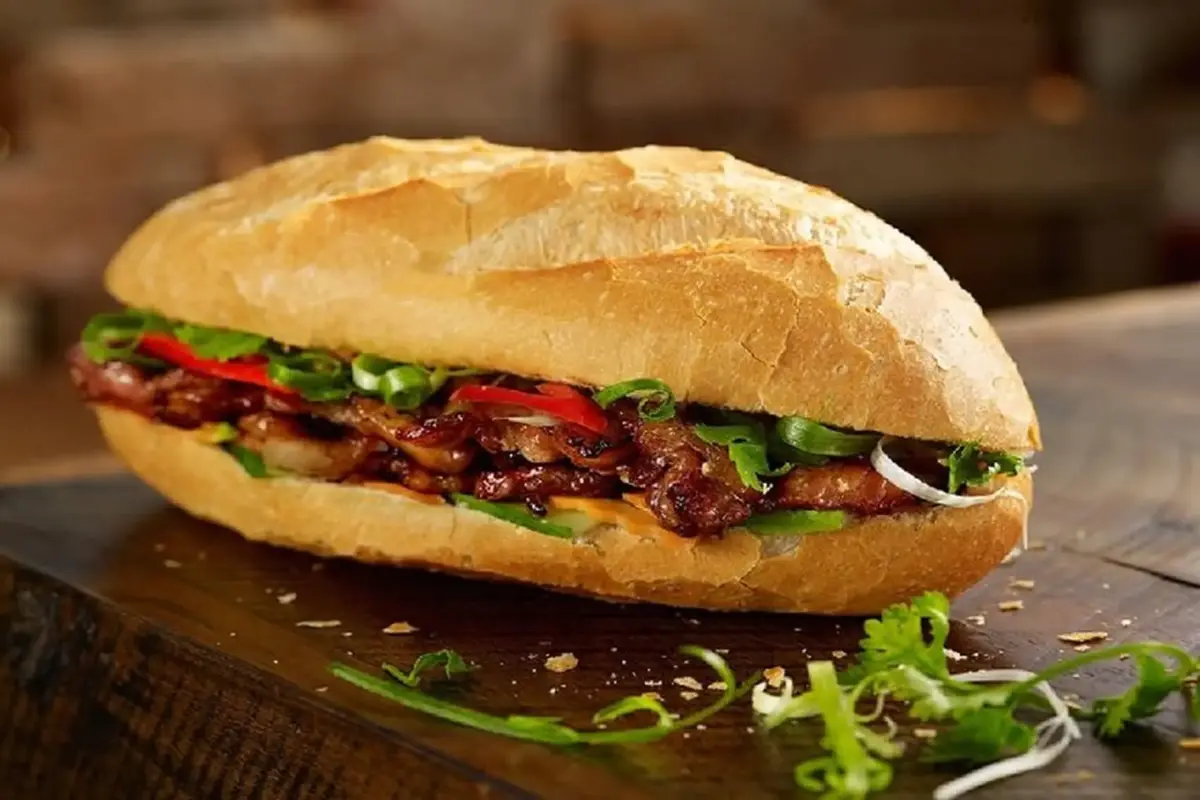
A fusion of French and Vietnamese cuisine. A crispy baguette filled with pâté, cold cuts, fresh vegetables, and a delicious sauce. Hanoi’s street corners offer countless variations.
Explore →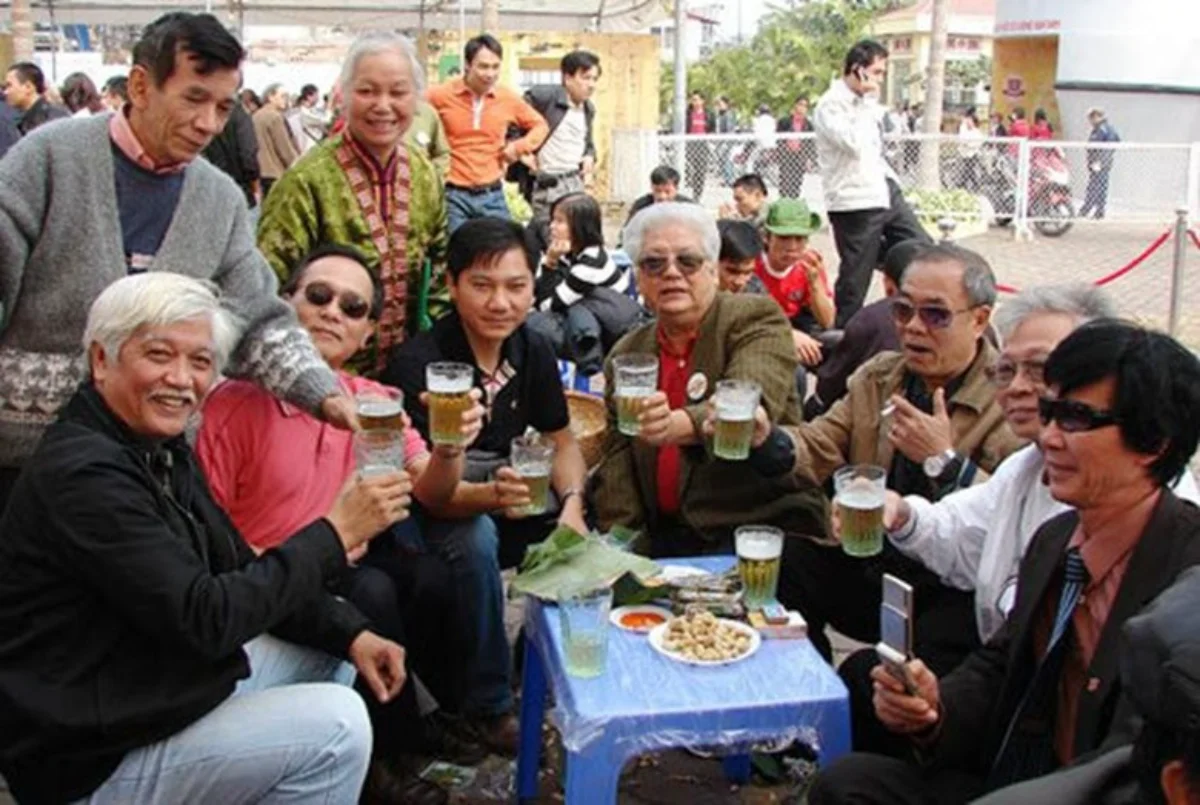
Fresh, light draft beer brewed daily — poured from metal kegs into plastic cups for a few thousand dong. Ta Hien Street, Hanoi’s “Beer Street,” comes alive after dark.
Explore →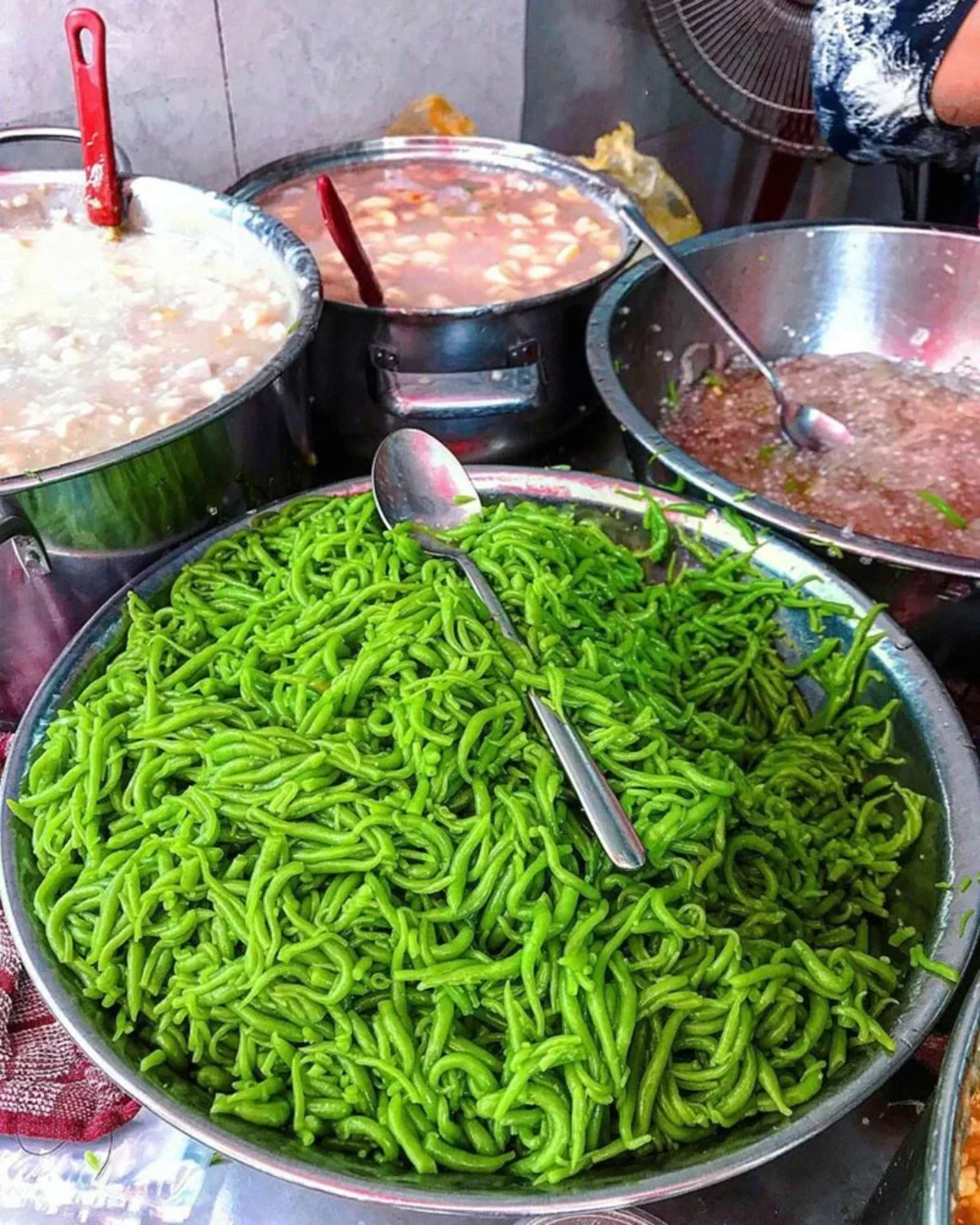
Che Ba Thin on Hang Bo has been ladling sweet coconut and mung-bean soups since the 1950s. A perfect way to end a day of exploration.
Explore →The best stalls cluster where the old guilds once worked: Hang Buom for sweet snacks and grilled skewers, Tong Duy Tan for late-night noodles, and Cho Dong Xuan market for breakfast pho and iced coffee among the morning crowds.
Centuries-old traditions alive just beyond the city limits
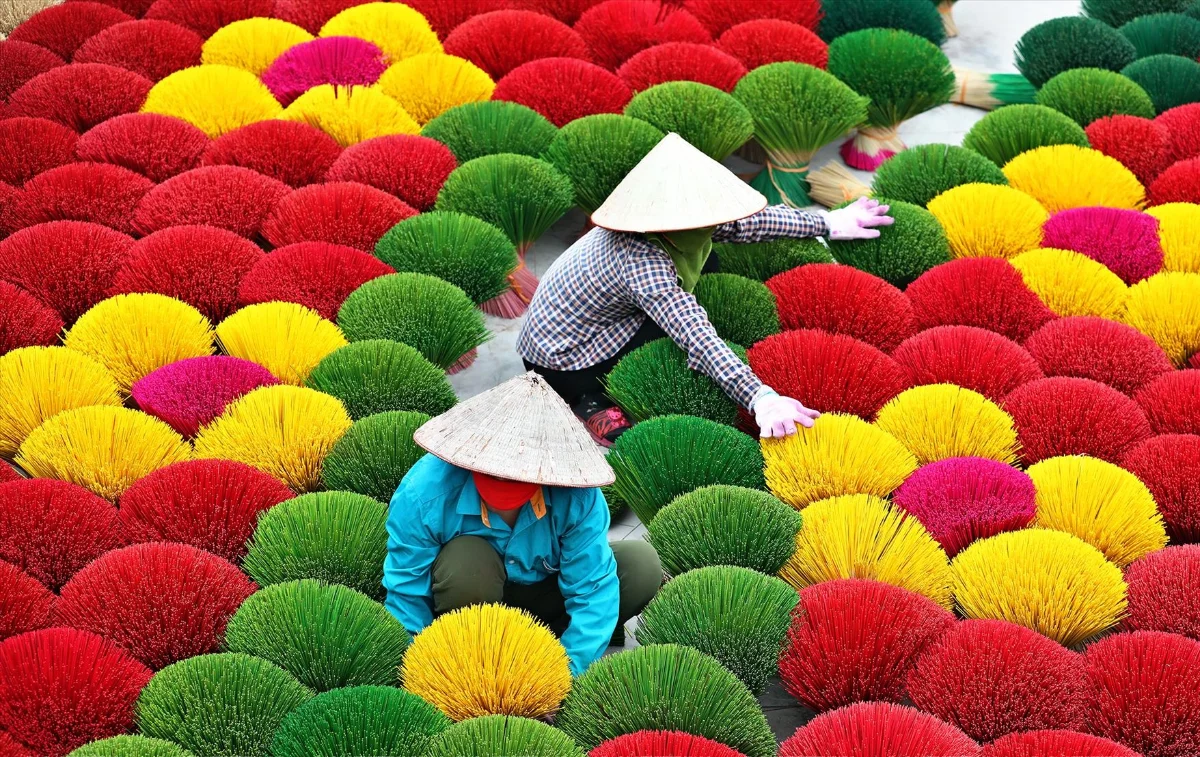
Records suggest incense making began here more than a hundred years ago. Today, hundreds of households still rely on the trade, turning simple stalks into offerings that travel to pagodas across the country. The colorful bundles create a photographer’s dream.
Explore →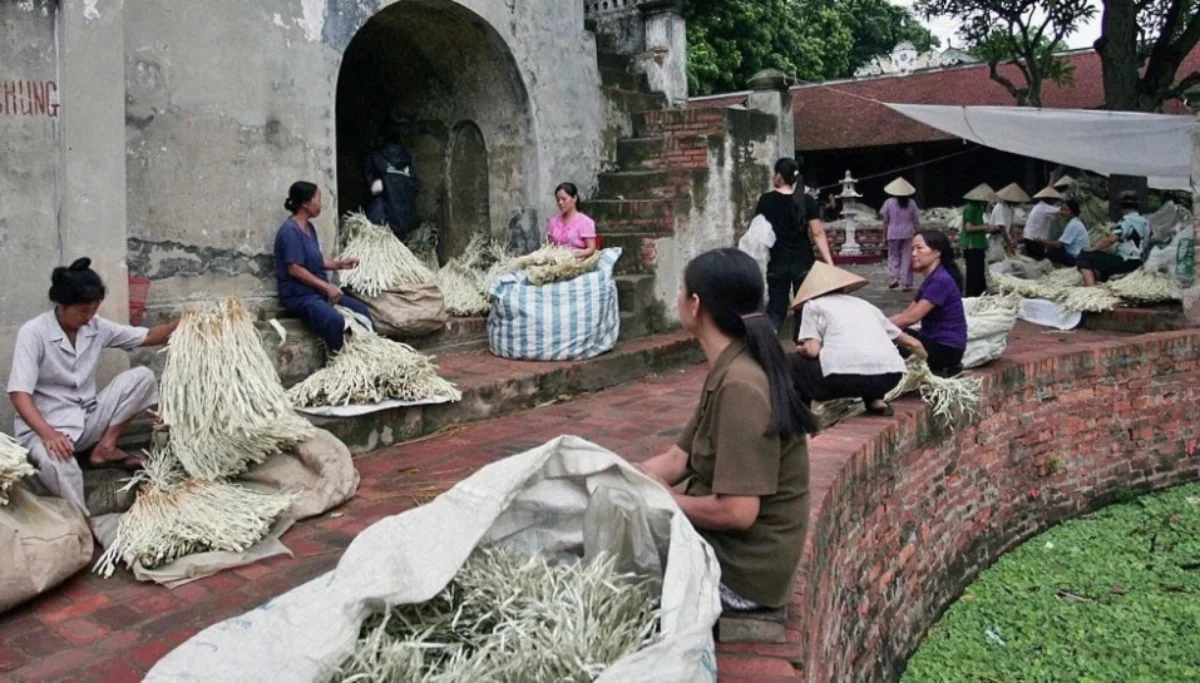
Once supplied the royal court in Hue with Vietnam’s iconic palm-leaf hats. Each is assembled by hand from split bamboo and palm leaves, carefully stitched together in open-air workshops.
Explore →Half-Day Excursion: Both villages make an easy half-day excursion from Hanoi — around an hour’s drive through untouched farmland and quaint local towns. They capture how, long before the skyscrapers and scooters, the Red River Delta thrived on this network of artisans and traders.
From colonial grandeur to contemporary luxury

Opened in 1901. White-shuttered facade and wrought-iron balconies have welcomed everyone from Charlie Chaplin to Graham Greene. Rooms in the historic Metropole Wing retain colonial detailing — parquet floors, claw-foot tubs.
View Hotel →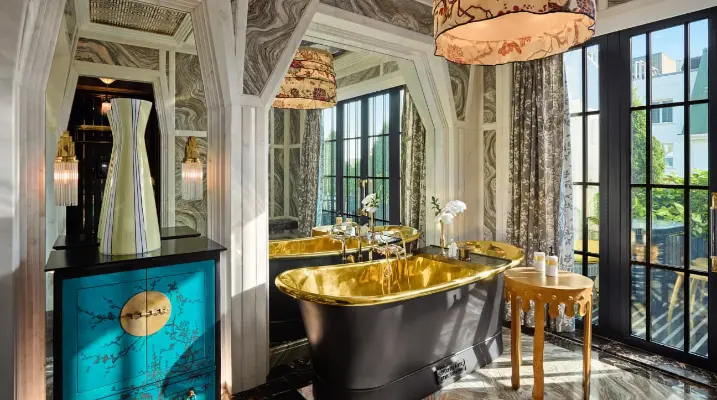
Designed by Bill Bensley and inspired by the opera house just next door. An ode to the roaring 1920s, scattered with vintage pieces sourced across Europe and Asia. Suites come with freestanding bathtubs on private terraces.
View Hotel →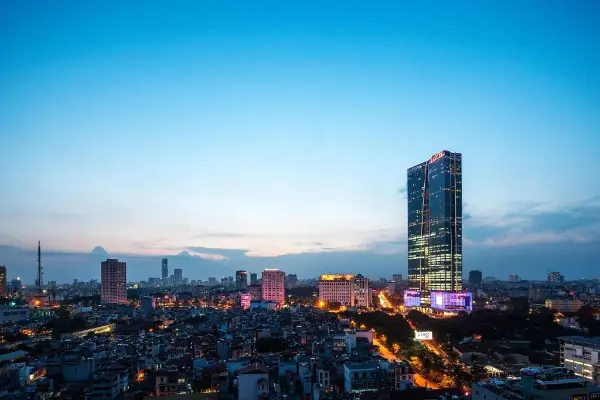
Crowns a 65-story skyscraper in the Ba Dinh District. The views stretch to the Red River, and the infinity pool on the 62nd floor feels like swimming through the clouds.
View Hotel →Coming Soon: Four Seasons Hanoi at Hoan Kiem Lake is set to open in 2026, with rooms and suites boasting picturesque views across Hoan Kiem Lake and the tree-lined boulevards just beyond.
The Old Quarter is best explored on foot. Wander the narrow streets, discover hidden cafes, and immerse yourself in the rhythm of daily life.
Grab is the most convenient option for longer distances. The app works seamlessly, and the ride-hailing service is reliable and affordable.
A traditional and leisurely way to sightsee, especially in the Old Quarter. Agree on the price upfront for a charming ride through the historic streets.
The traffic can seem daunting, but it flows around you. Walk slowly and steadily, and the motorbikes will part ways. Maintain eye contact with oncoming traffic and never stop abruptly.
Comfortable shoes, light layers, sunscreen, insect repellent, and a scarf or shawl for temple visits. Depending on the season, a light jacket for cool evenings.
The currency is the Vietnamese Dong. While some places accept cards, cash is king, especially at markets and street stalls. Carry small bills for vendors.
Remove your shoes indoors, especially in temples. Dress respectfully at religious sites — shoulders and knees covered. A light bow or gentle handshake is a polite greeting.
Get a local SIM card at Noi Bai International Airport for easy access to Google Maps, Grab, and staying connected throughout your stay.
Haggling is common at markets. Start by offering around half the asking price and negotiate from there — always with a smile.
Hanoi is remarkably safe. Use common sense, watch your belongings in crowded areas, and be aware of motorbike traffic when crossing streets.
The best time to visit Hanoi is from September to November (autumn) when the weather is cool, dry, and sunny. Spring (February to April) is also pleasant with blooming flowers.
We recommend at least 3 to 4 days to explore Hanoi’s highlights — the Old Quarter, Hoan Kiem Lake, Temple of Literature, Thang Long Citadel, Ho Chi Minh Complex, and the city’s vibrant street food scene.
Hanoi is famous for its thousand-year history, French colonial architecture, the Old Quarter’s 36 ancient streets, Hoan Kiem Lake, Thang Long Citadel, and its legendary street food including pho, bun cha, and egg coffee.
Extremely safe. Hanoi is a well-developed tourist destination with friendly locals and a low crime rate. Use common sense and be aware of traffic when crossing streets.
Lightweight, breathable clothing for most of the year. During winter (December to February), pack a warm jacket as temperatures can drop below 10°C. Modest attire is required for temples and pagodas.
Yes. Ha Long Bay is approximately 2.5 to 3 hours from Hanoi by car. Day trips and overnight cruises are available, making it an easy addition to any Hanoi itinerary.
Hanoi is not a city you simply visit — it is a city that enters your soul. The clatter of spoons in pho stalls at dawn, the misty mornings over Hoan Kiem Lake, the ancient walls of Thang Long Citadel, the quiet dignity of the Ho Chi Minh Complex, the thrill of Train Street — these moments linger long after you leave. Travel slowly, sip your egg coffee, wander the ancient streets, and let Hanoi reveal itself to you.
— Indochine CHIC Travel Guide
Curated Journeys Through Heritage & Elegance
Explore our comprehensive guides to Hanoi’s treasures
The Mausoleum, Stilt House, and Presidential Palace — a sacred journey.
Explore →Let Indochine CHIC craft your perfect Hanoi experience. Private guides, luxury hotels, and bespoke itineraries tailored to your interests.
kristal@indochinechic.com
Explore the living legacy of Indochina through our curated editorial collection of heritage guides, hotels, and experiences.
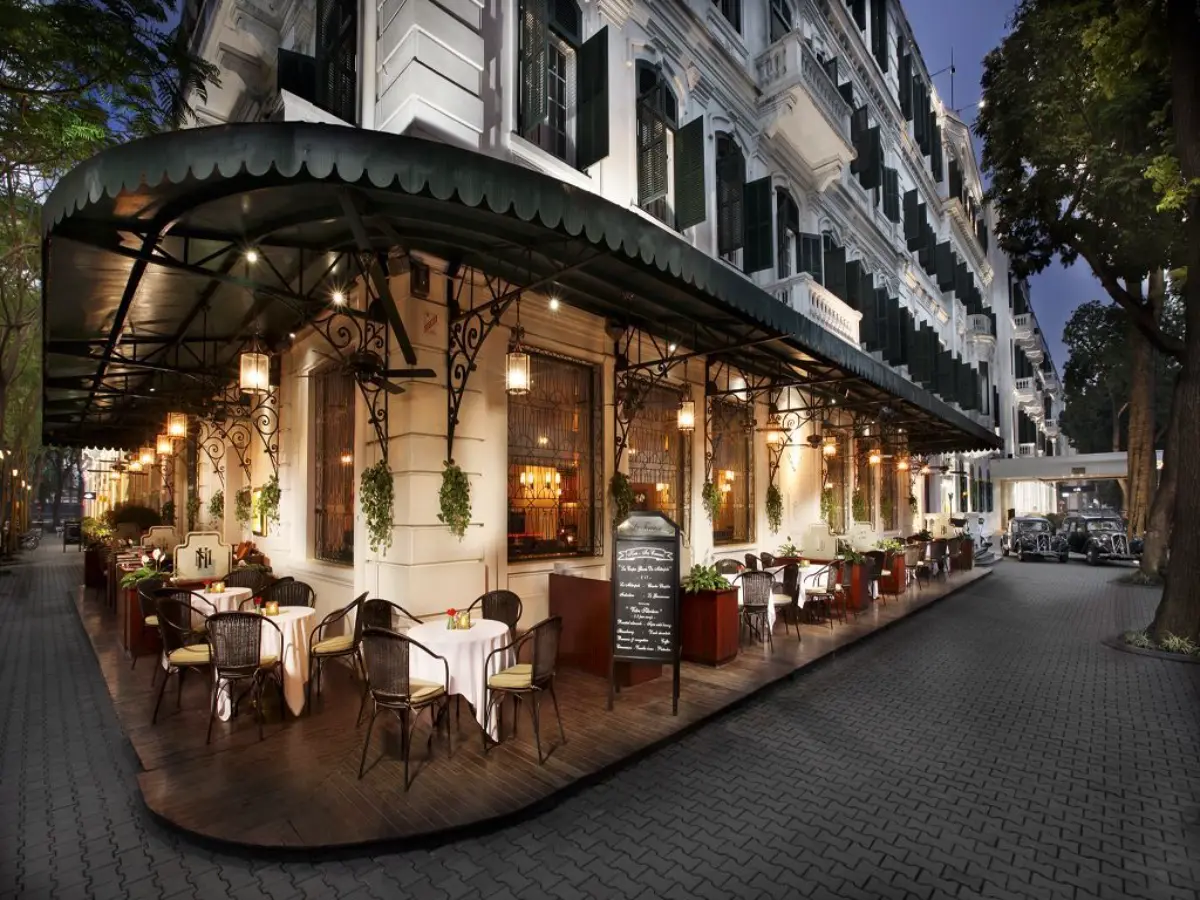
The ultimate crown jewel of classic French colonial elegance. Nostalgic white facades, timeless ironwork, and cinematic grandeur embody the peak of Indochine luxury.

Timeless Art Deco elegance sitting proudly on the banks of the Perfume River facing the ancient Imperial Citadel.

An architectural sanctuary layout directly on the pristine coast. Unrivaled luxury villas and soul-stirring cultural spas.

A pristine architectural heritage sanctuary dating back to 1930. Bask in old-world Saigon charm with opulent crystal chandeliers and nostalgic French-Indochine design lines.