Safety Tips for Indochina: Deep Dive into Transport, Health & Scams
Indochina is generally safe, but being prepared makes your journey smoother. This comprehensive guide by Indochine Chic covers everything from trains and cyclos to taxis, Grab, buses, motorbike taxis, plus health, scams, and emergency numbers.

Saigon’s traffic can be intimidating – but with patience, it’s perfectly safe
1. Overall Safety in Indochina
Violent crime against tourists is rare. Petty theft, bag snatching, and minor scams occur in crowded areas. Use common sense and stay aware.
Violent Crime
Extremely low. Most incidents are opportunistic theft.
Petty Theft
Bag snatching from motorbikes happens. Keep bags cross‑body.
Solo Travelers
Generally safe, including women. Use reputable transport and accommodation.
Political Unrest
Rare. Avoid demonstrations.
2. Health & Hygiene Precautions
Food & Water
- Drink bottled/boiled water only.
- Avoid tap water even for brushing teeth.
- Eat cooked food served hot.
Vaccinations & Meds
- Hepatitis A, Typhoid, Tetanus recommended.
- Bring anti‑diarrhea medication and mosquito repellent (DEET).
3. Common Scams in Vietnam, Laos & Cambodia
Motorbike / Cyclo Overcharging
Agree on price before getting in. Use Grab to see real fare.
Gem & Silk Scams
Too‑good‑to‑be‑true deals are fake. Buy only from reputable shops.
Fake Tourist Police
Suggest going to the nearest police station. Real officers rarely stop tourists.
Border Crossing “Helpers”
Stand your ground politely. Use official e‑visa.
Bottle Scam (Vietnam)
Ignore and walk away briskly.
Temple Closed Scam (Cambodia)
Stick to official ticket offices and itinerary.
4. Deep Dive: Safety on Trains, Cyclos, Taxis, Grab, Buses & Motorbike Taxis
Getting around Indochina is part of the adventure. Each mode of transport has its own safety considerations. Here’s what you need to know.
Trains (Vietnam & Laos)
Vietnam Railways (Reunification Express)
- Book soft sleeper cabins (4 berths) for comfort and security.
- Keep valuables in a small bag with you, even while sleeping.
- Use a small padlock for your main luggage.
- Avoid sharing a cabin with strangers if you are a solo female – request a women‑only cabin (available on some routes).
- Be wary of unofficial “train agents” – book directly via official website or through your hotel.
- Night trains are generally safe, but keep your cabin door locked from inside.
Laos Train (Boten–Vientiane)
- New, modern, and very safe.
- Book tickets in advance via official app or travel agency.
- Limited routes; most travel is by bus or minivan.
Xích Lô (Cyclo) – Vietnam & Cambodia
Safety Tips for Cyclo Rides
Cyclos are a charming way to explore, but scams are common. Always agree on the price and duration BEFORE getting in. Ask “How much for one hour?” not just “How much?”. Write the price down. Beware of “free” cyclo rides – they will demand money at the end. Use cyclos only for short, scenic tours in the Old Quarter (Hanoi) or around Angkor (Siem Reap). For longer distances, take a taxi or Grab.
How to Avoid Overcharging
If the driver asks for more at the end, pay the agreed amount and walk away firmly. Have small bills ready. Consider booking through your hotel – they will arrange a trusted driver at a fair price.
Taxis & Ride‑Hailing (Grab, Gojek, PassApp)
Taxis
- Use only reputable companies: Mai Linh, Vinasun (Vietnam), Loca (Cambodia), Lao Taxi (Laos).
- Insist on using the meter. If the driver refuses, get out.
- Have small bills to avoid “no change” scams.
- Share your ride details with someone you trust.
- Avoid taxis that loiter outside tourist attractions – they often overcharge.
Grab / Ride‑Hailing
- Much safer than street taxis – prices are fixed, routes are tracked.
- Check the license plate before getting in.
- Never share your OTP or let the driver cancel and ask for cash.
- In Cambodia, use PassApp (similar to Grab).
- For motorbike taxis (GrabBike), wear the provided helmet and hold on tight.
Public & Sleeper Buses
Choosing a Safe Bus
Use well‑known companies: The Sinh Tourist, Futa Bus, Phuong Trang (Vietnam); Giant Ibis, Mekong Express (Cambodia). Avoid unmarked minivans at the airport. For overnight buses, book a sleeper berth near the front – less bumpy and easier to exit in an emergency. Keep your passport and cash in a money belt.
Onboard Safety
Store your main luggage in the hold, but keep a daypack with valuables with you. Use a small lock. If you feel unsafe (e.g., driver speeding), speak up or ask to get off at a gas station. Night buses are common, but they can be bumpy – bring a neck pillow and earplugs.
Motorbike Taxis (Xe Ôm, GrabBike, PassApp Moto)
Safety First
- Always wear the helmet provided. Check that it fits and has a strap.
- Hold onto the grab bar behind you, not the driver’s shoulders.
- Avoid using motorbike taxis with heavy backpacks – they unbalance the bike.
- Use Grab or PassApp for tracked rides and fixed prices.
- Never ride a motorbike taxi at night or in heavy rain.
Street Xe Ôm (Vietnam)
- Agree on price before getting on – “Bao nhiêu tiền?”
- If the driver demands more at the destination, pay the agreed amount and walk away.
- For longer trips, Grab is safer and often cheaper.
Tiny tip: Download Grab or PassApp before your trip. They work with international credit cards and provide driver details, route tracking, and emergency buttons. In Vietnam, Grab also offers “Share My Trip” to send your live location to a friend.
5. Road & Transport Safety (General)
Crossing the Street
- Walk slowly and steadily – do not run.
- Make eye contact with drivers.
Renting a Motorbike
- Check insurance coverage. Wear a helmet. Have an International Driving Permit.
6. Natural Hazards & Weather Risks
Typhoons & Flooding
Central Vietnam, Sep–Nov. Check forecasts.
Dengue Fever
Use repellent, wear long sleeves at dawn/dusk.
Air Quality
Feb–Apr in north. N95 masks recommended.
Heat Stroke
Stay hydrated, avoid midday sun.
7. Emergency Numbers & Embassy Contacts
Vietnam
Police: 113
Ambulance: 115
Fire: 114
Laos
Police: 1191
Ambulance: 1195
Fire: 1190
Cambodia
Police: 117
Ambulance: 119
Fire: 118
8. Practical Day‑to‑Day Safety Tips
Money & Valuables
Use hotel safes. Carry only daily cash.
Photography
Avoid military sites. Ask permission for people.
Nighttime Safety
Stick to well‑lit streets. Use Grab at night.
Drink Safety
Never leave drinks unattended.
Travel Insurance
Essential. Covers medical evacuation, motorbike accidents.
Digital Safety
Use VPN on public Wi‑Fi. Keep digital copies of passport.
9. Country‑Specific Safety Advice
Vietnam
Traffic is the biggest risk. Bag snatching common in tourist areas.
Laos
Very safe. UXO hazard in rural areas – don’t touch metal objects.
Cambodia
Bag snatching from tuk‑tuks. Landmines near Thai border – stick to marked paths.
10. Recommended Tours for Your Indochina Journey
Travel with confidence – our tours include experienced local guides, safe transport, and 24/7 support.
Vietnam Highlight Tours

Vietnam Heritage & Halong Bay Cruise
8 days / 7 nights
Hanoi – Halong Bay – Hue – Hoi An – Saigon. Luxury junk cruise, private guides.
Explore tour →

Vietnam Beach & Mountain Escape
10 days / 9 nights
Hanoi – Sapa trekking – Nha Trang – Saigon. Combines culture and resort.
Explore tour →

Mekong Delta & Southern Charms
5 days / 4 nights
Saigon – Ben Tre – Can Tho – Cai Rang floating market. Private boat, cooking class.
Explore tour →
Laos Highlight Tours

Laos Hidden Gems & Nature Escape
7 days / 6 nights
Vientiane – Vang Vieng – Nam Et-Phou Louey. Kayaking, trekking, wildlife.
Explore tour →
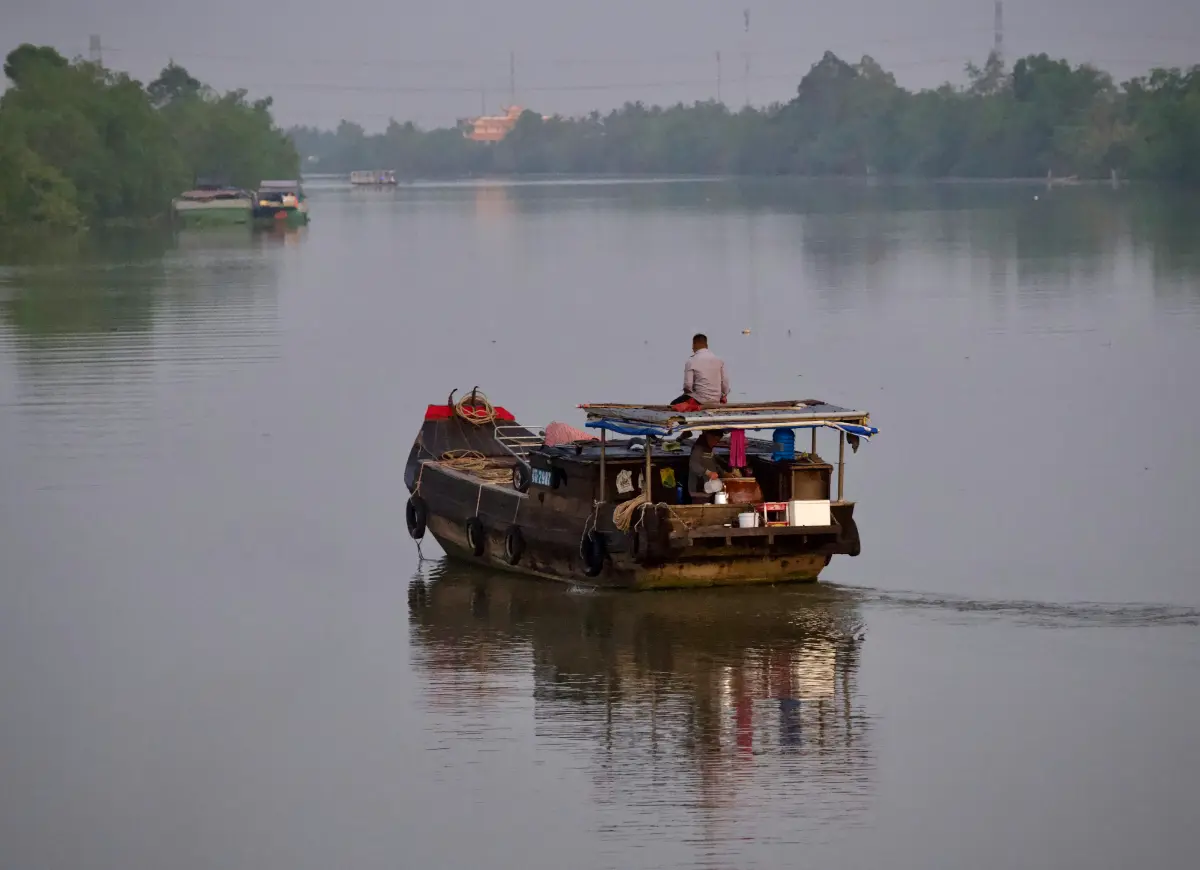
Mekong Slow Boat & Hill Tribes
5 days / 4 nights
Huay Xai – Pakbeng – Luang Prabang. Two‑day cruise, homestay.
Explore tour →
Cambodia Highlight Tours

Angkor Wat & Royal Cambodia
5 days / 4 nights
Siem Reap – Angkor – Tonle Sap – Phnom Kulen. Private guide, sunrise.
Explore tour →
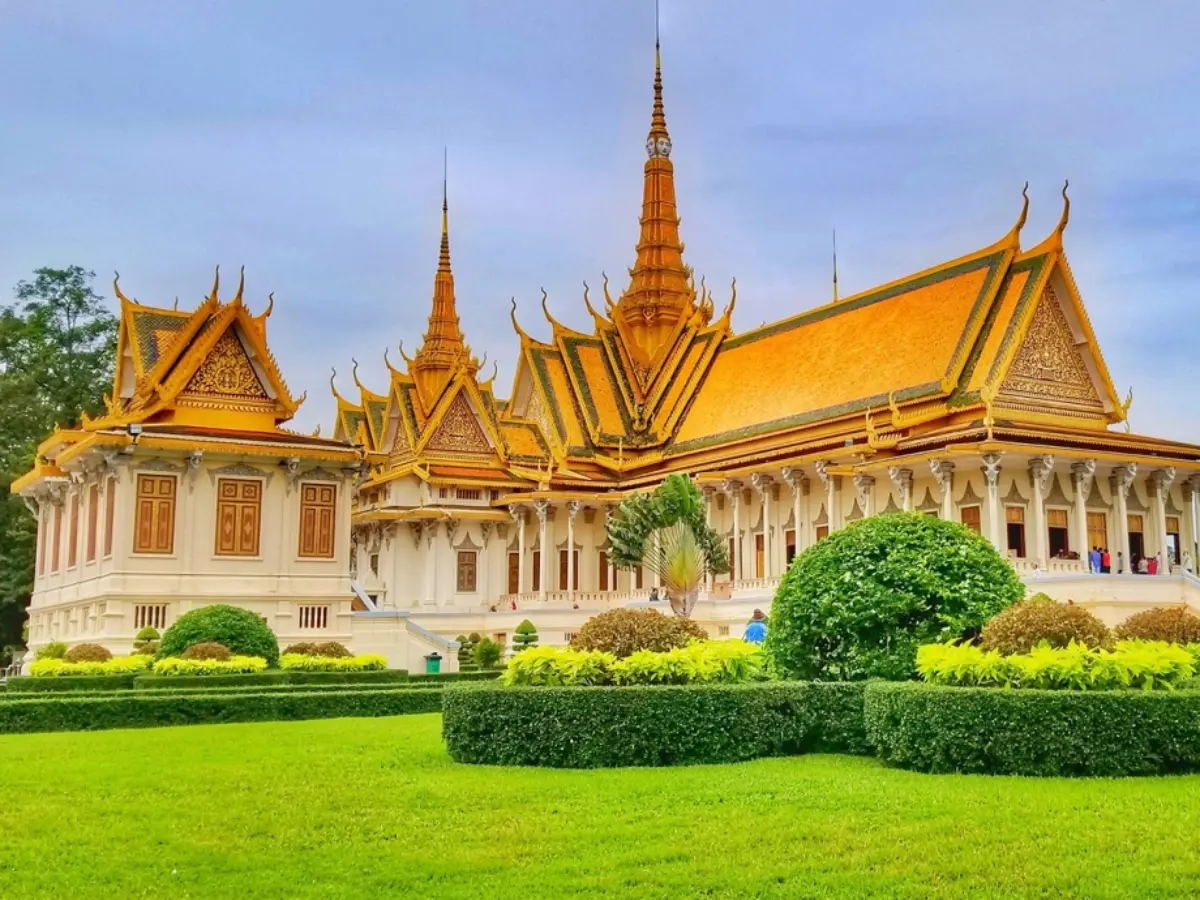
Cambodia Beach & Island Retreat
6 days / 5 nights
Phnom Penh – Sihanoukville – Koh Rong. Speedboat, beachfront resort.
Explore tour →
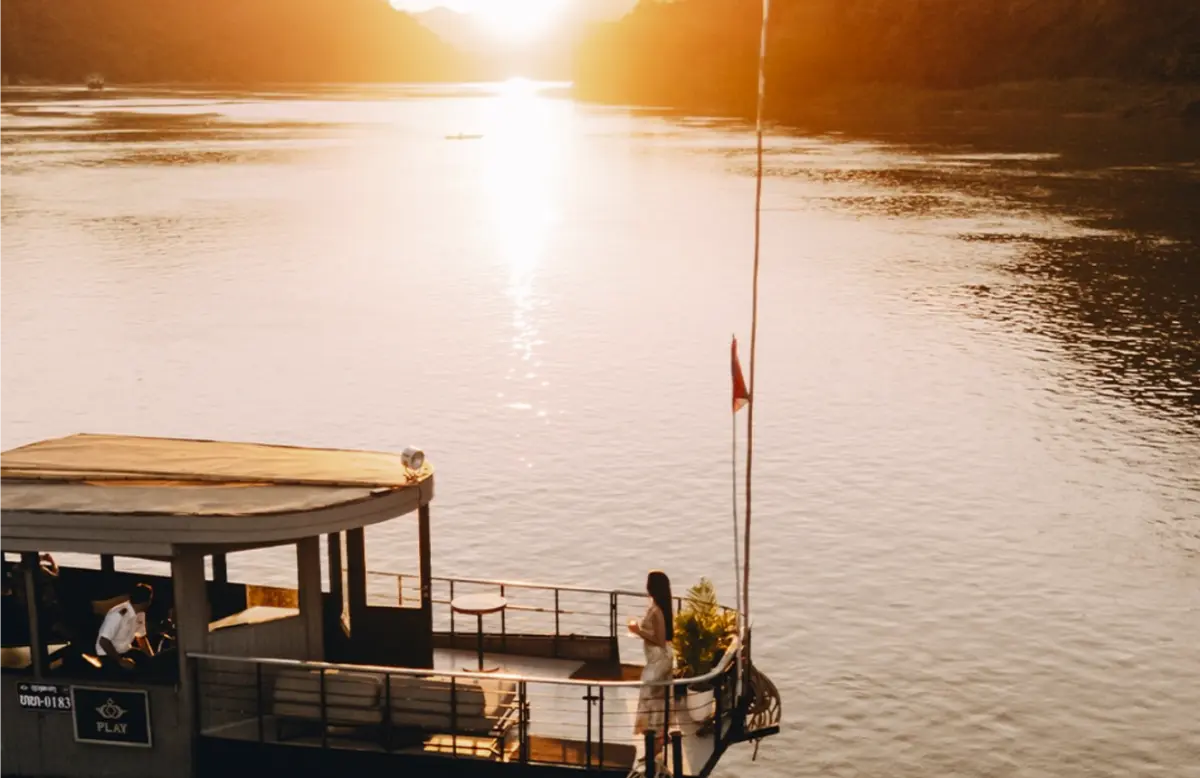
Mekong River & Floating Villages
4 days / 3 nights
Phnom Penh – Kampong Cham – Kampong Chhnang. Private riverboat.
Explore tour →
11. Frequently Asked Questions about Safety in Indochina
1. Is it safe to travel alone as a woman in Vietnam, Laos, or Cambodia?
Yes, all three are generally safe. Use common sense: avoid walking alone late at night, dress modestly in rural areas, and use Grab instead of street taxis.
2. How do I avoid cyclo scams?
Agree on a price and duration before the ride. Write it down if needed. Use only cyclos recommended by your hotel. Never take a “free” cyclo.
3. Are night trains in Vietnam safe for solo travelers?
Yes, but book a soft sleeper cabin. Request a women‑only cabin if available. Keep valuables with you and lock your cabin door.
4. Is Grab safer than a regular taxi?
Generally yes. Grab provides driver details, route tracking, and fixed prices. Avoid street taxis that refuse to use a meter.
5. Can I drink tap water?
No. Stick to bottled or boiled water. Use it also for brushing teeth. Ice is generally safe in tourist areas.
6. What should I do if a motorbike taxi driver demands more money?
Pay the agreed amount and walk away firmly. If you used Grab, report the driver in the app. Have small bills ready.
7. Are there pickpockets on public buses?
Occasionally, especially on crowded local buses. Keep your bag in front of you and use a money belt.
8. Do I need travel insurance?
Absolutely essential. Medical evacuation alone can cost tens of thousands of dollars. Ensure your policy covers motorbiking if you plan to ride.
9. Is it safe to use ATMs at night?
Avoid standalone ATMs on dark streets. Use machines inside banks or well‑lit areas. Cover your PIN.
10. What is the biggest safety risk in Indochina?
Road accidents. Be extremely cautious crossing streets, and avoid night driving or riding.