Vietnam · Laos · Cambodia
Expert connections to local tour operators, hotels, restaurants and cruises. Unlock 5–12% extra value with our Final Bargain Advantage.

Skyscrapers tower above French colonial landmarks, motorbikes flow like a river, and the scent of lemongrass and fish sauce fills the air — Ho Chi Minh City, still lovingly called Saigon, is a metropolis of contrasts. This comprehensive guide by Indochine Chic reveals everything you need to plan an unforgettable stay, from the best time to visit to hidden alleys and luxury experiences.
Ho Chi Minh City, Vietnam’s largest metropolis, is a whirlwind of energy. Once known as Saigon, it was the capital of French Indochina and later the Republic of Vietnam. Today, it’s the country’s economic engine — a place where sleek skyscrapers like the Bitexco Financial Tower stand beside the ornate Saigon Opera House and the Reunification Palace. The city is divided into 24 districts, with District 1 (the historic center) being the heart of tourism.
For the discerning traveler, Saigon offers a thrilling blend of history, gastronomy, and nightlife. Indochine Chic curates private tours of the Cu Chi Tunnels, guided street food walks, and stays at colonial-era hotels like the Rex or Caravelle. Whether you’re sipping a cocktail on a rooftop bar overlooking the city or exploring the chaotic beauty of Ben Thanh Market, Saigon leaves an indelible mark.
Saigon has a tropical climate with two main seasons: wet and dry. The dry season is the most comfortable for sightseeing, but the wet season has its own charm with shorter, refreshing showers.
Low rainfall, high temperatures (25–35°C), and plenty of sunshine. This is the peak tourist season. December to February is cooler and ideal for outdoor activities. March and April are hotter but still manageable. Highly recommended.
High humidity and frequent afternoon downpours, usually lasting 1–2 hours. The rain brings relief from the heat, and the city feels lush. Fewer tourists and lower prices. June–August can see heavy rain, but morning sightseeing is often fine.
Our recommendation: For the best balance of weather and crowd levels, visit in December or January. If you prefer fewer tourists and don’t mind afternoon showers, September or October can be delightful.
Tan Son Nhat International Airport (SGN) is only 8 km from the city center — one of the closest airports to a major city center in the world. Here are the best ways to reach and explore Saigon:
This landmark was the home and workplace of the President of South Vietnam during the Vietnam War. On April 30, 1975, a North Vietnamese tank crashed through its gates, ending the war. The building remains frozen in 1970s time — with period furniture, war rooms, and a rooftop helicopter pad. A must for history lovers.
A sobering but essential visit. The museum displays photographs, military vehicles, and artifacts documenting the horrors of the Vietnam War. The most moving section is the collection of war photography by journalists who died in the conflict. Allow 1.5–2 hours.
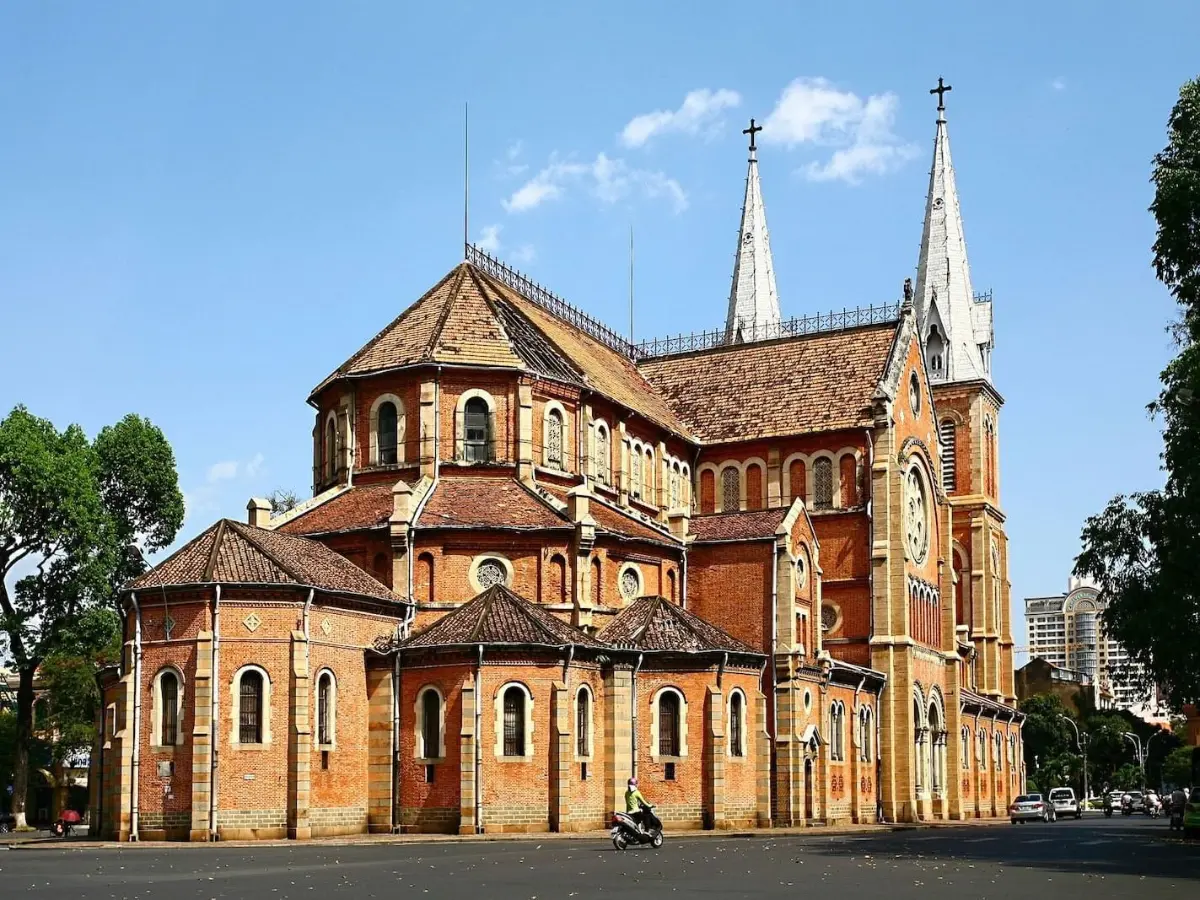
Two iconic French colonial buildings facing each other on Paris Square. Notre Dame Cathedral was built in the 1880s using bricks imported from Marseille. The Central Post Office, designed by Gustave Eiffel, is still a working post office with stunning arched ceilings and antique phone booths.
The city’s most famous market, located in the heart of District 1. It’s a sensory overload of stalls selling everything from Vietnamese silk and handicrafts to fresh produce and street food. Great for souvenirs, but be prepared to bargain. The night market outside offers delicious local dishes.
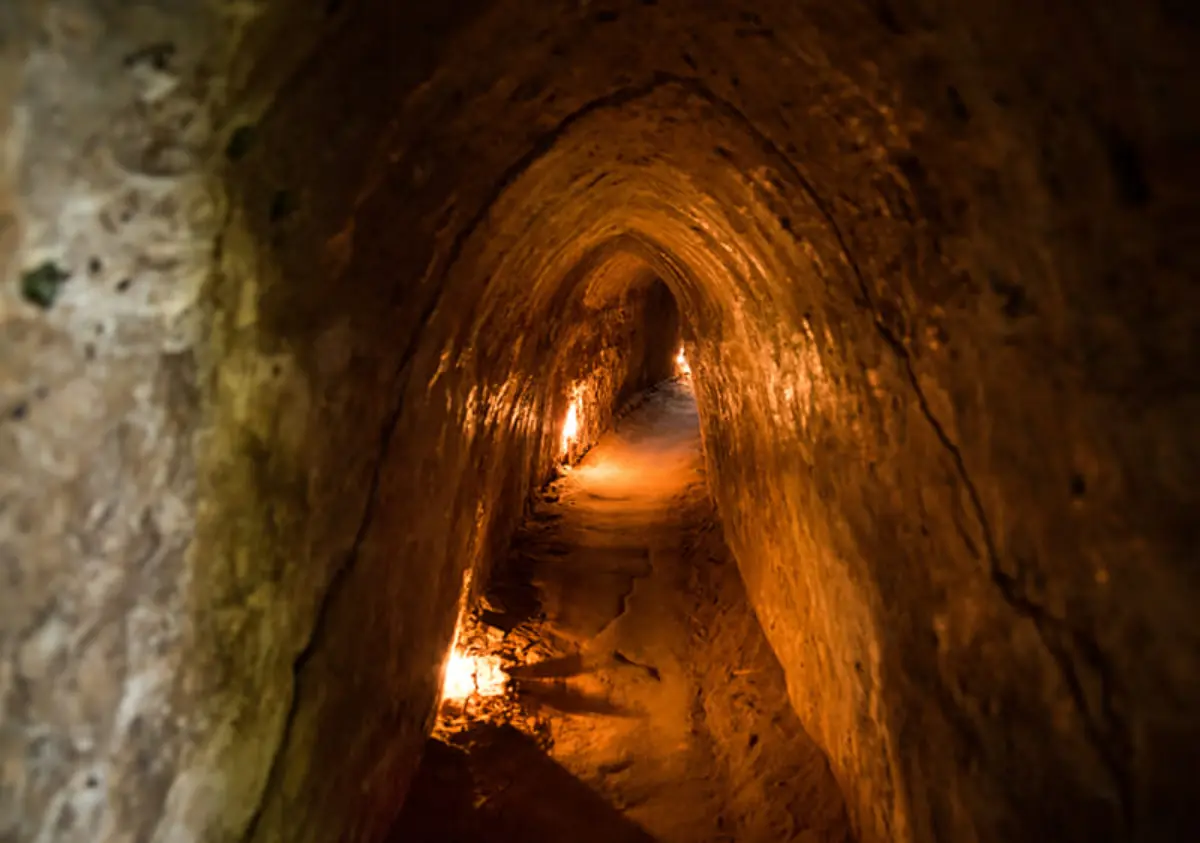
Located about 60 km northwest of Saigon, the Cu Chi Tunnels are an extensive underground network used by Viet Cong guerrillas during the war. Visitors can crawl through sections of the tunnels, see trap doors, and learn about the ingenious survival techniques. A fascinating and humbling experience.
The Saigon Opera House, built in 1898, is a stunning example of French colonial architecture. Catch a performance of the AO Show (a blend of bamboo circus and contemporary dance) if possible. Dong Khoi Street, formerly Rue Catinat, is Saigon’s most elegant thoroughfare, lined with luxury boutiques, art galleries, and historic hotels like the Continental and the Caravelle.
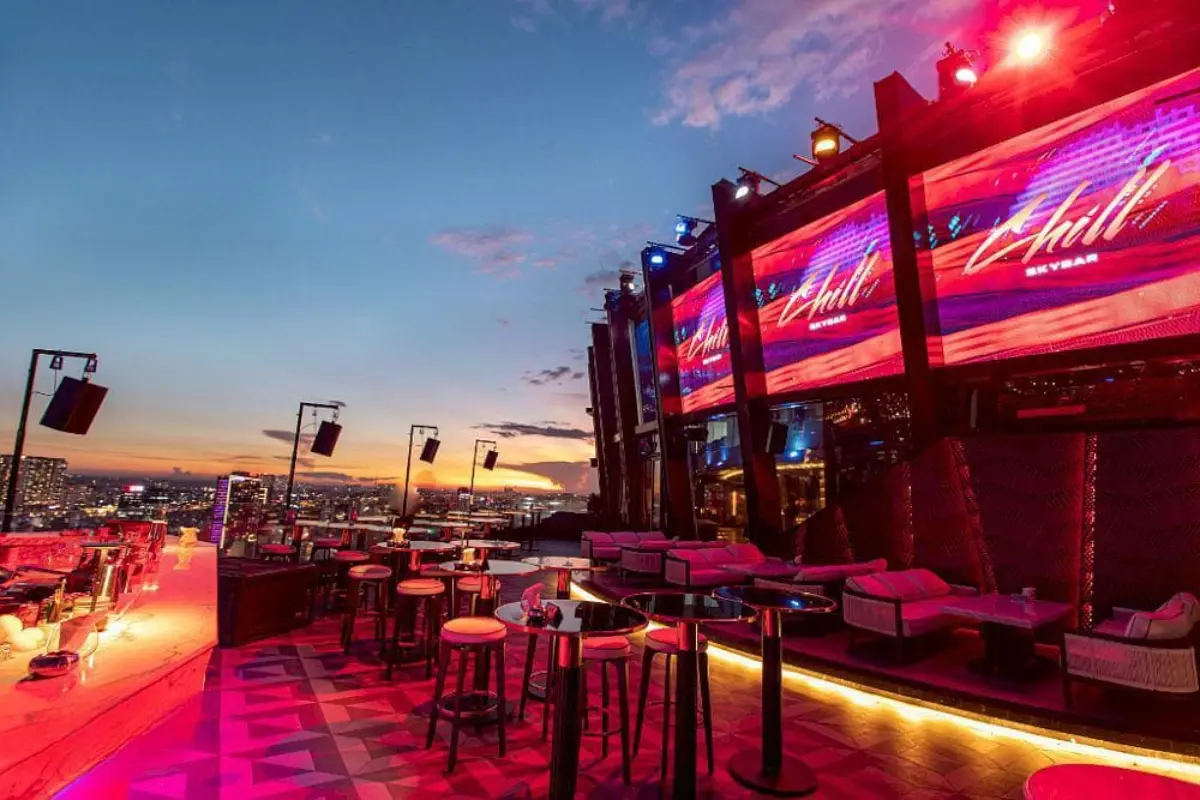
For panoramic views of the city, head to the 49th floor of the Bitexco Tower. The Skydeck offers 360-degree views, and there’s a helipad and a cinema. Sunset is the most magical time — watch the city light up below.
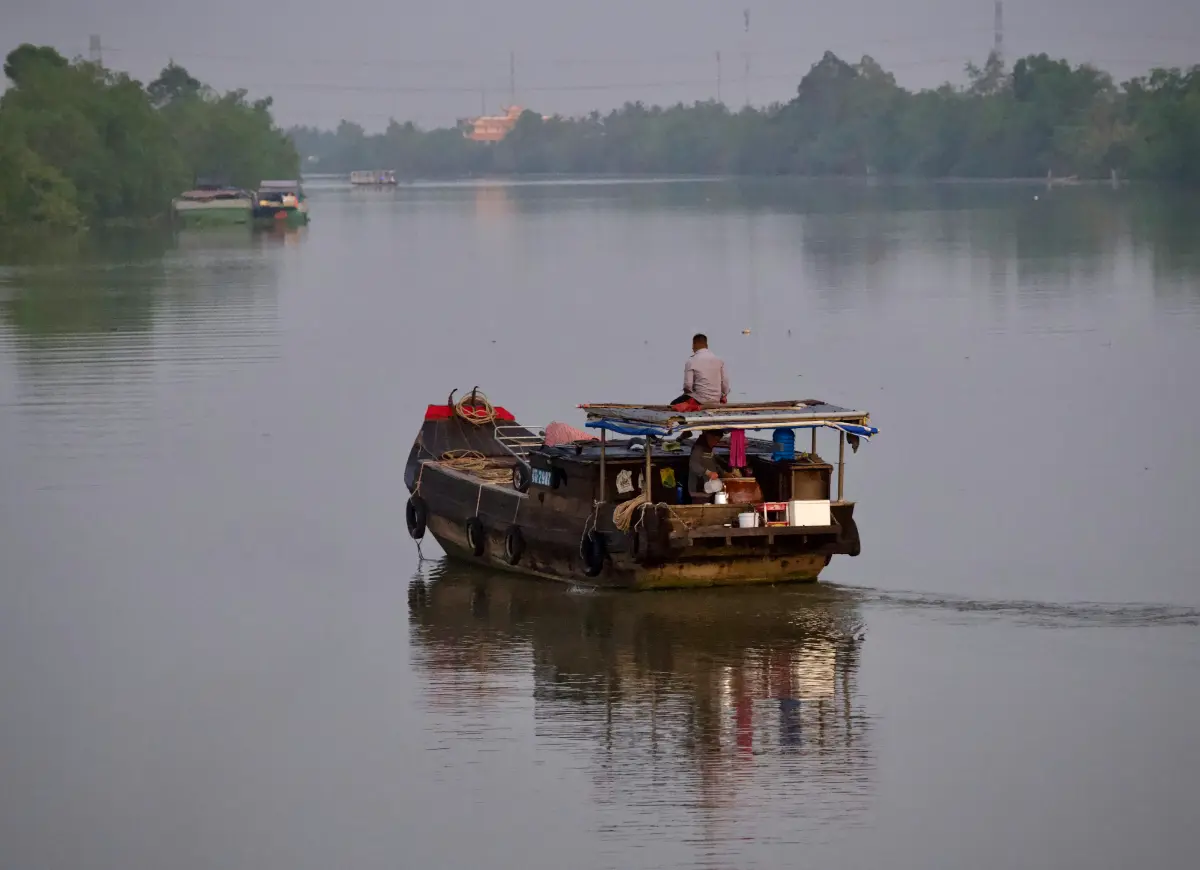
Saigon is the gateway to the Mekong Delta, the “rice bowl” of Vietnam. A day trip takes you to Ben Tre or My Tho, where you’ll cruise through narrow canals, visit coconut candy workshops, and enjoy fresh tropical fruit. For a deeper experience, consider an overnight stay in Can Tho to see the floating markets at dawn.



Vietnamese Dong (VND) is the main currency. High‑end hotels and restaurants accept credit cards, but street food, markets, and taxis require cash. ATMs are everywhere.
Saigon is generally safe, but beware of phone and bag snatching, especially on motorbikes. Keep valuables out of sight. Bargain politely at markets. When crossing the street, walk slowly and steadily — do not stop or run.
Free Wi‑Fi is widely available. For reliable internet on the go, buy a local SIM card at the airport (Viettel or Vinaphone) for ~$5–10 with generous data.
Yes, Saigon is generally safe. The most common issue is petty theft (phone/bag snatching). Keep your belongings secure, avoid using your phone on the roadside, and wear cross‑body bags. Violent crime is rare.
District 1 is the best choice. The area around Dong Khoi Street and the Saigon River is home to the city’s finest hotels, including The Reverie Saigon, Park Hyatt Saigon, and Sofitel Saigon Plaza. It’s central, safe, and walkable.
2 days is enough for the main highlights. 3–4 days allows you to add a day trip to Cu Chi Tunnels and the Mekong Delta. Many travelers also use Saigon as a base to explore the Mekong region further.
Absolutely. It’s one of the most compelling historical sites in Vietnam. A half‑day trip is very popular. For a less crowded experience, book a private morning tour (arriving before 9:00 AM).
Phở (noodle soup), Bánh Mì (sandwich), Cơm Tấm (broken rice with grilled pork), Hủ Tiếu (noodle soup with seafood), and Bò Lá Lốt (grilled beef in betel leaves). Also try Vietnamese coffee (cà phê sữa đá) and fresh sugarcane juice (nước mía).
Saigon offers great value. Street food meals cost $2–5, while a luxury dinner at a top restaurant is $40–80 per person. Five‑star hotels range from $150–400 per night. Compared to Western cities, it’s very affordable.
Most nationalities require an e‑visa (apply online, ~$25). Some countries are visa‑exempt for short stays. Check with your local embassy or let Indochine Chic assist you.
The most convenient way is a private day trip by car (1.5–2 hours to My Tho or Ben Tre). Luxury speedboats are also available (2 hours to Ben Tre). Many tours include hotel pickup.
In tourist areas, hotels, and upscale restaurants, English is common. In local markets and smaller eateries, it’s limited. Learning a few Vietnamese phrases (Xin chào – hello, Cảm ơn – thank you) is appreciated.
Walk slowly and steadily, maintaining a constant pace. Do not stop, run, or step back. Motorbikes will flow around you. Use pedestrian overpasses on major boulevards. With practice, it becomes second nature.
Ho Chi Minh City pulses with energy — a city of contrasts where history meets modernity, and every street tells a story. With Indochine Chic, your journey through Saigon will be seamless, insightful, and unforgettable.