Indochine Chic | Luxury <a href="https://indochinechic.com/travel-with-andy-nguyen/">Travel</a> Experts – Vietnam, Laos, Cambodia
Local Etiquette in Indochina | Vietnam, Laos, Cambodia Cultural Guide | Indochine Chic

Local Etiquette in Indochina: Cultural Dos and Don’ts for Vietnam, Laos and Cambodia

Respecting local customs is the key to authentic and meaningful travel. This comprehensive guide by Indochine Chic covers greetings, temple etiquette, dining manners, tipping, gift‑giving, and everyday cultural norms in Vietnam, Laos, and Cambodia.
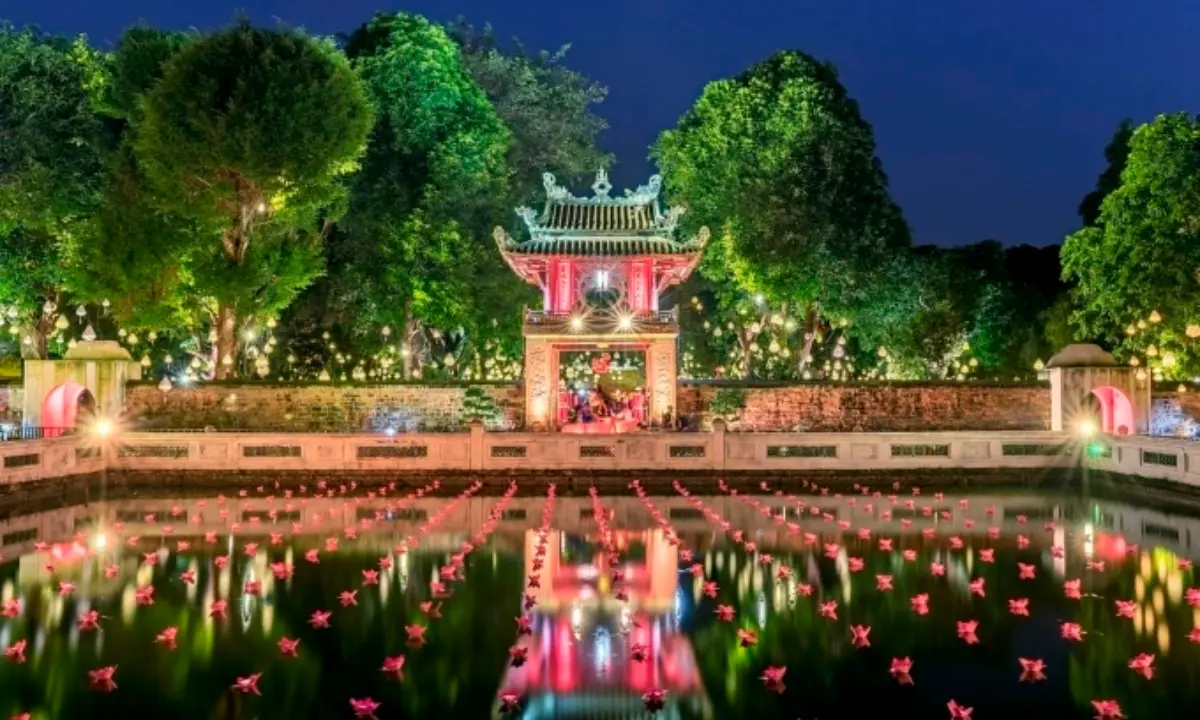
Temple of Literature in Hanoi – a place to learn about Vietnamese culture and etiquette
The Temple of Literature, Hanoi – a symbol of respect for knowledge and tradition

1. Why Etiquette Matters in Indochina

Vietnam, Laos, and Cambodia are deeply rooted in Buddhist traditions, Confucian values, and strong family bonds. Politeness, humility, and “saving face” are central to daily interactions. As a visitor, showing cultural awareness not only earns you respect but also opens doors to genuine hospitality and meaningful connections.

One overarching rule: observe and follow the lead of locals. When in doubt, err on the side of being more formal and respectful.

2. Greetings & Body Language

Vietnam

A slight bow of the head combined with a handshake is common, especially in business settings. For elders or monks, put both hands together in a prayer‑like gesture (like the Thai wai) and bow slightly. Use proper titles: “Chào anh” (hello older brother), “Chào chị” (hello older sister).

Laos

The traditional Lao greeting is the nop (hands pressed together at chest level) accompanied by a slight bow. The higher the hands, the more respect. Avoid touching the head or pointing feet at people or sacred objects.

Cambodia

The sampeah is the standard greeting – palms together, fingers pointing upward, and a bow. The higher the hands and lower the bow, the more respect shown. Handshakes are acceptable with foreigners but wait for the local to initiate.

Universal Body Language Tips

Never touch someone’s head (it’s considered the most sacred part of the body). Never point with your feet or show the soles of your shoes to others. Avoid public displays of affection, especially in rural areas. Use both hands when giving or receiving items, especially money or gifts.

Tiny tip: In all three countries, a warm smile goes a long way. It’s the universal ice‑breaker and a sign of friendliness and respect.

3. Temple & Pagoda Etiquette

Buddhist temples and pagodas are sacred places. Proper behavior is essential.

Dress Code

  • Cover your shoulders and knees (no tank tops, short shorts, or mini‑skirts).
  • A scarf or sarong can be used to cover up – many temples provide them at the entrance.
  • Remove shoes before entering any temple building.
  • Leave hats on (inside temples, hats are not offensive but usually removed as a sign of respect).

Behavior

  • Speak quietly; avoid loud laughter or boisterous behavior.
  • Do not point your feet toward Buddha statues or monks.
  • Sit with your legs folded to the side if sitting on the floor.
  • Do not climb or touch Buddha statues.
  • Women should never touch a monk or hand something directly to a monk (place it on a cloth or table).

4. Dining & Table Manners

General Dining Customs

Wait to be seated. In a group, let the eldest or highest‑ranking person start eating first. When sharing dishes, use the serving chopsticks or the opposite end of your chopsticks to take food. Avoid sticking chopsticks vertically into a bowl of rice (it resembles incense for the dead).

Vietnam

Hold chopsticks in your dominant hand, rice bowl in the other. Burping is considered rude. Slurping noodles is acceptable. When offered a drink, it’s polite to accept and take a small sip before returning the glass.

Laos

Lao meals are often eaten with the right hand (sticky rice is rolled into small balls). If using utensils, use fork in left hand (to push food) and spoon in right hand (to eat). Never use a fork to bring food to your mouth.

Cambodia

Similar to Laos: fork and spoon (fork pushes, spoon eats). When dining in a home, leave a little food on your plate to show you are full; finishing everything implies you are still hungry.

5. Tipping & Money Etiquette

Tipping in Vietnam

  • Tipping is not mandatory but appreciated.
  • Restaurants: 5‑10% for good service, especially in tourist areas.
  • Guides and drivers: $5‑10 per day for private tours.
  • Hotel porters: $1‑2 per bag.

Tipping in Laos

  • Similar to Vietnam; not expected but welcomed.
  • Restaurants: round up the bill or leave 5‑10%.
  • Tour guides: $3‑5 per day.

Tipping in Cambodia

  • More common due to higher tourism volume.
  • Restaurants: 10% if service charge not included.
  • Drivers and guides: $5‑10 per day.
  • Always tip in local currency (Riel) or US dollars (small bills).

Money Etiquette

Always use both hands when giving or receiving money, especially in rural areas. Avoid counting money publicly. Keep small denominations for markets and tips.

6. Gift‑Giving Customs

When Visiting a Home

A small gift is appreciated: fruit, sweets, tea, or flowers. Avoid handkerchiefs (associated with funerals) and sharp objects (knives imply cutting ties). Wrap gifts in colorful paper – red and gold are lucky, white and black are funerary.

General Rules

Present gifts with both hands. The recipient may not open the gift immediately (to avoid appearing greedy). For monks, place the gift on a table or cloth – never hand it directly.

7. General Dos and Don’ts Across Indochina

Do

  • Smile and be polite.
  • Dress modestly when visiting temples or rural areas.
  • Ask permission before photographing people, especially monks and ethnic minorities.
  • Remove shoes before entering homes and temples.
  • Use your right hand for eating and giving/receiving items.
  • Learn a few basic phrases: “Xin chào” (hello in Vietnamese), “Sabaidee” (Laos), “Sua s’dei” (Cambodia).

Don’t

  • Touch anyone’s head.
  • Point your feet at people, monks, or Buddha images.
  • Publicly criticize the monarchy, government, or religion.
  • Lose your temper – “saving face” is crucial.
  • Engage in public displays of affection (kissing, hugging).
  • Step over someone or their belongings.

8. Country‑Specific Etiquette Highlights

Vietnam

Avoid direct criticism or confrontation. Vietnamese people value harmony. When addressing someone, use the appropriate kinship term (anh/chị for older, em for younger). Remove shoes before entering any home. At restaurants, wait to be seated.

Laos

Laos is extremely laid‑back, but never show disrespect to Buddhist monks. Women should avoid touching monks. When sitting, do not cross your legs in front of elders. In traditional homes, men and women may sit on opposite sides of the room.

Cambodia

The head is sacred, the feet are lowly. Never point your feet at anyone. When sitting, keep your feet flat on the floor. Apologizing and showing remorse is highly valued. Do not touch a monk under any circumstances.

9. Recommended Tours for Your Indochina Journey

Now that you know how to behave respectfully, let Indochine Chic guide you through the most immersive cultural experiences.

Vietnam Highlight Tours

Halong Bay cruise
Vietnam Heritage & Halong Bay Cruise
8 days / 7 nights
Hanoi – Halong Bay – Hue – Hoi An – Saigon. Luxury junk cruise, private guides.
Explore tour →
Nha Trang beach
Vietnam Beach & Mountain Escape
10 days / 9 nights
Hanoi – Sapa trekking – Nha Trang – Saigon. Combines culture and resort.
Explore tour →
Mekong Delta
Mekong Delta & Southern Charms
5 days / 4 nights
Saigon – Ben Tre – Can Tho – Cai Rang floating market. Private boat, cooking class.
Explore tour →

Laos Highlight Tours

Luang Prabang
Laos Heritage & Mekong Discovery
6 days / 5 nights
Luang Prabang – Pak Ou Caves – Kuang Si Falls – Mekong cruise.
Explore tour →
Vang Vieng
Laos Hidden Gems & Nature Escape
7 days / 6 nights
Vientiane – Vang Vieng – Nam Et-Phou Louey. Kayaking, trekking, wildlife.
Explore tour →
Mekong boat
Mekong Slow Boat & Hill Tribes
5 days / 4 nights
Huay Xai – Pakbeng – Luang Prabang. Two‑day cruise, homestay.
Explore tour →

Cambodia Highlight Tours

Angkor Wat
Angkor Wat & Royal Cambodia
5 days / 4 nights
Siem Reap – Angkor – Tonle Sap – Phnom Kulen. Private guide, sunrise.
Explore tour →
Phnom Penh
Cambodia Beach & Island Retreat
6 days / 5 nights
Phnom Penh – Sihanoukville – Koh Rong. Speedboat, beachfront resort.
Explore tour →
Mekong Cambodia
Mekong River & Floating Villages
4 days / 3 nights
Phnom Penh – Kampong Cham – Kampong Chhnang. Private riverboat.
Explore tour →

10. Frequently Asked Questions about Local Etiquette in Indochina

1. Is it okay to take photos of monks?

Yes, but always ask permission first. Avoid using flash and never pose with monks in an inappropriate way.

2. Can I wear shorts to a temple?

No, both men and women should cover their knees. Long pants or skirts are required. Some temples are stricter than others.

3. Is it rude to leave food on my plate?

In Cambodia and Laos, leaving a little food shows you are full. In Vietnam, finishing everything is polite. When in doubt, watch what locals do.

4. Do I need to learn the local language?

Not necessary, but learning a few basic greetings (hello, thank you, sorry) is greatly appreciated and shows respect.

5. How do I address a monk?

Address all monks as “Venerable Sir”. Never touch a monk, especially if you are a woman. Give offerings by placing them on a cloth or table.

6. Is it acceptable to bargain?

Bargaining is expected in markets, but do so politely with a smile. Don’t bargain aggressively – the price difference is often small.

7. Can I hold hands in public?

Holding hands is generally acceptable in cities, but kissing and hugging in public is considered inappropriate, especially in rural areas.

8. What should I do if I accidentally touch someone’s head?

Apologize immediately with a slight bow and the prayer‑like gesture. The person will likely forgive you, but avoid repeating.

9. Is tipping required in all restaurants?

No, but it’s appreciated. Many mid‑range and high‑end restaurants add a service charge. For local eateries, rounding up is sufficient.

10. Can I enter a temple during a ceremony?

Yes, but remain quiet and respectful. Do not walk in front of monks or people who are praying. Sit at the back if possible.

© 2026 Indochine Chic — The Art of Refined Exploration. All rights reserved.

Free Tour plan & Quote... inbox

Travel Activities and Experiences

travel-tour

Travel Services

location_cruise

Cruise Booking

location_hotel_red

Hotel Booking

location_tour

Customize Service

Custom Tour Enquiry | Vietnam · Laos · Cambodia · Thailand | Asia Travelmates
Tailor-made journeys | Explore beyond borders

Custom Tour Enquiry — Indochina & Beyond

Vietnam · Laos · Cambodia · Thailand · Myanmar · Malaysia
Share your dream itinerary, and Kristal — our travel curator — will craft your private adventure.

Your details
Approximate start date — we are flexible!
Countries you wish to explore
Select any combination — we specialize in multi-country itineraries.
Tell us the places that inspire you most.
Tailor-made preferences
Special touches & requirements
The more details, the better we craft your unique adventure across Vietnam, Laos, Cambodia, Thailand and beyond.
Your information is safe. Kristal will reply within 24h with personalized suggestions. You can unsubscribe anytime.
Indochine Chic | Vietnam, Laos & Cambodia – Final Bargain Advantage

Vietnam · Laos · Cambodia

Expert connections to local tour operators, hotels, restaurants and cruises. Unlock 5–12% extra value with our Final Bargain Advantage.