Vietnam · Laos · Cambodia
Expert connections to local tour operators, hotels, restaurants and cruises. Unlock 5–12% extra value with our Final Bargain Advantage.

Timing is everything. The best time to visit Indochina depends on where you want to go, what you want to see, and how you want to experience the region. This comprehensive guide by Indochine Chic breaks down the weather, festivals, and travel conditions month by month for Vietnam, Laos, and Cambodia.
Indochina (Vietnam, Laos, Cambodia) has a tropical monsoon climate, but the timing and intensity of wet and dry seasons vary significantly by region. Unlike temperate countries with four distinct seasons, Indochina generally has two main seasons: dry (November to April) and wet (May to October). However, Vietnam’s long, narrow shape creates three distinct climate zones: north, central, and south. Laos and Cambodia are more uniform, but each has its own microclimates.
For the luxury traveler, the ideal window for a multi‑country Indochina itinerary is typically November to February, when the weather is cool and dry across most of the region. That said, savvy travelers can find excellent conditions year‑round by focusing on specific destinations.
Best for most of Indochina. Cool temperatures in the north (Vietnam, Laos), warm and sunny in the south (Cambodia, southern Vietnam). Low humidity, little rain, perfect for sightseeing, cruising, and outdoor activities.
High humidity, frequent afternoon showers. However, landscapes are lush and green, waterfalls are at their fullest, and there are fewer tourists. Some activities (e.g., Halong Bay cruises) are still enjoyable with flexible planning.
Vietnam stretches over 1,600 km from north to south, so the weather varies dramatically. The best time to visit depends on which regions you plan to see.
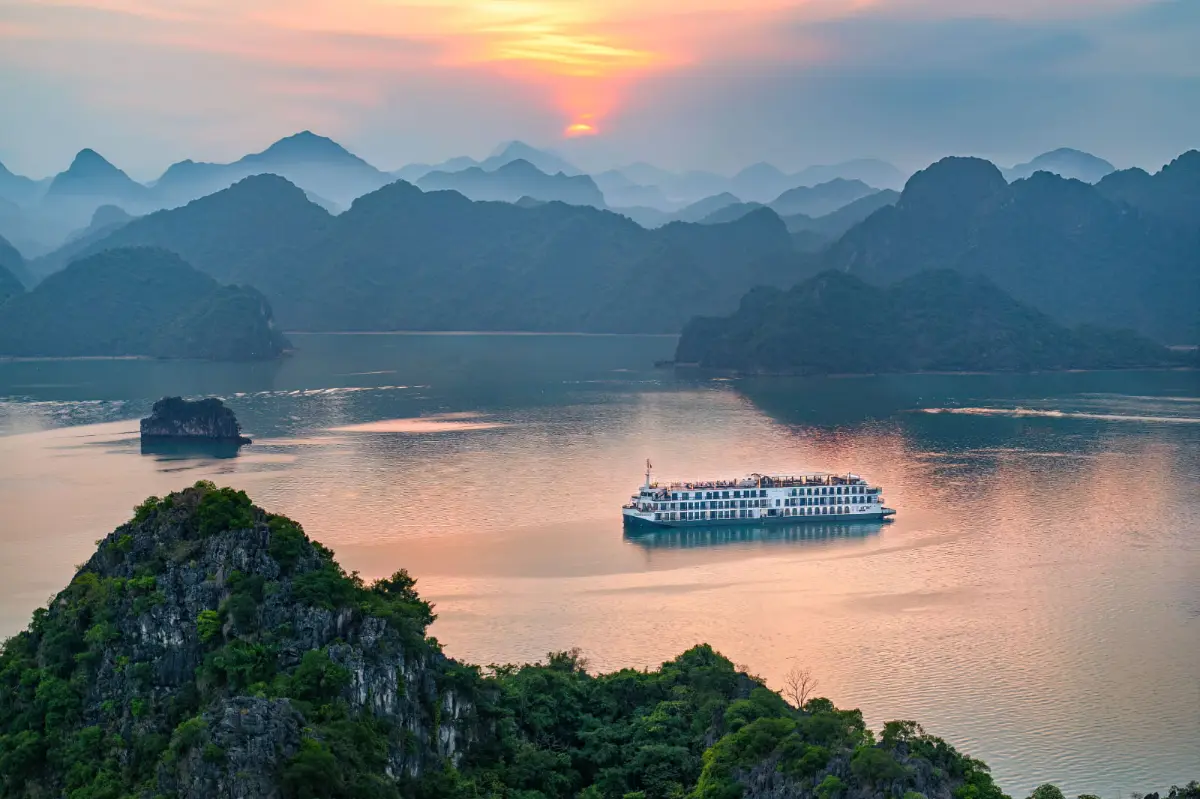
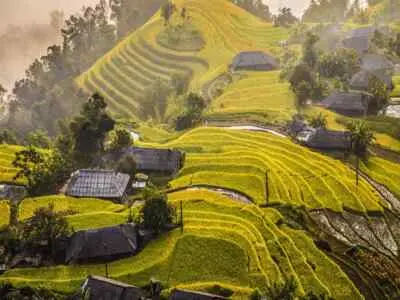
Best months: October to April. The dry season brings cool, pleasant weather. October to December is crisp and sunny, perfect for Halong Bay cruises. January to March can be cool (15–20°C) and occasionally misty — the mist gives Halong Bay a mystical atmosphere. Summer (May to August) is hot and humid with frequent rain, but Sapa is lovely in June–August for trekking (green rice terraces).
Best months: February to August. This region has a more complex pattern. The dry season runs from February to August, with hot, sunny weather ideal for beach resorts (Nha Trang, Da Nang). September to January is the rainy season, with typhoons possible in October–November. Hoi An can flood during these months, so avoid if possible.
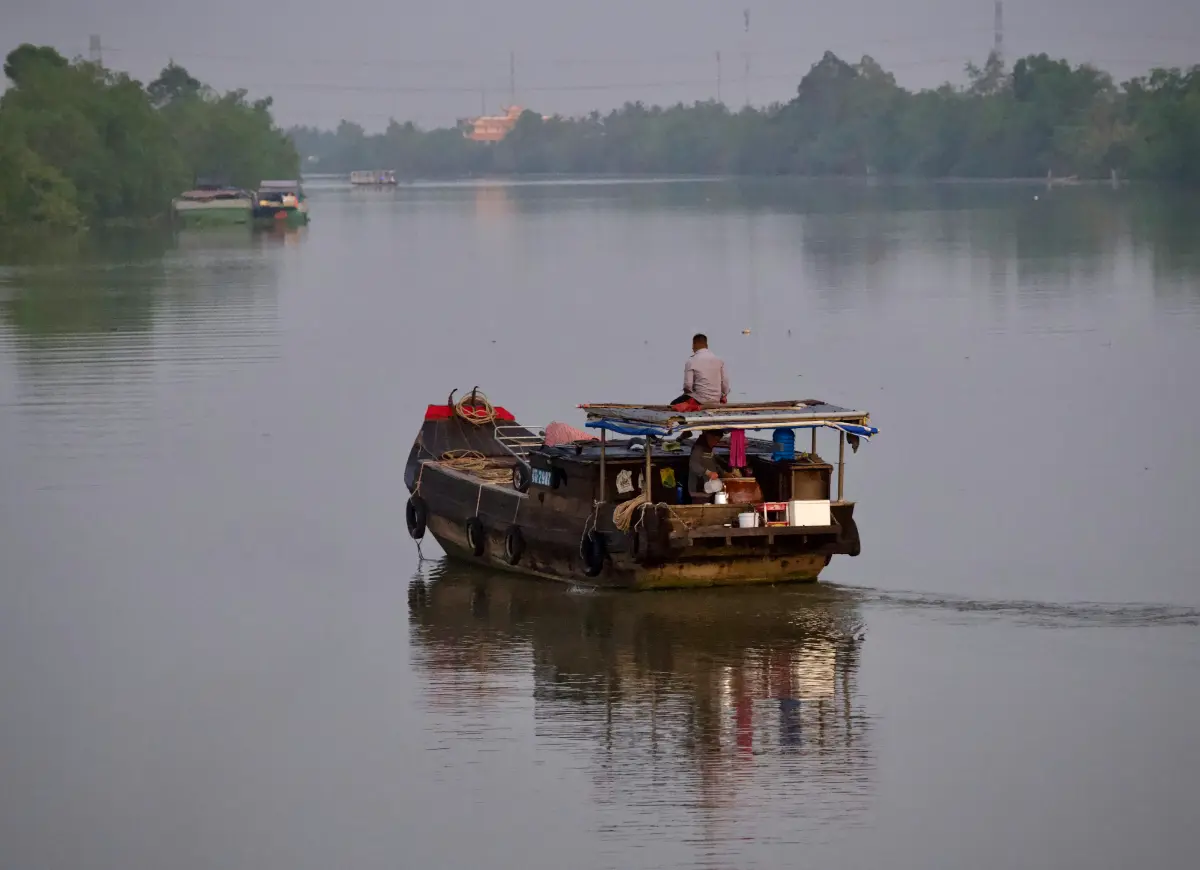
Best months: December to April. The south has a simpler tropical climate: dry season (December–April) with hot, sunny days, and wet season (May–November) with afternoon downpours. The Mekong Delta is accessible year‑round, but floating markets are busiest in the dry season. Phu Quoc island is best from November to April.
| Region | Best Time | Weather Conditions |
|---|---|---|
| North (Hanoi, Halong, Sapa) | Oct – Apr | Cool, dry, sunny; misty in Jan–Feb |
| Central (Hue, Hoi An, Nha Trang) | Feb – Aug | Hot, sunny; rainy Sep–Jan |
| South (Saigon, Mekong, Phu Quoc) | Dec – Apr | Hot, dry; wet May–Nov |
Laos has a tropical monsoon climate with two main seasons: dry (November to April) and wet (May to October). The dry season is further divided into cool (November–February) and hot (March–April).
Our recommendation: For the quintessential Laos experience, visit between November and February. If you don’t mind heat and want to see the country at its greenest, consider September or October.
Cambodia has a tropical climate with two seasons: dry (November to May) and wet (June to October). The dry season is split into cool and hot periods.
Our recommendation: For Angkor Wat and general sightseeing, visit between November and February. If you want to experience Cambodian New Year (mid‑April) and don’t mind the heat, plan accordingly with early morning temple visits.
October to April: clear skies, calm seas. Avoid September–October (typhoon risk). Winter (Dec–Feb) is cooler but still enjoyable.
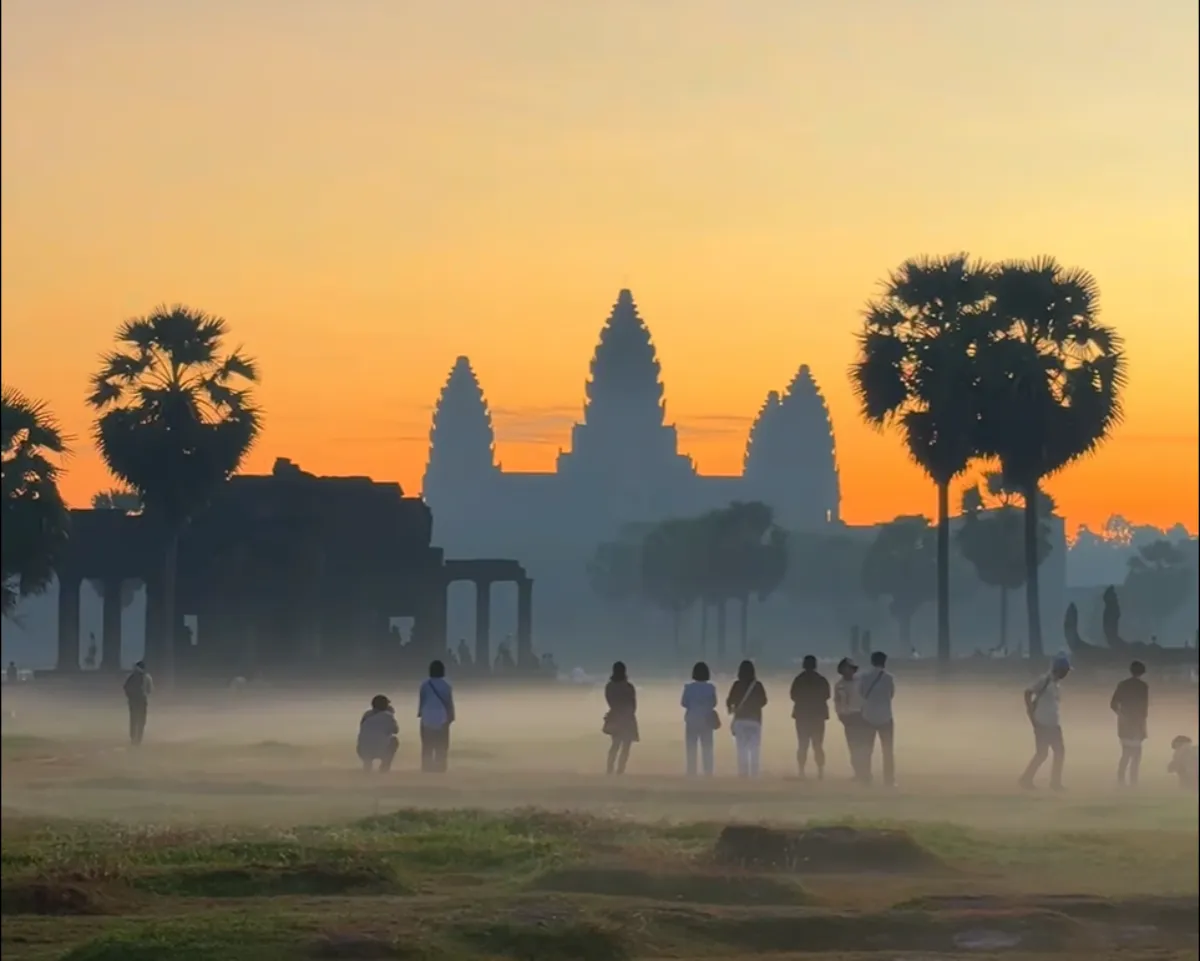
November to February: cool, dry, perfect for sunrise. March–May is very hot. June–October is rainy but less crowded.
December to April: dry, comfortable for boat trips. Wet season (Aug–Oct) is lush and markets are active but expect rain.
March–May and September–November: mild weather, clear views. Avoid June–August (rain) and December–February (cold fog).
November to April: dry, sunny, calm seas. May–October is rainy season; some islands close.
November to February: cool, dry, perfect for alms ceremony and Kuang Si Falls. March–April is very hot.
To help you plan your perfect Indochina journey, Indochine Chic has curated three signature tours for each country. Each tour is designed to showcase the best of the destination while aligning with the optimal travel seasons mentioned above.


November to February is the sweet spot. You’ll experience cool, dry weather in Hanoi and Luang Prabang, warm sunshine in Angkor, and perfect beach conditions in Phu Quoc.
Visit in May (early wet season) or September (late wet season). You’ll still get good weather in some regions, especially southern Vietnam and Cambodia.
Wet season (June–October) offers the lowest hotel rates and flight prices. You’ll also have many attractions almost to yourself.
December–February for clear skies and golden light. September–October for lush green rice paddies and dramatic clouds.
November. The rainy season has just ended, temperatures are pleasant (25–30°C), and skies are clear across Vietnam, Laos, and Cambodia. December is also excellent but more crowded.
Yes. Rain usually comes in short, heavy afternoon showers (1–2 hours). Mornings are often sunny. The landscapes are lush and green, and you’ll avoid crowds. Just pack a rain jacket and flexible plans.
September to November. This is the peak of the typhoon season, and Hoi An, Hue, and Da Nang can experience heavy flooding. Avoid unless you have flexible travel insurance.
April is the hottest month (35–40°C). If you go, start your temple tour at 5:00 AM, take a break from 11:00 AM to 2:00 PM, and resume in the late afternoon. Drink plenty of water. Many travelers still go for Cambodian New Year.
October to April. The water is calm, visibility is good, and you can enjoy the sundeck. March and April are particularly sunny. Avoid September and early October (typhoon risk).
Cool and dry, with daytime temperatures around 25°C and nights dropping to 12–15°C. Perfect for the alms ceremony and trekking. Bring a jacket for early mornings.
The terraced rice fields are most beautiful from mid‑September to early October, when the rice turns golden before harvest. The second best time is May–June, when the fields are flooded and reflect the sky.
Yes, but be prepared: many shops, restaurants, and museums close for 3–7 days. Transportation is packed as locals travel home. It is a wonderful cultural experience if you plan ahead and book well in advance.
December to April. The water levels are lower, making the smaller canals more accessible. Floating markets are at their busiest. The wet season (August–October) is also interesting if you want to see the delta at its most lush.
For luxury hotels and popular cruises, book 4–6 months ahead. For flights, 2–3 months ahead. For Tet, book at least 6 months in advance. Indochine Chic can assist with early reservations.
Choosing the right time to visit Indochina can transform a good trip into an unforgettable journey. With Indochine Chic, you’ll get expert advice on timing, tailored to your interests and travel style.