Ben Thanh Market: The Ultimate Guide to Saigon’s Iconic Marketplace
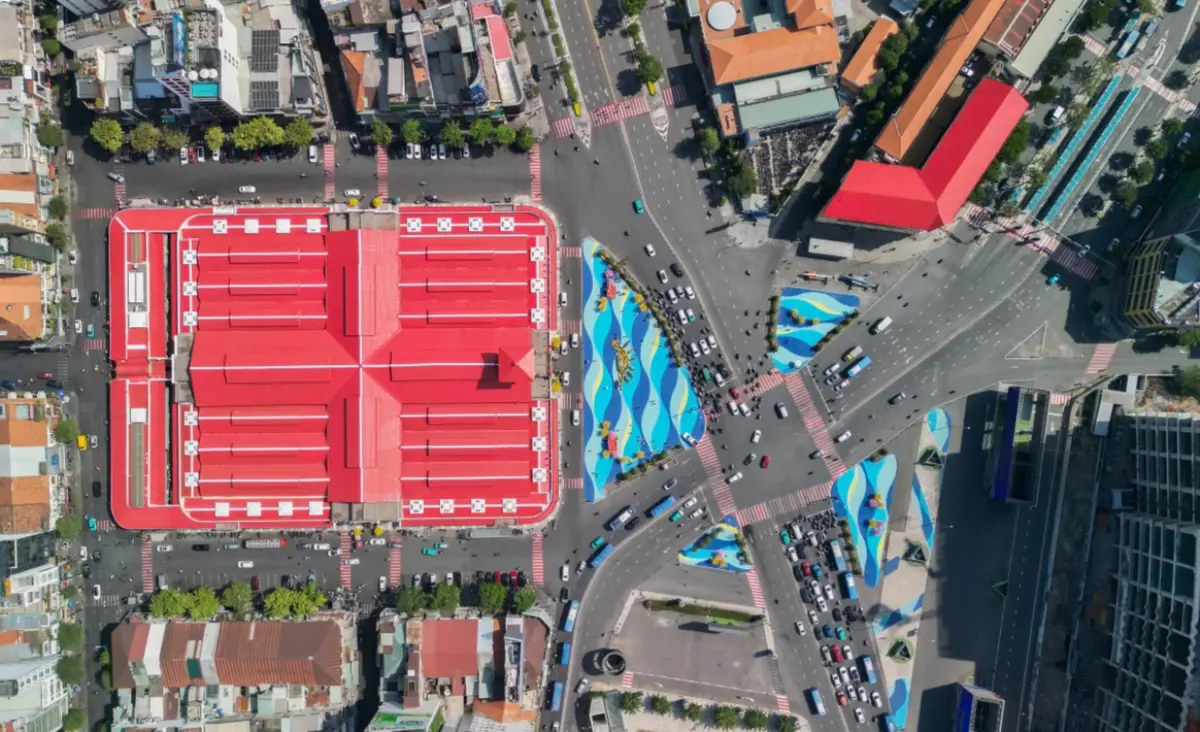
For over a century, Ben Thanh Market has been the beating heart of Saigon’s commercial life. Located in the center of Ho Chi Minh City’s District 1, this iconic marketplace is where locals shop for fresh produce, where tourists hunt for souvenirs, and where everyone comes to eat some of the city’s best street food. With its distinctive clock tower and French colonial architecture, Ben Thanh is more than a market — it’s a symbol of Saigon itself.
Whether you’re searching for authentic Vietnamese silk, bargaining for handmade crafts, or simply want to taste a steaming bowl of phở at dawn, Ben Thanh Market offers an unforgettable sensory experience. This guide by Indochine CHIC will help you navigate its bustling aisles, find the best food stalls, and shop like a local.
The original Ben Thanh Market was established by the French colonial government in 1870 near the Saigon River. The name “Ben Thanh” means “wharf of the citadel” — referring to the market’s original location near a military fort. That first market was a simple collection of wooden stalls, but it quickly became the commercial center of Saigon.
The current building was constructed between 1912 and 1914, designed by French architect Brossard and M. Labro. The structure is a beautiful example of French colonial architecture adapted to tropical conditions — with high ceilings, wide aisles, and large windows for ventilation. The most recognizable feature is the central clock tower, which has become an iconic symbol of Saigon. In 1985, the market underwent a major renovation, but the original facade and clock tower were preserved.
Ben Thanh Market covers over 13,000 square meters and contains thousands of stalls organized into broad sections. The layout can feel chaotic at first, but it follows a loose logic:
East Side (Le Loi Street entrance): Fresh produce — tropical fruits, vegetables, flowers, and herbs. This is where Saigon’s home cooks come for daily ingredients.
West Side (Phan Boi Chau Street entrance): Meat, seafood, and prepared foods. This section is particularly lively in the early morning.
North Side (Le Thanh Ton Street entrance): Dry goods — rice, noodles, spices, coffee, tea, and preserved foods.
South Side (Quach Thi Trang Square entrance): The main entrance with the clock tower. This area is filled with souvenir stalls selling T-shirts, silk, lacquerware, ceramics, and handicrafts.
Central Aisles: Clothing, shoes, handbags, and accessories. The clothing section includes both traditional ao dai and modern fashion.
Ben Thanh Market is a paradise for food lovers. The food section, concentrated on the western and northern sides, offers some of Ho Chi Minh City’s most authentic and affordable street food. Here are the must-try dishes:
Bún Thịt Nướng (Grilled Pork Noodles): Look for the stall near the Phan Boi Chau entrance. Grilled pork over vermicelli noodles with fresh herbs, peanuts, and fish sauce — a perfect lunch.
Phở (Noodle Soup): Several stalls serve excellent phở, especially in the early morning. The beef phở is traditional, but chicken is also available.
Bánh Xèo (Crispy Pancake): These sizzling yellow pancakes are stuffed with shrimp, pork, bean sprouts, and served with fresh greens and dipping sauce.
Gỏi Cuốn (Fresh Spring Rolls): Available at most food stalls — shrimp, pork, herbs, and rice noodles wrapped in translucent rice paper.
Cà Phê Sữa Đá (Vietnamese Iced Coffee): Don’t leave without trying this iconic beverage. Strong, sweet, and served over ice — the perfect energy boost for shopping.
Insider Tip: The best time to eat at Ben Thanh is early morning (6:00-8:00 AM) when the market is full of locals buying breakfast. The food is fresher, and you’ll experience the market at its most authentic before the tourist crowds arrive.
Bargaining is expected at Ben Thanh Market, especially in the souvenir sections. Here are some tips for successful negotiation:
Start by asking the price, then offer about 40-50% of that amount. The vendor will counter, and you’ll typically settle around 60-70% of the original asking price. Always smile and remain friendly — bargaining is a social interaction, not a confrontation. If you can’t agree on a price, simply say “cảm ơn” (thank you) and walk away. Often, the vendor will call you back with a better offer.
Exceptions to bargaining: The food stalls generally have fixed, reasonable prices. Fresh produce prices are also usually firm, especially early in the morning. And if a price seems too good to be true, it probably is — beware of counterfeit goods, especially brand-name clothing and electronics.
Visitor Information: Ben Thanh Market
Address: Le Loi Street, Ben Thanh Ward, District 1, Ho Chi Minh City
Opening Hours: Day market: 5:00 AM – 6:00 PM daily | Night market: 6:00 PM – 12:00 AM (street stalls outside the main building)
Best Time to Visit: 8:00-10:00 AM (fresh produce and fewer crowds) or 6:00-8:00 PM (night market atmosphere)
Payment: Cash only for most stalls (Vietnamese Dong preferred). Some larger souvenir stalls accept credit cards with a fee.
Pro Tip: Bring small bills — vendors rarely have change for large denominations. A money belt is recommended in crowded areas.
When the sun sets, the area surrounding Ben Thanh Market transforms into a vibrant night market. Stalls spill out onto the surrounding streets, selling street food, souvenirs, clothing, and accessories. The atmosphere is lively and energetic, with crowds of locals and tourists mingling under string lights.
The night market is particularly famous for its seafood stalls, where you can order grilled squid, prawns, clams, and other fresh catches prepared right in front of you. The night market is also a great place to find counterfeit brand-name goods, but quality varies significantly. For authentic Vietnamese products, stick to the day market inside the main building.
Vietnamese Silk: Look for stalls selling raw silk fabrics, ready-made ao dai, and silk scarves. Quality varies, so examine the fabric carefully.
Lacquerware: Vietnam is famous for lacquerware — decorative bowls, trays, vases, and wall art. Authentic pieces have multiple layers of lacquer and can be expensive.
Conical Hats (Non La): The iconic Vietnamese hat makes a great souvenir or photo prop. Prices range from 20,000-50,000 VND ($1-2 USD).
Coffee and Tea: Trung Nguyen coffee and lotus tea are excellent gifts. Look for sealed packages to avoid customs issues.
Spices: Pre-packaged spice mixes for phở, bun bo Hue, and other Vietnamese dishes are available. Check customs regulations before buying.
Combine your visit to Ben Thanh Market with nearby landmarks for a perfect half-day exploration. Start at the market at 8:00 AM for breakfast phở and coffee. Then walk 10 minutes to the Reunification Palace (open at 8:00 AM) for a tour of Vietnam’s modern history. From there, walk 10 minutes to Notre-Dame Cathedral and the Central Post Office. End your morning with lunch back at Ben Thanh Market. This route covers four of Saigon’s most important landmarks with minimal walking.
Ben Thanh Market is more than a tourist attraction — it is a living, working market that has served the people of Saigon for over a century. For visitors, it offers an authentic glimpse into Vietnamese daily life. The sights, sounds, and smells of the market — the vendors calling out prices, the sizzle of frying pancakes, the sweet scent of tropical fruit — create an experience that lingers long after you leave.
Whether you come to shop, eat, or simply wander, Ben Thanh Market is an essential part of any Saigon itinerary. It is loud, chaotic, hot, and overwhelming — and absolutely unforgettable.
The clock tower of Ben Thanh has witnessed a century of change — from French colonialism to Vietnamese independence, from war to peace, from a quiet river town to a bustling metropolis. Through it all, the market has endured, its aisles filled with the rhythm of daily life. To visit Saigon without experiencing Ben Thanh is to miss the city’s beating heart.