A Travel Guide Journey Through Siem Reap, Cambodia
Your Voyage into the Kingdom of Wonders, One Sacred Stone at a Time
Five legendary hotels, ancient temples wrapped in jungle roots, and the taste of lemongrass dawn. Indochine CHIC invites you to discover Siem Reap’s finest.
Siem Reap is not merely a town—it is a gateway to an empire carved from stone and spirit. Here, the colossal roots of silk-cotton trees embrace thousand-year-old temples, and monks in saffron robes bless the morning mist. For the discerning traveler, this city offers a rare alchemy: world-class hospitality woven seamlessly into the fabric of Khmer heritage. After years of curating journeys, Indochine CHIC brings you an intimate guide to the five most exceptional hotels and the experiences that will linger long after you’ve left the banks of the Siem Reap River. Let us lead you into the heart of Cambodia.
Arrival – The First Breath of Cambodia
The plane descends over a patchwork of emerald rice paddies, and I press my forehead to the cool window. Siem Reap International Airport is small and unhurried—a wooden pavilion that welcomes with the scent of frangipani. My driver holds a sign with my name, a gentle smile, and offers a cold, jasmine-scented towel. As we glide along National Road 6, the air thickens with humidity and the distant silhouette of Angkor Wat’s towers appears like a mirage. Tuk-tuks buzz past carrying monks and travelers alike. I roll down the window to taste the red dust, the incense, the promise. This is not just a destination; it is a homecoming.
1. Amansara – The Royal Retreat
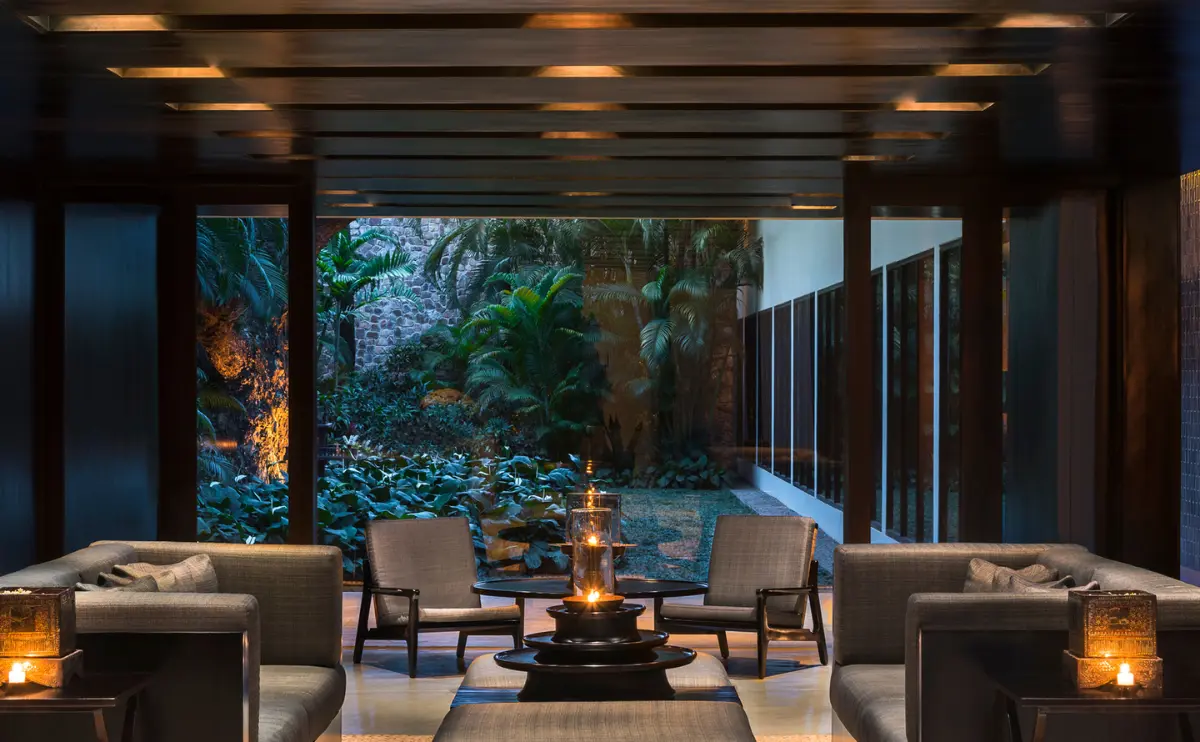
I step through the low-slung gates of Amansara, once the guest villa of King Sihanouk, and feel the hush of royalty. Designed as a minimalist sanctuary, it comprises 24 suites arranged around a central courtyard where lotus blossoms float in black stone pools. My suite is all creamy sandstone and dark timber, with a private courtyard garden and a pool fed by a hidden waterfall. The service is intuitive—a butler appears with chilled ginger tea before I ask. Mornings begin with sunrise over Angkor Wat, reached by vintage Mercedes. Afternoons are for Khmer massages in the spa, followed by dinner under the stars. Amansara is not a hotel; it is a whispered conversation with Cambodia’s soul.
King Sihanouk’s former villa reborn as an ultra-private sanctuary. Intuitive service, vintage Mercedes, and pure Khmer tranquility.
2. Raffles Grand Hotel d’Angkor – Colonial Icon
The grand staircase of Raffles sweeps upward like a scene from another century. Built in 1932, this is the grande dame of Siem Reap, where Charlie Chaplin once sipped a Singapore Sling. I sink into a wicker armchair in the Elephant Bar, the ceiling fans rotating lazily above. My room is a tribute to Art Deco elegance: four-poster bed, black-and-white tiled floors, a balcony overlooking the pool. The hotel’s Apsara Terrace stages traditional dance performances as the sun sets. I spend an afternoon in the museum-worthy library, then indulge in the legendary afternoon tea. Raffles is for those who believe luxury should be steeped in history.
Colonial grandeur since 1932. Art Deco elegance, legendary Elephant Bar, and timeless service. Raffles is history reimagined.
3. Shinta Mani Shack – Contemporary Soul
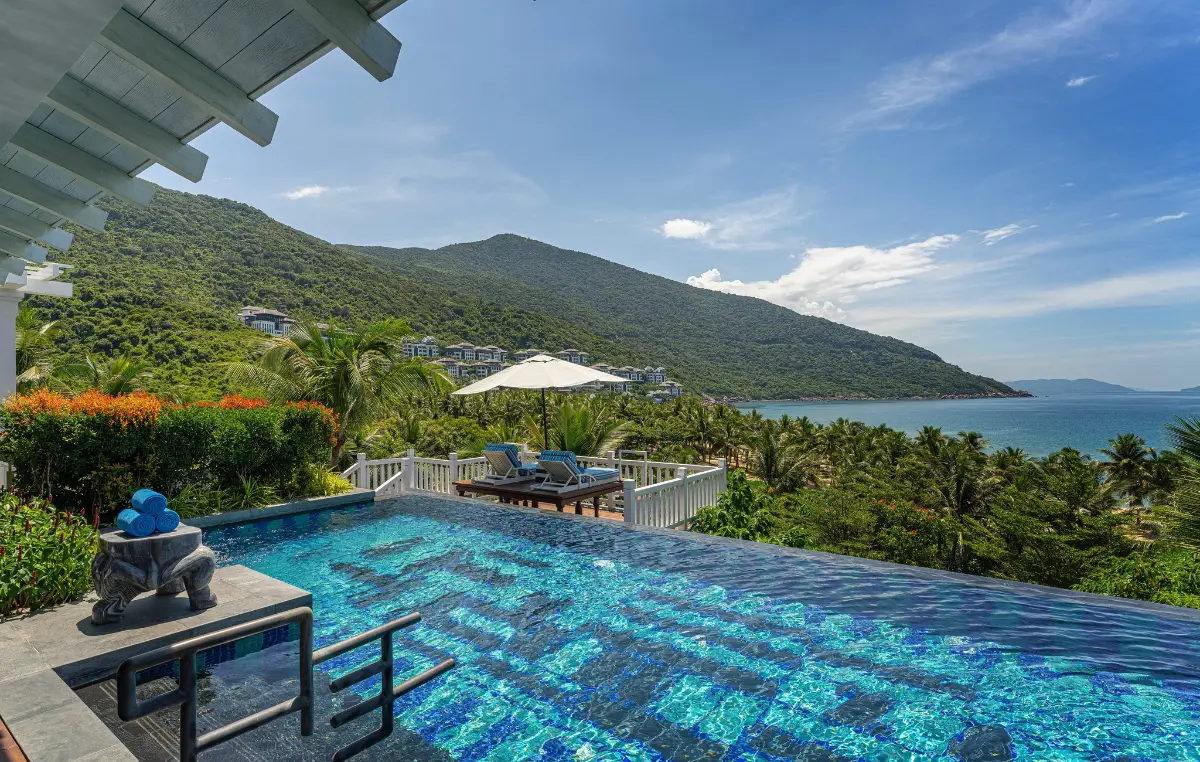
In the heart of the French Quarter, Shinta Mani Shack buzzes with a creative energy that feels both modern and deeply Cambodian. Designed by architect Bill Bensley, it marries industrial-chic concrete with lush tropical gardens. My room opens onto a private plunge pool, the walls adorned with local art. The property is renowned for its community initiatives—a cooking school that trains local youth, a foundation that builds wells. I dine at Kroya Restaurant, where Khmer flavors are reimagined with flair: fish amok served in a young coconut, beef lok lak with Kampot pepper. Shinta Mani is for the traveler who wants luxury with a conscience.
Bill Bensley-designed boutique with community soul. Modern Khmer cuisine, lush gardens, and a commitment to giving back.
4. Phum Baitang – Rustic Rice Paddy Retreat
I arrive at Phum Baitang (“the village”) and the world softens. Forty-five wooden villas rise on stilts over eight hectares of emerald rice paddies, each a homage to traditional Cambodian architecture. My villa has a thatched roof, a private terrace with a sunken bathtub, and a garden where dragonflies dart. The spa, a traditional Khmer salas, offers treatments using local ingredients like turmeric and lemongrass. I cycle through the grounds at dawn, past water buffalo grazing under palm trees. The farm-to-table restaurant, Bay Phsar, serves dishes harvested from the property’s own gardens. Phum Baitang is an ode to rural Cambodia, wrapped in five-star comfort.
Thatched villas nestled in rice paddies. Rustic elegance, organic gardens, and a spa that celebrates Khmer traditions.
5. Viroth’s Hotel – Sleek Minimalist Hideaway
Viroth’s Hotel is a study in restraint: clean lines, whitewashed walls, and a central saltwater pool that glows turquoise under the Cambodian sun. Just a short stroll from the Old Market, it offers boutique luxury without pretension. My room is spacious with a balcony overlooking the garden; the bed is draped in crisp white linen, and the bathroom features a rain shower open to the sky. The staff greets me by name and remembers my coffee order each morning. Evenings are spent sipping a glass of wine on the rooftop terrace as the city hums below. Viroth’s is for the modern traveler who values design, location, and effortless service.
Stylish minimalist boutique near the Old Market. Saltwater pool, rooftop terrace, and the epitome of contemporary chic.
The Experience – Three Days Among the Temples
Day One – Sunrise at Angkor Wat & The Grand Circuit
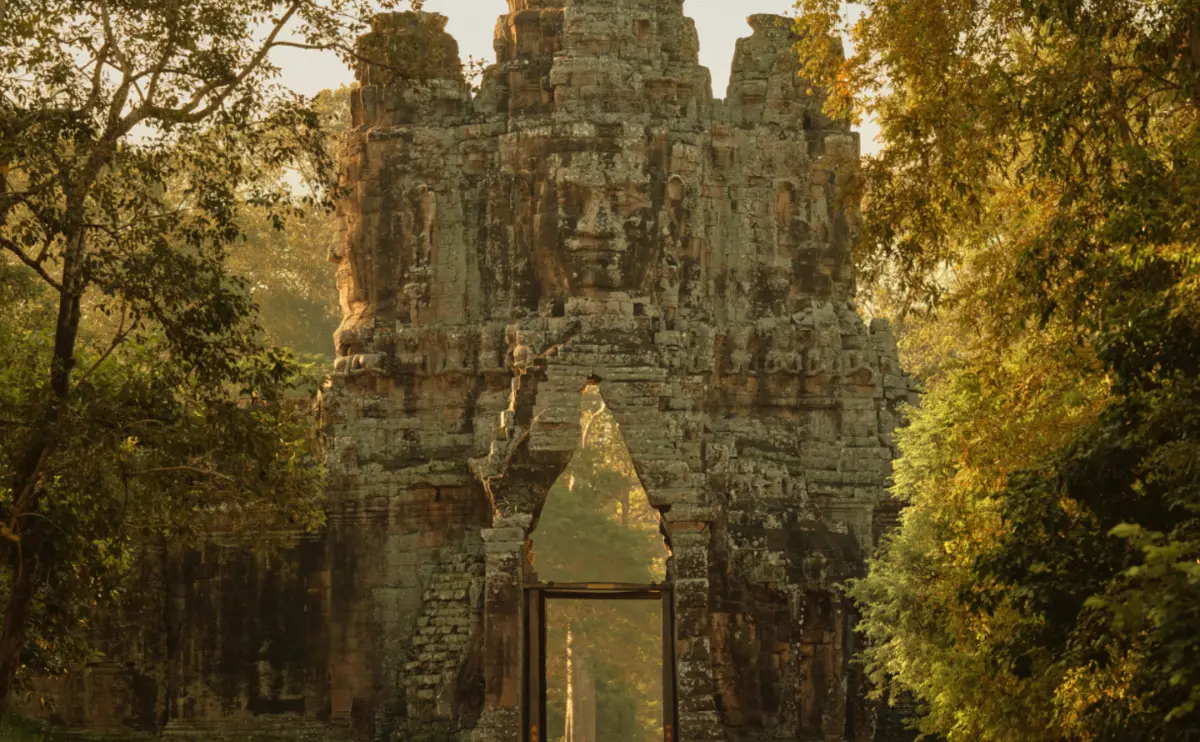
I rise at 4:30 AM, clutching a thermos of coffee. The tuk-tuk weaves through the dark, and soon I am standing before the lotus towers of Angkor Wat, reflected in a mirror of rainwater. As dawn spills gold and pink across the sandstone, I feel the weight of centuries. The day unfolds along the Grand Circuit: the enigmatic faces of Bayon, the jungle-clad Ta Prohm where roots strangle stone, and the quiet solitude of Preah Khan. I finish at sunset atop Phnom Bakheng, watching the plains below turn to amber.
I rise at 4:30 AM, clutching a thermos of coffee. The tuk-tuk weaves through the dark, and soon I am standing before the lotus towers of Angkor Wat, reflected in a mirror of rainwater. As dawn spills gold and pink across the sandstone, I feel the weight of centuries. The day unfolds along the Grand Circuit: the enigmatic faces of Bayon, the jungle-clad Ta Prohm where roots strangle stone, and the quiet solitude of Preah Khan. I finish at sunset atop Phnom Bakheng, watching the plains below turn to amber.
Dawn at Angkor Wat is a spiritual awakening. The faces of Bayon, the roots of Ta Prohm—each temple a chapter in an ancient epic.
Day Two – Banteay Srei & The Remote Temples
Today I venture 25 kilometers north to Banteay Srei, the “Citadel of Women,” a ruby-hued temple carved with the finest bas-reliefs in Cambodia. The journey through villages and countryside feels like stepping back in time. Afterward, I explore the massive pyramidal temple of Koh Ker and the remote Beng Mealea, where nature has reclaimed its throne. The road less traveled rewards with absolute solitude—I am often the only visitor among tumbling stones and birdsong.
Today I venture 25 kilometers north to Banteay Srei, the “Citadel of Women,” a ruby-hued temple carved with the finest bas-reliefs in Cambodia. The journey through villages and countryside feels like stepping back in time. Afterward, I explore the massive pyramidal temple of Koh Ker and the remote Beng Mealea, where nature has reclaimed its throne. The road less traveled rewards with absolute solitude—I am often the only visitor among tumbling stones and birdsong.
Banteay Srei’s pink sandstone carvings are masterpieces. Koh Ker and Beng Mealea offer jungle exploration without the crowds.
Day Three – Tonle Sap Lake & Floating Villages
I take a boat to Tonle Sap, the great lake that pulses with the monsoon. The floating village of Kampong Phluk astounds me: stilted houses, a flooded forest, and a school that floats. I meet a local family who harvests shrimp and hear stories of life on the water. The sun sets in a blaze of orange, and I return to Siem Reap with a deeper understanding of Cambodia’s watery heart.
I take a boat to Tonle Sap, the great lake that pulses with the monsoon. The floating village of Kampong Phluk astounds me: stilted houses, a flooded forest, and a school that floats. I meet a local family who harvests shrimp and hear stories of life on the water. The sun sets in a blaze of orange, and I return to Siem Reap with a deeper understanding of Cambodia’s watery heart.
Tonle Sap’s floating villages reveal a world on water. A humbling glimpse into the rhythm of life far from the temples.
The Flavors – Khmer Culinary Poetry
Upscale Romance: Cuisine Wat Damnak
Chef Joannès Rivière’s tasting menu at Cuisine Wat Damnak is a love letter to Cambodian ingredients. I sit in a colonial villa, the garden lit by lanterns, and am served five courses that weave through forgotten flavors: freshwater fish with prahok, Kampot pepper crab, and a dessert of palm sugar and coconut. Each dish is explained by a knowledgeable server, and I leave with a new respect for the sophistication of Khmer cuisine.
Chef Joannès Rivière’s tasting menu at Cuisine Wat Damnak is a love letter to Cambodian ingredients. I sit in a colonial villa, the garden lit by lanterns, and am served five courses that weave through forgotten flavors: freshwater fish with prahok, Kampot pepper crab, and a dessert of palm sugar and coconut. Each dish is explained by a knowledgeable server, and I leave with a new respect for the sophistication of Khmer cuisine.
A tasting menu that elevates Cambodian ingredients. Colonial setting, refined service. Cuisine Wat Damnak is culinary artistry.
Local Soul: The Old Market & Street Food
At night, the Old Market transforms. I join the locals on the pavement, pulling up a small plastic stool to savor a bowl of kuy teav (noodle soup) fragrant with star anise. Next, I try nom banh chok—Khmer rice noodles topped with a fish-based green curry, served by a grandmother who has made it for forty years. The flavors are bold, the atmosphere electric. A mango with chili salt ends the feast. This is where the real heart of Siem Reap beats.
At night, the Old Market transforms. I join the locals on the pavement, pulling up a small plastic stool to savor a bowl of kuy teav (noodle soup) fragrant with star anise. Next, I try nom banh chok—Khmer rice noodles topped with a fish-based green curry, served by a grandmother who has made it for forty years. The flavors are bold, the atmosphere electric. A mango with chili salt ends the feast. This is where the real heart of Siem Reap beats.
Saffron-scented noodles and midnight mango. The Old Market is the pulse of Siem Reap—authentic, vibrant, unforgettable.
Beyond the Main Sights – Living Traditions
Silk Weaving at Artisans d’Angkor
I spend a morning at Artisans d’Angkor, a social enterprise reviving traditional crafts. In a cool, open-air workshop, I watch women at looms weaving silk dyed with natural indigo and tree bark. The intricate patterns—hol, pidan—tell stories of Cambodian mythology. I try my hand at tying silk threads, my fingers clumsy next to their practiced grace. Later, I visit the woodcarving and stone carving ateliers. Every piece purchased here supports local communities and preserves endangered artistry.
I spend a morning at Artisans d’Angkor, a social enterprise reviving traditional crafts. In a cool, open-air workshop, I watch women at looms weaving silk dyed with natural indigo and tree bark. The intricate patterns—hol, pidan—tell stories of Cambodian mythology. I try my hand at tying silk threads, my fingers clumsy next to their practiced grace. Later, I visit the woodcarving and stone carving ateliers. Every piece purchased here supports local communities and preserves endangered artistry.
Watch master weavers revive centuries-old techniques. A meaningful way to support Cambodian craftsmanship and take home a piece of heritage.
Monk Blessing at a Pagoda
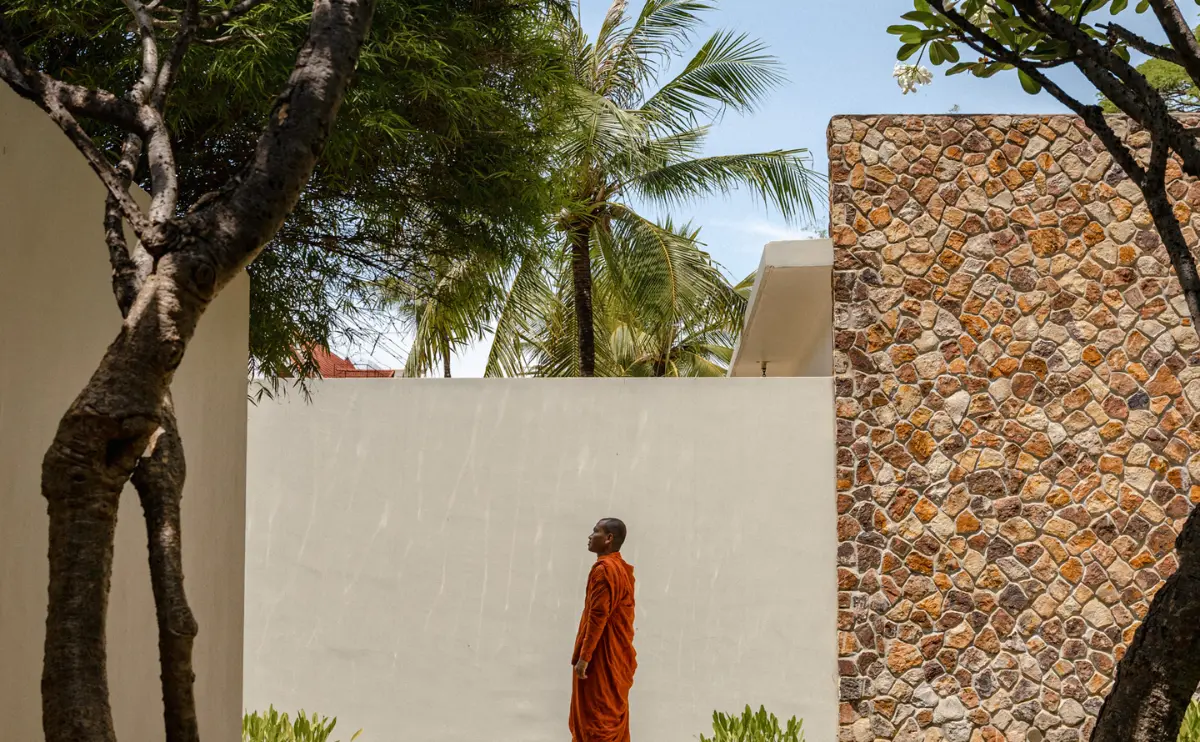
At a small pagoda on the outskirts of town, I sit cross-legged on the cool floor while three saffron-robed monks chant blessings. Incense curls upward; the sound of bells reverberates in my chest. They tie a sacred white string around my wrist for protection and sprinkle holy water. I offer them rice and fruit, and in return receive a quiet smile. It is a profound, humbling ritual that connects me to the spiritual heartbeat of Cambodia.
At a small pagoda on the outskirts of town, I sit cross-legged on the cool floor while three saffron-robed monks chant blessings. Incense curls upward; the sound of bells reverberates in my chest. They tie a sacred white string around my wrist for protection and sprinkle holy water. I offer them rice and fruit, and in return receive a quiet smile. It is a profound, humbling ritual that connects me to the spiritual heartbeat of Cambodia.
A private blessing ceremony in a serene pagoda. White strings, chanted prayers, and a moment of deep connection.
Departure – A Promise to Return
On my final morning, I watch the sun rise one last time, this time from the rooftop of my hotel. The temples seem to breathe in the distance, shrouded in mist. I pack my bags slowly, each souvenir—a silk scarf, a carved Apsara, a bag of Kampot pepper—carrying a story. At the airport, I pause to look back. Siem Reap has not just shown me its wonders; it has invited me into its rhythm. I know I will return. The road here is a circle, and the journey is never truly finished.
Indochine CHIC Essentials
Suggested 5-Day Itinerary
Day 1: Arrival & Old Market. Day 2: Angkor Wat sunrise & Grand Circuit. Day 3: Banteay Srei & remote temples. Day 4: Tonle Sap lake & silk village. Day 5: Spa & departure.
Day 1: Arrival & Old Market. Day 2: Angkor Wat sunrise & Grand Circuit. Day 3: Banteay Srei & remote temples. Day 4: Tonle Sap lake & silk village. Day 5: Spa & departure.
Best Time to Visit
November to February: cool, dry, ideal for temple exploration. March to May: hot but less crowded. June to October: green season, lush landscapes.
November to February: cool, dry, ideal for temple exploration. March to May: hot but less crowded. June to October: green season, lush landscapes.
What to Bring
Light cotton clothing, scarf for temple entry, comfortable walking shoes, sun hat, insect repellent, reusable water bottle, camera.
Light cotton clothing, scarf for temple entry, comfortable walking shoes, sun hat, insect repellent, reusable water bottle, camera.
Cultural Etiquette
Dress modestly at temples (shoulders and knees covered). Remove shoes before entering pagodas. Ask permission before photographing locals.
Dress modestly at temples (shoulders and knees covered). Remove shoes before entering pagodas. Ask permission before photographing locals.
Final Word from Indochine CHIC
Siem Reap is a destination that rewards the curious traveler with layers of history, culture, and heartfelt hospitality. Whether you sleep in a royal retreat or a rustic rice-paddy villa, the spirit of Cambodia will find you. May your journey be as profound as the ancient stones themselves.
— The Indochine CHIC Team