There are moments in travel that transcend the ordinary. Watching the sun rise over Angkor Wat is one of them. As the first rays of light ignite the five lotus towers and the reflection ripples across the ancient reservoir, time itself seems to pause. This is not merely a sunrise — it is a spiritual awakening, a connection to centuries of devotion, and a privilege shared by those who rise before dawn. Indochine CHIC presents the definitive guide to experiencing Angkor Wat at dawn, curated for the discerning traveler who seeks not just a photograph, but a profound memory.
The Experience – Awakening with the Gods
The alarm rings at 4:30 AM. The air is cool, carrying the scent of frangipani and damp earth. Your tuk-tuk driver waits with a warm smile, a flask of coffee, and a knowing silence — he has made this journey thousands of times, yet understands that for you, this is a first. The road to Angkor Wat is dark and quiet, punctuated only by the occasional glow of other headlights carrying pilgrims to the same sacred destination.
You arrive at the western entrance before 5:00 AM. A flashlight guides your steps across the ancient stone causeway that spans the moat. The silhouette of Angkor Wat emerges from the darkness — three towers, then five, rising against a sky still heavy with stars. You find your spot along the edge of the western reservoir, joining a silent congregation facing east. Then, the waiting begins.
“The first light touches the highest tower, and the stone seems to breathe. Slowly, the sky shifts from indigo to violet to amber. The lotus towers ignite like flames of gold, and for a moment, the world holds its breath.”
As dawn progresses, the reflection in the water becomes a mirror of heaven. The five towers, representing Mount Meru — the center of the universe in Hindu and Buddhist cosmology — appear suspended between earth and sky. This is the moment photographers wait for, pilgrims pray for, and travelers remember for a lifetime. After the sun rises fully, the crowds disperse, and you have the privilege of entering the temple while the morning light paints the bas-reliefs in soft gold.
The Best Viewing Spots – Where to Stand for Perfection
The Western Reservoir
The classic spot. Position yourself along the left side of the main causeway, near the edge of the water. This location offers the iconic reflection of all five towers in the reservoir. Arrive by 5:00 AM during peak season to secure a front-row spot. The water is stillest just before dawn, creating a perfect mirror.
The Northern Library
For a less crowded perspective, walk to the small stone library structure on the north side of the causeway. Here, you can frame the towers through ancient stone doorways, creating a dramatic composition that tells a story of time and eternity.
The Southern Edge
For solitude and a different angle, venture to the southern edge of the reservoir. The view is slightly oblique but offers the advantage of fewer crowds and the ability to capture the towers against the rising sun without human silhouettes in your frame.
Inside the Temple – Post-Sunrise
After the sun has risen, most visitors depart for breakfast. This is your moment. Enter the temple complex and walk to the western-facing galleries. The morning light streaming through the columns creates a cathedral-like atmosphere that few experience.
Photography Masterclass – Capturing the Magic
Essential Gear
A tripod is non-negotiable for the pre-dawn shots. Bring a wide-angle lens (16-35mm) for the expansive reservoir reflection, and a telephoto lens (70-200mm) for details of the towers. A headlamp with a red light mode will help you navigate without disturbing other photographers.
Camera Settings
Shoot in RAW format for maximum editing flexibility. Start with ISO 800-1600 before dawn, then decrease as light increases. Use aperture priority (f/8 to f/11) for landscape shots, and manual focus for pre-dawn conditions. The golden moment — when the towers first catch light — lasts only 5-7 minutes.
Smartphone Photography
Modern smartphones can capture stunning sunrise shots. Use Night Mode for pre-dawn images. For reflections, hold the phone steady against the edge of the reservoir wall. The Pro or Manual mode allows you to adjust exposure and focus for optimal results.
The Human Element
Some of the most powerful images include silhouettes of monks, travelers, or the lone figure contemplating the towers. Ask permission when photographing monks, and respect the sacred nature of the space.
Pro Tip from Indochine CHIC: The best light for photographing the bas-reliefs inside Angkor Wat occurs between 8:00 AM and 10:00 AM, when the morning sun illuminates the western galleries. Plan to enter the temple immediately after sunrise to enjoy both the quiet corridors and ideal lighting conditions.
Logistics & Planning – How to Arrive Like a Connoisseur
Angkor Pass: Purchase your Angkor Pass the day before at the official ticket office. The pass office opens at 5:00 AM for sunrise visitors, but to avoid queues, buy your pass between 4:30 PM and 5:00 PM the previous day — this allows you to enter for sunset at Phnom Bakheng or Pre Rup, and your pass becomes valid for the following day.
Transportation: Arrange a private tuk-tuk or car through your hotel concierge. A reliable driver will cost $15-$25 USD for the sunrise trip, including waiting time and transport back to your hotel afterward. For the ultimate experience, book a vintage Mercedes through Amansara or a private guide who can navigate the crowds and share deep historical context.
Timing: Depart your hotel at 4:45 AM during high season (November-February), 5:00 AM during shoulder season. Arriving by 5:15 AM ensures a prime spot at the reservoir. The sunrise time varies throughout the year — check online for accurate timing.
What to Bring: A flashlight or headlamp, a light jacket or scarf (mornings can be cool), comfortable walking shoes, insect repellent, water, and a small snack. The temple does not have food vendors at sunrise, though carts appear after 7:00 AM.
Insider Secret: The most serene experience is during the green season (June-October). While sunrise times are less predictable, the crowds are dramatically smaller, and the lotus ponds in front of the temple are in full bloom, adding an extra layer of beauty to the reflection.
The Soul of Angkor – Spiritual & Cultural Significance
Angkor Wat was built in the early 12th century by King Suryavarman II as a state temple and eventual mausoleum. Unlike most Angkorian temples, it faces west — the direction of death in Hindu cosmology — leading scholars to believe it was intended as a funerary temple. The sunrise, then, takes on a deeper meaning: it symbolizes the soul’s journey from darkness into light, from the mortal realm to the divine.
The five central towers represent the peaks of Mount Meru, the mythical home of the gods. The moat represents the cosmic ocean, and the three-tiered pyramid structure represents the mountains, continents, and underworld. When you stand before Angkor Wat at dawn, you are standing at the center of the universe as the ancient Khmers conceived it.
For modern Cambodians, Angkor Wat is a source of immense national pride — it appears on the national flag and serves as a symbol of Khmer identity. Many locals make pilgrimages here, especially during religious festivals. Observing their quiet reverence adds a profound dimension to the sunrise experience.
After the Sunrise – Continuing Your Morning
As the crowds disperse for breakfast between 7:00 AM and 7:30 AM, you have a precious window to explore the temple interior in relative solitude. Walk the long corridors of the first level and marvel at the bas-reliefs — eight panels spanning nearly 800 meters, depicting scenes from Hindu epics, historical processions, and the judgment of Yama, the god of death.
By 8:30 AM, the temple begins to fill. This is the perfect time to retreat to your hotel for a proper breakfast. Consider arranging a late breakfast or brunch at your hotel — properties like Amansara, Raffles, and Phum Baitang offer exceptional morning spreads that feel well-deserved after an early start.
For those with energy to continue, the Bayon temple in Angkor Thom is at its most photogenic in the morning light, and Ta Prohm is best visited before 9:30 AM to avoid tour groups. Your Indochine CHIC concierge can design a personalized itinerary that balances temple exploration with moments of rest.
Where to Stay – Hotels That Elevate the Experience
Amansara
The ultimate VIP sunrise experience. Amansara provides a private guide, vintage Mercedes transport, and a sunrise breakfast set up at a secluded spot within the temple grounds. Their guides know the best viewing spots and can navigate crowds effortlessly.
Raffles Grand Hotel d’Angkor
The grande dame offers sunrise tours with expert guides who share deep historical insights. Return to the hotel for the legendary Raffles breakfast — a colonial-era tradition that turns early rising into an elegant affair.
Jaya House River Park
For the eco-conscious traveler, Jaya House provides complimentary sunrise tours with sustainable practices. Their team ensures you have everything needed for a comfortable and responsible temple visit.
Phum Baitang
This rice-paddy retreat offers sunrise packages that include a traditional Khmer breakfast served back at your villa after the experience — the perfect balance of adventure and indulgence.
A Dawn Remembered
Angkor Wat at sunrise is not simply a sight to be seen — it is a moment to be felt. The cool darkness, the silent waiting, the first touch of light on ancient stone, and the quiet realization that you are part of a lineage of pilgrims stretching back nine centuries. It is a memory that will surface in quiet moments for years to come, a reminder that some places on earth are truly sacred.
— The Indochine CHIC Team
Top 5 Cruise gallery
Custom Tour Enquiry | Vietnam · Laos · Cambodia · Thailand | Asia Travelmates
Tailor-made journeys | Explore beyond borders
Custom Tour Enquiry — Indochina & Beyond
Vietnam · Laos · Cambodia · Thailand · Myanmar · Malaysia Share your dream itinerary, and Kristal — our travel curator — will craft your private adventure.
Top 10 Indochina Destinations
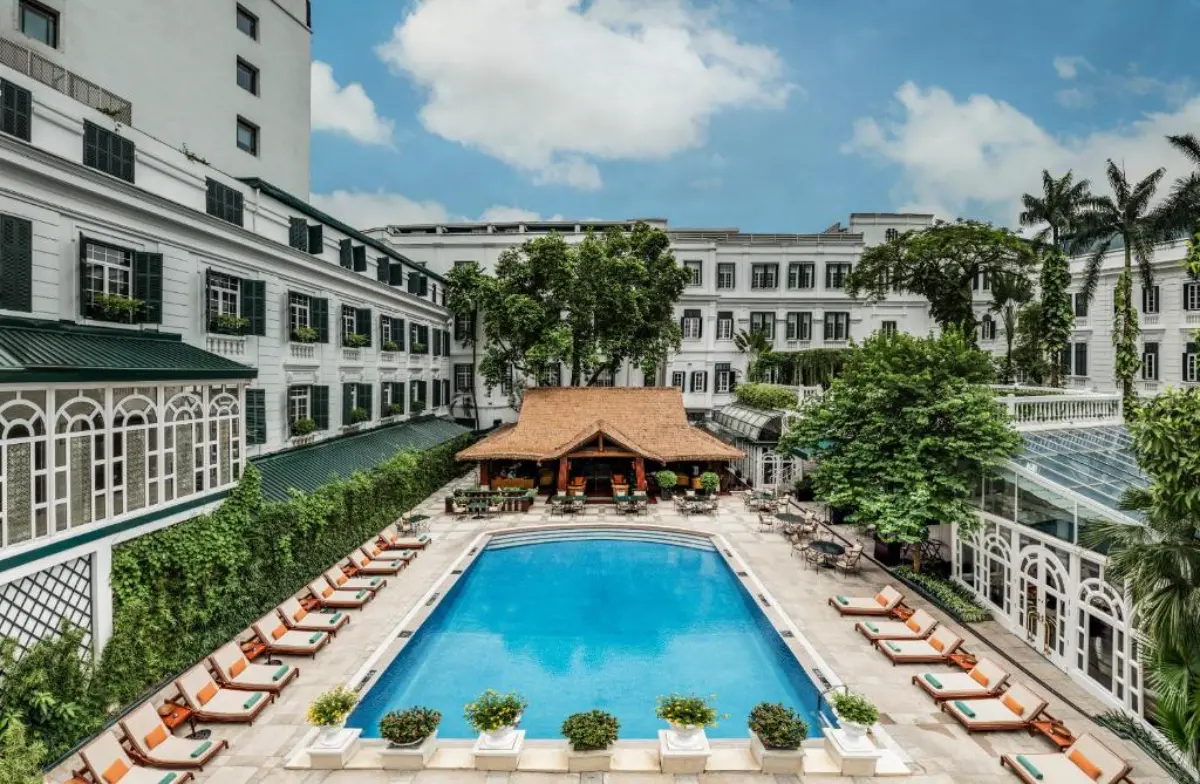
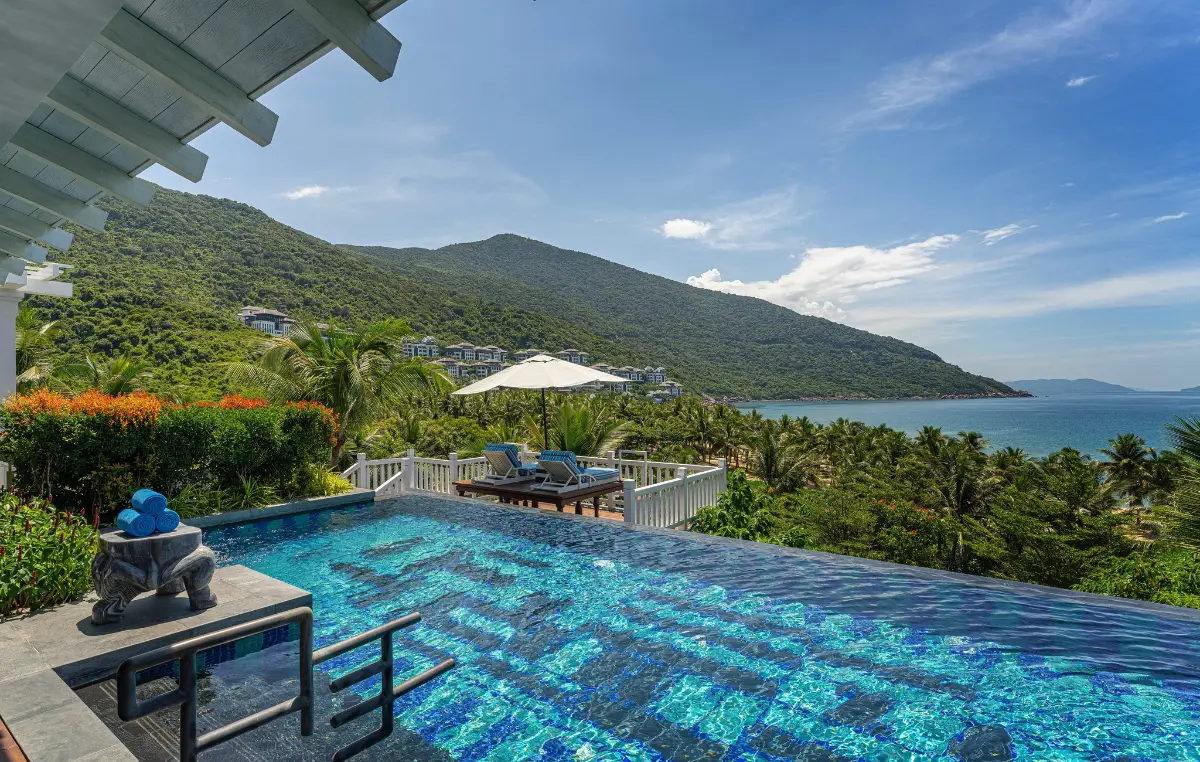
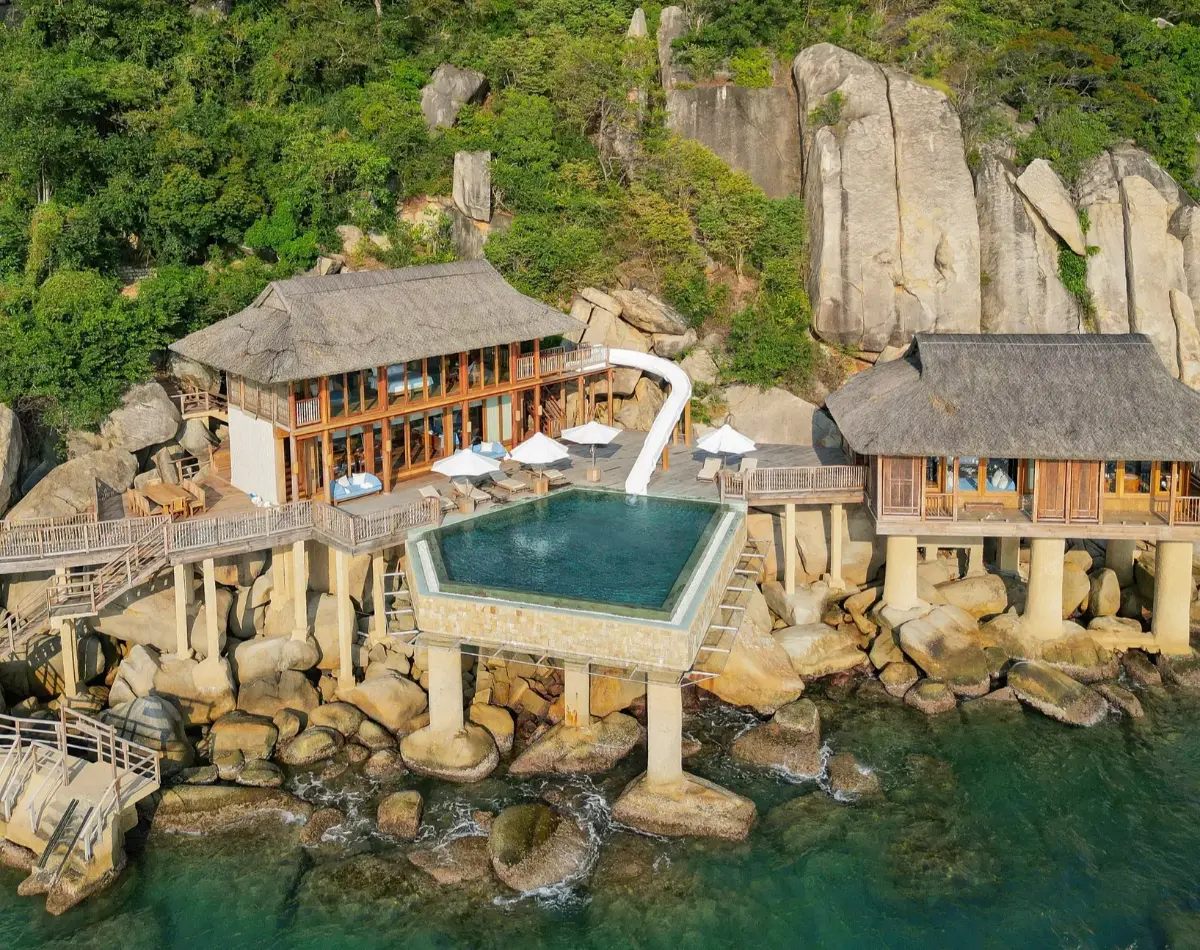
Top 5 luxury hotels in Vietnam from Indochine CHIC’s client favorites—yet countless other finest properties across Vietnam await your stay.