
Songkran & The Water Festivals
of Indochina
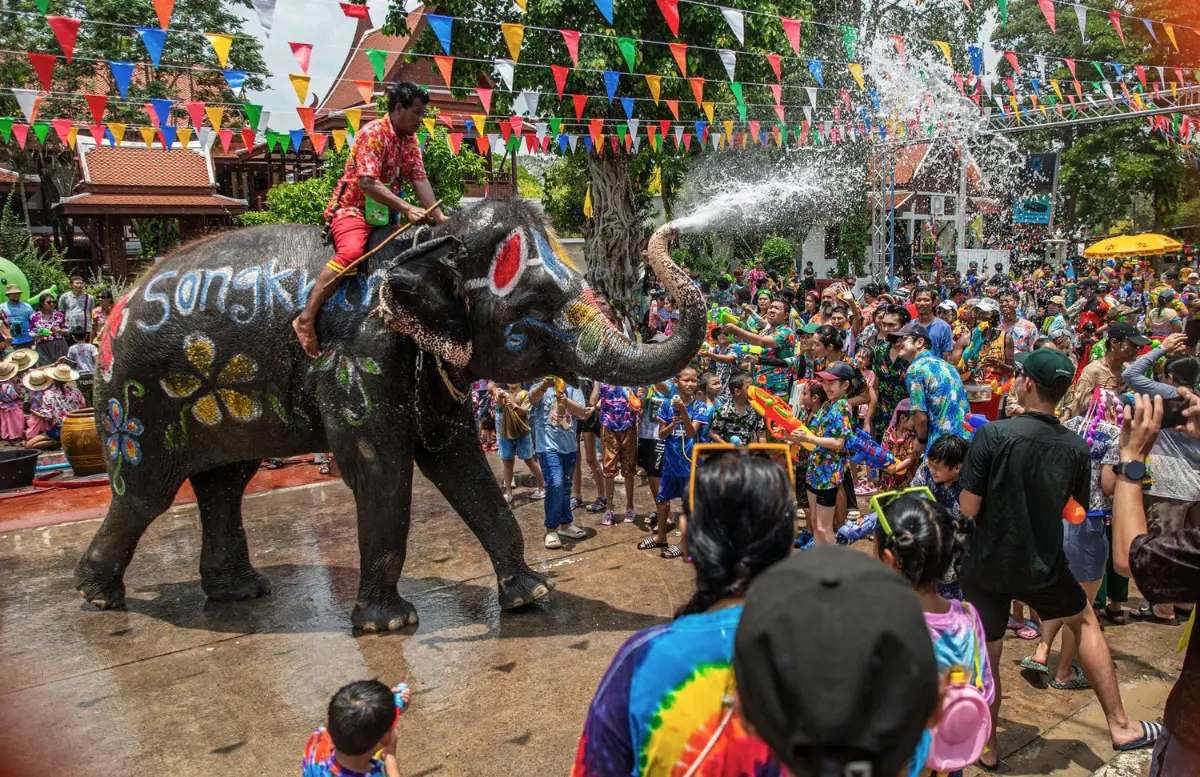
Thailand: Songkran — The Heart of Water & Renewal
To Move Forward
In Thailand, the word Songkran means “to move forward” — stepping into the new year cleansed of misfortune. Traditional rituals include Rod Nam Dum Hua (pouring water over elders’ hands), bathing Buddha statues with scented water, building sand pagodas, and making merit at temples. Modern Thailand adds joyful chaos: water guns, music festivals, and street-wide battles — yet the essence remains pure. Chiang Mai offers ancient temples and processions along the old city moat. Bangkok turns Silom and Khao San Road into liquid carnivals. Southern Islands provide breezy beachside serenity, while rural villages preserve intimate, authentic blessings with jasmine water and temple grace.
Laos: Pi Mai Lao — The Gentle Soul of the Mekong
Serenity on the Mekong
Pi Mai Lao moves at a slower, meditative pace. In the UNESCO gem of Luang Prabang, the spirit is serene and deeply spiritual. The Sand Stupa Tradition sees families building small stupas at temples, each grain symbolising good karma. The Baci Ceremony involves white cotton strings tied around wrists to call back spirits and bind fortune — a profound Lao ritual. Nam Pha is scented wildflower water poured over Buddha images and elders: meditative, not manic. Luang Prabang’s elegance shines with dawn alms‑giving, processions of monks, and gentle water blessings along the peninsula. No water cannons — only joy with restraint.
Cambodia: Chaul Chnam Thmey — Spirit of Angkor
Enter the New Year
Cambodia celebrates with three sacred days: Maha Sangkran (welcome), Virak Wanabat (offerings to ancestors), and Leung Sakk (official New Year). Ancient astrology announces the “New Year Angel” and predicts harvest fortune. Sand Mountains — seven small mounds representing days of the week — are built in temple grounds. Against the Angkor backdrop, traditional games like Chol Chhoung and Bos Angkunh bring communities together. Perfumed Waters use wild cardamom (kramu) and herbs, creating earthy, aromatic blessings. Water is poured respectfully, not thrown aggressively. Temples and family reunions take centre stage.
A Beautiful Comparison
Water Style, Rituals & Energy
Water Style: Thailand — joyful, playful, street battles; Laos — gentle, respectful pouring; Cambodia — ceremonial, perfumed blessings.
Key Ritual: Thailand — Rod Nam Dum Hua (elder blessing); Laos — Baci string-tying ceremony; Cambodia — sand mounds & New Year Angel.
Festival Energy: Thailand — high-energy & modern; Laos — serene & spiritual; Cambodia — traditional & family-centred.
Unique Element: Thailand — water guns & foam parties; Laos — Luang Prabang’s quiet elegance; Cambodia — ancient astrology & Angkor backdrop.
Best For: Thailand — thrill-seekers & party lovers; Laos — soul travellers & culture purists; Cambodia — history lovers & families.
Tradition Meets Celebration
Two Worlds, One Magic
Songkran today lives in two worlds — and that is its magic. By morning: temple visits, Buddha bathing, receiving elder blessings. By afternoon: laughing with strangers, water guns, dancing to street music. Neither is wrong. Every splash still carries a blessing. Every laugh honours renewal.
Travel Tips for the Indochine CHIC Journey
Dress respectfully: Light, quick-dry clothing, but cover shoulders & knees when entering temples.
Protect your belongings: Waterproof bags for camera, phone, passport — essential.
Join rituals first: Begin at a temple. Pour water over a Buddha statue. Receive an elder’s blessing. Then, play.
Stay hydrated: April in Indochina is hot — drink water as much as you splash.
Embrace the spirit: Songkran is not aggression; it is joy. Smile, laugh, bless others as you splash.
Cross the border: Journey to Luang Prabang for Pi Mai’s serenity, or Siem Reap for Chaul Chnam Thmey’s ancient grace.
Can you find this festival in Laos and Cambodia? Absolutely.
Yes, traveller — the traditional New Year flows across the Mekong. While Thailand delivers exuberant water battles, Laos offers soul-stirring Baci ceremonies and sand stupas in tranquil Luang Prabang. Cambodia weaves ancient astrology and temple games before the silhouette of Angkor Wat. Each country pours its own spirit: Thailand celebratory, Laos meditative, Cambodia ceremonial. All beautiful. All worth experiencing.
What’s different? In Laos, you will find no massive water cannons — instead, fragrant jasmine water and strings of fate. In Cambodia, the New Year angel dictates the celebration, and traditional Khmer games replace foam parties. The pace is slower, the water more sacred. Yet the common thread is renewal — the washing away of the old, the blessing of the new.
Water Festival Tours
Thailand Songkran Experience: 3-day guided tour in Chiang Mai or Bangkok, including temple blessings, water fight zones, and cultural performances.
Laos Pi Mai Discovery: 2-day Luang Prabang itinerary with alms-giving, Baci ceremony, and gentle water blessings.
Cambodia Chaul Chnam Thmey: Siem Reap & Angkor — sand mound building, traditional games, and a sunset blessing at Angkor Wat.
Indochina Grand Tour: 10 days across all three countries, perfectly timed for the New Year celebrations.
The Essence of the Water Festivals — Songkran, Pi Mai Lao, Chaul Chnam Thmey are more than festivals. They are invitations — to let go, to cleanse, to begin again. Whether you stand before an ancient Buddha in Chiang Mai, tie a Baci string in Luang Prabang, or build a sand stupa before the temples of Angkor, you will feel the gentle current of renewal.
Frequently Asked Questions
Mid-April, especially April 13–15. Arrive a day early to witness traditional opening ceremonies.
No — the spiritual core is merit-making, elder blessings, and Buddha bathing. The fun comes after.
Quick-dry clothes, waterproof phone case, sunscreen, sunglasses, and a respectful temple outfit.
Yes — with careful planning. Start in Thailand (13–15), fly to Luang Prabang (15–16), then Siem Reap (14–15).
Absolutely. Laos is the gentlest celebration — perfect for families seeking cultural immersion.
Most nationalities get visa-free or visa-on-arrival. Check current requirements before travel.