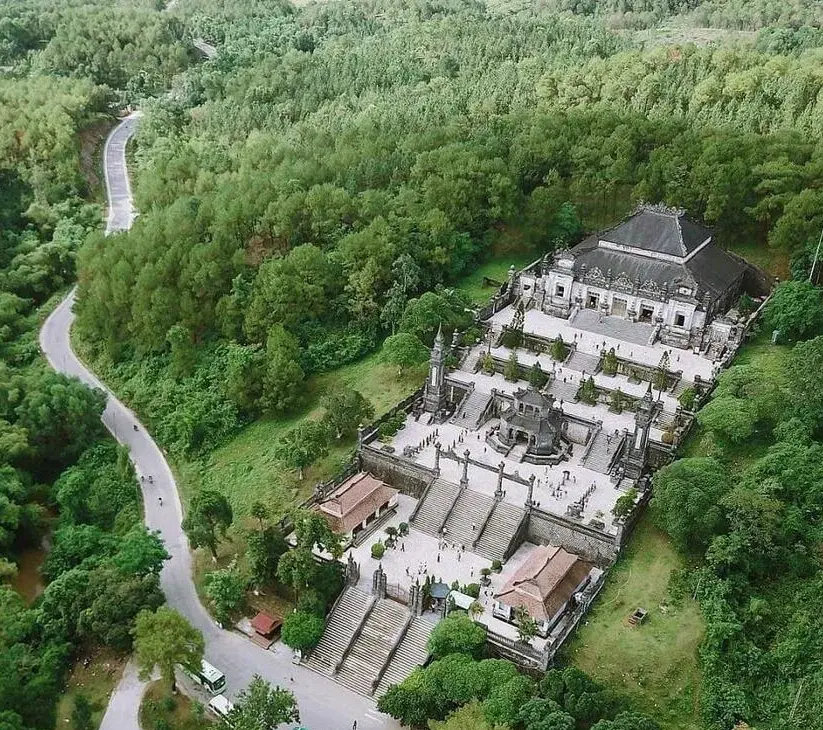
Heritage Hotels
Stay inside history within colonial mansions, converted royal residences, and boutique heritage gems across Indochina’s most beautiful cities.
Explore Hotels →The Cultural Heart of Vietnam and Gateway to Northern Heritage
Golden-hued temples, silk lanterns reflected in the Thu Bon River, tailor shops on every corner, and some of the finest street food in Asia — Hoi An is a living museum that enchants every visitor. This comprehensive guide reveals everything you need to plan an unforgettable stay.
A living museum where history, culture, and romance intertwine
Hoi An is not just a destination — it is a feeling. The rhythm of the Ancient Town, the lantern-lit streets at dusk, the aroma of Cao Lau drifting from street-side stalls, the skilled hands of tailors and lantern makers — these moments linger long after you leave.
Unlike many historic towns, Hoi An is car-free in the center, making it a pedestrian’s paradise. The well-preserved Ancient Town, a UNESCO World Heritage Site, is a fusion of indigenous and foreign influences — Chinese temples, Japanese bridges, French colonial houses, and Vietnamese tube houses all coexist in harmony.
Hoi An is also the gateway to Central Vietnam, offering easy access to the imperial city of Hue, the dynamic beach city of Da Nang, the dramatic Hai Van Pass, and the ancient Cham ruins of My Son. For the discerning traveler, Hoi An offers a slower, more romantic pace — a place where time slows down, colors are brighter, and every corner offers a postcard view.
Hoi An’s lantern-lit streets at night — a magical experience not to be missed.
A seasonal guide to Hoi An’s weather and festivals

For the best weather and full experience, visit in February, March, or April. If you want to experience the magical Full Moon Lantern Festival, plan your trip around the 14th day of the lunar month.
Learn More →
Sunny skies, low humidity, and little to no rain. February to April is pleasantly warm (25–30°C). May to August is hotter (30–35°C) but perfect for the beach.

Frequent rain, sometimes heavy, with October and November being the wettest. Flooding can occur but usually recedes quickly. The town is quieter, and hotel rates are lower.

Hoi An turns off the electric lights and lights thousands of silk lanterns. Locals and visitors release floating lanterns on the river. A magical, romantic experience.
Learn More →Hoi An is located about 30 km south of Da Nang, which has an international airport
45–60 minutes. Indochine CHIC arranges luxury sedans or limousines with English-speaking drivers. The most comfortable option, especially with luggage.
Book Transport →Grab is available at Da Nang Airport. A ride to Hoi An costs approximately $15–25. Mai Linh taxis are also reliable and metered.
Many hotels offer shared shuttles ($5–10 per person). Public buses run from Da Nang bus station but are not recommended for first-time visitors with luggage.
Getting Around Hoi An: The Ancient Town is pedestrian-only (no cars or motorbikes from 8:00–17:00 and 18:00–21:00). Walking is best. For trips to the beach or nearby villages, rent a bicycle ($1–2/day), hire a taxi or Grab, or take a boat on the river.
Insider Tip: Many visitors combine Da Nang and Hoi An. Da Nang has luxury beach resorts while Hoi An offers heritage charm. Consider splitting your stay between the two.
Luxury Transport: For the ultimate convenience, book a private chauffeur for your entire stay. Our fleet includes Mercedes-Benz sedans, luxury SUVs, and VIP vans.
View Luxury Fleet →The landmarks that define this timeless town

The iconic symbol of Hoi An, built in the 1590s by the Japanese community. The bridge is covered with a small temple, and at each end, statues of monkeys and dogs guard the entrance. Best visited early morning or at dusk when it’s lit up.
Explore →
Several historic houses are open to visitors, including Phung Hung House (a trading house with Chinese and Japanese influences) and Tan Ky House (a 200-year-old merchant’s home). The Chinese Assembly Halls — Fujian, Cantonese, Hainan — are beautifully decorated with intricate carvings and ceramics.
Explore →
A bustling market along the riverfront. In the morning, it’s a feast for the senses with fresh produce, fish, flowers, and street food. In the evening, the market transforms into a night market with lantern stalls, souvenirs, and snacks. Great for Cao Lau.
Explore →
Located about 50 km west of Hoi An. My Son was the religious and political capital of the Champa Kingdom from the 4th to the 13th centuries. The red brick Hindu temples, set in a jungle valley, are reminiscent of Angkor. Best visited early morning to avoid heat and crowds.
Explore →
Hoi An’s most popular beach, with loungers, beachfront restaurants, and a laid-back vibe. About 4–5 km from the Ancient Town — a 10-minute bike ride or short taxi ride. Cua Dai Beach is quieter but has suffered from erosion.
Explore →
A charming farming village just 3 km from Hoi An. Farmers grow organic herbs and vegetables using traditional methods. Take a half-day tour that includes a bike ride, hands-on farming, and a cooking class or lunch at a local home.
Explore →
Hoi An’s lanterns are world-famous. Several workshops offer classes where you can learn to make your own silk lantern. A fun, hands-on activity for all ages, and you get to take home a beautiful souvenir.
Explore →
As the sun sets, take a wooden boat ride on the Thu Bon River. You’ll see the Ancient Town from the water, and you can release a floating paper lantern with a wish. For a longer excursion, book a trip to the nearby islets or a sunset dinner cruise.
Explore →Exploring the layers of history that define this UNESCO treasure

A perfectly preserved trading port from the 15th to 19th centuries. Wander through narrow streets lined with Chinese shophouses, Japanese merchant homes, and French colonial buildings. The car-free center makes it a pedestrian’s paradise.
Explore →The spiritual heart of the Champa Kingdom. Red brick Hindu temples set in a jungle valley, dating from the 4th to the 13th centuries. A profound and beautiful site that offers insight into Vietnam’s pre-Vietnamese civilization.
Explore →
The former imperial capital of the Nguyen Dynasty. Explore the Citadel, royal tombs, and pagodas along the Perfume River — a fascinating contrast to Hoi An’s merchant heritage.
Explore Hue →
One of Vietnam’s most spectacular coastal drives. Winding mountain roads with panoramic views of the East Sea. The pass marks the natural boundary between Central and Northern Vietnam.
Explore →For the discerning traveler seeking refinement and elegance

Located on Ha My Beach, this resort offers villas with private pools, exceptional dining, and world-class service. A serene escape from the town’s bustle.
View Hotel →
Colonial-style suites along the Thu Bon River. Just a short walk from the Ancient Town. A perfect blend of heritage and modern luxury.
View Hotel →
A charming boutique resort in the heart of the Ancient Town. Traditional architecture, lush gardens, and exceptional hospitality.
View Hotel →
A stylish boutique hotel overlooking the Thu Bon River. Rooftop pool, elegant rooms, and exceptional service in a prime location.
View Hotel →Hoi An’s most famous restaurant, serving authentic Vietnamese cuisine in a beautiful colonial setting. A must-visit for food lovers.
Explore →Riverside dining with a creative fusion menu. Stunning views of the Thu Bon River and the Ancient Town’s lantern-lit skyline.
Explore →Tucked away in a hidden courtyard, this restaurant offers traditional Vietnamese dishes in a peaceful, romantic setting.
Explore →Panoramic views over the Ancient Town and Thu Bon River. Perfect for sunset cocktails and pre-dinner drinks.
Explore →A refined afternoon tea experience on the terrace overlooking the ocean. Scones, pastries, and premium teas.
Explore →Enhance your Hoi An experience with a private guide and chauffeur service. Explore the Ancient Town, My Son Sanctuary, and beyond with expert insight and complete flexibility.
Book a Private Guide →Hoi An is a food lover’s paradise — its culinary traditions are legendary

Hoi An’s signature noodle dish — thick noodles with pork, greens, and croutons. The secret is in the water from a specific well in Hoi An. This unique dish cannot be replicated anywhere else.
Learn More →
A crispy baguette filled with savory meats, pâté, and fresh vegetables. A must-try in Hoi An.
Explore →
Delicate, translucent dumplings filled with shrimp or pork. Served with sweet and sour dipping sauce. A Hoi An specialty.
Explore →
Turmeric noodles with shrimp, pork, and fresh herbs. A central Vietnamese specialty that is both comforting and vibrant.
Explore →Hoi An is gaining recognition on the global culinary stage. Restaurants like Mango Mango and Morning Glory have been featured in international guides for their creative interpretations of Vietnamese cuisine.
Explore Michelin Dining →Learn the secrets of Hoi An’s cuisine with a cooking class or food tour. Shop at the market with a chef, then cook classic dishes in a beautiful garden setting.
Book a Cooking Class →Culinary Tip: The best street food stalls are found along the riverfront and in the night market. Start your culinary journey early — the flavors of Hoi An are best experienced fresh and hot.
Hoi An is famous for its custom tailoring — a tradition that has been perfected over generations
Start your order on Day 1 to allow for fittings. Quality varies; choose established shops with good reviews. Indochine CHIC can recommend trusted tailors.
Book Tailoring Experience →For a perfect fit, allow at least 2–3 days with multiple fittings. Quality takes time. Indochine CHIC recommends at least 2 nights in Hoi An for tailoring.
Recommended Tailors: Yaly Couture, A Dong Silk, Be Be Tailors — each with decades of experience and excellent reputations.
Activities and experiences for travelers of all ages

A traditional round basket boat ride through the water coconut forest near Hoi An. Learn to crab fish and enjoy a fun, local experience. Perfect for children and adults alike.
Book Experience →Learn to make your own silk lantern — a fun, creative activity for all ages. Children love choosing colors and assembling their own lantern to take home.
Book Experience →Hoi An’s most family-friendly beach with gentle waves, loungers, and beachfront restaurants. A perfect day out for families.
Explore →A half-day tour that includes a bike ride, hands-on farming, and a cooking class. Children love the interactive farming experience and learning where food comes from.
Explore →Craft villages, architecture, and the traditions that define Hoi An
Hoi An is renowned for its silk production and textile traditions. Visit the Hoi An Silk Village to see the entire process — from silkworms to finished fabric.
Explore Silk Village →Morning: Explore Ancient Town — Japanese Bridge, Old Houses, Assembly Halls.
Afternoon: Visit Hoi An Market and take a lantern-making class.
Evening: Sunset river boat trip with lantern release.
Day 1: Arrival, Ancient Town walking tour, night market.
Day 2: My Son Sanctuary private tour, Tra Que Village cooking class.
Day 3: Basket boat ride, final tailoring fitting, beach time.
Days 1-2: Hoi An Ancient Town and beaches.
Day 3: My Son Sanctuary and craft villages.
Day 4: Day trip to Hue Imperial City via Hai Van Pass.
Day 5: Leisure, tailoring final fitting, departure.
Private guide, luxury hotel, bespoke tailoring, sunset dinner cruise, spa treatments, and fine dining experiences.
Book This Itinerary →Lantern making, basket boat ride, beach day, cooking class, and easy walking routes through the Ancient Town.
Book This Itinerary →Market tour, cooking class, street food exploration, Cao Lau tasting, and fine dining experiences.
Book This Itinerary →Explore the wonders of Central Vietnam
50 km west. Ancient Hindu temples in a jungle valley. Early morning departure recommended.
Book Day Trip →
30 km north. Explore the Marble Mountains, Golden Bridge, and enjoy the city’s vibrant beachfront.
Book Day Trip →120 km north via Hai Van Pass. Explore the Citadel, royal tombs, and Perfume River.
Book Day Trip →One of Vietnam’s most spectacular coastal roads. Combine with a boat trip on Tam Giang Lagoon.
Book Day Trip →
A boat trip to the Cham Islands — a marine protected area with excellent snorkeling, coral reefs, and clear waters.
Book Day Trip →Curated by Indochine CHIC for the discerning traveler

Work with master tailors to create custom suits, dresses, or ao dai. Includes consultation, fabric selection, and multiple fittings. Delivery worldwide available.
Learn More →
Learn the art of silk lantern making from a local artisan. Choose your colors, assemble the frame, and take home your unique creation.
Learn More →
Shop at Hoi An Market with a chef, then cook classic dishes like Cao Lau, spring rolls, and banana flower salad in a beautiful garden setting.
Learn More →Ride a traditional round basket boat through the water coconut forest near Hoi An. Learn to crab fish and enjoy a fun, local experience.
Learn More →
Beat the crowds with an early morning departure. Explore the ancient Hindu temples with a private guide, then enjoy breakfast on the way back.
Learn More →
Private wooden boat with champagne, floating lanterns, and a gourmet dinner. Watch the Ancient Town light up as you drift on the Thu Bon River.
Learn More →Vietnamese Dong is the main currency. Tailoring shops, hotels, and nicer restaurants accept credit cards, but street food, markets, and small shops require cash. ATMs are widely available.
Free Wi-Fi is widely available. For reliable internet on the go, buy a local SIM card at Da Nang Airport (Viettel or Vinaphone) for ~$5–10 with generous data.
Hoi An is very safe. The Ancient Town is pedestrian-friendly, and the locals are welcoming. Petty theft is rare, but still keep an eye on your belongings.
When visiting temples and pagodas, dress modestly — cover shoulders and knees. This is especially important at My Son Sanctuary and the Assembly Halls.
Check the lunar calendar before booking. The Full Moon Lantern Festival is one of Hoi An’s most magical experiences — the town turns off electric lights and glows with thousands of silk lanterns.
We recommend at least 2 full days to see the main sights. For a relaxed pace including a beach day, tailoring, and a cooking class, 3 to 4 days is ideal.
The best time to visit Hoi An is from February to April when the weather is warm, dry, and pleasant. The Full Moon Lantern Festival, held on the 14th day of each lunar month, is a magical experience.
Hoi An is famous for Cao Lau, Banh Mi Phuong, White Rose dumplings, and Mi Quang. The city’s street food is considered some of the best in Vietnam.
Hoi An is very affordable by Western standards. Street food meals cost $2–5, a nice restaurant dinner $10–20. Tailoring is reasonably priced. Luxury resorts range from $150–400 per night.
Yes, many tailors offer express service (24–48 hours). However, for a perfect fit, allow at least 2–3 days with multiple fittings. Quality takes time.
Absolutely. It’s a UNESCO site with fascinating history and beautiful jungle setting. Go early morning (6:00 AM departure) to avoid heat and crowds. A private guide greatly enhances the experience.
The easiest way is by private car or taxi (45–60 minutes, $15–25). Grab works well. Some travelers take the public bus, but it’s less comfortable with luggage.
An Bang Beach is the most popular and well-served with loungers, restaurants, and a relaxed vibe. Cua Dai Beach is quieter but has erosion issues. For luxury, head to the private beaches of resorts like Four Seasons.
Hoi An is a place where time slows down, colors are brighter, and every corner offers a postcard view. The lantern-lit streets, the aroma of Cao Lau, the skilled hands of tailors and lantern makers — these moments linger long after you leave. Travel slowly, savor the flavors, and let the magic of Hoi An captivate you.
— Indochine CHIC Travel Guide
The Art of Refined Exploration
Explore our comprehensive guides to Hoi An and Central Vietnam
Let Indochine CHIC craft your perfect Hoi An experience. Private guides, luxury hotels, bespoke tailoring, and curated experiences tailored to your interests.
hello@indochinechic.com
Explore the living legacy of Indochina through our curated editorial collection of heritage guides, hotels, and experiences.
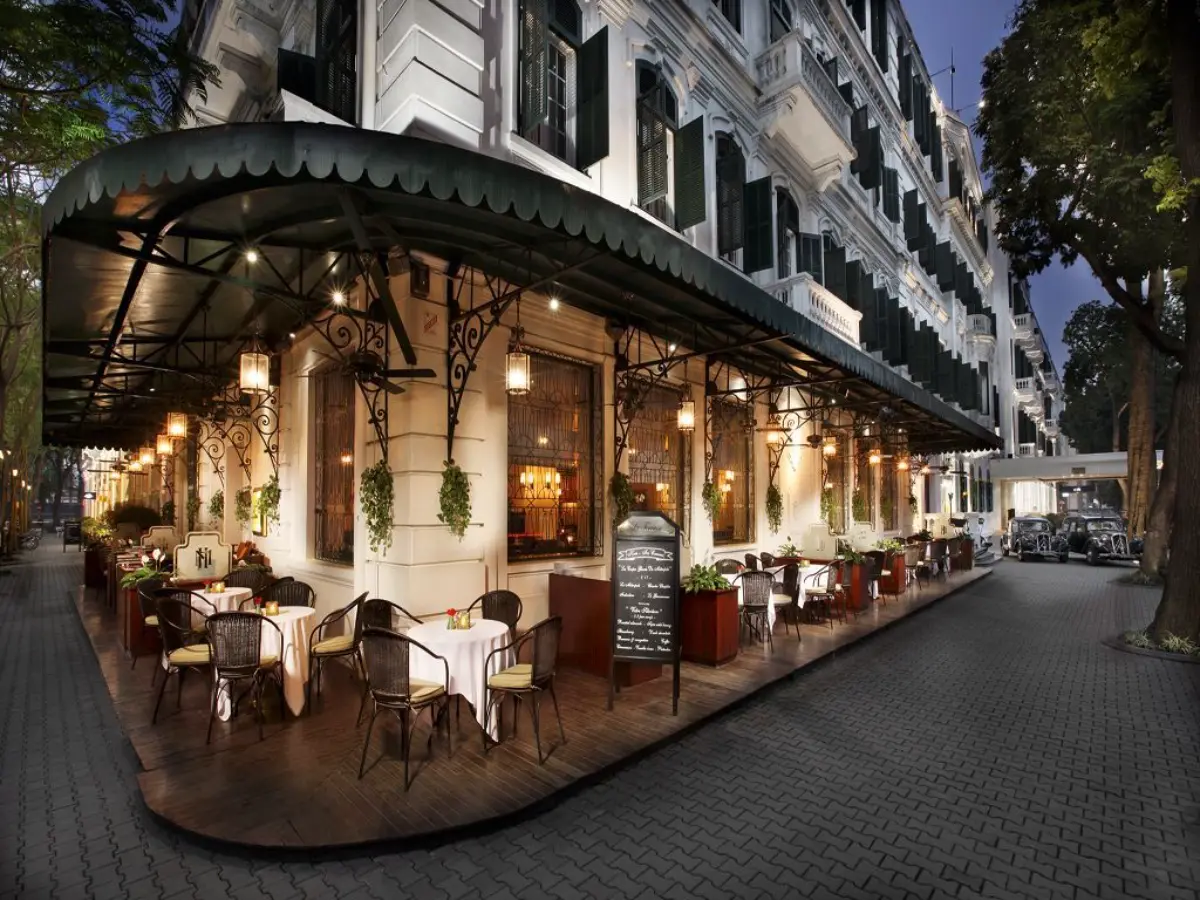
The ultimate crown jewel of classic French colonial elegance. Nostalgic white facades, timeless ironwork, and cinematic grandeur embody the peak of Indochine luxury.

Timeless Art Deco elegance sitting proudly on the banks of the Perfume River facing the ancient Imperial Citadel.

An architectural sanctuary layout directly on the pristine coast. Unrivaled luxury villas and soul-stirring cultural spas.

A pristine architectural heritage sanctuary dating back to 1930. Bask in old-world Saigon charm with opulent crystal chandeliers and nostalgic French-Indochine design lines.