Heritage Hotels
Stay inside history within colonial mansions, converted royal residences, and boutique heritage gems across Indochina’s most beautiful cities.
Explore Hotels →An Editorial Archive of History, Architecture, Culture & Timeless Stories of Vietnam, Cambodia and Laos
A curated, living archive that explores the civilizations, colonial heritage, royal legacies, traditional arts, and historic hotels that define one of Asia’s most culturally rich regions. Think Condé Nast Traveler meets National Geographic meets cultural archive.

The Heritage Library is the intellectual heart of Indochine Chic — a permanent, evolving archive dedicated to the civilizations, colonial heritage, architecture, royal legacies, indigenous cultures, culinary traditions, and historic hotels of Vietnam, Cambodia, and Laos.
This is not a blog. This is a curated editorial archive that combines the storytelling depth of Condé Nast Traveler, the visual richness of National Geographic, and the scholarly rigor of a cultural foundation. Each entry is researched, written, and curated to provide both historical depth and practical travel inspiration.
Indochina’s heritage cities are living museums, where history is woven into the fabric of daily life. The collection below distinguishes between UNESCO-designated heritage cities and those with rich cultural heritage.
Vietnam’s capital, with its ancient temples, French colonial architecture, and the historic Old Quarter.
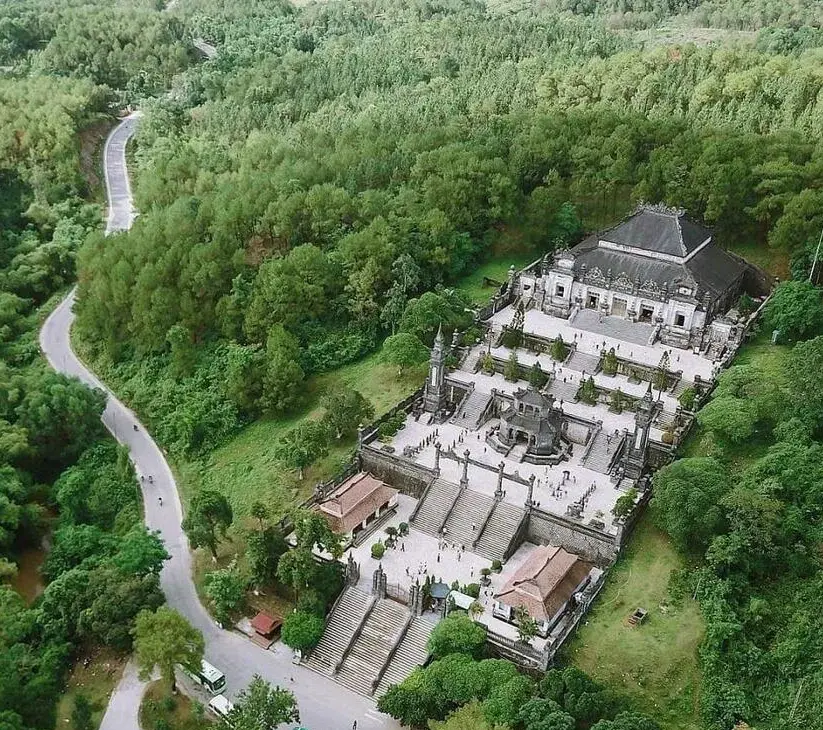
The imperial capital of the Nguyen Dynasty, with its Citadel, royal tombs, and pagodas.
A beautifully preserved trading port with a unique blend of Vietnamese, Chinese, and Japanese influences.
A UNESCO town with stunning temples, French colonial buildings, and a serene atmosphere.
The gateway to Angkor, with a vibrant cultural scene and a growing heritage hotel sector.
Cambodia’s dynamic capital, home to the Royal Palace, National Museum, and a mix of colonial and modern architecture.
Laos’s relaxed capital, with its temples, French colonial buildings, and riverside setting.
A dynamic economic and cultural hub where French colonial landmarks stand alongside sleek skyscrapers, with a rich historical tapestry.
From ancient kingdoms to modern nations — the stories that shaped Vietnam, Cambodia, and Laos.

Saigon’s journey from a small Khmer settlement to the vibrant metropolis of Ho Chi Minh City is a story of empires, colonialism, war, and resilience. This archive traces the city’s transformation through its architecture, streets, and living memory.

Hanoi is one of Asia’s oldest continuously inhabited capitals. From its founding as Thang Long in 1010 to its role as the capital of modern Vietnam, the city has witnessed a millennium of change while preserving its ancient soul.

The Khmer Empire (802–1431 AD) was one of Southeast Asia’s most powerful and sophisticated civilizations. Its legacy is etched in the temples of Angkor, the hydraulic engineering of its reservoirs, and the enduring influence of Khmer art and architecture.

Luang Prabang was the royal capital of the Lan Xang Kingdom (1353–1707), a powerful empire that shaped Lao culture, Buddhism, and architecture. Today, it remains a living museum of royal and monastic traditions.
The architectural, cultural, and culinary legacy of French Indochina — a story of East meeting West.

In the early 20th century, Hanoi was transformed into a “Little Paris” of the East. French urban planners designed tree-lined boulevards, grand public buildings, and elegant villas that gave the city a distinctly European character while adapting to its tropical setting.

During the colonial era, Saigon was known as the “Pearl of the Orient” — a cosmopolitan hub of trade, culture, and architecture. The city’s grand boulevards, ornate hotels, and bustling markets made it the most vibrant city in French Indochina.

Phnom Penh was the colonial capital of Cambodia, and its architecture reflects a rich blend of Khmer and French influences. The Royal Palace, the National Museum, and the colonial villas along the riverfront are enduring symbols of this era.

Dalat, the “City of Eternal Spring,” was a French hill station where colonial elites built elegant villas and summer retreats. The city’s unique architecture blends French design with alpine influences, creating a picturesque mountain escape.

The café culture of Vietnam is a direct legacy of French colonialism. The tradition of sitting at a sidewalk café, sipping coffee, and watching the world go by is deeply ingrained in Vietnamese urban life — a blend of French ritual and Vietnamese flair.

The French built an extensive railway network across Indochina, including the famous Reunification Express line connecting Hanoi and Ho Chi Minh City. These railways remain a vital part of the region’s infrastructure and a testament to colonial engineering.
From the Indochine style to Khmer temples and Lao Buddhist architecture — the region’s built heritage.

The Indochine style is a distinctive architectural language that emerged during the colonial era, blending French design principles with tropical materials and craftsmanship. It is characterized by shuttered windows, high ceilings, verandas, and the use of wood, silk, and lacquer.

One of Hanoi’s most distinctive visual features is the ochre-yellow paint of its colonial buildings. This warm hue, chosen to withstand the tropical sun, has become an iconic symbol of the city’s French-era heritage.

Khmer temple architecture is a sophisticated language of stone, symbolism, and cosmology. The temples of Angkor, with their towering spires, intricate carvings, and sacred geometry, represent the pinnacle of this architectural tradition.

Lao Buddhist architecture is characterized by its elegant simplicity, sweeping rooflines, and intricate woodcarvings. The temples of Luang Prabang and Vientiane are masterpieces of this tradition, blending Theravada Buddhist symbolism with local craftsmanship.
The great cities of the past — where history is written in stone, wood, and memory.

Angkor was the capital of the Khmer Empire and one of the largest pre-industrial cities in the world. Its temples, including Angkor Wat, Angkor Thom, and Bayon, are masterpieces of architectural and spiritual achievement.

Hoi An was one of Southeast Asia’s most important trading ports, attracting merchants from China, Japan, India, and Europe. Its preserved architecture, lantern-lit streets, and cultural fusion make it one of Vietnam’s most enchanting cities.

Hue was the imperial capital of Vietnam under the Nguyen Dynasty (1802–1945). Its Citadel, royal tombs, and pagodas are a testament to the dynasty’s power and sophistication, reflecting a blend of Confucian, Buddhist, and Vietnamese traditions.

Luang Prabang was the royal capital of the Lan Xang Kingdom and remains the spiritual heart of Laos. Its temples, monasteries, and colonial architecture create a serene and timeless atmosphere that captivates every visitor.
Indochina’s UNESCO World Heritage Sites — recognized for their outstanding universal value.

Ha Long Bay is a spectacular seascape of limestone karsts and islands, recognized as a UNESCO Natural Heritage Site in 1994. Its emerald waters and towering formations create a landscape of otherworldly beauty.

Angkor Archaeological Park is one of the most important archaeological sites in Southeast Asia, featuring the magnificent temples of the Khmer Empire. It was inscribed as a UNESCO World Heritage Site in 1992.

Hoi An is a beautifully preserved example of a Southeast Asian trading port, with a unique blend of indigenous and foreign influences. It was inscribed as a UNESCO World Heritage Site in 1999.

Luang Prabang is a well-preserved town that blends traditional Lao architecture with French colonial influences. It was inscribed as a UNESCO World Heritage Site in 1995.
Trang An, Complex of Hue Monuments, My Son Sanctuary, Phong Nha-Ke Bang, Imperial Citadel of Thang Long, Citadel of the Ho Dynasty
Temple of Preah Vihear, Sambor Prei Kuk
Vat Phou, Plain of Jars
November to February offers the most pleasant weather for exploring heritage sites across Indochina.
Palaces, dynasties, and the imperial traditions that shaped Indochina.

The Nguyen Dynasty (1802–1945) was Vietnam’s last imperial house, ruling from the imperial capital of Hue. The dynasty’s legacy includes the Hue Citadel, the royal tombs, and a rich tradition of imperial rituals and culture.

The Royal Palace in Phnom Penh is the official residence of the King of Cambodia. Its magnificent Silver Pagoda, ornate buildings, and lush gardens offer a glimpse into the country’s royal traditions.

Luang Prabang was the royal capital of the Lan Xang Kingdom, and its royal heritage is visible in its palaces, temples, and traditions. The Royal Palace Museum offers a glimpse into the lives of Laos’s last kings.
The diverse ethnic traditions, crafts, and ways of life that enrich Indochina’s cultural tapestry.

Vietnam’s northern highlands are home to a rich diversity of ethnic minority groups, including the Hmong, Dao, Tay, and Thai. Each group has its own language, traditions, textiles, and way of life.

Cambodia’s highlands are home to indigenous communities such as the Bunong, Kreung, and Tampuan. These communities maintain traditional animist beliefs, farming practices, and handicrafts.

Laos is home to a rich diversity of ethnic groups, including the Hmong, Khmu, and Lao Lum. Each group has its own traditions, textiles, and festivals, contributing to the country’s cultural richness.
The culinary traditions that tell the story of Indochina.

Pho is Vietnam’s national dish, a fragrant noodle soup that has captured the hearts of food lovers around the world. Its history reflects the fusion of Vietnamese and French culinary traditions.

Vietnamese coffee is a global phenomenon, known for its strong, sweet flavor and unique preparation methods. Its rise reflects Vietnam’s colonial history and its role as one of the world’s largest coffee producers.

Banh Mi is a symbol of Vietnam’s culinary fusion — a French baguette filled with Vietnamese ingredients. Its story is one of adaptation, creativity, and resilience.

Hue’s royal cuisine is one of Vietnam’s most refined culinary traditions, developed for the Nguyen emperors. It is characterized by its intricate presentation, delicate flavors, and use of fresh herbs.

Khmer cuisine is characterized by its use of fresh herbs, fish sauces, and tropical ingredients. Signature dishes include Fish Amok, Lok Lak, and Prahok.

Sticky rice is the heart of Lao cuisine, eaten by hand with a wide range of dishes. It is deeply embedded in Lao culture, symbolizing community, generosity, and tradition.
The crafts, performances, and artistic traditions that have flourished across Indochina for centuries.

Silk weaving is one of Indochina’s most ancient and refined crafts. From the silk villages of Hoi An to the weaving traditions of Laos, silk is a symbol of cultural identity and craftsmanship.

Vietnamese lacquerware is a signature art form, characterized by its glossy finish and intricate designs. It is a craft that requires patience, skill, and a deep understanding of natural materials.

Water puppetry is a unique Vietnamese art form that dates back to the 11th century. It tells stories of rural life, mythology, and history through puppets on water.

Apsara dance is Cambodia’s most iconic classical dance form, depicting the celestial dancers of Hindu mythology. It is a UNESCO-intangible cultural heritage of humanity.

Lam Vong is the traditional circle dance of Laos, performed at festivals, weddings, and celebrations. It is a symbol of Lao cultural identity and community spirit.
The grand hotels that have hosted royalty, writers, and travelers for over a century — living monuments to hospitality and history.

The Sofitel Legend Metropole Hanoi is one of Asia’s most storied hotels, having welcomed royalty, writers, and celebrities since 1901. Its history is woven into the fabric of Hanoi’s colonial and modern life.

Built in 1925, the Hotel Majestic Saigon is a riverfront icon that has hosted dignitaries, writers, and travelers for a century. Its colonial architecture and river views make it a timeless destination.

The Raffles Hotel Le Royal in Phnom Penh is an Art Deco masterpiece that has been a symbol of luxury in Cambodia since 1929. It has hosted royalty, celebrities, and dignitaries for decades.

The Grand Hotel d’Angkor in Siem Reap has been welcoming visitors to the temples of Angkor since 1932. Its colonial elegance and proximity to the temples make it a heritage treasure.

La Résidence Phou Vao is a hillside retreat in Luang Prabang that offers stunning views of the city and the Mekong River. Its architecture blends colonial style with Lao influences.
The lives and legacies of the figures who shaped Indochina’s history, culture, and imagination.

Graham Greene’s 1955 novel “The Quiet American” captured the mood of Saigon during the First Indochina War. Greene was a regular guest at the Hotel Continental Saigon, and his book remains a literary portrait of the city.

King Norodom Sihanouk was a complex and charismatic figure who shaped Cambodia’s modern history. He was both a king and a filmmaker, a statesman and a symbol of Cambodian identity.

The French novelist Marcel Proust had family connections to Indochina, and his work reflects a fascination with the East. His legacy is a reminder of the cultural exchange between France and its colonies.
The vanishing, forgotten, and hidden stories of a region in constant change — a record of what was, and what may be lost.

Saigon has transformed dramatically over the past century. Many of its colonial buildings, ancient streets, and historic landmarks have been replaced by modern developments, but traces of the old city remain for those who know where to look.

Many of the colonial-era railway lines across Indochina have been abandoned or fallen into disrepair. These routes, once vital arteries of trade and travel, are now silent reminders of a bygone era.

Early 20th-century photographs of Hanoi reveal a city of tree-lined boulevards, grand colonial buildings, and ancient pagodas. These images offer a window into a world that has largely disappeared.

The Mekong River was once a major trade route connecting Indochina to China and Southeast Asia. Today, its ancient ports and trading posts are silent, but the river continues to flow with the memory of centuries of commerce.

Phnom Penh’s architectural landscape has changed dramatically, with many colonial-era buildings lost to war, development, and neglect. The remnants of these vanished structures are fading memories of Cambodia’s golden era.
A curated collection of the most important and inspiring heritage sites across Vietnam, Cambodia, and Laos.
The finest heritage hotels in Indochina, offering a unique blend of history, charm, and luxury.
Essential museums for understanding the region’s rich history, art, and culture.
The most captivating ancient cities in Indochina, each with a unique story to tell.
A selection of the most stunning colonial buildings and architectural landmarks.
Royal palaces that offer a glimpse into the region’s imperial past.
Villages where traditional crafts, architecture, and lifestyles are still preserved.
Festivals, ceremonies, and practices that keep the region’s culture alive.
Markets where you can experience the region’s vibrant trade and culinary traditions.
The most revered and architecturally significant temples in Indochina.
The Heritage Library is an editorial archive that explores the living heritage of Vietnam, Cambodia and Laos — from ancient civilizations and colonial architecture to royal legacies, traditional arts, and historic hotels.
The library covers Indochina history, colonial heritage, architecture and design, ancient cities, UNESCO heritage, royal heritage, indigenous cultures, food heritage, traditional arts, historic hotels, famous people and stories, and Lost Indochina.
French Indochina architecture refers to the colonial-era buildings, villas, and public structures built in Vietnam, Cambodia, and Laos during the French colonial period (1887–1954). It blends French design with local materials and tropical adaptations.
Iconic heritage hotels include the Sofitel Legend Metropole Hanoi, Raffles Hotel Le Royal Phnom Penh, Hotel Majestic Saigon, and the Grand Hotel d’Angkor in Siem Reap.
The Indochine style is a distinctive blend of French colonial elegance and Southeast Asian materials and craftsmanship. It features tropical wood, silk, lacquer, wrought iron, and shuttered windows.
Lost Indochina is a collection of articles exploring the vanishing, forgotten, and hidden stories of the region — including lost buildings, abandoned railways, and ancient trade routes.
The Heritage Library is designed to inspire your journey and deepen your understanding of the places you visit. Each article includes practical insights and links to related destinations, hotels, and itineraries.
Yes, the Heritage Library is a living archive that is regularly updated with new articles, discoveries, and insights.
We welcome collaborations with historians, photographers, and cultural specialists. Please contact our editorial team for more information.
The Heritage Library is a curated editorial archive — it is not a blog. It is designed as a permanent, evolving resource that combines scholarly rigor with storytelling and practical travel insights.
Let our specialists design a bespoke heritage journey that takes you to the heart of Vietnam, Cambodia, and Laos — from ancient temples and colonial cities to living traditions and luxury stays.
hello@indochinechic.com · Luxury Cultural Travel, Curated Since 2024
2027 Indochine Chic — Heritage Library of Indochina: An Editorial Archive of History, Architecture, Culture & Timeless Stories
Researched and written by the Indochine Chic Heritage Editorial Team
Vietnam · Cambodia · Laos · UNESCO · Culture · History
Explore the living legacy of Indochina through our curated editorial collection of heritage guides, hotels, and experiences.
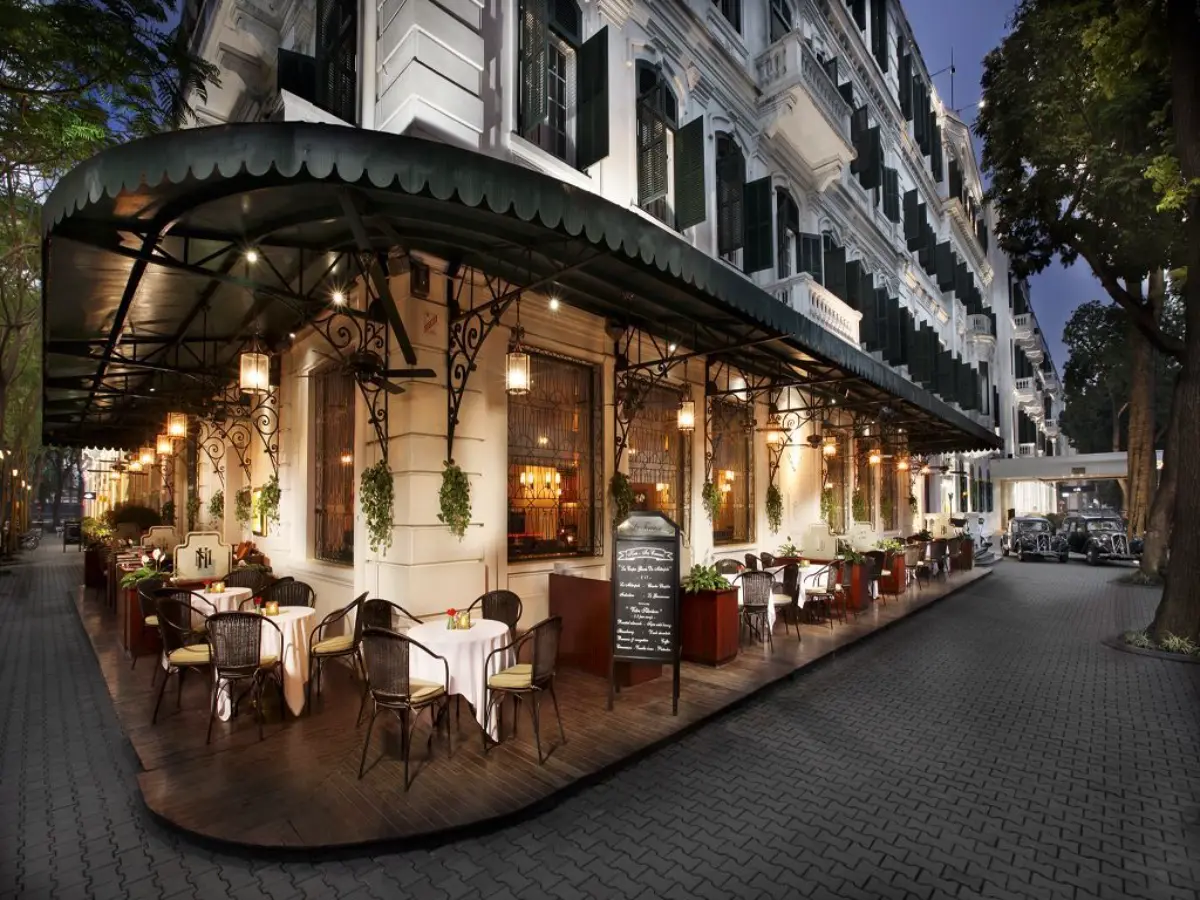
The ultimate crown jewel of classic French colonial elegance. Nostalgic white facades, timeless ironwork, and cinematic grandeur embody the peak of Indochine luxury.

Timeless Art Deco elegance sitting proudly on the banks of the Perfume River facing the ancient Imperial Citadel.

An architectural sanctuary layout directly on the pristine coast. Unrivaled luxury villas and soul-stirring cultural spas.

A pristine architectural heritage sanctuary dating back to 1930. Bask in old-world Saigon charm with opulent crystal chandeliers and nostalgic French-Indochine design lines.