Heritage Hotels
Stay inside history within colonial mansions, converted royal residences, and boutique heritage gems across Indochina’s most beautiful cities.
Explore Hotels →The Imperial City of Vietnam’s Last Dynasty
Hue, the former imperial capital of Vietnam, is a city of profound beauty and historical significance. Nestled along the Perfume River, it served as the seat of the Nguyen Dynasty from 1802 to 1945. Today, its UNESCO-listed Citadel, royal tombs, and pagodas offer a window into Vietnam’s royal past.
A city where history, royalty, and spirituality converge along the Perfume River
Hue is not merely a city — it is a living museum of Vietnam’s royal past. For 143 years, it served as the political and cultural heart of the Nguyen Dynasty, the last imperial family to rule Vietnam. The city’s UNESCO-listed Citadel, with its Forbidden Purple City, stands as a testament to the grandeur and complexity of imperial life.
Hue’s soul is intertwined with the Perfume River, which flows gently through the city, dividing it into the Citadel on the north bank and the modern city on the south. Along its banks lie the royal tombs — each a unique expression of the emperor’s personality and legacy.
Beyond its royal heritage, Hue is celebrated for its imperial cuisine, a culinary tradition that reflects the sophistication and refinement of the Nguyen court. The city’s vegetarian Buddhist cuisine, inspired by the nearby pagodas, is equally renowned. For the discerning traveler, Hue offers a journey into Vietnam’s royal soul — a place where history, culture, and spirituality converge.
The Imperial Citadel of Hue at sunset — a symbol of Vietnam’s royal heritage.
A seasonal guide to Hue’s weather and festivals

For the best weather and cultural experiences, visit from February to April when the temperatures are pleasant and the city is alive with the Hue Festival (held every two years in even-numbered years).
Learn More →
Sunny skies and warm temperatures. February to April is pleasantly warm (22–28°C). May to August is hotter (30–35°C) but ideal for exploring the tombs and citadel.
Learn More →
Frequent rain, sometimes heavy, with October and November being the wettest. Flooding can occur. The city is quieter, and hotel rates are lower. December and January can be cool and misty.
Learn More →
Held every two years in even-numbered years. A spectacular celebration of Hue’s cultural heritage with royal processions, traditional music, dance, and fireworks.
Learn More →Hue is centrally located in Vietnam, with excellent connections by air, rail, and road
Phu Bai International Airport is located 15 km south of the city center. Direct flights connect Hue to Hanoi, Ho Chi Minh City, and Da Nang. Private transfers to the city take approximately 30 minutes.
Book Transport →The Reunification Express (Thong Nhat) runs along the coast with a stop at Hue. The journey from Da Nang takes 2.5–3 hours. Trains offer comfortable seating and sleeper options.
Hue is connected by road to Da Nang (2.5 hours) and Hoi An (3 hours). The Hai Van Pass offers a spectacular coastal drive. Luxury limousine vans and private cars are available.
View Luxury Fleet →Getting Around Hue: The city is best explored by car or motorbike. The Citadel and many attractions are within a short distance. For a truly imperial experience, consider a boat trip along the Perfume River to the royal tombs.
Luxury Transport: For the ultimate convenience, book a private chauffeur for your entire stay. Our fleet includes Mercedes-Benz sedans, luxury SUVs, and VIP vans.
View Luxury Fleet →The landmarks that define the imperial city

The heart of the Nguyen Dynasty. A vast complex of palaces, temples, and gardens surrounded by thick walls and a moat. Explore the Forbidden Purple City, the emperor’s private residence, and the Thai Hoa Palace.
Explore →
The iconic seven-story pagoda on the banks of the Perfume River. A symbol of Hue and its Buddhist heritage. The pagoda offers stunning views of the river and is a tranquil place for reflection.
Explore →
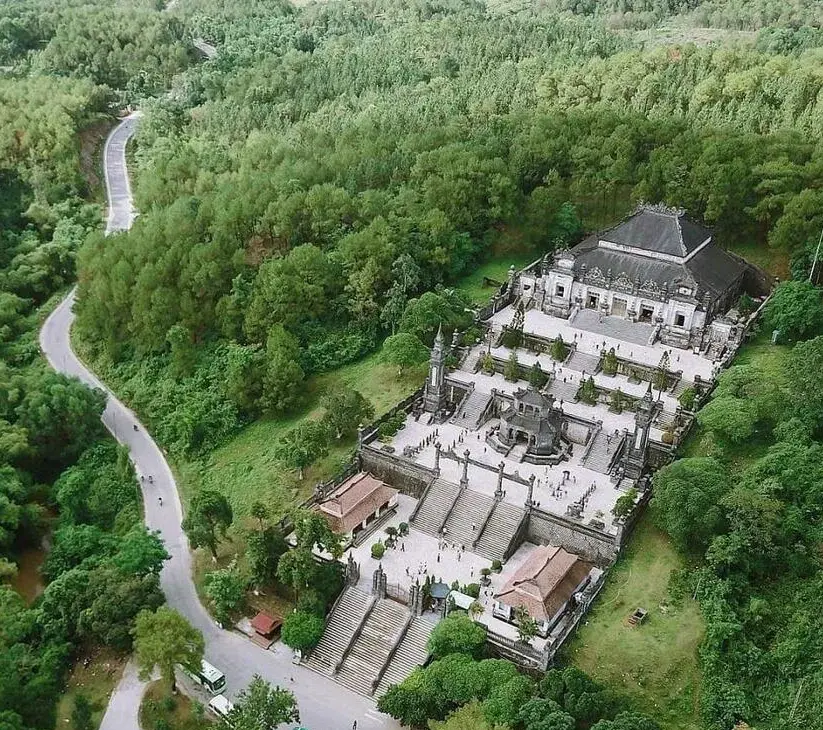
The most poetic of all royal tombs. Set in a beautiful natural landscape of lakes and pine forests. Tu Duc, the fourth Nguyen emperor, designed his own final resting place as a retreat for contemplation.
Explore →
A magnificent fusion of Vietnamese and European styles. The 12th emperor’s tomb features elaborate mosaic work, ceramic tile details, and a striking black stone gate. A unique architectural masterpiece.
Explore →
One of the most majestic royal tombs, set in a vast landscape of gardens, lakes, and pavilions. The second emperor’s tomb is a masterpiece of feng shui and imperial architecture.
Explore →
The lifeblood of Hue. A gentle river that flows from the Truong Son Mountains to the sea. A boat trip at sunset is the quintessential Hue experience — palaces, pagodas, and the city’s skyline reflected in the water.
Explore →
Hue’s Chinese community left a lasting architectural legacy. The Fujian and Cantonese Assembly Halls are beautifully decorated with intricate carvings, ceramics, and vibrant colors.
Explore →
Hue’s largest and most bustling market. A sensory explosion of sights, sounds, and smells. Perfect for experiencing local life and tasting imperial cuisine street-style.
Explore →Each emperor’s tomb reflects his personality, ambition, and vision of the afterlife
The 12th emperor’s tomb is the most eclectic — a stunning fusion of Vietnamese tradition, French Art Deco, and Gothic influences. The mosaic interior is breathtaking.
Explore →The most poetic of all royal tombs. Tu Duc designed his own final resting place as a retreat for contemplation — lakes, pavilions, and a serene natural setting.
Explore →The second emperor’s tomb is a masterpiece of feng shui and imperial architecture — a vast complex of lakes, gardens, and pavilions that exemplifies royal power.
Explore →
The first emperor’s tomb is the most remote and least visited — a peaceful, atmospheric site that rewards the intrepid traveler with a sense of discovery.
Explore →
Three emperors buried together — Duc Duc, Thanh Thai, and Duy Tan. A fascinating site that tells the story of Hue’s turbulent transition from empire to modern Vietnam.
Explore →
The former residence of Crown Prince Bao Long, located on the south bank of the Perfume River. A blend of Vietnamese and French architecture, now open to visitors.
Explore →Hue’s cuisine is a refined culinary tradition that reflects the sophistication of the Nguyen court
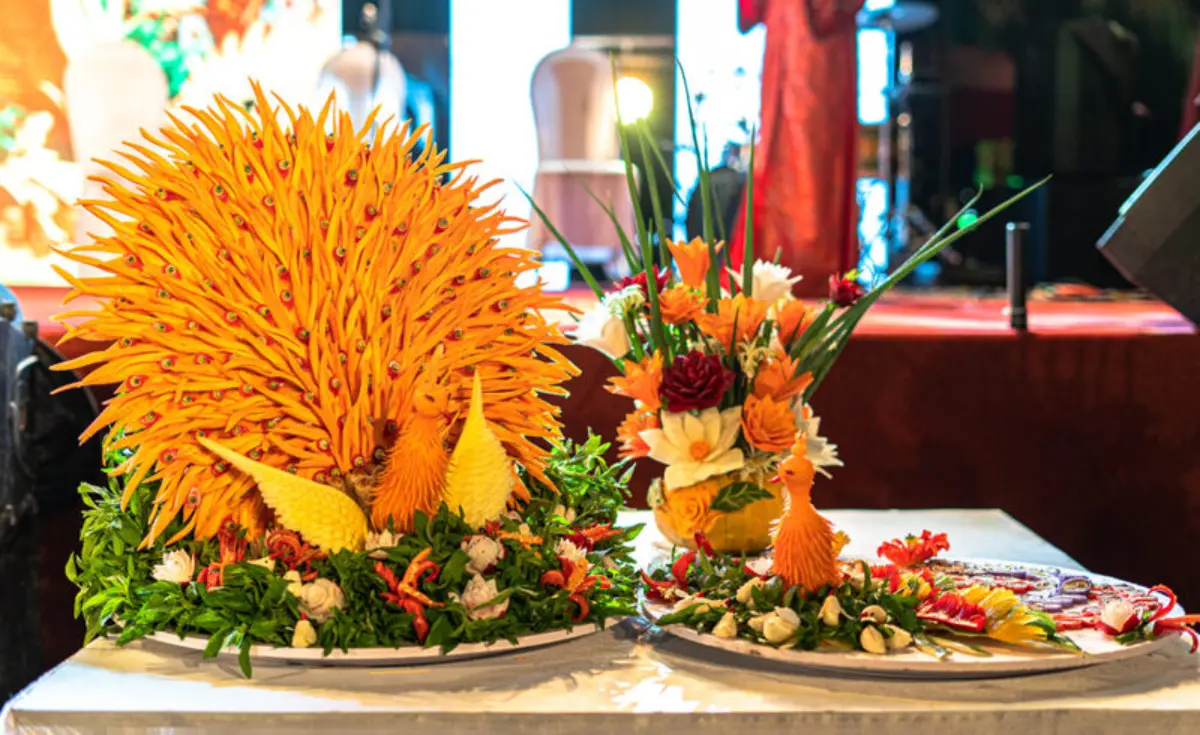
Hue’s imperial cuisine is a testament to the refinement of the Nguyen court. Each dish is a work of art — beautifully presented, balancing flavors, colors, and textures. The tradition of small, elaborate dishes reflects the sophistication of royal dining.
Learn More →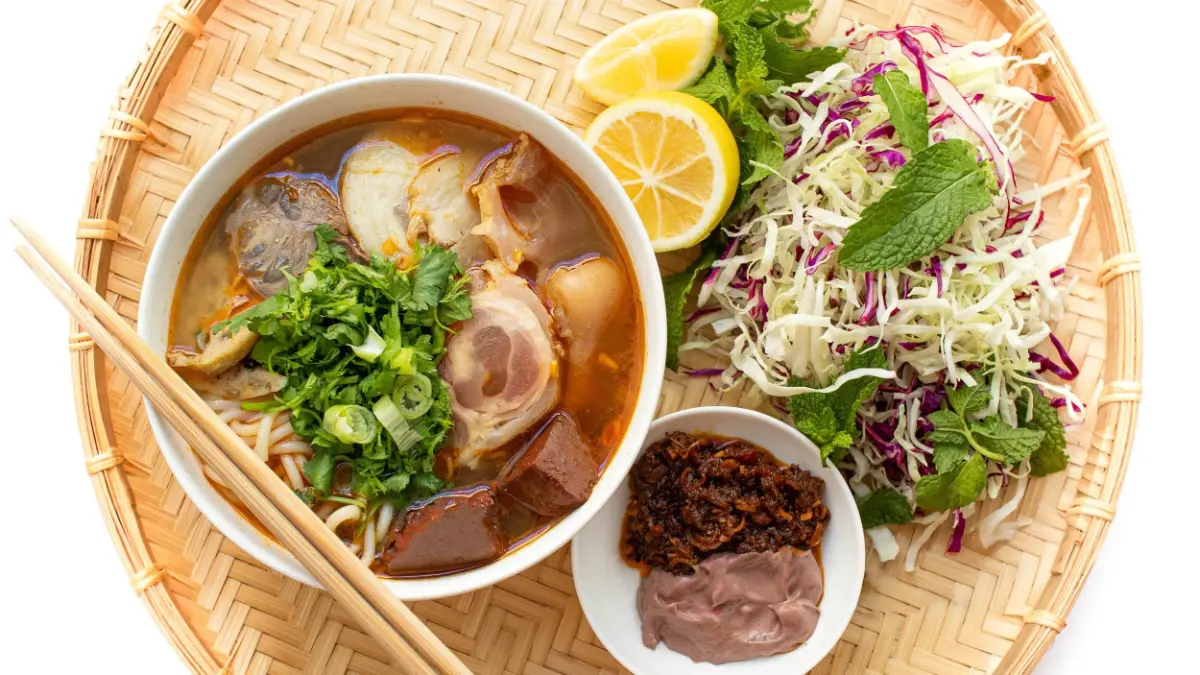
Hue’s most famous dish — a spicy, savory beef noodle soup with lemongrass, shrimp paste, and chili. A breakfast staple that has gained worldwide recognition.
Explore →
A crispy crepe filled with shrimp, pork, and bean sprouts. Served with fresh herbs and a tangy peanut dipping sauce. Hue’s answer to banh xeo.
Explore →
Delicate steamed rice cakes wrapped in banana leaves. Banh nam is savory with shrimp and pork; banh loc is a translucent dumpling with a shrimp and pork filling.
Explore →
A Hue specialty — rice served with tiny river clams, peanuts, herbs, and a flavorful broth. A humble dish that captures the essence of Hue’s cuisine.
Explore →For the ultimate culinary experience, book a royal banquet at a historic garden house in Hue. Dine on imperial dishes while listening to traditional Nha Nhac court music — a UNESCO intangible cultural heritage.
Book Experience →Hue is renowned for its vegetarian cuisine, inspired by the city’s Buddhist heritage. Many restaurants specialize in mock meat dishes that replicate the flavors and textures of royal cuisine.
Explore →Culinary Tip: The best place to experience Hue’s street food is at Dong Ba Market. For fine dining, seek out the historic garden houses along the Perfume River.
For the discerning traveler seeking refinement and elegance

Set on the banks of the Perfume River, this Art Deco hotel offers stunning views of the Citadel. Spacious rooms, a beautiful pool, and exceptional service.
View Hotel →
A stunning hotel that blends French colonial architecture with Vietnamese hospitality. Located near the Citadel, with elegant rooms, a spa, and fine dining.
View Hotel →
A peaceful resort on the outskirts of Hue, set in lush gardens with private villas, a spa, and stunning views of the surrounding countryside.
View Hotel →
Stay in a beautifully restored garden house along the Perfume River. These historic residences offer an authentic glimpse into Hue’s royal past.
View Hotels →A beautiful garden house restaurant serving authentic imperial cuisine in a tranquil setting. Royal banquet experiences available.
Explore →A French-Vietnamese restaurant set in a colonial villa. Elegant dining with a view of the Perfume River.
Explore →One of Hue’s most famous garden houses, serving traditional imperial dishes in a beautiful setting. A truly authentic experience.
Explore →Enhance your Hue experience with a private guide and chauffeur service. Explore the Citadel, royal tombs, and Perfume River with expert insight and complete flexibility.
Book a Private Guide →Exploring the layers of history that define this imperial city
The iconic seven-story pagoda on the Perfume River. A symbol of Hue’s Buddhist heritage. The pagoda offers stunning views and a tranquil atmosphere.
Explore →A blend of Vietnamese and French architecture, this palace was the residence of Crown Prince Bao Long. Now open to visitors, it offers a glimpse into royal life.
Explore →
A small citadel built in 1813 to defend the coast. Located near the mouth of the Perfume River, it offers a different perspective on Hue’s military history.
Explore →Morning: Explore the Imperial Citadel and Forbidden Purple City.
Afternoon: Boat trip on the Perfume River to Thien Mu Pagoda.
Evening: Royal banquet at a garden house.
Day 1: Citadel, Forbidden Purple City, Thien Mu Pagoda.
Day 2: Tu Duc Tomb, Khai Dinh Tomb, Minh Mang Tomb, Dong Ba Market.
Day 1: Citadel and Perfume River.
Day 2: Royal tombs — Tu Duc, Khai Dinh, Minh Mang.
Day 3: An Dinh Palace, Dien Hai Citadel, and vegetarian cuisine experience.
Private guide, luxury hotel, royal banquet, spa treatments, and a sunset boat cruise on the Perfume River.
Book This Itinerary →Citadel exploration, boat trip, Dong Ba Market, and a cooking class for the whole family.
Book This Itinerary →All six royal tombs, Citadel, Thien Mu Pagoda, and An Dinh Palace with a specialist historian guide.
Book This Itinerary →Explore the wonders of Central Vietnam

One of Vietnam’s most spectacular coastal roads, connecting Hue to Da Nang. Panoramic views of the East Sea and mountains.
Book Day Trip →
3 hours south. Explore the lantern-lit streets, Japanese Covered Bridge, and tailor shops of this beautifully preserved trading port.
Book Day Trip →
2.5 hours south. Explore the Marble Mountains, Golden Bridge, and enjoy the city’s vibrant beachfront.
Book Day Trip →
40 km south. A pristine national park with hiking trails, waterfalls, and panoramic views. A cool escape from the city heat.
Book Day Trip →
30 km north. Southeast Asia’s largest brackish water lagoon. Sunset boat trips and fresh seafood are the highlights.
Book Day Trip →Vietnamese Dong is the main currency. Hotels and nicer restaurants accept credit cards, but street food, markets, and small shops require cash. ATMs are widely available.
Free Wi-Fi is widely available. For reliable internet on the go, buy a local SIM card at the airport or in the city center.
Hue is very safe. The city is tourist-friendly, and the locals are welcoming. Use common sense and keep an eye on your belongings in crowded areas.
When visiting the Citadel, pagodas, and temples, dress modestly — cover shoulders and knees. This is especially important at Thien Mu Pagoda.
English is spoken in hotels, restaurants, and tourist areas. Learning a few basic Vietnamese phrases will be appreciated by locals.
We recommend at least 2 full days to explore the Citadel, royal tombs, and Perfume River. For a deeper immersion including surrounding temples and cuisine, 3 days is ideal.
The best time to visit Hue is from February to April when the weather is pleasant and dry. Autumn (September to October) is also beautiful with cooler temperatures.
Hue is famous for its Imperial Citadel, UNESCO-listed royal tombs, the Perfume River, Thien Mu Pagoda, and its unique imperial cuisine that reflects the sophistication of the Nguyen Dynasty.
Extremely safe. Hue is a well-developed tourist destination with friendly locals and a low crime rate. Use common sense and be aware of traffic when crossing streets.
Lightweight, breathable clothing for most of the year. During winter (December to February), pack a light jacket. Modest attire is required for temples, pagodas, and the Citadel.
The most convenient way is by private car or with a private guide. The tombs are spread out along the Perfume River, and a driver or guide can help you navigate efficiently.
Yes, you can explore independently. However, a private guide provides historical context and reveals hidden details that bring the site to life.
Bun Bo Hue is the most famous dish. Also try Banh Khoai (royal pancake), Banh Nam, Banh Loc, and Com Hen (clam rice). For a royal experience, book a garden house dinner.
Hue is a city where history lives in every stone. The Citadel walls hold the stories of emperors, the royal tombs whisper of ambition and loss, and the Perfume River carries the memories of a dynasty that once ruled a nation. Travel slowly, savor the imperial cuisine, and let the spirit of the Nguyen emperors guide you through one of Vietnam’s most profound destinations.
— Indochine CHIC Travel Guide
Curated Journeys Through Heritage & Elegance
Explore our comprehensive guides to Hue and Central Vietnam
Let Indochine CHIC craft your perfect Hue experience. Private guides, luxury hotels, royal banquets, and curated experiences tailored to your interests.
kristal@indochinechic.com
Explore the living legacy of Indochina through our curated editorial collection of heritage guides, hotels, and experiences.
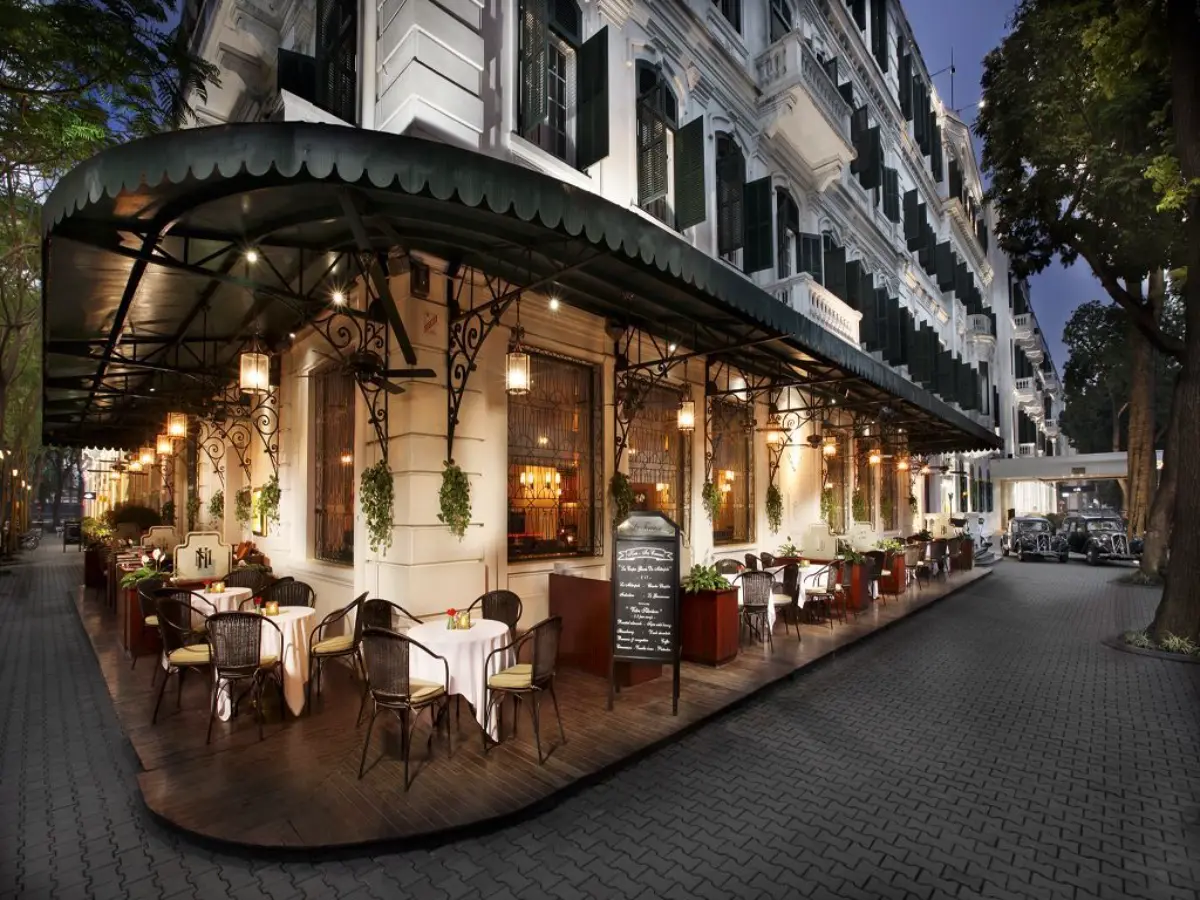
The ultimate crown jewel of classic French colonial elegance. Nostalgic white facades, timeless ironwork, and cinematic grandeur embody the peak of Indochine luxury.

Timeless Art Deco elegance sitting proudly on the banks of the Perfume River facing the ancient Imperial Citadel.

An architectural sanctuary layout directly on the pristine coast. Unrivaled luxury villas and soul-stirring cultural spas.

A pristine architectural heritage sanctuary dating back to 1930. Bask in old-world Saigon charm with opulent crystal chandeliers and nostalgic French-Indochine design lines.