
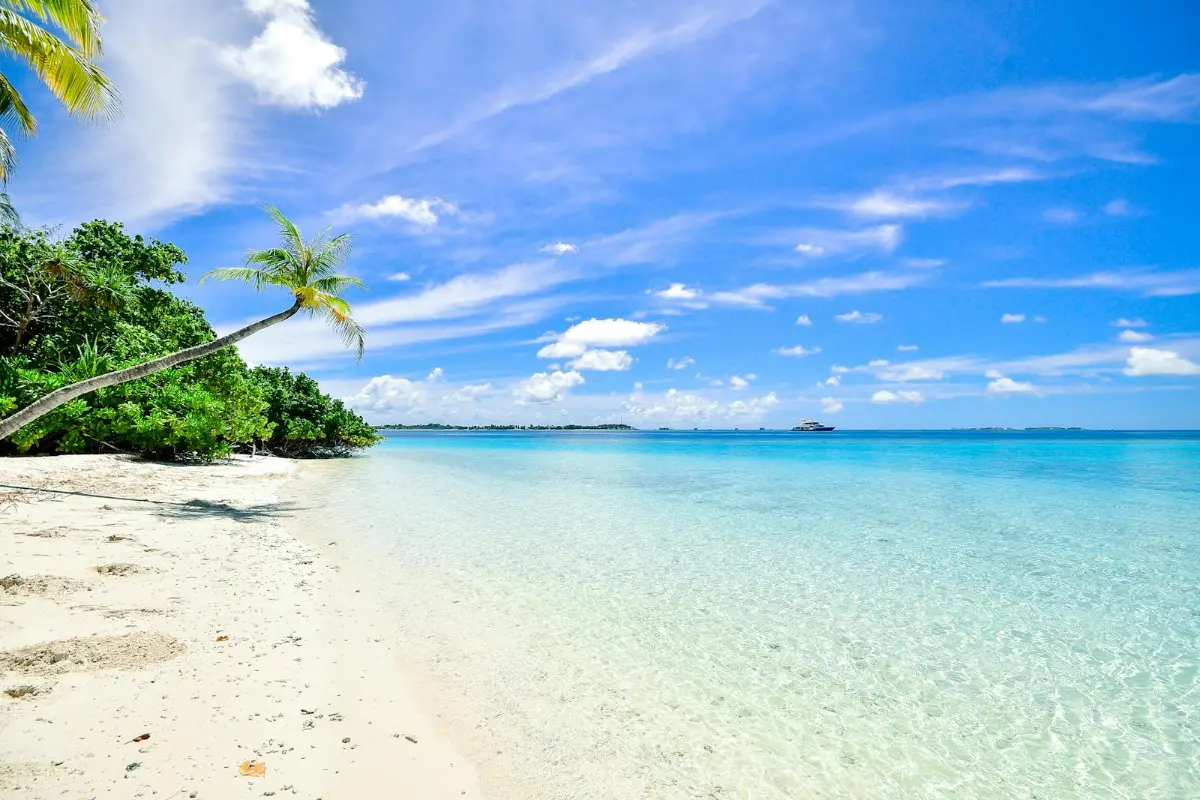
Koh Rong is the kind of place that travel dreams are made of: powder‑soft white sand, water so clear you can see your toes at chest depth, and a jungle interior that hides waterfalls and monitor lizards. But what truly sets this Cambodian island apart is the bioluminescent plankton that turns the night sea into a constellation of electric blue stars. This 2026 guide covers everything — from ferry schedules and beach hopping to budget bungalows and eco‑luxury resorts.
Quick Snapshot: Koh Rong at a Glance
| Category | Key Information for 2026 |
|---|---|
| Location | Gulf of Thailand, 25 km off Sihanoukville, Cambodia |
| Area | 78 km² (approx.) |
| Main Village | Koh Rong Village (east coast, ferry pier) |
| Best Time to Visit | November – May (dry season, calm seas) |
| Travel from Sihanoukville | Speed ferry: 45–60 minutes (multiple operators) |
| Signature Experience | Bioluminescent plankton night swim (best on moonless nights) |
| Top Beaches | Long Beach (4kms of sand), Coconut Beach, Police Beach, Sok San Beach |
| Budget Bungalow (fan, shared bath) | $10–25 USD per night |
| Mid‑range Resort (AC, private) | $40–80 USD per night |
| Luxury Eco‑Resort | $120–250+ USD per night |
| Getting there from Phnom Penh | Bus + ferry combo: 4–5 hours, $20–30 USD |
Getting to Koh Rong: Ferry from Sihanoukville
The only way to reach Koh Rong is by speed ferry from Sihanoukville (also called Kampong Som). Multiple operators run daily services: Speed Ferry Cambodia, GTVC, Buva Sea, Island Speed Ferry. Travel time is 45–60 minutes, with tickets costing $15–25 USD one way. Most ferries depart from Sihanoukville Autonomous Port (new passenger terminal) or Serendipity Pier. During high season (December–February), book at least 2–3 days in advance. From Phnom Penh, you can take a comfortable bus (Giant Ibis, Virak Buntham) to Sihanoukville (4–5 hours, $10–15 USD) and connect directly to the ferry pier — many operators sell combined bus+ferry tickets.
Pro tip: The sea can get rough from June to October. If you are prone to motion sickness, take medication 30 minutes before departure and choose a seat on the lower deck at the back. Avoid the very front of the speed ferry.
Best Time to Visit Koh Rong
| Season | Months | Weather & Sea Conditions | Travel Advice |
|---|---|---|---|
| Peak Dry Season | December – February | Sunny, calm seas, low humidity | Perfect weather but highest prices and crowds. Book ferries and accommodation 2–4 weeks ahead. |
| Shoulder Dry | March – May | Still sunny, occasional light winds, warmer | Excellent balance of good weather and fewer tourists. Good discounts on rooms. |
| Low Season (Green) | June – October | Rainy, rough seas, fewer ferries, possible cancellations | Very low prices (up to 50% off), but pack rain gear and allow flexible travel days. Bioluminescence can still be seen. |
Where to Stay: Accommodation Guide
Budget (Under $30/night)
Monkey Island – The original backpacker hub on Long Beach. Basic bungalows, great social vibe, bar right on the sand. Nest Beach Club – Simple fan bungalows steps from the water, popular with young travelers. Sunrise Resort – Quiet option near the main village, clean and affordable.
Mid‑range ($40–$80/night)
White Beach Bungalows – Private AC bungalows on Police Beach, excellent value. Koh Rong Hill Beach Resort – Perched on a hill with panoramic views, infinity pool. Long Beach Resort – Spacious rooms, restaurant, and easy access to the famous 4km stretch of sand.
Luxury & Eco‑Resorts ($120–$250+)
Royal Sands Koh Rong – The most luxurious property on the island: private villas with plunge pools, butler service, and a stunning beachfront. Song Saa Private Island – Just off the coast of Koh Rong, this ultra‑luxury private island resort features overwater villas, a marine reserve, and all‑inclusive gourmet dining. The Secret Garden Koh Rong – Rustic‑luxury with beautiful landscaping, a pool, and excellent Khmer‑Western fusion food.
Top Beaches & Activities
Long Beach (Sok San Beach): A 4‑kilometer stretch of powder‑white sand on the western side. It is the island’s most famous beach. You can walk from one end to the other for about an hour. Sunset here is spectacular. Accessible by boat from the main village ($5–10 per person) or by a jungle trek (45–60 minutes).
Coconut Beach: A smaller, sheltered bay near the main village. Great for swimming and kayaking. Plenty of budget bungalows and casual restaurants.
Police Beach: Named after a nearby police station, this beach offers calm water and a relaxed atmosphere. Good for families.
Bioluminescent Plankton: The island’s magical secret. On moonless nights, microscopic organisms in the water emit a bright blue glow when disturbed. The best way to experience it is a night swim or kayak tour. Operators offer guided trips from the main village ($10–15 per person). The peak season for bioluminescence is from November to April, but it can be seen year‑round.
Diving & Snorkeling: Koh Rong’s waters are home to coral reefs, tropical fish, and even occasional reef sharks. Dive shops offer PADI courses (Open Water from $300) and fun dives ($60–80). Top spots include Koh Rong Samloem (neighbouring island) and the rocky islets off the southern tip.
Jungle Trekking: A hiking trail connects the main village to Long Beach through dense jungle. Allow 45–60 minutes. Wear sturdy shoes, bring insect repellent, and carry water. You might spot monitor lizards, macaques, and colourful birds.
Where to Eat: Khmer Flavours & Fresh Seafood
Most of Koh Rong’s dining is casual, beachfront, and wonderfully fresh. Must‑try dishes: Fish amok (steamed coconut fish curry), green mango salad, Kampot pepper crab, and barbecued squid. The main village has a cluster of restaurants serving both Khmer and Western food. For a special meal, book a table at one of the luxury resorts (Royal Sands, Song Saa) which offer elevated dining with sunset views.
Proposal 3-Day Itinerary
Day 1: Arrive by morning ferry from Sihanoukville. Check in to your hotel (choose mid‑range or luxury if you want AC). Spend the afternoon at Coconut Beach, swimming and relaxing. Watch sunset from the main village pier. Dinner of fresh grilled seafood. Join a bioluminescent night kayak tour after dark (if moonless).
Day 2: Take a boat to Long Beach (or hike the jungle trail). Spend the whole day on this spectacular 4km stretch. Pack a picnic or buy from small vendors on the beach. Late afternoon, return to the main village. Evening: enjoy a traditional Khmer fish amok and try the local Angkor beer.
Day 3: Morning snorkeling or diving trip (half day). Visit nearby Koh Rong Samloem for even more pristine reefs. Return to Koh Rong for lunch. Afternoon at Police Beach. Catch an afternoon ferry back to Sihanoukville, or extend your stay for more island time.
Practical Tips & What to Pack
Electricity: Most mid‑range and luxury resorts have 24‑hour electricity. Some budget bungalows run generators from late afternoon until midnight. Bring a power bank.
Cash is king: ATMs are scarce and often unreliable. Bring sufficient US dollars or Cambodian riel in cash. Credit cards are accepted only at higher‑end resorts (sometimes with a surcharge).
Internet & mobile: Cell service (Smart, Metfone) works reasonably well near the main village but may be spotty on Long Beach and remote areas. Many hotels offer Wi‑Fi, but it can be slow during peak hours.
Packing essentials: Biodegradable sunscreen (to protect coral reefs), insect repellent, flashlight or headlamp (paths are unlit), water shoes (rocky entries at some beaches), reusable water bottle (refill at your hotel), and motion sickness tablets for the ferry.
Is Koh Rong Safe?
Yes. Koh Rong is generally very safe for tourists. Petty theft is rare but not impossible; lock your valuables. The biggest risks are the sea (strong currents on some beaches) and the jungle trail (slippery after rain). Always ask locals about swimming conditions. Solo female travelers report feeling comfortable, especially in the main village and established resorts.
Koh Rong vs. Koh Rong Samloem: Which to Choose?
Koh Rong Samloem is the smaller, quieter sister island further south. It has no roads, fewer than 1,000 permanent residents, and a handful of eco‑resorts. If you want complete seclusion, pristine reefs, and a castaway feel, choose Samloem. If you want more dining options, nightlife, and easier access to bioluminescence tours, choose Koh Rong. Many travelers split their time: 2 nights on Koh Rong, 2 nights on Samloem. Ferries run between the islands several times per day.