Indochine Chic
Luxury travel experiences crafted with elegance and authenticity.

The Ultimate Pillar Guide to Indochine Architecture, Design, and Travel Experiences
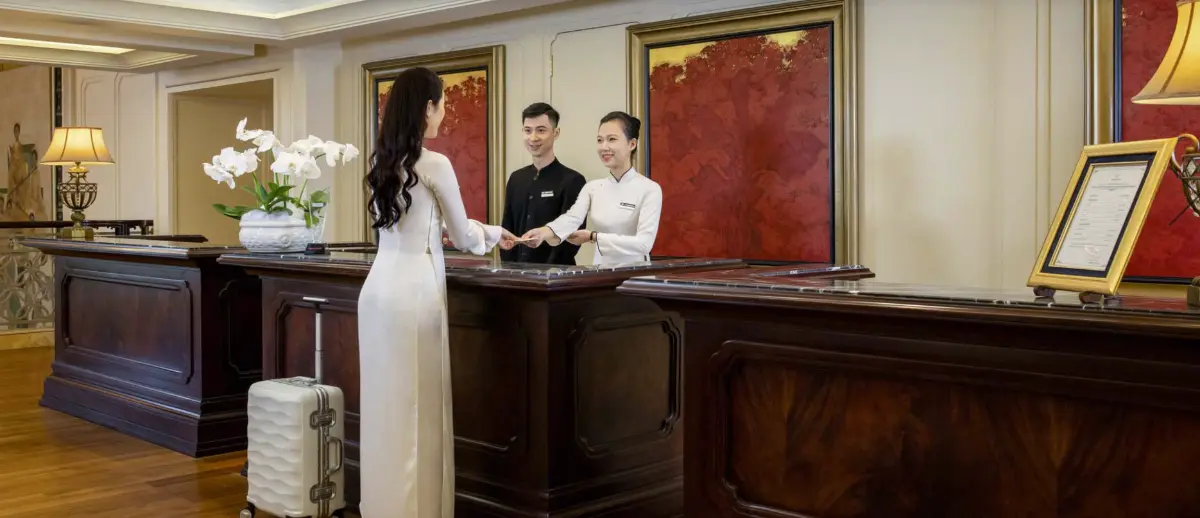
There is a distinct aesthetic that whispers through the corridors of Vietnam’s most elegant hotels and resorts — a quiet conversation between East and West, past and present, French romanticism and Vietnamese sensibility. This is Phong Cách Đông Dương, the Indochine style. In 2026, from Sapa’s misty mountains to Phu Quoc’s turquoise waters, this timeless design language shapes luxury travel. This guide explores its hallmarks, iconic properties, and curated experiences.
The term “Indochine” — a blend of “India” and “Chine” (China) — captures the essence of a unique architectural fusion born from French colonial rule in Southeast Asia. Colonial architects in Vietnam, Cambodia, and Laos reimagined European forms for the tropical climate, using local materials and incorporating native artistic motifs. The result was a new hybrid language: grand yet tropical, elegant yet functional.
In 2026, the Indochine style is experiencing a powerful renaissance. From the Sofitel Legend Metropole Hanoi to Bill Bensley’s whimsical Hotel de la Coupole, from the minimalist serenity of Amanoi to the neo-colonial romance of Indochine Palace in Hue, Vietnam’s most celebrated hotels embrace this aesthetic not as nostalgia, but as a living, breathing design philosophy.
French colonial facades with high ceilings, grand staircases, and symmetrical designs. Deep wooden jalousie shutters for ventilation and spacious shaded verandas create seamless indoor-outdoor flow.
Teak wood for flooring and furniture, handmade terracotta or encaustic cement tiles with intricate mosaic patterns, and wrought iron railings and balconies.
Iconic mustard-yellow (as seen at the Presidential Palace in Hanoi) balanced with crisp white trim, deep green shutters, and accents of terracotta, ochre, and indigo inspired by Vietnamese lacquerware and textiles.
Inside, ornate European chandeliers and mirrors meet dark-stained wooden furniture. Four-poster beds with airy mosquito netting add romance. Hand-carved wooden decorations tell local stories. Landscaping features tropical gardens with palm trees, bougainvillea, frangipani, lotus ponds, stone pathways, lanterns, and clay water vases — turning each property into a living work of art.
Bill Bensley’s Maximalist Indochine: Hotel de la Coupole as “a luxurious French train station lost in the mountains,” blending Parisian fashion with hill tribe colors.
Jean-Michel Gathy’s Minimalist Indochine: At Amanoi, architecture “embraces a contemporary style infused with refined elegance of Vietnamese culture,” with pavilions set apart for privacy.
Many Indochine resorts lead in sustainability: Potique Hotel eliminated single-use plastics and trains staff in GSTC; The Anam uses sustainable teak and supports local artisans; Amanoi blends seamlessly with nature, leaving forest and rock formations untouched.
The Indochine style is not a museum piece. From the 1901 grandeur of Sofitel Legend Metropole Hanoi to the whimsical maximalism of Hotel de la Coupole, from the minimalist serenity of Amanoi to the art-filled halls of The Anam and the neo-colonial romance of Indochine Palace, this aesthetic offers a gateway to Vietnam’s layered history. It is a style born of colonial encounter but now reimagined by Vietnamese hands and hearts — valuing craftsmanship, natural materials, and harmony with the landscape. For the discerning traveler, experiencing Indochine style means stepping into a story of cultural fusion and enduring beauty.
— The Indochine Chic Team