Indochine Chic
Luxury travel experiences crafted with elegance and authenticity.

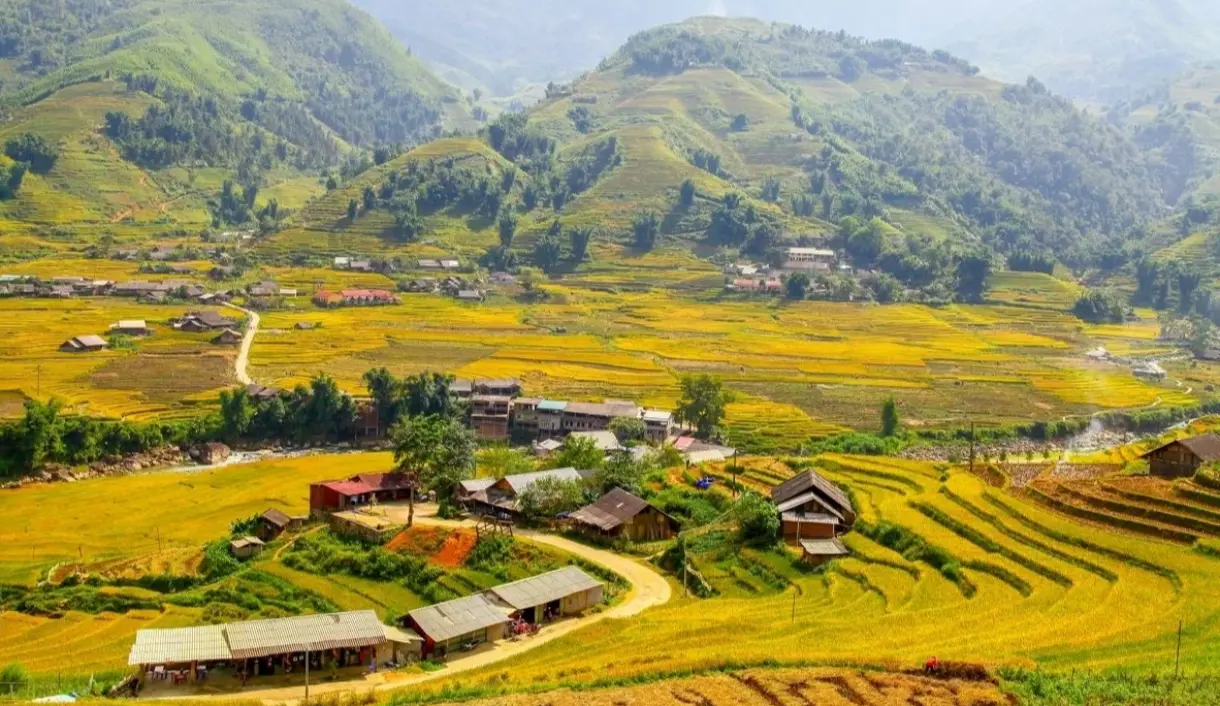
In April 2026, the international travel magazine Condé Nast Traveller named Sa Pa among the 53 most beautiful small towns in the world. It is the only representative from Vietnam on this prestigious global list, which also includes Rovinj in Croatia, Chefchaouen in Morocco, Bled in Slovenia, and Bar Harbor in the United States.
This pillar guide unpacks the recognition, the reasons behind Sa Pa’s global appeal, the tourism boom that has followed, and everything you need to plan your own journey to Vietnam’s most beautiful small town.
| Location | Lao Cai Province, northern Vietnam, near Chinese border |
| Altitude | Approximately 1,500–1,600 metres above sea level |
| Known For | Terraced rice fields, Fansipan (“Roof of Indochina”), ethnic minority cultures (Hmong, Dao, Tay, Giay) |
| 2026 Recognition | Named among world’s 53 most beautiful small towns by Condé Nast Traveller (only Vietnamese representative) |
| 2025 Accolades | Asia’s fastest-growing destination (Agoda); Topas Ecolodge #3 in Top 20 Resorts in Asia (Condé Nast Traveller Readers’ Choice Awards) |
| Peak Season | March–May (spring blossoms) & September–November (golden rice harvest) |
| From Hanoi | 5–6 hours by car/bus; overnight sleeper train also available |
Condé Nast Traveller described Sa Pa as a “quiet mountain town” far from Vietnam’s popular beach resorts and teeming heritage sites, praising its mountain vistas, lush green rice terraces, and proximity to waterfalls and hiking trails. Each season paints the landscape in its own hues—from plum and peach blossoms in spring to golden valleys in autumn and occasionally snow-dusted peaks in winter.
Of the 53 towns selected, Sa Pa stands as Vietnam’s sole representative—a distinction that carries significant weight. The recognition marks a shift toward slow living and deeper connections with nature, acknowledging that Sa Pa offers authenticity, tranquility, and a landscape that feels untouched.
Major outlets in South Korea and Thailand picked up the story. Naver described Vietnam as an ideal getaway for middle-aged and senior travellers, noting the Fansipan cable car makes the “Roof of Indochina” accessible. Bangkok Today praised Sa Pa as combining romance and adventure.
In January 2026, Agoda announced that Sa Pa was Asia’s fastest-growing destination in 2025, climbing 15 places in the ranking of Asia’s top 100 destinations. Vu Ngoc Lam, Country Director of Agoda Vietnam, explained: “Sa Pa boasts impressive natural scenery and offers relaxing resort experiences amid the fresh, cool highland air.”
In 2012, Sa Pa welcomed just over 500,000 visitors for the entire year. The launch of the Fansipan cable car in 2016 changed everything: in its first year, Sa Pa surpassed one million visitors. During the four-day New Year holiday alone, Sa Pa received approximately 148,000 visitors—nearly one-third of its total 2012 volume.
During Lunar New Year (Tet) 2026, Sa Pa recorded room occupancy of 90–95%. For Lao Cai province, visitor numbers reached approximately 3.4 million in 2026 (including >515,000 international arrivals), generating an estimated VND 12.87 trillion in revenue — exceeding 25% of its annual target.
The most iconic image of Sa Pa is its terraced rice fields—cascading green, gold, and amber staircases carved by Hmong and Dao farmers over generations. May–July: water-flooded terraces reflect the sky. August–September: lush green carpet. September–October: golden harvest (2–3 week window).
Towering at 3,143 metres, Fansipan is Vietnam’s highest peak and the highest in Indochina. The Fansipan cable car (opened 2016) whisks visitors to the summit in 15 minutes, offering panoramic views of Muong Hoa Valley. At the top: Bich Van Pagoda, a 13.5-metre Amitabha Buddha statue, and prayer-flag-lined stone stairways.
| Season | Months | Beauty |
|---|---|---|
| Spring | March–May | Plum and peach blossoms; clear skies; 20–25°C |
| Summer | June–August | Lush green terraces; occasional rain |
| Autumn | September–November | Golden rice harvest; best trekking conditions |
| Winter | December–February | Misty, cold (3–5°C); occasional snow dusting |
Just two kilometres from Sa Pa centre, this traditional Hmong village offers wooden stilt houses, waterfalls, and handicrafts. Watch local artisans create textiles, silver jewellery, and embroidery.
Deep in Muong Hoa Valley, overnight homestays with Dzay and Hmong families offer shared meals, storytelling, and waking to roosters and mist rising from rice fields.
Every Sunday, ethnic minority groups gather for a riot of colour and activity—a photographer’s dream and cultural anthropologist’s paradise.
Specifically recommended by Condé Nast Traveller, Topas Ecolodge features 50 stilt-house-style rooms with forest vistas. Ranked #3 among Top 20 Resorts in Asia in Condé Nast Traveller Readers’ Choice Awards 2025 (98.41/100). Located 45 minutes from town centre.
Designed by Bill Bensley. European style with highland cultural elements. Located next to the cable car station. Prices from approximately $103 USD/night.
| Hotel | Price Range (USD/night) | Highlights |
|---|---|---|
| Silk Path Grand Sapa Resort & Spa | $80–150 | 5-star; near Sapa Catholic Church |
| Sa Pa Highland Resort & Spa | $60–120 | Panoramic views of Ham Rong Mountain and Fansipan |
| Pistachio Hotel Sapa | $50–100 | Modern design, central location |
| Homestays (Ta Van, Lao Chai) | $15–30 | Includes dinner & breakfast; authentic immersion |
| Method | Duration | Cost (USD) | Notes |
|---|---|---|---|
| Private car | 5–6 hours | $100–150 | Most comfortable; door-to-door |
| Luxury limousine van | 5–6 hours | $20–30 | Shared van; limited luggage |
| Sleeper bus | 6–7 hours | $15–25 | Overnight option |
| Sleeper train + taxi | 8–9 hours | $25–40 + $15–20 | Classic experience; train to Lao Cai then taxi |
| Priority | Recommended Months | Why |
|---|---|---|
| Golden rice terraces | September–October (2–3 week window) | Iconic harvest season; fields turn brilliant gold |
| Trekking | March–May & September–November | Clear skies, cool temperatures, dry trails |
| Spring blossoms | March–April | Plum and peach flowers; rose festival late April |
| Cloud hunting (winter) | December–February | Misty landscapes; dramatic photography |
Pro tip from Lonely Planet: Visit Sa Pa during the week if you can. On weekends—no matter the season—the town and its nearby attractions will be packed with tour groups.
Day 1: Arrive Sa Pa. Explore Cat Cat Village. Afternoon at Ham Rong Mountain. Evening at Sa Pa Market.
Day 2: Fansipan cable car (full morning). Afternoon Silver Waterfall. Depart Sa Pa.
Day 1: Arrive. Explore town centre and Sa Pa Museum.
Day 2: Full-day trek to Lao Chai and Ta Van villages (6–8 hours). Homestay overnight.
Day 3: Morning at leisure. Afternoon Fansipan cable car. Depart.
Day 1: Arrive. Sunset at Ham Rong Mountain.
Day 2: Trek to Cat Cat, Sin Chai, Suoi Ho villages.
Day 3: Fansipan cable car. Afternoon relaxation at Topas Ecolodge.
Day 4: Silver Waterfall and Love Waterfall. Depart.
Layered clothing — temperatures vary dramatically.
Sturdy walking shoes or hiking boots — trails can be muddy.
Rain jacket — rain possible year-round.
Sun protection — high altitude means strong UV rays.
Cash (VND) — many villages do not accept cards.
Ask before taking photos of ethnic minority people.
Dress modestly in villages or pagodas.
Support local economies by purchasing handicrafts directly.
Do not give candy or money to children — it encourages begging. Donate to local schools instead.
1. Visiting only on a weekend.
2. Underestimating the cold — winter can near freezing.
3. Booking a day trip only — Sa Pa deserves 2–3 days.
4. Skipping the homestay experience — the villages are the soul of Sa Pa.
Conclusion: A Recognition Earned, a Future Worth Protecting
Sa Pa has always been beautiful. The Hmong and Dao knew it when they carved the first terraces. The French knew it when they built their hill station. Now Condé Nast Traveller has confirmed it for the world.
The title of one of the “53 most beautiful small towns on the planet” is not merely a marketing trophy. It is a responsibility. For the people of Sa Pa, it is an opportunity to share their home. For travellers, it is an invitation to experience a landscape that feels like it belongs to another century.
Pack layers. Bring good shoes. Leave time to get lost in the rice fields. Sa Pa is waiting. The mist will welcome you.
— The Indochine Chic Team
Sources: Condé Nast Traveller, Vietnam National Authority of Tourism, Agoda, Sun Group, VOV.VN, VietnamPlus, The Outbox Company, Lonely Planet. All data verified as of April 2026.