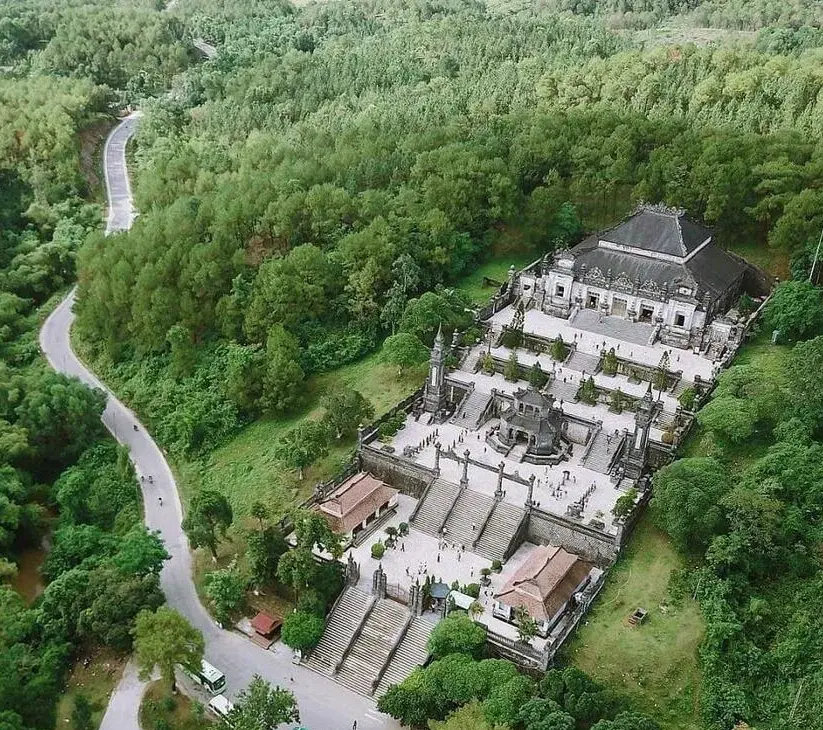
Heritage Hotels
Stay inside history within colonial mansions, converted royal residences, and boutique heritage gems across Indochina’s most beautiful cities.
Explore Hotels →Vietnam’s New Aviation Gateway — Complete Guide
Long Thanh International Airport is set to transform travel to Southern Vietnam when commercial operations begin in December 2026. Located approximately 40 kilometers east of Ho Chi Minh City in Dong Nai province, this massive infrastructure project represents Vietnam’s largest aviation investment and will reshape how travelers access one of Southeast Asia’s most dynamic regions. This comprehensive guide covers everything you need to know — from the lotus-inspired terminal design to transportation options, airlines, and what this means for your Vietnam travel plans.

Tan Son Nhat International Airport, Ho Chi Minh City’s current gateway, has been operating well above its design capacity for years. With passenger numbers continuing to surge, the need for a new, larger airport became urgent. Long Thanh International Airport is the answer — a massive infrastructure project designed to accommodate Vietnam’s booming aviation sector and position the country as a regional aviation hub.
The new airport will handle the increasing number of international tourists visiting Vietnam, support the country’s growing economy, and provide a modern, efficient gateway to Southern Vietnam. By 2050, Long Thanh is planned to handle up to 100 million passengers annually, positioning it among the largest airports in Southeast Asia alongside Singapore Changi and Bangkok Suvarnabhumi.

Long Thanh International Airport’s commercial operations are targeted for December 1, 2026. The airport held a ceremonial technical opening on December 19, 2025, when the first flights landed on its new 4,000-meter runway. As of June 2026, the main construction packages are approximately 64% complete, with trial operations scheduled monthly from September to November 2026.

The terminal design of Long Thanh International Airport is inspired by the lotus flower — Vietnam’s national flower and a symbol of purity, perseverance, and elegance. The architectural design features sweeping curves and layered structures that mimic lotus petals, creating a visually stunning and culturally significant gateway to Vietnam.
The terminal incorporates sustainable design principles, including solar energy systems, water recycling, and natural lighting. As a smart airport, Long Thanh will feature cutting-edge technology throughout the passenger journey — from biometric boarding and facial recognition to automated baggage handling and AI-powered operations.
| Stage | Passengers / Year | Runways | Terminals |
|---|---|---|---|
| Phase 1 (2026) | 25 million | 1 | 1 |
| Phase 2 | 50 million | 2 | 2 |
| Full Build (2050) | 100 million | 4 | Multiple |
Phase 1 alone matches the capacity of a major regional hub, while the full build will place Long Thanh among the world’s largest airports.
Long Thanh will gradually take over international flights from Tan Son Nhat. Major airlines expected to operate include:
Flag carrier expected to move long-haul international services to Long Thanh, including flights to Europe, Australia, and North America.
Low-cost carrier expanding its international network from the new airport.
Growing airline expected to operate both domestic and international routes.
SkyTeam, Star Alliance, and oneworld members expected to serve the new airport.
| Feature | Long Thanh (LTH) | Tan Son Nhat (SGN) |
|---|---|---|
| Location | Dong Nai Province (40 km east) | Ho Chi Minh City (5 km north) |
| Runways | 1 (Phase 1) / 4 (Full) | 2 |
| Capacity | 25M (Phase 1) / 100M (Full) | 25M (over capacity) |
| Role | Long-haul international | Domestic & short-haul |
| Opening | December 2026 | 1930s (operating) |

Available at the terminal. Estimated fare to District 1: 500,000 – 700,000 VND ($20–28). Travel time: 60-90 minutes depending on traffic.
Pre-booked luxury transfer. Estimated cost: 800,000 – 1,200,000 VND ($32–48). Travel time: 50-70 minutes. Book Private Transfer →
Available via app. Estimated cost: 400,000 – 600,000 VND ($16–24). Travel time: 60-90 minutes.
Budget option. Estimated cost: 150,000 – 200,000 VND ($6–8). Travel time: 90-120 minutes with stops.
Premium group transfer. Estimated cost: 1,000,000 – 1,500,000 VND ($40–60). Travel time: 50-70 minutes.
Metro (Thu Thiem to Long Thanh) and high-speed rail proposed, expected around 2030.
40 km · 60-90 minutes
35 km · 50-80 minutes
42 km · 65-95 minutes
45 km · 70-100 minutes
38 km · 55-85 minutes
95 km · 2-2.5 hours
The Ho Chi Minh City to Long Thanh to Dau Giay Expressway is the main link, with expansion to 8-10 lanes targeted around December 2026. Road transfers will handle most arrivals at opening, as rail and metro links are expected later (around 2030). Plan for a connectivity gap at opening.
Modern immigration with e-gates, facial recognition, and biometric processing. Faster clearance compared to Tan Son Nhat.
Self check-in kiosks, automated baggage drop, and digital boarding. AI-powered operations for efficiency.
Business Class, First Class, and Priority Pass lounges with dining, spa, shower, and family rooms.
Duty Free, luxury brands, Vietnamese cuisine, coffee shops, and premium restaurants.
Children’s facilities, prayer rooms, medical center, and pet relief areas.
Full accessibility for passengers with reduced mobility.

The opening of Long Thanh International Airport marks a pivotal moment for tourism in Southern Vietnam. For decades, Tan Son Nhat’s capacity constraints have limited the region’s ability to grow international arrivals. Long Thanh changes this equation entirely.
Why this matters for travelers: The new airport will enable significantly more direct international flights to Southern Vietnam. Currently, many long-haul carriers are unable to secure slots at Tan Son Nhat. Long Thanh’s additional capacity will open the door to new routes from Europe, North America, and Australia. For travelers, this means fewer connections, shorter journey times, and more choices when planning their Vietnam itinerary.
Why this matters for the region: The economic ripple effects will be substantial. Improved international connectivity directly correlates with increased tourism revenue, job creation, and infrastructure development. The Mekong Delta, with its floating markets and river life, will become more accessible to international visitors who previously found the journey from Tan Son Nhat challenging. Coastal destinations like Vung Tau, Phan Thiet, and Mui Ne will benefit from faster, more convenient access via the expanding expressway network. Even Cambodia stands to gain, as the new airport strengthens regional connectivity and cross-border tourism.
Why this matters for luxury travel: For discerning travelers, Long Thanh represents a new standard of arrival experience. The modern terminal, efficient immigration processes, and premium transfer options will set the tone for a sophisticated journey. Coupled with the growing portfolio of luxury resorts in Southern Vietnam, this positions the region as a compelling alternative to more established Southeast Asian destinations.
Here is how Long Thanh will transform access to key destinations across Southern Vietnam:
Improved international connectivity will boost business and leisure tourism. The city’s luxury hotel sector, dining scene, and cultural attractions will benefit from increased visitor numbers and longer stays. Explore Saigon →
Easier access to the Mekong Delta will increase tourism to floating markets and river life. The region’s unique cultural heritage and natural beauty will become more accessible to international visitors. Explore Mekong Delta →
Coastal resorts will see more international visitors via expressway connections. These beach destinations are poised for significant growth in luxury tourism. Explore Vung Tau →
Better regional connectivity will boost tourism to this island paradise. The archipelago’s pristine beaches and historical significance will attract more discerning travelers. Explore Con Dao →
Improved access from the new airport will increase tourism to the highlands. The city’s cool climate, French colonial architecture, and outdoor adventures will become more accessible. Explore Da Lat →
Cross-border tourism will grow with improved regional connectivity. The new airport strengthens Vietnam’s role as a regional gateway for combined Indochina itineraries. Explore Cambodia →
The Long Thanh masterplan envisions a fully integrated Airport City by 2050, including:
Four runways, multiple terminals, and expanded cargo facilities.
Commercial districts, business parks, hotels, convention centers, and retail zones.
North-South high-speed rail connection integrated with the airport.
Urban railway linking Thu Thiem to Long Thanh.
Positioned alongside Singapore Changi and Bangkok Suvarnabhumi as a major Southeast Asian aviation hub.
Commercial flights are targeted for December 1, 2026. The airport held a ceremonial technical opening in December 2025.
No. Both airports will operate. Long Thanh will handle long-haul international flights while Tan Son Nhat continues to serve the city.
The IATA code for Long Thanh International Airport is LTH.
Long Thanh is about 40 kilometers east of central Ho Chi Minh City, roughly an hour by road via the expressway.
Road transfers via taxi, private car, shuttle bus, or ride-hailing will handle most arrivals at opening. Metro and rail links are expected later (around 2030).
Vietnam Airlines, VietJet Air, Bamboo Airways, and major international carriers are expected to operate from Long Thanh.
Yes. Long Thanh will offer Duty Free shopping, luxury brands, and Vietnamese souvenirs.
Airport hotels and transit hotels are expected to develop in the Airport City area. Luxury and business hotels will follow.
For international flights, arrive 2-3 hours before departure. For domestic flights, arrive 1.5-2 hours before.
Yes. Modern e-gates, facial recognition, and biometric processing are expected to significantly reduce immigration times.
Let our travel specialists arrange seamless airport transfers and luxury transportation for your arrival in Southern Vietnam.
hello@indochinechic.com · Luxury Travel · Curated Since 2022
2026 Indochine Chic — Long Thanh International Airport Opening December 2026
Dong Nai Province · Vietnam
Luxury Travel · Curated Since 2022
Explore the living legacy of Indochina through our curated editorial collection of heritage guides, hotels, and experiences.
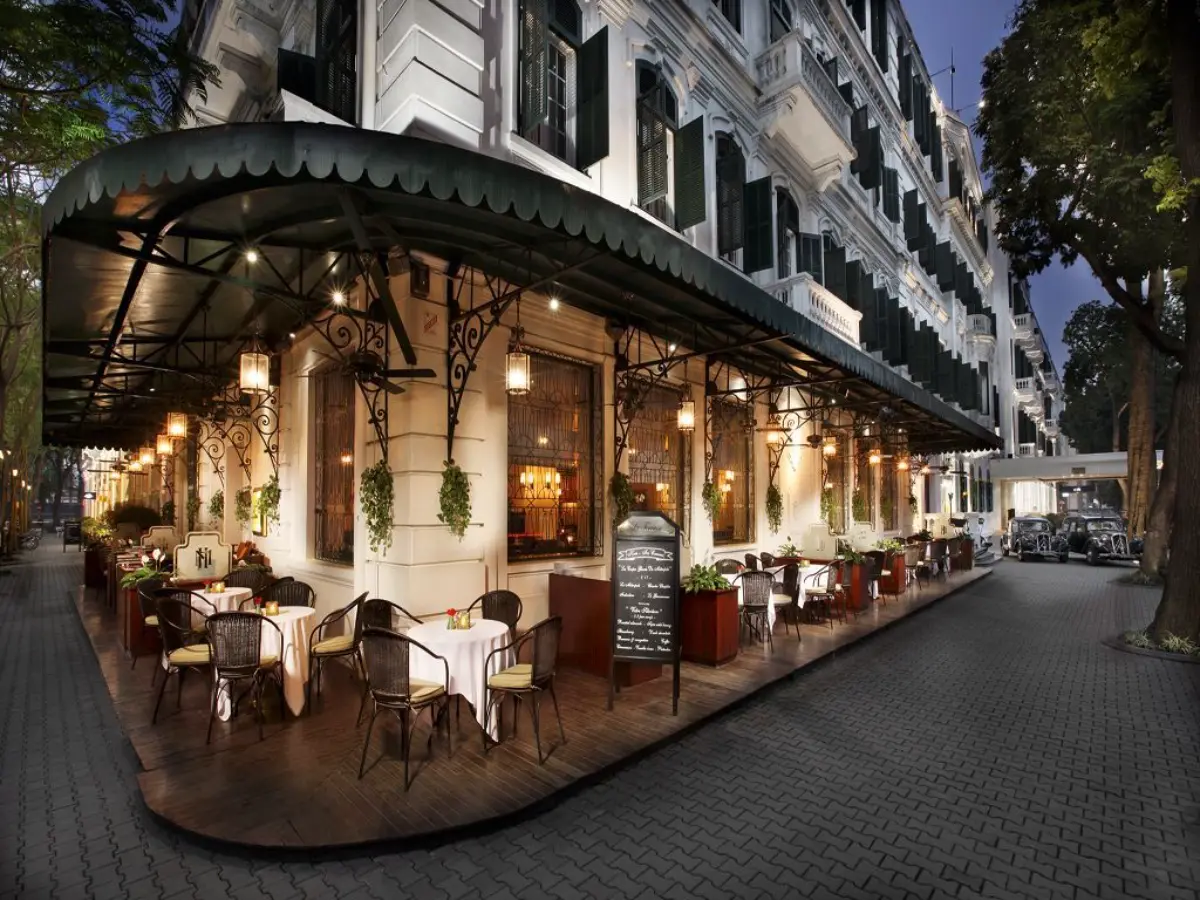
The ultimate crown jewel of classic French colonial elegance. Nostalgic white facades, timeless ironwork, and cinematic grandeur embody the peak of Indochine luxury.

Timeless Art Deco elegance sitting proudly on the banks of the Perfume River facing the ancient Imperial Citadel.

An architectural sanctuary layout directly on the pristine coast. Unrivaled luxury villas and soul-stirring cultural spas.

A pristine architectural heritage sanctuary dating back to 1930. Bask in old-world Saigon charm with opulent crystal chandeliers and nostalgic French-Indochine design lines.