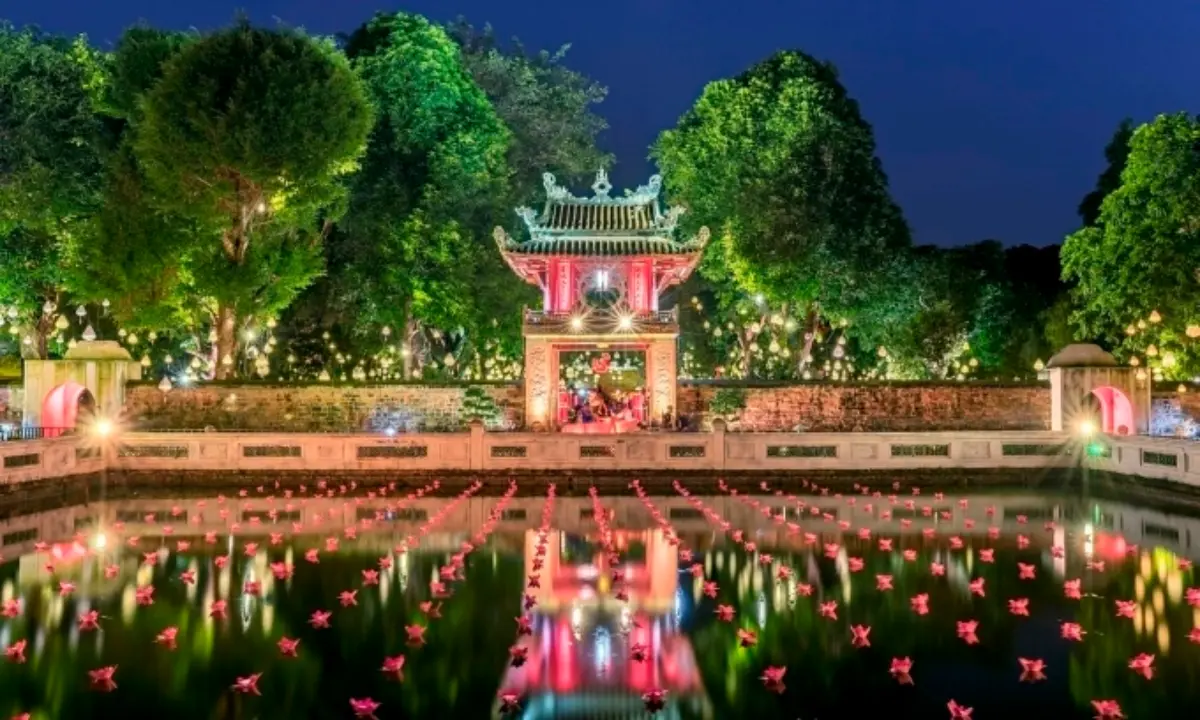
The Renaissance of Indochine Aesthetics
Indochine style — a poetic fusion of French colonial grandeur, Southeast Asian vernacular, and art deco flourishes — has never been more alive. Across the historic landscapes of Vietnam, the royal city of Luang Prabang, and the bustling avenues of Phnom Penh, a new generation of hotels and boutique properties is reinterpreting the Indochine spirit. Not as a nostalgic museum piece, but as a living, breathing language of luxury travel. In this pillar guide, we dissect the architectural DNA, material palettes, spatial rituals, and contemporary adaptations that define Indochine style in the 2020s, spotlighting iconic properties and emerging design ateliers.
“Indochine style is the art of contrast: raw silk against polished brass, shuttered windows framing tropical gardens, lacquerware meeting Murano glass. It’s a celebration of cultural métissage.” — Andy Nguyen
1. Origins & DNA of Indochine Style (1860–1954)
French colonists arriving in Cochinchina, Tonkin, and Annam brought Beaux-Arts and neoclassical ideals, but the humid tropics demanded adaptation. By the 1920s–30s, architects like Ernest Hébrard developed a hybrid grammar: high ceilings, loggias, wooden jalousie shutters, tiled roofs with curved eaves, and interior courtyards. The style absorbed local motifs — lotus capitals, silk lanterns, mother-of-pearl inlays — while retaining French symmetry. This métissage gave birth to “Indochine Style,” later romanticized in films and literature. Today, top-tier hotels revive these gestures not as pastiche but as authentic heritage coding, blending sustainability and modern comfort.
“The genius of Indochine architecture lies in its response to climate and culture — every balcony, every shutter was designed for tropical living long before sustainability became a buzzword.” — Heritage Preservation Society


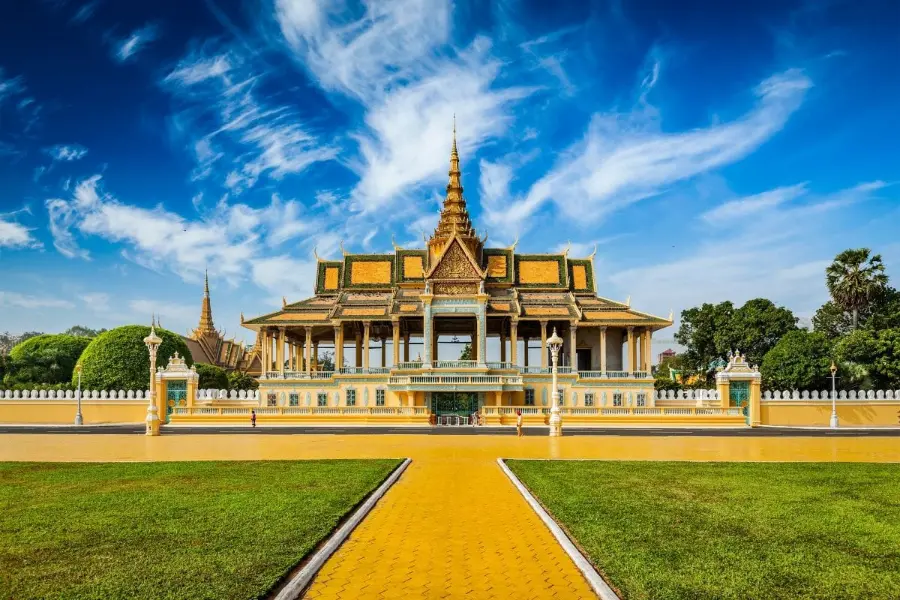
2. Architectural Signatures: From Shutters to Courtyards
Today’s Indochine hotels celebrate recurring elements: louvered shutters controlling tropical light, terrazzo floors with hand-laid patterns, suspended ceilings of woven rattan, and arcaded verandahs. The interior courtyard — a Vietnamese “nha” typology — reappears in properties like Hotel de la Coupole (Sapa) and Azerai La Residence, Hue. Meanwhile, Indochine-style pool pavilions borrow from communal village halls (đình), recontextualized with sunbeds and lotus ponds. Architects today prioritize passive cooling: deep overhangs, cross-ventilation, and greenery integration, all rooted in colonial bioclimatic wisdom.
“Every louvered shutter tells a story of tropical adaptation — breezes channeled, light softened, privacy assured. That’s genius disguised as decoration.” — Heritage Architecture Review
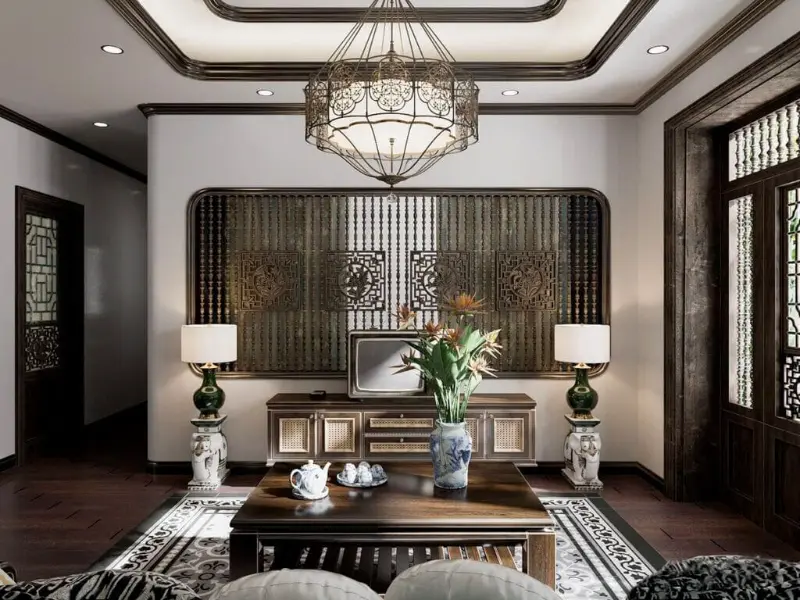
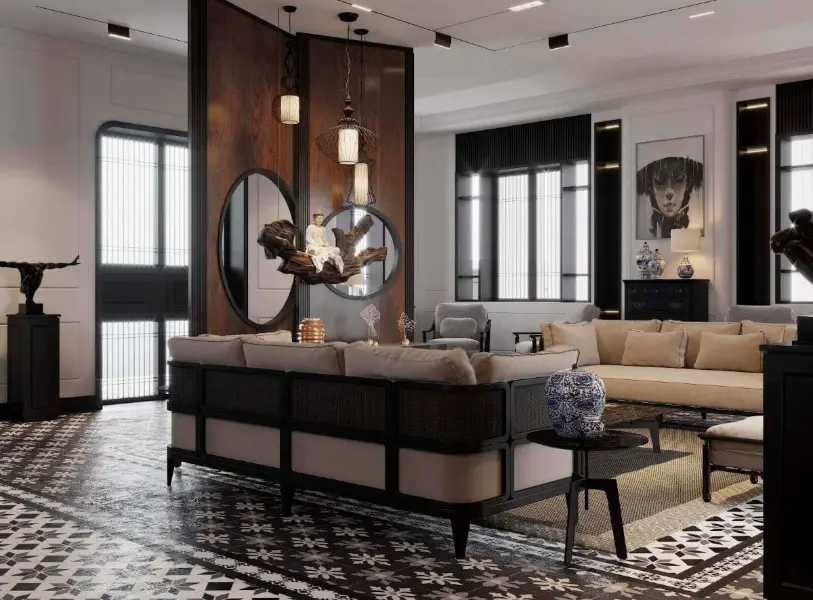
3. The Material Palette: Lacquer, Silk, Rattan & Terrazzo
True Indochine luxury relies on natural, tactile materials. Black lacquer panels (sơn mài) often frame mirrors or headboards; handwoven silk from Ha Dong or Luang Prabang covers cushions and wall panels; rattan and bamboo are employed for screens, lighting, and canopy beds. French-colonial style contributes polished brass hardware, vintage maps, and parquet floors. Leading hotels integrate ceramics from Bat Trang and silk embroideries from Hue. The palette leans to indigo, turmeric ochre, celadon green, and off-white — colors of rice paddies, lacquerware and the South China Sea. At Six Senses Ninh Van Bay, driftwood and monolithic stone meet Indochine-inspired textiles, while Capella Hanoi sculpts an opera-themed Indochine opulence with bespoke furnishing.
“When we design a property, we source from local artisans: Dong Ky woodcarvers, Van Phuc silk villages. That’s not decoration, it’s storyliving.” – Tran Thu Ha, Interior Designer
4. Vietnam’s Finest: Hanoi, Hoi An, Saigon & Beyond
Sofitel Legend Metropole Hanoi (1901): The original Indochine grande dame, with bamboo-wing historic rooms and contemporary heritage wing. Its dark timber, period furnishings, and courtyard garden define colonial luxury. Four Seasons The Nam Hai, Hoi An reimagines Indochine with contemporary villas, reflecting pools, and thatched roofs inspired by ancestral temples. In Ho Chi Minh City, The Reverie Saigon adds Italian flair but pays homage to Indochine through lacquer panels and silk walls. Boutique gems: Mai House Saigon distills 1930s elegance; Salute in Hoi An uses custom rattan and French-indigo fabrics. In the northern highlands, Hôtel de la Coupole – MGallery channels haute couture Indochine with whimsy: patterned tiles, vintage ski posters, and indigo-dyed headboards.
“The Metropole Hanoi doesn’t just preserve history — it lets you sleep inside it, with every silk cushion and polished brass detail telling a story of a century past.” — Condé Nast Traveler


5. Laos & Cambodia: Riverside Temples of Hospitality
In Luang Prabang, a UNESCO gem, Amantaka occupies a former French hospital, with wide verandahs, high ceilings, and minimalist Lao textiles. Rosewood Luang Prabang deploys hill-tribe influences, using natural dyes, hill-tribe embroidery, and exposed timber frames. In Siem Reap, Raffles Grand Hotel d’Angkor (1932) stands as an Indochine icon — black-and-white tiles, ceiling fans, Elephant Bar. Newer entries: Shinta Mani Shack blends Khmer grace with French-colonial bones; Treeline Urban Resort incorporates art deco inspired by 1920s Phnom Penh. Meanwhile, the Cambodian capital’s Raffles Hotel Le Royal offers restored colonial wings with original ironwork and lush gardens, a template for Indochine revival across the Mekong region.
“In Luang Prabang, the Indochine aesthetic breathes through monastic simplicity — white walls, wooden shutters, and the scent of frangipani at dawn.” — Luxury Traveler, 2026


6. Contemporary Indochine: Minimalism meets Heritage
A new school of designers (Reda Amalou, Vo Trong Nghia, Duong Anh) strip away excessive ornament, keeping the essence: black-wood furniture, oversized lanterns, and framed colonial shutters contrasted with concrete and glass. At Zannier Hotels Bãi San Hô (Phu Yen), thatched bungalows fuse local fishing villages with French-camp aesthetic. Regent Phu Quoc interprets Indochine through sky villas with lacquer screens, sculptural rattan, and emerald tiles. Even coworking spaces in Saigon adopt Indochine alcoves — a proof of the style’s staying power. The keyword today is “curated authenticity”: not Disneyfied colonial nostalgia but genuine craft and dialogue between past and present.
“Contemporary Indochine rejects imitation, it evokes memory. A single rattan pendant lamp or an antique floor tile can narrate centuries.” — Design Assembly, 2026
7. Motif Library: Lotus, Lacquer, Lattice Work
Walk into any modern Indochine boutique and you’ll identify recurring motifs: the lotus flower carved on headboards or cast in bronze; lattice woodwork inspired by traditional tube houses; Đông Sơn bronze drum patterns translated into rug motifs; and French herringbone parquet offset by raw silk drapes. Lighting is key: art deco-style wall sconces, rattan globe pendants, and silk-shaded table lamps. Bathrooms feature freestanding clawfoot tubs and polished cement paired with mosaic tiles. The overarching philosophy: each space should tell a story of cultural collision — elegant and effortless.

8. The Luxury Traveler’s Allure
Indochine hotels consistently rank among the world’s most evocative stays. Why? They provide a layered sense of place — not a generic international aesthetic, but a curated immersion into history, artisanry, and tropical sensuality. Luxury travelers value privacy, narrative, and rarity; Indochine properties deliver vintage elegance alongside modern amenities (infinity pools, spas using local ingredients, private butlers). From Heritage Line cruises in Halong Bay to The Vietnam Railway’s Indochine carriages, the style elevates travel into a living museum. According to Indochine Chic’s 2026 data, 78% of high-net-worth clients prioritize properties with authentic Indochine identity over generic 5-star chains.
“Staying at an Indochine hotel feels like stepping into a Wong Kar-wai film — all mystery, romance, and timeless elegance.” — Travel + Leisure, 2026
9. Artisan Preservation & Ethical Design
Most Indochine hotels now partner with social enterprises: Ock Pop Tok in Laos supplies natural-dyed silk; Phare Ponleu Selpak in Cambodia creates Khmer contemporary art; K’Ho Craft in Vietnam’s Central Highlands produces rattan furniture. This synergy revives dying crafts and empowers communities. The Indochine revival contributes directly to UNESCO intangible heritage preservation. Chic Indochine recommends touring Van Phuc Silk Village or Chuon Ngo pearl-inlay village as half-day excursions from Hanoi — seeing the hands that produce the hotel’s decor deepens appreciation.
“Behind every Indochine hotel wall is a network of silk weavers, lacquer artists, and woodcarvers keeping centuries-old traditions alive.” — Social Enterprise Journal
10. Future Indochine: Biophilic & Beyond
The next generation of Indochine hotels (opening 2027–2028) will merge biophilic design with heritage cues. Expect green walls draped over colonial frames, solar-responsive shutters, and VR heritage tours. Nostalgia Hotels Group unveils “Indochine 2.0” in Da Lat: a vertical garden clad in restored shutters, AI concierge in period costume. One thing remains: the romance of ceiling fans, afternoon tea with silver service, and the scent of frangipani. Indochine is not static — it evolves while keeping its soul intact. For travelers and design lovers, it remains Southeast Asia’s most compelling interior movement.
This indochine style guide is a living document, part of Chic Indochine’s commitment to authentic travel intelligence.