Definitive Qui Nhon Beach Guide
Top Beaches in Qui Nhon: Complete A–Z Luxury Guide 2026
From Ky Co’s Turquoise Lagoon to Eo Gio’s Wind‑Swept Cliffs – The Ultimate Compendium of Vietnam’s Rising Coastal Star
Water Clarity Ratings • Privacy Indices • Island Hopping • Luxury Stays • 2026 Verified
Qui Nhon Beach Architecture & Core Intelligence

Figure 1: Qui Nhon Bay – Vietnam’s most underrated coastal destination, often compared to a quieter Nha Trang.
A. Introduction to Qui Nhon’s Coastal Ecosystem
Qui Nhon, the capital of Binh Dinh Province in south‑central Vietnam, is one of the country’s most underrated coastal destinations. Unlike the crowded beaches of Nha Trang or Đà Nẵng, Qui Nhon offers a more authentic, relaxed, and remarkably affordable beach experience – without compromising on natural beauty. The city’s coastline stretches for over 40 kilometers, featuring a mix of golden city beaches, pristine coves, rugged peninsulas, and offshore islands with water clarity that rivals Phu Quoc.
In 2026, Qui Nhon has emerged as a boutique luxury destination, anchored by the Avani Quy Nhon Resort and new high‑end properties along the coastline. However, much of the region remains delightfully undeveloped. Ky Co Beach is the star attraction – a turquoise lagoon accessible only by boat or 4×4. Eo Gio offers dramatic wind‑swept cliffs and panoramic views. Hon Kho Island provides world‑class snorkeling. For travelers seeking genuine seclusion, exceptional value, and untouched beauty, Qui Nhon is Vietnam’s best‑kept secret.
B. Qui Nhon Beach Comparison Matrix (2026 Verified)
This data‑driven table indexes the top beaches across Qui Nhon’s mainland and offshore islands, enabling side‑by‑side comparison of sand quality, water clarity, privacy, and accessibility.
| Beach Name | Region | Sand Type | Water Clarity (1-10) | Privacy Index | Luxury / Signature Stay |
|---|---|---|---|---|---|
| Ky Co Beach | Phuong Mai Peninsula (north) | Powdered white | 10 | 7 | Ky Co eco‑tours only |
| Eo Gio (Windy Pass) | Phuong Mai Peninsula | Rocky coves + fine sand | 9.5 | 7 | Scenic viewpoint + restaurant |
| Bai Xep (Xep Beach) | South of Qui Nhon (6km) | Golden, fine | 8.5 | 6 | Avani Quy Nhon Resort |
| Hon Kho Island | Offshore (north) | White, pristine | 9.8 | 8.5 | Boat tours only |
| Trung Luong Beach | North of Qui Nhon | White, fine | 9 | 7 | Mid‑range resorts |
| Qui Nhon City Beach | Central | Golden, coarse | 7 | 4 | Local seafood restaurants |
| Bai Dai – Nhon Ly | Nhon Ly Commune (north) | White, fine | 8.5 | 6 | Local homestays |
| Bai Rang (Stork Beach) | South of Qui Nhon (5km) | Golden, fine | 8 | 6 | Seafood restaurants |
| Hoang Hau Beach | Ghenh Rang (south) | Golden, fine | 8 | 5 | Historical site + cafes |
| Bai Ganh | Offshore (north) | White, secluded | 9.5 | 9 | None – wild island |
C. Regional Beach Breakdown: North vs South vs City vs Islands
Phuong Mai Peninsula & Northern Coast (Ky Co, Eo Gio, Hon Kho)
The Phuong Mai Peninsula, located approximately 30 kilometers north of Qui Nhon city, is the region’s crown jewel. Ky Co Beach is a turquoise lagoon with water clarity that rivals the Maldives – a stunning crescent of powdered white sand accessible only by boat or 4×4 via unpaved roads. Eo Gio offers dramatic, wind‑swept cliffs and panoramic ocean views. Hon Kho Island, accessible by boat from the peninsula, provides world‑class snorkeling and pristine beaches. This area is Qui Nhon’s must‑visit destination for natural beauty.
Pros
- World‑class water clarity (9.5‑10/10)
- Dramatic, unspoiled coastal scenery
- Excellent snorkeling and island access
- Affordable boat tours and eco‑tourism
Cons
- Requires scooter, taxi, or tour (45‑60 min from city)
- Ky Co can be crowded on weekends/holidays
- Limited luxury accommodations (mostly eco‑lodges)
- Unpaved roads to Ky Co (4×4 recommended)
Southern Coast (Bai Xep, Bai Rang, Hoang Hau)
The southern coastline, stretching 5‑10 kilometers from Qui Nhon city, offers a mix of golden sand beaches and historical sites. Bai Xep is a quiet fishing village beach anchored by the Avani Quy Nhon Resort – the area’s premier luxury property. Hoang Hau Beach (Queen Beach) is a small, sheltered cove where Emperor Bao Dai once had a retreat. Bai Rang is a local favorite, lined with seafood restaurants. This region is ideal for travelers who want convenience, good swimming, and access to luxury accommodations.
Pros
- Close to Qui Nhon city (10‑20 min drive)
- Luxury resort options (Avani Quy Nhon)
- Good seafood restaurants
- Mix of culture (Emperor Bao Dai’s retreat)
Cons
- Water clarity lower than northern peninsula (7‑8.5/10)
- Can be busy on weekends
- Limited privacy on public beaches
- Less dramatic scenery than the north
Qui Nhon City Beach (Xuan Dieu Coastal Road)
The city beach stretches along Xuan Dieu Street, a 4‑kilometer promenade lined with parks, statues, and local seafood restaurants. The beach itself is wide, with golden‑coarse sand and moderate water clarity (7/10). It is very public and can be crowded, especially in the evenings when locals gather for exercise, games, and socializing. The city beach is not a destination in itself but rather a pleasant amenity for visitors staying in downtown hotels. Sunrises are beautiful, with views over Thi Nai Lagoon.
Pros
- Convenient (walking distance from city hotels)
- Lively local atmosphere (evenings)
- Free public access, lifeguards
- Close to excellent seafood street food
Cons
- Water clarity moderate (7/10)
- Very public, minimal privacy
- Some litter and boat traffic
- Not representative of Qui Nhon’s best beaches
Offshore Islands (Hon Kho, Bai Ganh)
Qui Nhon’s offshore islands are pristine and remarkably undeveloped. Hon Kho Island, located off the Phuong Mai Peninsula, features a beautiful white‑sand beach and excellent snorkeling with coral gardens and tropical fish. Bai Ganh, a smaller adjacent cove, is even more secluded – often completely empty. Access is by boat from the mainland (organized tours or private charter). There are no facilities on these islands – visitors must bring their own food, water, and snorkel gear.
Pros
- Pristine, untouched condition
- Excellent snorkeling (9.5‑9.8/10 clarity)
- High privacy (especially Bai Ganh)
- Affordable boat tours
Cons
- No facilities – bring everything
- Boat access only (tours required)
- Limited to day trips (no overnight stays)
- Sea conditions can cancel trips (Oct–Dec)
D. Comprehensive Profiles of Top 10 Qui Nhon Beaches (2026 Verified)
Each beach is deconstructed with technical precision – sand composition, water quality metrics, signature experiences, and access protocols.

Figure: Ky Co Beach – a turquoise paradise often compared to the Maldives.
Ky Co Beach is the crown jewel of Qui Nhon – a small, sheltered lagoon on the Phuong Mai Peninsula with powdered white sand and remarkably clear, turquoise water (10/10 clarity). The beach is accessible only by boat (10‑15 minutes from Nhon Ly fishing village) or by 4×4 via a rough unpaved road. The lagoon is calm, shallow, and warm – ideal for swimming and wading. There are basic changing rooms, chair rentals, and a small restaurant. Ky Co has become increasingly popular, so visit on a weekday or arrive early (before 9 AM) to secure a prime spot. The water quality here rivals anything in Southeast Asia.
Best Months: Jan–Aug | Entry: Boat ~100k VND, 4×4 ~50k VNDView Beach Location ↗

Figure: Eo Gio’s dramatic cliffs and sweeping ocean views – a photographer’s dream.
Eo Gio (Windy Pass) is located on the Phuong Mai Peninsula, adjacent to Ky Co Beach. It is not a swimming beach per se, but rather a stunning coastal viewpoint featuring a wooden boardwalk along dramatic, wind‑swept granite cliffs overlooking turquoise water (9.5/10 clarity). Small rocky coves allow for wading and snorkeling. The site includes a restaurant, chair rentals, and a small entrance fee. Eo Gio is particularly beautiful at sunrise and late afternoon, when the light illuminates the cliffs and water. It is a must‑visit for photographers and nature lovers.
Best Months: Jan–Aug | Entry: ~30k‑50k VNDView Beach Location ↗

Figure: Bai Xep – a quiet fishing village beach anchored by the Avani Quy Nhon Resort.
Bai Xep is a quiet, golden‑sand beach located approximately 6 kilometers south of Qui Nhon city. The beach is dominated by the Avani Quy Nhon Resort, which offers private beach access, luxury villas, and a world‑class spa. Public sections of the beach are accessible but limited. The water clarity is good (8.5/10), and the beach is sheltered, making for calm swimming conditions. The adjacent fishing village of Xep offers a handful of local seafood restaurants and budget homestays. Bai Xep strikes an excellent balance between luxury and local authenticity.
Best Months: Jan–Aug | Entry: Public sections freeView Beach Location ↗

Figure: Hon Kho Island’s pristine beach and vibrant coral gardens – a snorkeler’s paradise.
Hon Kho Island is a small, uninhabited island located a short boat ride from the Phuong Mai Peninsula. The island features a beautiful crescent of fine white sand, backed by rocky cliffs. The water clarity is exceptional (9.8/10), and the surrounding coral gardens are among the healthiest in Binh Dinh Province – expect to see table corals, branching corals, parrotfish, angelfish, and occasionally sea turtles. There are no facilities on the island; visitors arrive on organized boat tours from Nhon Ly fishing village or Qui Nhon city. Bring your own snorkel gear, water, and snacks.
Best Months: Jan–Aug | Entry: Boat tour ~300k‑500k VNDView Beach Location ↗

Figure: Trung Luong Beach – a peaceful, white‑sand alternative to Qui Nhon’s busier shores.
Trung Luong Beach is located approximately 20 kilometers north of Qui Nhon city, on the way to the Phuong Mai Peninsula. The beach is a 2‑kilometer stretch of fine white sand with very clear water (9/10 clarity). It is significantly quieter than the city beach, attracting mostly Vietnamese tourists staying at the mid‑range resorts that line the shore. The swimming is excellent – calm, warm, and shallow. There are several seafood restaurants along the beachfront. Trung Luong is an excellent option for travelers who want better water quality than the city beach without venturing all the way to Ky Co.
Best Months: Jan–Aug | Entry: Free, public beachView Beach Location ↗

Figure: Qui Nhon City Beach – the vibrant, accessible heart of the city’s coastline.
Qui Nhon City Beach runs along Xuan Dieu Street, a 4‑kilometer palm‑lined promenade. The sand is golden and coarse, and the water clarity is moderate (7/10) due to its urban location. However, the beach is meticulously cleaned, patrolled by lifeguards, and offers stunning sunrise views over Thi Nai Lagoon. In the late afternoon and evening, the promenade comes alive with locals jogging, playing badminton, and enjoying street food. For visitors staying in downtown hotels, this beach is a convenient place for a morning swim or evening stroll – but it is not Qui Nhon’s most beautiful beach.
Best Months: Jan–Aug | Entry: Free, public beachView Beach Location ↗

Figure: Bai Dai in Nhon Ly – an authentic fishing village with a beautiful, uncrowded beach.
Bai Dai (Long Beach) in Nhon Ly Commune is located approximately 25 kilometers north of Qui Nhon city, near the Phuong Mai Peninsula. The beach is a 3‑kilometer stretch of fine white sand, backed by a traditional fishing village. Water clarity is very good (8.5/10), and the beach is significantly quieter than Ky Co. Visitors can watch local fishermen bring in their catch, then eat freshly prepared seafood at family‑run restaurants. Accommodation is limited to basic homestays; there are no luxury resorts. Bai Dai is ideal for travelers seeking an authentic, off‑the‑beaten‑path coastal experience.
Best Months: Jan–Aug | Entry: Free, public beachView Beach Location ↗

Figure: Bai Rang – famous for its long row of seafood restaurants serving the daily catch.
Bai Rang (Stork Beach) is located approximately 5 kilometers south of Qui Nhon city. The beach itself is a pleasant stretch of golden sand with good water clarity (8/10). However, Bai Rang is best known for its long row of seafood restaurants built on stilts over the water – approximately 20 establishments serving the freshest catch of the day. Visitors come here to eat grilled squid, steamed clams, crab, and fish while enjoying ocean views. The beach is public and accessible, but dining is the primary attraction. It is particularly lively on weekend evenings.
Best Months: Year‑round | Entry: Free, public beachView Beach Location ↗

Figure: Hoang Hau Beach – a small, sheltered cove where Emperor Bao Dai once retreated.
Hoang Hau Beach (Queen Beach) is a small, sheltered cove in the Ghenh Rang area, approximately 4 kilometers south of Qui Nhon city. The beach is named after Emperor Bao Dai’s queen, who reportedly swam here. The cove is framed by granite boulders and features fine golden sand and clear, calm water (8/10 clarity). Adjacent to the beach is a small complex of cafes and the restored Emperor Bao Dai villa (now a museum). The beach can be reached via a short walk from the parking area. It is popular with Vietnamese tourists but remains relatively quiet compared to city beaches.
Best Months: Jan–Aug | Entry: ~20k VND (parking)View Beach Location ↗

Figure: Bai Ganh – a completely wild, secluded cove accessible only by boat.
Bai Ganh is a small, hidden cove located adjacent to Hon Kho Island, accessible only by boat. The beach is a perfect crescent of fine white sand, backed by rocky cliffs, with no facilities, no restaurants, and no crowds. Water clarity is exceptional (9.5/10), and the offshore snorkeling reveals healthy coral and tropical fish. Because Bai Ganh is not included on most standard tour itineraries, it often remains completely empty – even during peak season. Visitors must arrange a private boat charter from Nhon Ly fishing village to reach Bai Ganh. This is for serious isolation seekers only.
Best Months: Jan–Aug | Entry: Private boat charter (~1M VND)View Beach Location ↗
E. Best Beach for Every Traveler Type
| Traveler Type | Recommended Beach | Key Reason |
|---|---|---|
| Nature & Photography Lover | Ky Co / Eo Gio | Turquoise lagoon, dramatic cliffs, world‑class scenery |
| Snorkeling & Diving | Hon Kho Island | Vibrant coral gardens, exceptional water clarity |
| Luxury Seeker | Bai Xep | Avani Quy Nhon Resort, private beach, spa |
| Isolation Seeker | Bai Ganh | Wild, undeveloped, often completely empty |
| Families with Children | Trung Luong / Bai Xep | Calm water, easy access, nearby facilities |
| Budget Conscious | Qui Nhon City Beach | Free, central, close to affordable food and hotels |
| Authentic Culture & Seafood | Bai Rang / Nhon Ly | Fresh seafood, fishing village atmosphere |
| Couples / Honeymoon | Ky Co / Bai Xep | Stunning scenery + luxury accommodation options |
F. A–Z Practical Intelligence for Qui Nhon Beaches
Best Time to Visit: January through August is the dry season, offering calm seas, minimal rainfall, and peak water clarity (especially at Ky Co and Hon Kho). September to December is the rainy season – rougher seas, reduced clarity, but very low prices and empty beaches.
Getting to Qui Nhon: Phu Cat Airport (UIH) is located 30 kilometers north of Qui Nhon city – direct flights from Hanoi and Ho Chi Minh City (1 hour 15 minutes, ~1.5M VND round‑trip). Trains from Da Nang (4‑5 hours) and Ho Chi Minh City (8‑10 hours) also serve Qui Nhon Railway Station.
Getting Around: Scooter rental (100k‑150k VND/day) is strongly recommended – essential for exploring the Phuong Mai Peninsula (Ky Co, Eo Gio) and southern beaches. Taxis and Grab are available but limited outside the city center.
Ky Co & Eo Gio Logistics: To reach Ky Co, you have two options: (1) Boat from Nhon Ly fishing village (100k VND round‑trip, 10‑15 minutes), or (2) Drive a 4×4 or scooter on the unpaved road (permit required, ~50k VND). The boat is highly recommended for most visitors. Arrive before 9 AM to avoid crowds on weekends/holidays.
Island Tours (Hon Kho): Boats to Hon Kho depart from Nhon Ly fishing village. Expect to pay 300k‑500k VND for a half‑day tour including snorkeling gear and lunch. Private charters (~1M VND) allow you to visit Bai Ganh as well.
Water Quality Note: The Phuong Mai Peninsula (Ky Co, Eo Gio, Hon Kho) offers world‑class clarity (9.5‑10/10). Southern beaches (Bai Xep, Bai Rang) have good clarity (8‑8.5/10). City beach clarity is moderate (7/10).
Marine Conservation: Hon Kho’s coral reefs are fragile – do not touch or step on coral. Do not remove shells or marine life. Use reef‑safe sunscreen. Littering on islands is strictly prohibited.
Currency & Payments: Vietnamese Dong (VND). Beachfront restaurants and local stalls accept cash only. Avani Quy Nhon and larger hotels accept credit cards. ATMs are available in Qui Nhon city center.
What to Pack: Reef‑safe sunscreen, snorkel gear (rentals limited at Hon Kho), water shoes (rocky entries at Eo Gio and some coves), insect repellent, and a reusable water bottle.





“`html
Feature Hotels of Vietnam | Luxury Stays – Indochine Chic


“`
Luxury Stays
Feature Hotels of Vietnam
Hanoi
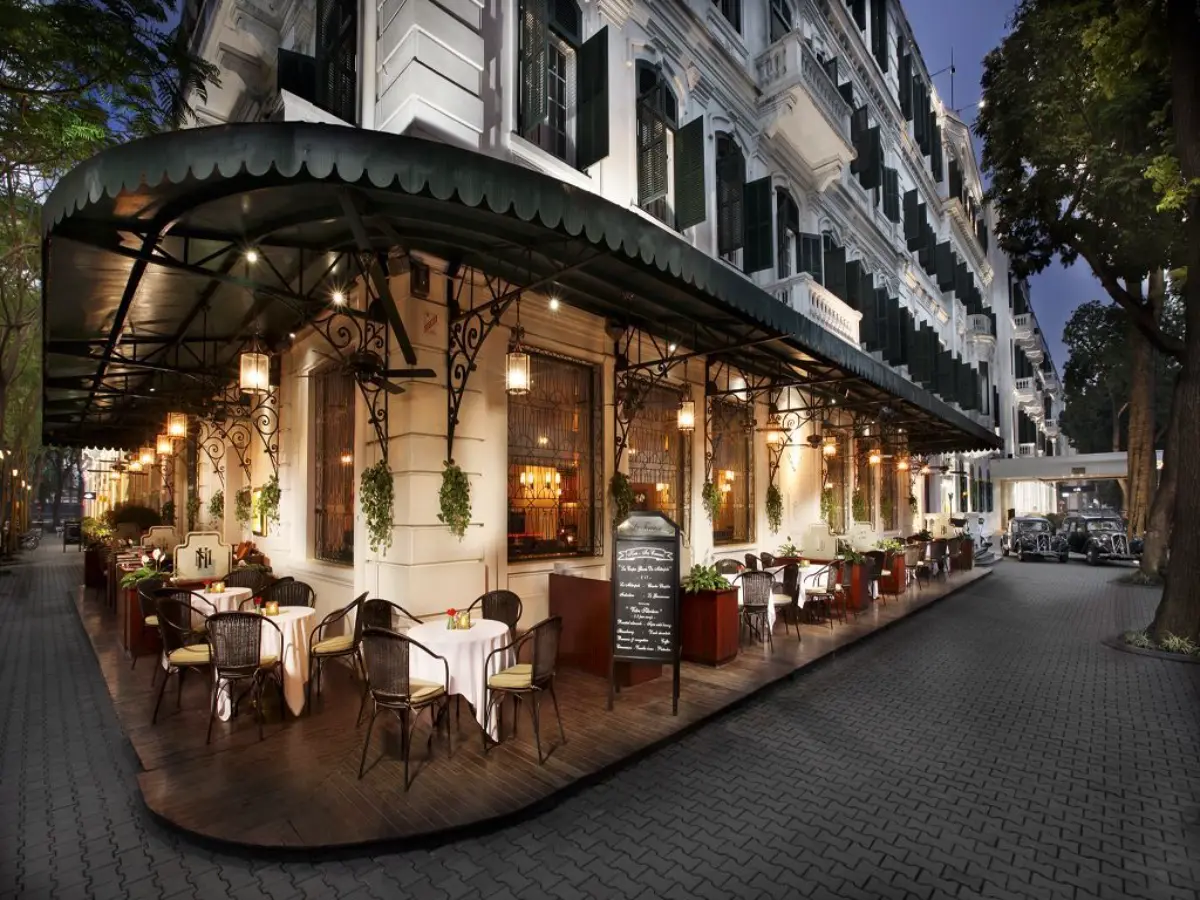
Metropole Hotel
The ultimate crown jewel of classic French colonial elegance. Nostalgic white facades, timeless ironwork, and cinematic grandeur embody the peak of Indochine luxury.

Hue
Azerai La Residence
Timeless Art Deco elegance sitting proudly on the banks of the Perfume River facing the ancient Imperial Citadel.

Hoi An
Four Seasons The Nam Hai
An architectural sanctuary layout directly on the pristine coast. Unrivaled luxury villas and soul-stirring cultural spas.

Ho Chi Minh City
Park Hyatt Saigon
A pristine architectural heritage sanctuary dating back to 1930. Bask in old-world Saigon charm with opulent crystal chandeliers and nostalgic French-Indochine design lines.