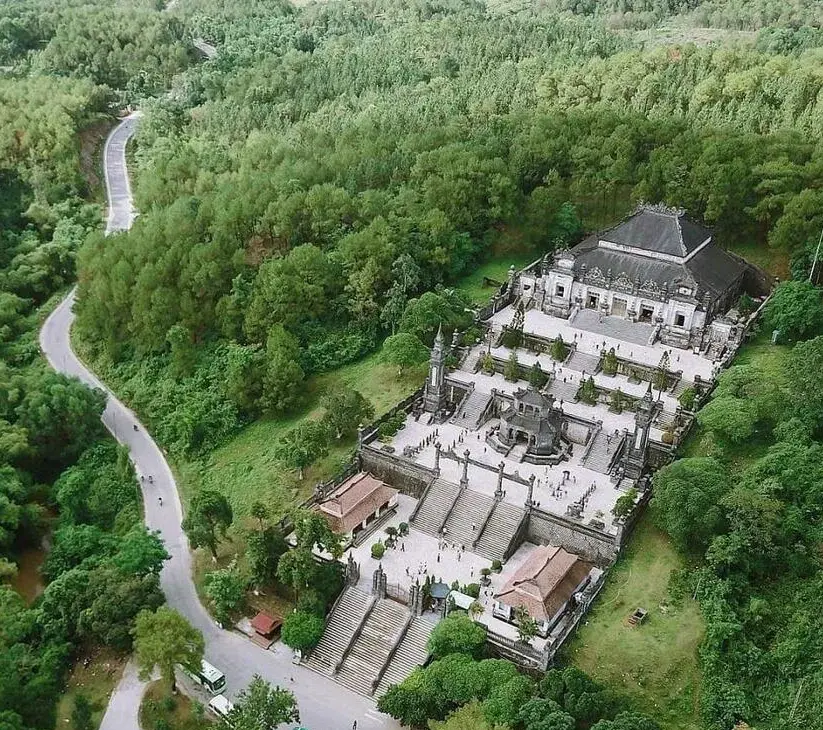
Heritage Hotels
Stay inside history within colonial mansions, converted royal residences, and boutique heritage gems across Indochina’s most beautiful cities.
Explore Hotels →Where the Han River meets the East Sea, and the mountains frame a city of endless discovery
Words by Chic Indochine · 14 min read · urban escape
Stretching along the central coast of Vietnam, Da Nang is a city that captures the heart with its energy, beauty, and charm.
Da Nang — Vietnam’s most livable city — is a place of striking contrasts: the modern skyline along the Han River, the ancient Marble Mountains rising from the coastal plain, the iconic Golden Bridge held by giant hands in the misty Ba Na Hills. For years, it was a stopover on the way to Hoi An or Hue. Today, it stands proudly as a destination in its own right — a city that offers world‑class beaches, extraordinary cuisine, and a pace of life that balances bustling energy with coastal calm.
With a 30‑kilometre coastline, Da Nang boasts some of Vietnam’s most beautiful beaches. My Khe Beach stretches for miles, its white sand and gentle waves earning it a place among the world’s most attractive beachfronts. Beyond the coast, the city is framed by the Son Tra Peninsula, home to the iconic Lady Buddha statue and dense tropical forest.
Plan your stay:
View Resort Collection →
The Han River at night — Da Nang’s sparkling heart.
From iconic landmarks to natural wonders

Suspended at 1,414 meters above sea level, the Golden Bridge appears to be held aloft by two giant stone hands. This architectural marvel offers breathtaking views over the jungle and has become Vietnam’s most iconic landmark.
Explore Golden Bridge →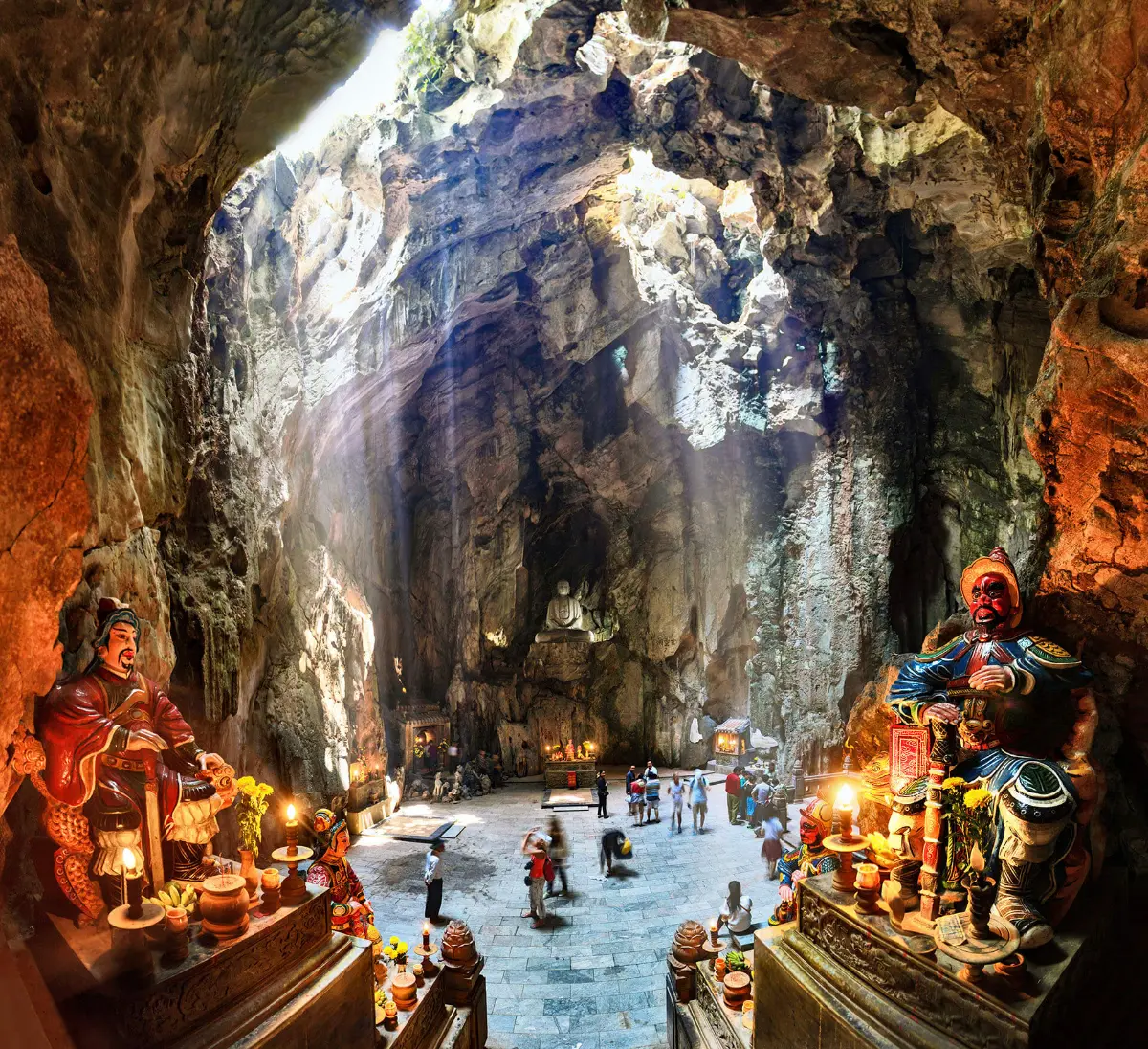
A cluster of five limestone peaks named after the five elements — metal, wood, water, fire, and earth. Hidden within the mountains are ancient Buddhist sanctuaries, cave pagodas, and panoramic views of the coast.
Discover Marble Mountains →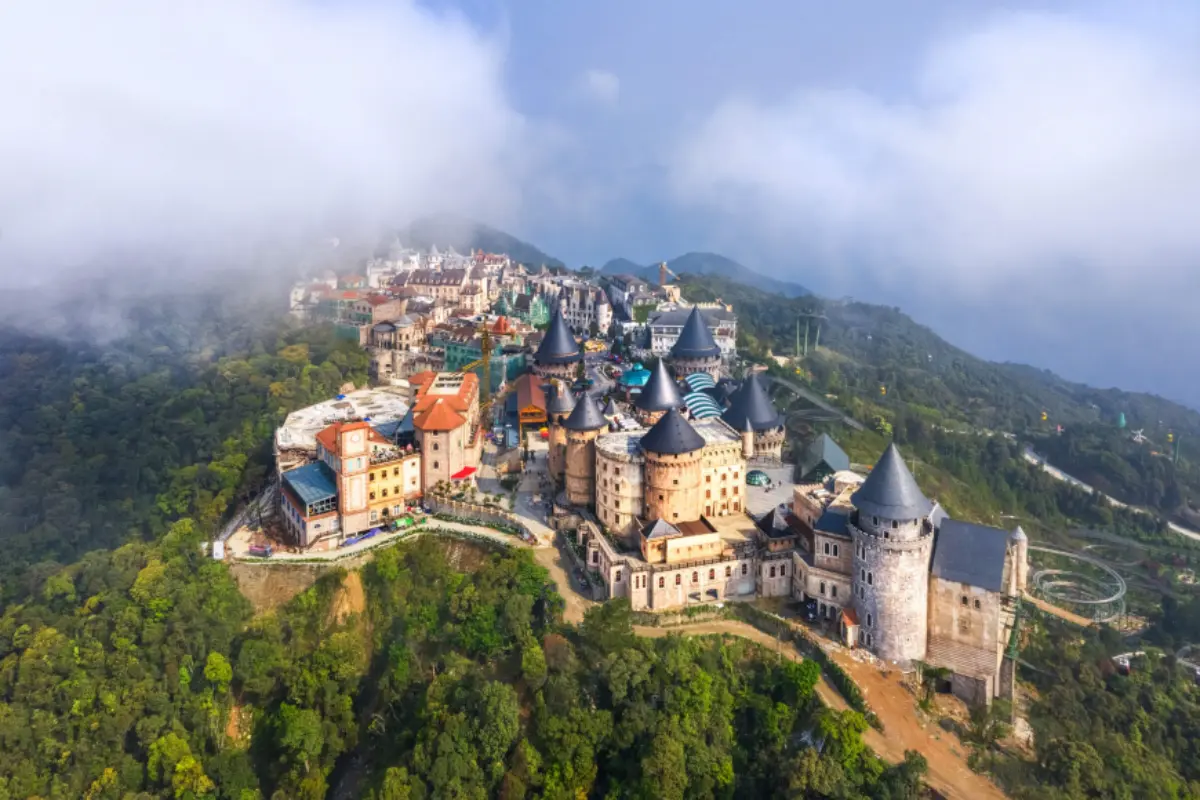
Perched high above Da Nang, this French-colonial-era hill station has been transformed into a sprawling mountain resort. It offers cable car rides, a stunning French village, and the legendary Golden Bridge.
Plan Your Visit →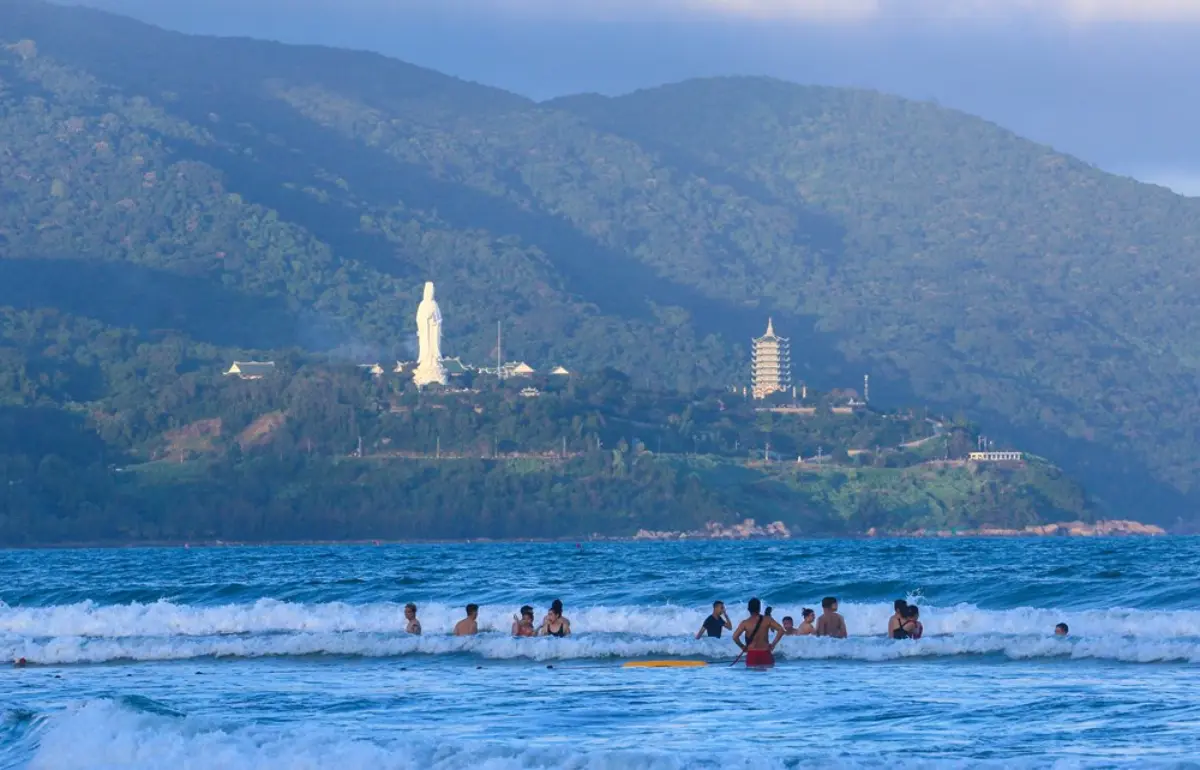
Standing 67 meters tall, the Lady Buddha statue is one of Vietnam’s tallest Buddha figures. Perched on the Son Tra Peninsula, she gazes protectively over the city and the East Sea.
Visit Lady Buddha →30 kilometres of pristine shoreline
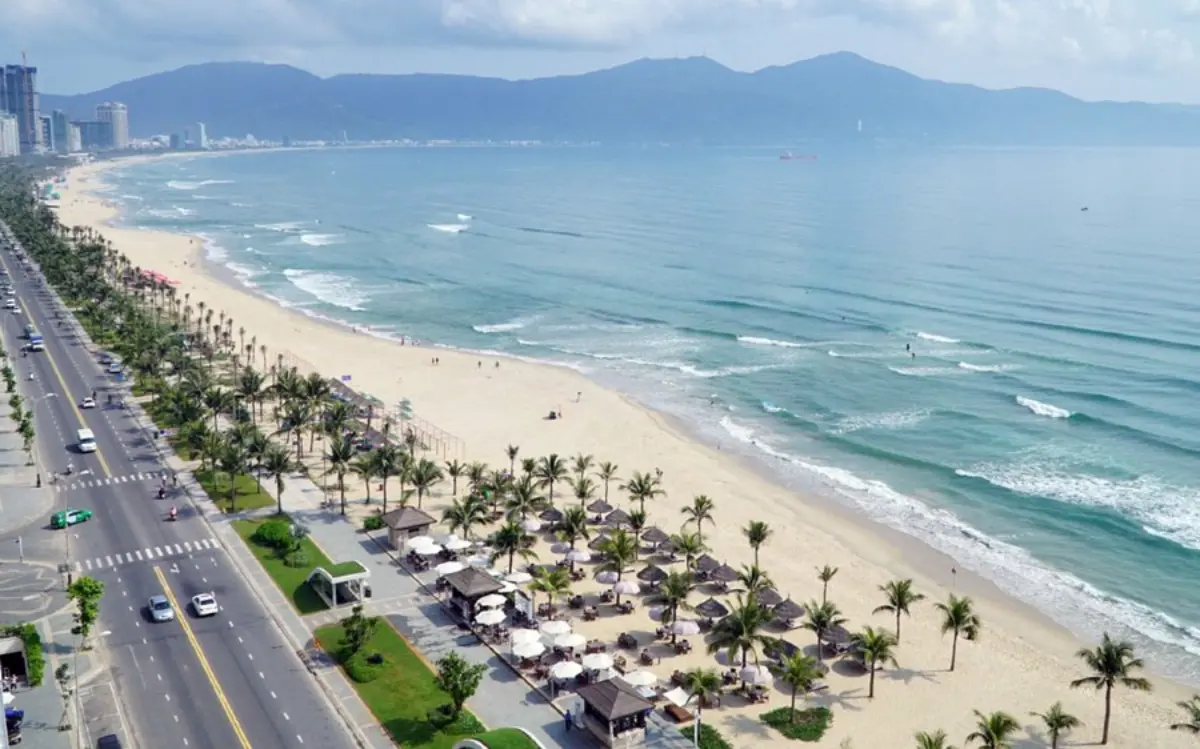
My Khe Beach is Da Nang’s most famous stretch of sand — a 900‑meter-long crescent of white sand lapped by gentle waves. It was named one of the most beautiful beaches in the world by Forbes magazine. The beach is lined with resorts, restaurants, and is perfect for swimming, sunbathing, and water sports.
Non Nuoc Beach lies at the foot of the Marble Mountains, known for its fine sand and crystal-clear water. Bac My An Beach offers a quieter alternative, popular with locals and those seeking a more peaceful seaside experience.
Explore Beaches →A bridge that breathes fire
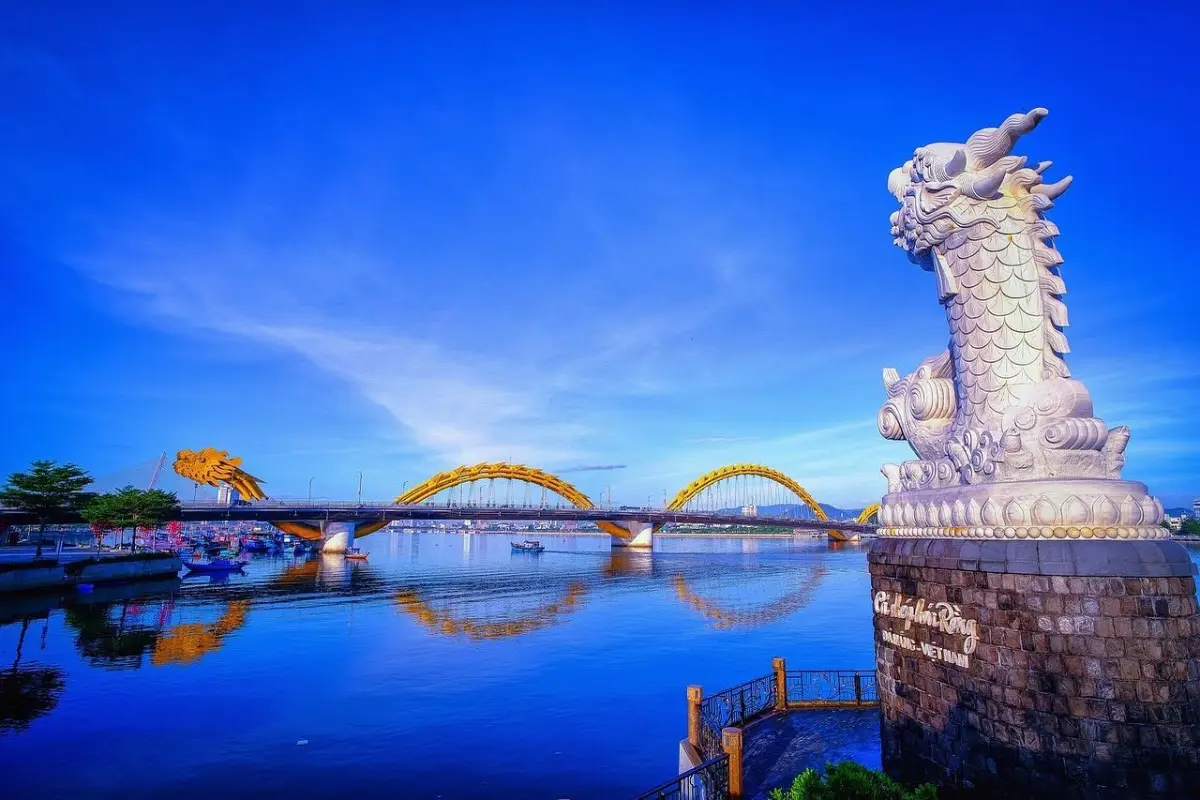
Spanning the Han River, the Dragon Bridge is Da Nang’s most spectacular landmark. Shaped like a golden dragon, it stretches 666 meters across the water. Every weekend evening, the dragon breathes fire and water in a spectacular display that draws crowds to the riverbanks.
Walking along the Han River at night, the city lights reflect on the water, the bridges glow in a rainbow of colors, and the energy of Da Nang comes alive. It’s a place where locals gather for exercise, families stroll, and visitors experience the city’s vibrant spirit.
Dragon Bridge Guide →The flavors that define the city
Da Nang’s signature dish — turmeric‑infused noodles served with a flavorful broth, herbs, peanuts, and your choice of meat or seafood. A bowl of Mì Quảng is a taste of Central Vietnam’s culinary soul.
Learn More →Fish cake noodle soup, a Da Nang specialty that combines fresh fish cakes, vermicelli noodles, and a broth infused with the flavors of the sea. A perfect breakfast or lunch.
Discover →With 30 kilometres of coastline, Da Nang offers some of Vietnam’s freshest seafood. From beachfront restaurants to the bustling night market, the seafood scene is vibrant and diverse.
Explore →The best time to visit Da Nang. The skies are clear, the sun is warm, and the seas are calm. March to May is particularly ideal — comfortable temperatures and the perfect weather for exploring both the city and nearby attractions.
The city experiences typhoon season, with heavy rainfall from September to December. While many travelers avoid this period, the city offers indoor attractions, museums, and the Ba Na Hills cable car — which operates even in the rain.
A 2‑day exploration — Marble Mountains, Dragon Bridge, Lady Buddha, and Han River cruise.
View Tour →A full‑day journey to the summit — cable car, Golden Bridge, French village, and breathtaking mountain views.
View Tour →Pure relaxation along My Khe Beach — luxury resorts, spa treatments, and oceanfront dining.
View Tour →Combine Da Nang with Hoi An and Hue — a 5‑day journey through Central Vietnam’s cultural treasures.
View Tour →Beachfront luxury to boutique charm
Excellent options in the city center and along the beachfront — from comfortable hotels to serviced apartments.
Explore Options →A minimum of 3 days allows you to explore the city highlights, visit Ba Na Hills and the Golden Bridge, and relax at My Khe Beach. For a deeper experience including Hoi An and Hue, 5–7 days is ideal.
The dry season (February–August) offers the best weather. March–May is particularly ideal — warm sunshine, calm seas, and comfortable temperatures for exploring.
By air to Da Nang International Airport (DAD), with direct flights from Hanoi, Ho Chi Minh City, and international destinations (Bangkok, Singapore, Seoul, Tokyo). By train or bus from Hue, Hoi An, or other central Vietnam cities.
Mì Quảng (turmeric noodles), bún chả cá (fish cake noodle soup), bánh xèo (crispy pancakes), and fresh seafood. The night market and street stalls along the Han River are excellent places to sample local specialties.
Lightweight clothing, swimwear, sunscreen, a hat, comfortable walking shoes, and a light jacket for cooler evenings. For Ba Na Hills, bring a light sweater as temperatures can be cooler at higher elevations.
Yes. Da Nang offers calm beaches, family‑friendly resorts, and attractions like Ba Na Hills, Asia Park, and the beachfront entertainment zones that cater to all ages.
Da Nang is a city that surprises — a place of breathtaking natural beauty and vibrant urban life, of ancient temples and modern skyscrapers, of quiet beach mornings and lively street food evenings. It has emerged as one of Vietnam’s most exciting destinations, a city that balances the energy of a growing metropolis with the warmth of a coastal town. Here, the mountains meet the sea, the past meets the future, and every traveler finds their own reason to fall in love.
— Chic Indochine
Let Indochine CHIC craft your perfect coastal escape. Private guides, luxury resorts, bespoke itineraries.
hello@indochinechic.com
Explore the living legacy of Indochina through our curated editorial collection of heritage guides, hotels, and experiences.
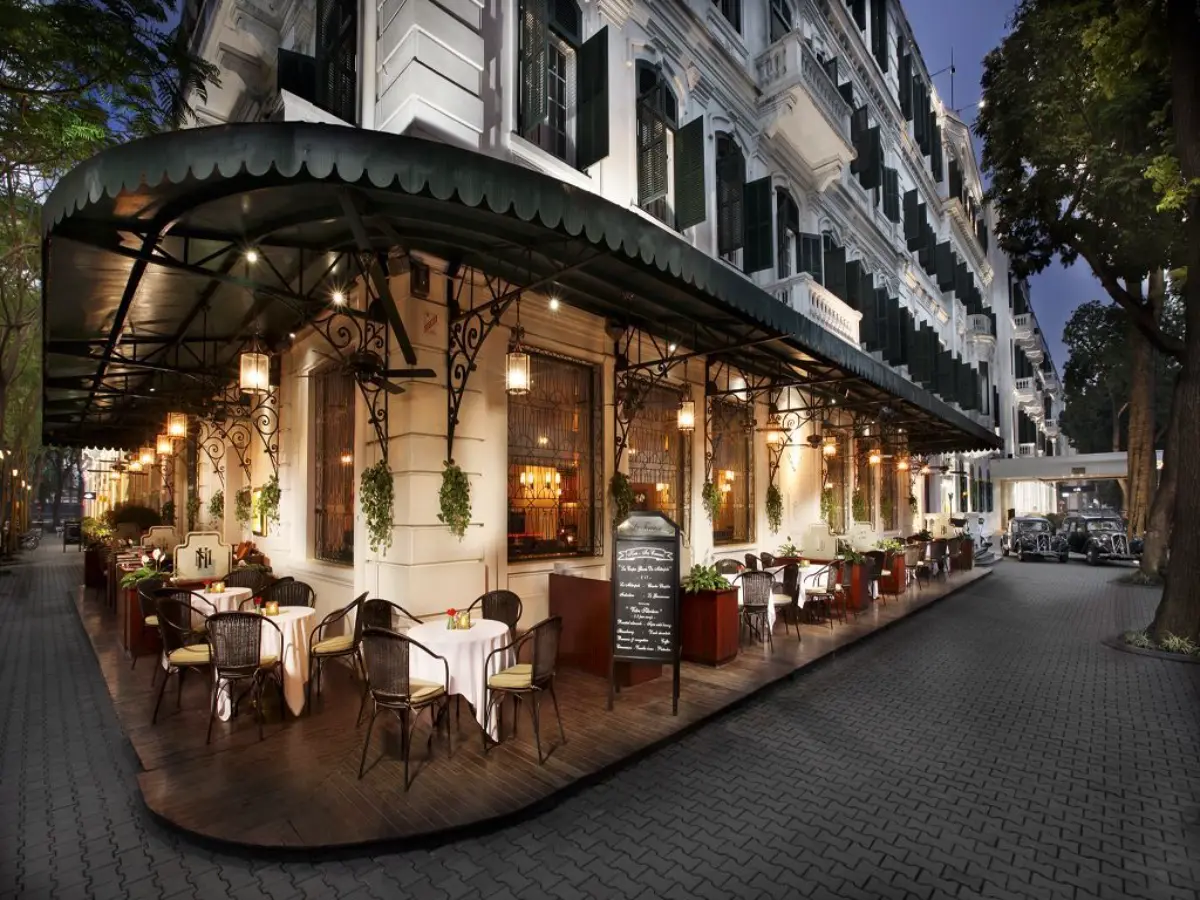
The ultimate crown jewel of classic French colonial elegance. Nostalgic white facades, timeless ironwork, and cinematic grandeur embody the peak of Indochine luxury.

Timeless Art Deco elegance sitting proudly on the banks of the Perfume River facing the ancient Imperial Citadel.

An architectural sanctuary layout directly on the pristine coast. Unrivaled luxury villas and soul-stirring cultural spas.

A pristine architectural heritage sanctuary dating back to 1930. Bask in old-world Saigon charm with opulent crystal chandeliers and nostalgic French-Indochine design lines.