Definitive Luxury Beach Guide
The 2026 Ultimate Guide: Top 10 Beaches in Vietnam & Cambodia
An Industry-Grade Evaluation of the Most Exquisite Coastal Destinations – From Phu Quoc’s Powdered Sands to Koh Rong’s Secluded Coves
Water Quality Analytics • Privacy Indices • Luxury Accommodation Mapping • 2026 Verified
Beach Architecture & Core Intelligence
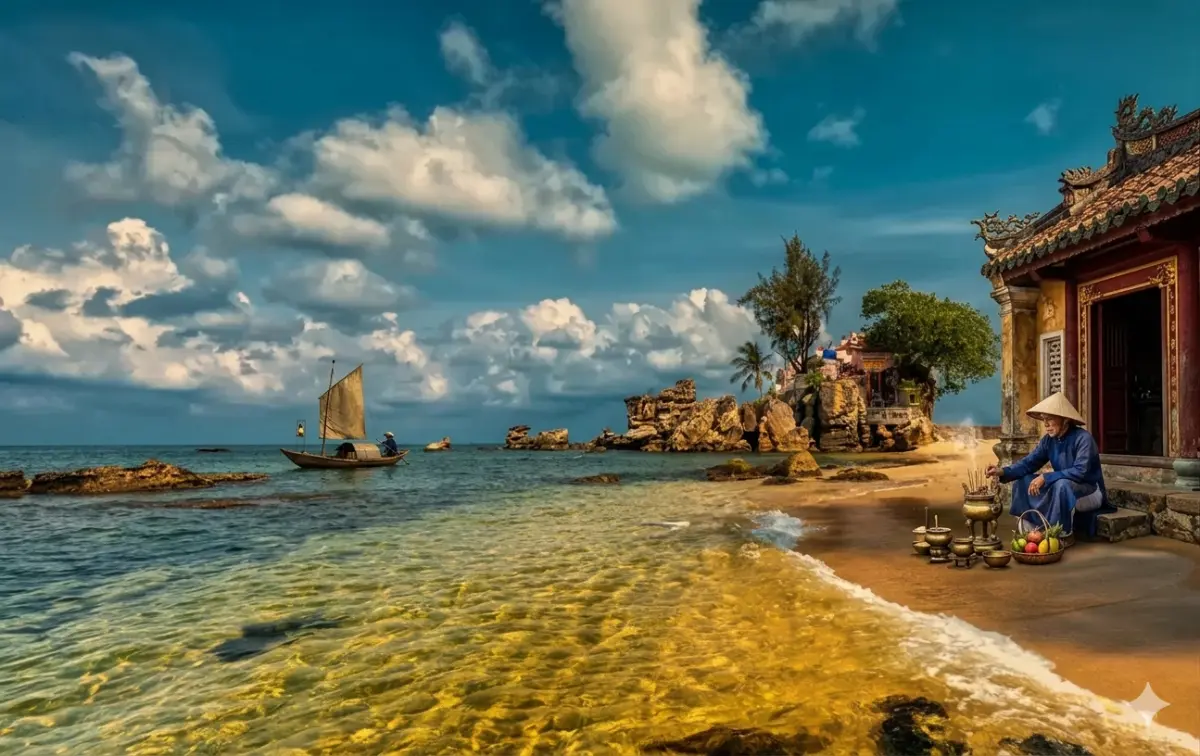
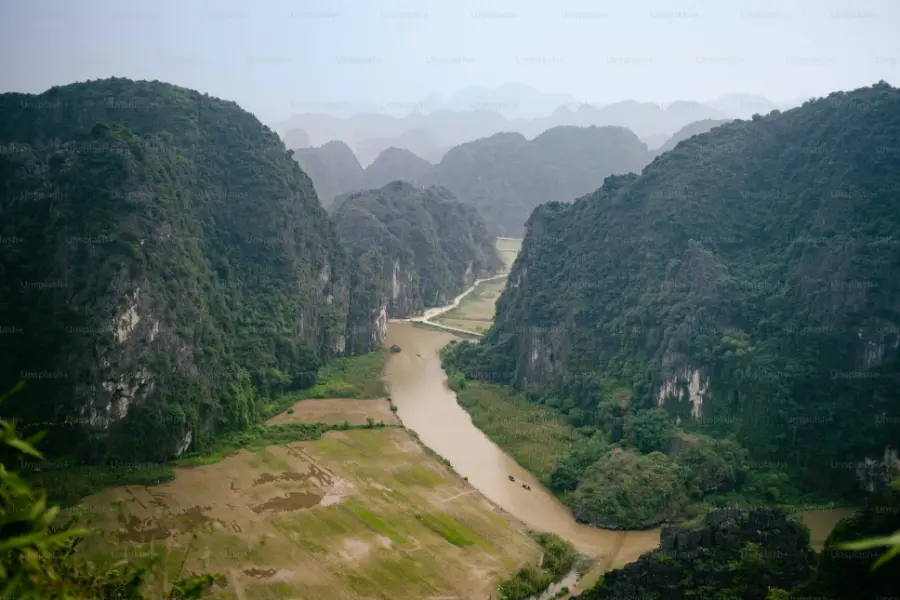
Figure 1.1: The finest coastal destinations across Vietnam and Cambodia – from the Gulf of Thailand to the South China Sea.
1. Coastal Luxury Megatrends 2026
The beaches of Vietnam and Cambodia have undergone a dramatic transformation over the past decade, evolving from backpacker waypoints to globally recognized luxury coastal destinations. In 2026, discerning travelers demand more than just sun and sand – they seek privacy indices (secluded coves accessible only by private transfer), water quality metrics (crystal clarity and marine biodiversity), and integrated luxury ecosystems (bespoke dining, wellness facilities, and water sports infrastructure).
Vietnam’s coastline stretches over 3,260 kilometers, offering an extraordinary diversity of beach typologies – from the fine quartz sand of Phu Quoc’s southern bays to the dramatic granite-backed coves of the Central Coast. Cambodia, while possessing a shorter coastline (443 kilometers), has emerged as a boutique luxury destination, with the Koh Rong Archipelago offering untouched island experiences that rival the Maldives. Industry accolades from Condé Nast Traveler, Travel + Leisure World’s Best Awards, and DestinAsian consistently rank several of these beaches among the top 20 in Asia, validating their elite status.
2. The 2026 Elite Beach Analytical Matrix
This comparative table indexes the top 10 beaches across Vietnam and Cambodia, providing a data-driven framework for discerning travelers and advisors. Metrics include water clarity, privacy level, accessibility, and signature luxury accommodation.
| Beach Name & Location | Country / Region | Signature Luxury Asset | Water Clarity (1-10) | Privacy Index | Verified Location Link |
|---|---|---|---|---|---|
| 1. Bai Khem (Phu Quoc) | Vietnam – Southern Archipelago | Regent Phu Quoc / JW Marriott | 10 (Turquoise, crystal) | 9 (Resort-exclusive access) | View Beach Location ↗ |
| 2. Dat Doc Beach (Con Dao) | Vietnam – Con Dao Archipelago | Six Senses Con Dao | 9.5 (Marine reserve) | 10 (Isolated paradise) | View Beach Location ↗ |
| 3. Koh Rong Sanloem (Saracen Bay) | Cambodia – Koh Rong Archipelago | Song Saa Private Island | 9.8 (Bioluminescent nights) | 9.5 (Private island access) | View Beach Location ↗ |
| 4. Bai Truong (Long Beach, Phu Quoc) | Vietnam – Phu Quoc West Coast | Premier Village / New World | 8.5 (Good, some tide variation) | 7 (Long stretch, scattered resorts) | View Beach Location ↗ |
| 5. An Bang Beach (Hội An) | Vietnam – Central Coast | Four Seasons Nam Hai | 8 (Good, influenced by river) | 6 (Popular, but private resort sections) | View Beach Location ↗ |
| 6. Mũi Né (Rang Beach) | Vietnam – Southeastern Corridor | The Anantara Mui Ne | 7.5 (Good, kite-surfing zone) | 5 (Busy, but private resort coves) | View Beach Location ↗ |
| 7. Bãi Dài (Cam Ranh) | Vietnam – Cam Ranh Peninsula | JW Marriott / The Anam | 9 (Very clear, sheltered bay) | 8 (Less crowded, long expanse) | View Beach Location ↗ |
| 8. Koh Ta Kiev (Cambodia) | Cambodia – Koh Rong Archipelago | Boutique eco-lodges only | 9.5 (Untouched, jungle-backed) | 9 (Very secluded, basic ferry access) | View Beach Location ↗ |
| 9. Non Nuoc Beach (Đà Nẵng) | Vietnam – Central Coast | InterContinental Danang / Hyatt | 8 (Good, wide and long) | 6 (Popular, but expansive) | View Beach Location ↗ |
| 10. Lazy Beach (Koh Rong) | Cambodia – Koh Rong Island | Lazy Beach Bungalows (rustic luxury) | 9 (Very clear, shallow lagoon) | 8.5 (Remote, boat access only) | View Beach Location ↗ |
3. Granular Coastal Deep-Dives
Vietnam and Cambodia offer distinct beach typologies, each with unique seasonal patterns, water characteristics, and luxury infrastructure.
The Southern Archipelagoes (Phu Quoc, Con Dao, Koh Rong)
These islands offer the pinnacle of tropical beach luxury in the region – turquoise waters, fine powder sand, and exceptional marine biodiversity. The dry season (November to April) provides the best conditions, with calm seas and minimal rainfall. Water clarity typically exceeds 15-20 meters visibility during peak months.
Structural Advantages
- Exceptional water clarity and marine life (snorkeling/diving directly from shore).
- High concentration of ultra-luxury resorts with private beach sections.
- Stable microclimate during peak season (Dec–Mar).
Logistical Considerations
- Phu Quoc and Con Dao require flights; Koh Rong requires road + ferry.
- Monsoon season (June–October) brings rough seas and reduced clarity.
- Peak season (Dec–Jan) commands premium pricing and requires early booking.
The Central & Southeastern Coasts (Đà Nẵng, Hội An, Cam Ranh, Mũi Né)
The mainland coast offers a different character – longer beach expanses, dramatic mountain backdrops, and closer proximity to cultural heritage sites. The best weather window is from February to August, with the summer months offering calmest seas.
Structural Advantages
- Excellent connectivity via international airports (Đà Nẵng, Cam Ranh).
- Integration with UNESCO heritage sites (Hội An, Huế, Mỹ Sơn).
- Wide range of luxury accommodations from global brands.
Logistical Considerations
- Water clarity is generally less than southern islands due to river outflow.
- Central coast beaches can experience strong wave action and rip currents.
- Typhoon risk from September to mid-January.
4. Comprehensive Profiles of the Top 10 Beaches (2026 Verified)
Each beach is deconstructed with technical precision – from sand composition and water quality metrics to signature luxury stays and exclusive access provisions.

Figure: Bai Khem’s powder-soft sand and calm, crystal-clear waters.
Bai Khem (Cream Beach) is widely regarded as Vietnam’s most beautiful beach – a 1.5-kilometer crescent of fine, ivory sand lapped by exceptionally clear, calm turquoise water. Located on Phu Quoc’s southern tip, it is framed by gentle hills. The beach is home to the JW Marriott Phu Quoc Emerald Bay and the Regent Phu Quoc, both of which offer private, dedicated beach sections with full-service butler attention. Water sports include non-motorized kayaking and stand-up paddleboarding. The sunrises here are legendary, with the bay facing east.
Best Months: Nov–Apr | Entry: Resort guest or day passView Beach Location ↗
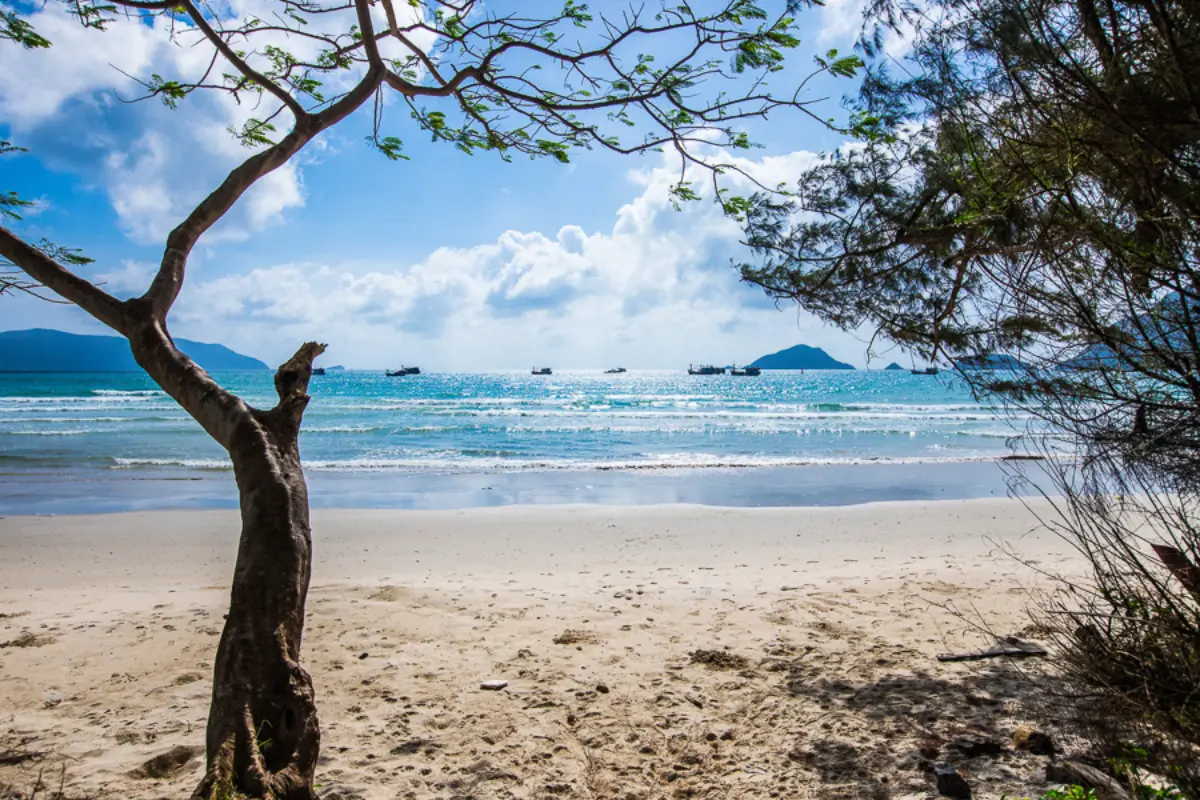
Figure: Dat Doc Beach – absolute seclusion within a protected marine park.
Accessible only to guests of Six Senses Con Dao and a handful of private villas, Dat Doc Beach offers unparalleled exclusivity. The mile-long stretch of white sand is backed by dramatic granite mountains and fronts the crystal-clear waters of Con Dao National Park – a marine reserve. The beach is a nesting ground for green sea turtles (May-October). Snorkeling directly offshore reveals vibrant coral gardens. The absence of jet skis or motorized water sports preserves the tranquil atmosphere. This is the ultimate beach for those seeking deep isolation.
Best Months: Dec–Apr | Entry: Six Senses guests onlyView Beach Location ↗
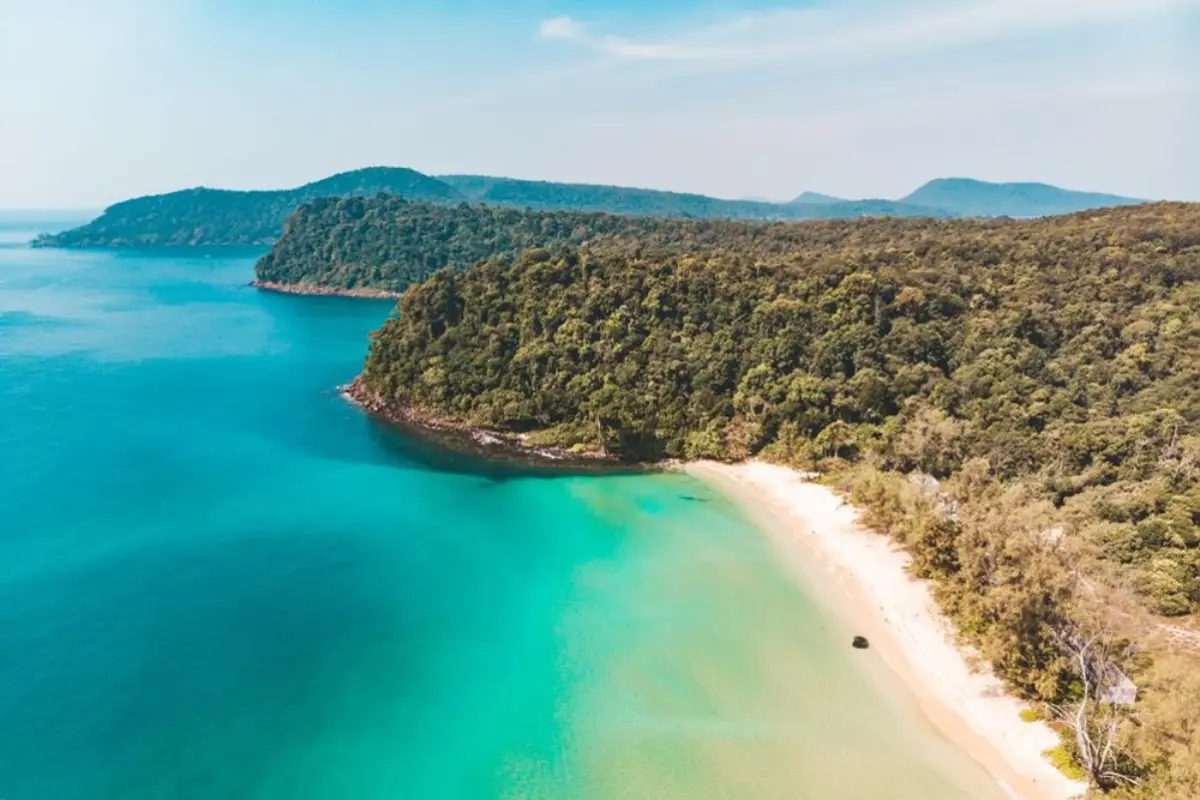
Figure: Saracen Bay’s powdery sand and famous bioluminescent night waters.
Saracen Bay on Koh Rong Sanloem is Cambodia’s most exquisite beach – a 1.5-kilometer arc of fine, white sand with exceptionally shallow, warm water. The bay faces west, offering spectacular sunsets. The water is so clear that visibility often exceeds 15 meters. At night, from November to May, bioluminescent plankton creates a magical glowing effect in the waves. The adjacent Song Saa Private Island resort offers overwater villas and exclusive access to a nearby private island. The atmosphere is ultra-relaxed, with no motorized water sports allowed. Snorkeling and kayaking are the primary activities.
Best Months: Nov–May | Entry: Resort guest or speedboatView Beach Location ↗
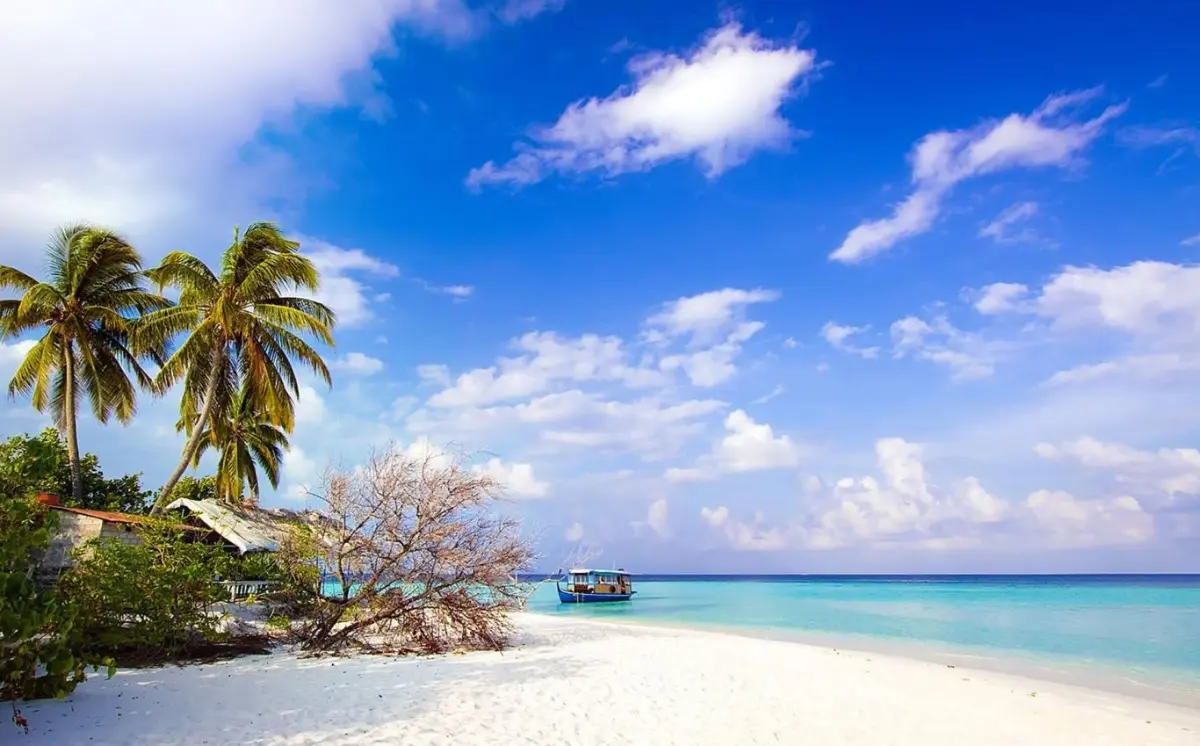
Figure: Bai Truong’s endless stretch and world-class sunset views.
Phu Quoc’s west coast is defined by Bai Truong (Long Beach), a 15-kilometer arc of golden sand that offers consistently spectacular sunsets. While the northern section is busier with mid-range resorts, the southern stretch near Sunset Town is home to ultra-luxury properties like Premier Village Phu Quoc and New World Phu Quoc, which offer private, dedicated beach sections. The water is generally calm and swimmable year-round, though clarity varies with tide. The sunset viewing here is unparalleled, with direct views over the Gulf of Thailand.
Best Months: Nov–Apr | Entry: Public & resort sectionsView Beach Location ↗

Figure: An Bang Beach – where heritage meets the sea, just minutes from ancient town.
An Bang Beach offers the ideal balance of luxury beach relaxation and cultural exploration. Located just 4 kilometers from Hội An’s UNESCO-listed Ancient Town, the beach is a long, wide stretch of golden sand. The Four Seasons Nam Hai anchors the southern end, offering the most exclusive beachfront in the area, with private cabanas and butler service. The central section has a vibrant collection of upscale beach clubs and fresh seafood restaurants. While water clarity is less than southern islands, the consistent waves make it popular for bodyboarding. The proximity to Hội An’s lantern-lit streets and world-class dining is the key advantage.
Best Months: Feb–Aug | Entry: Public & resort sectionsView Beach Location ↗

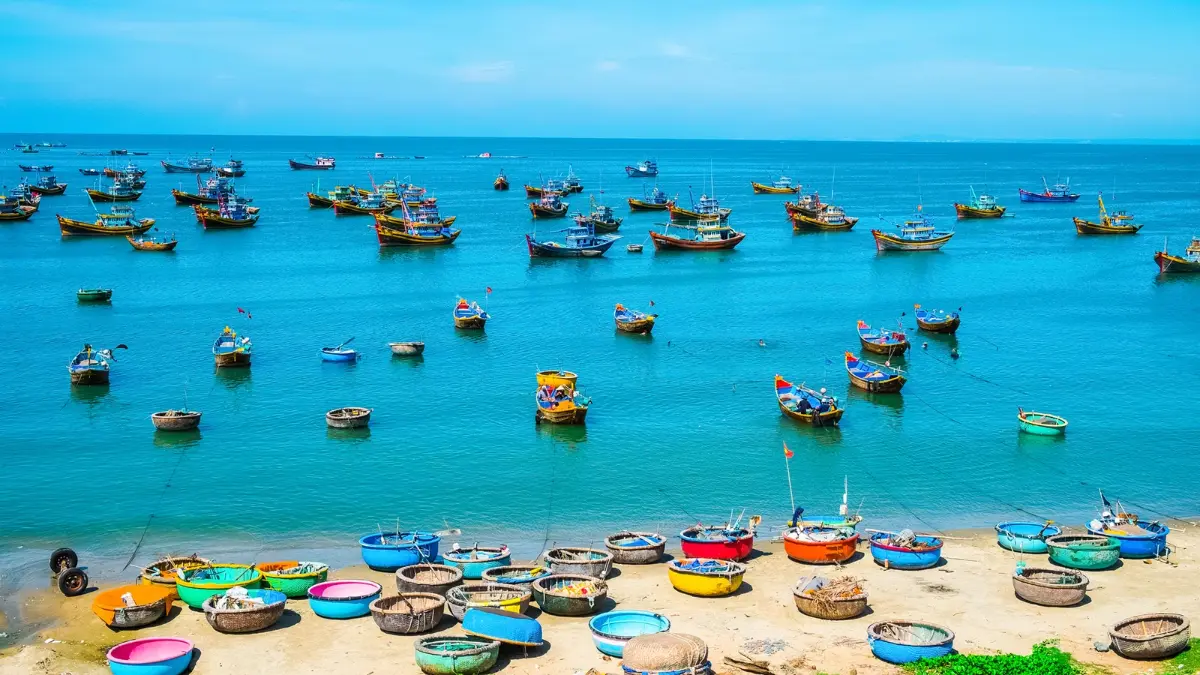
Figure: Mũi Né’s consistent thermal winds make it Asia’s kite-surfing capital.
Rang Beach in Mũi Né is Vietnam’s premier destination for wind and kite-surfing, thanks to consistent thermal winds from November to March. The beach itself is a long, golden crescent framed by dramatic red sand dunes. While the central section can be busy, the southern end near luxury resorts like Anantara offers a quieter experience. Water clarity is moderate, but the appeal here is the active, sport-oriented luxury lifestyle. Beyond the beach, the famous sand dunes and fishing harbor provide unique photographic opportunities.
Best Months: Nov–Mar (winds), Jan–Aug (calm)View Beach Location ↗
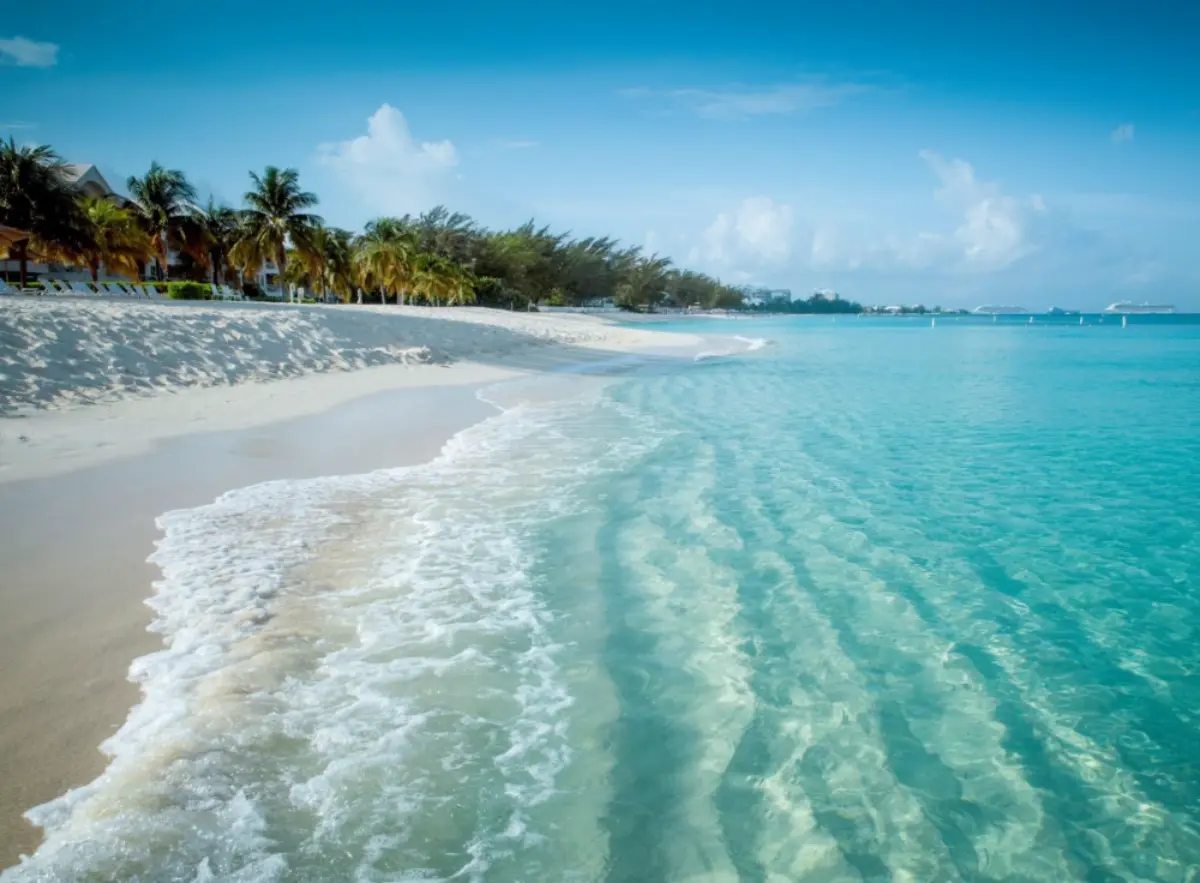
Figure: Bãi Dài’s expansive bay and calm, clear waters.
Bãi Dài (Long Beach) on the Cam Ranh Peninsula is a 10-kilometer stretch of golden sand backed by low hills. The bay’s geography shelters the beach from strong waves, resulting in exceptionally calm, warm water ideal for swimming year-round. Water clarity is very good, especially in the morning. The beach is home to a cluster of luxury resorts, including JW Marriott Cam Ranh Bay and The Anam, each offering private beach sections. The ambiance is relaxed and family-friendly, with plenty of space even during peak season. The newly expanded Cam Ranh International Airport is just a 15-minute drive away.
Best Months: Jan–Oct | Entry: Public & resort sectionsView Beach Location ↗
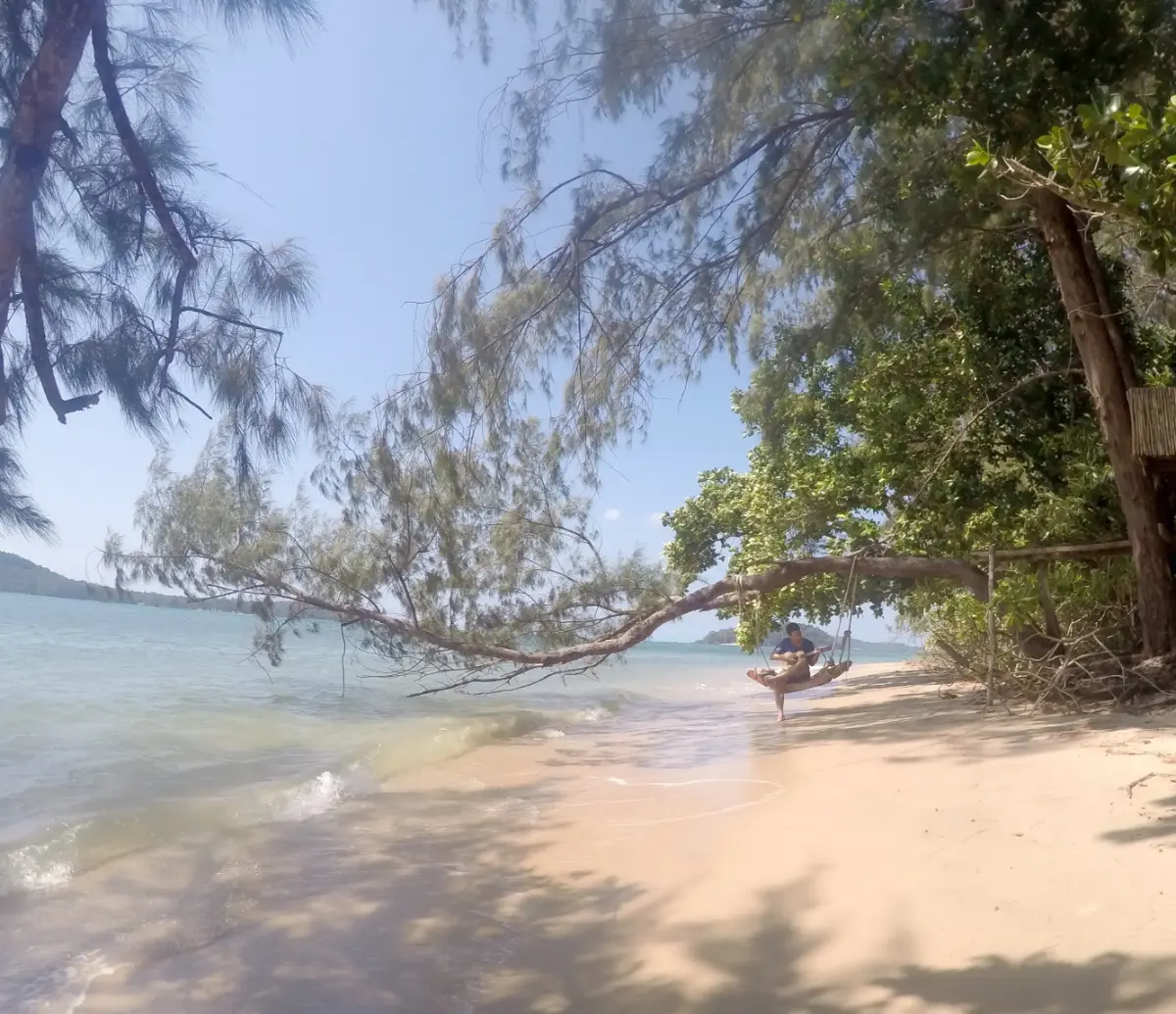
Figure: Koh Ta Kiev’s untouched jungle-backed coves – the ultimate castaway experience.
Koh Ta Kiev is the Koh Rong Archipelago’s best-kept secret – a large island with multiple pristine coves, including the spectacular Long Beach (3 kilometers of powder-white sand). There are no paved roads, no large resorts, and no jet skis. Accommodation is limited to a handful of boutique eco-lodges with rustic-luxury bungalows. Water clarity is exceptional, with healthy coral gardens accessible directly from shore. The island is largely covered by primary jungle, with hiking trails connecting the various beaches. This is the destination for travelers seeking absolute disconnection and authentic tropical island immersion.
Best Months: Nov–May | Entry: Ferry from SihanoukvilleView Beach Location ↗

Figure: Non Nuoc Beach with the iconic Marble Mountains rising behind.
Non Nuoc Beach is Đà Nẵng’s premier luxury beach, a 5-kilometer stretch of fine, golden sand at the foot of the Marble Mountains. The beach is wide and gently sloping, with consistent waves suitable for swimming and bodyboarding. The InterContinental Danang Sun Peninsula Resort (set on the nearby Sơn Trà Peninsula) offers the most exclusive access, while other luxury properties like the Hyatt and Pullman line the southern section. The beach is well-maintained and less crowded than nearby China Beach. Its proximity to Đà Nẵng’s international airport and the UNESCO heritage town of Hội An makes it a highly convenient luxury coastal base.
Best Months: Feb–Aug | Entry: Public & resort sectionsView Beach Location ↗
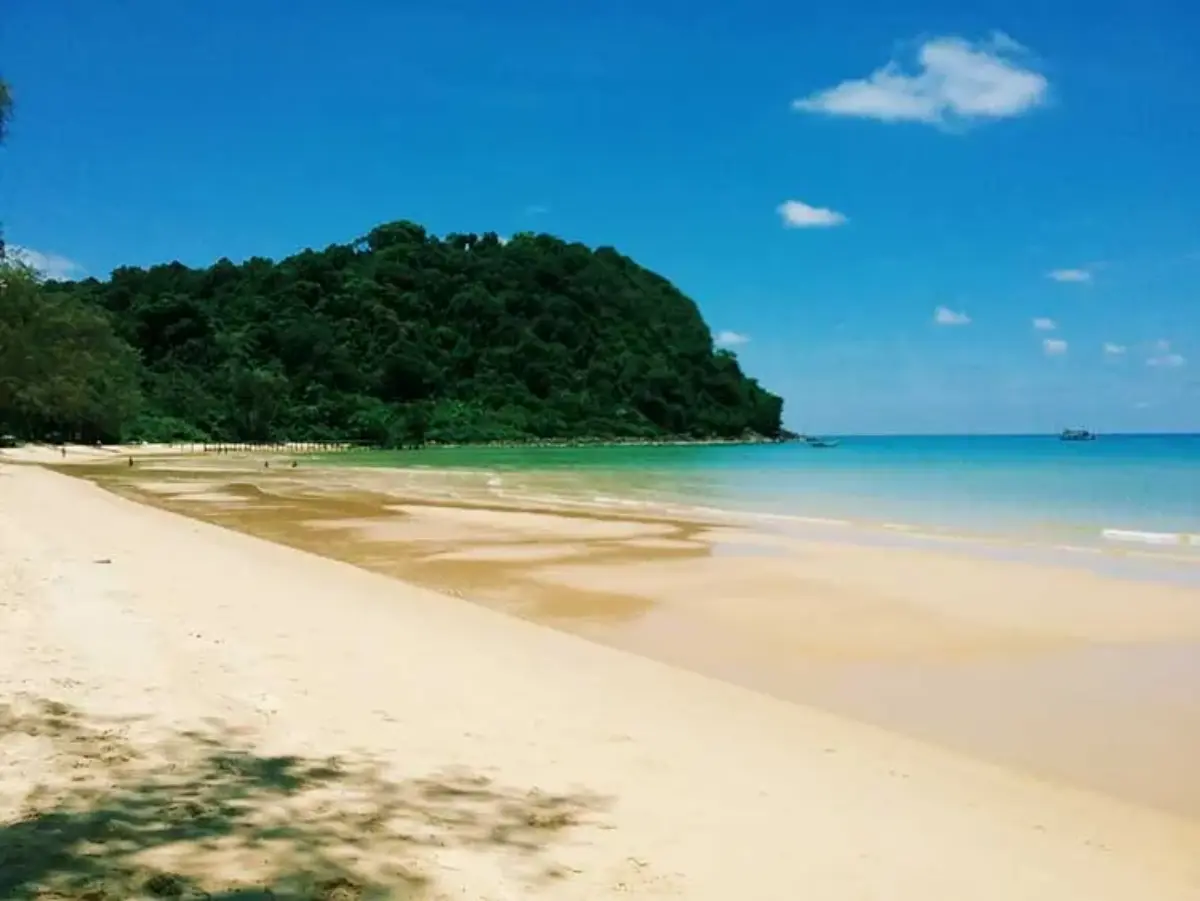
Figure: Lazy Beach’s expansive shallow lagoon – perfect for families and wading.
Lazy Beach on Koh Rong’s west coast is a unique geographical marvel – a large, protected cove where the water remains knee-deep for up to 200 meters offshore at low tide, creating a massive, warm, turquoise lagoon. The sand is fine and white, and the beach is backed by jungle. Because of the shallow, protected water, it’s exceptionally safe for children and ideal for stand-up paddleboarding. Accommodation is limited to the eponymous Lazy Beach Bungalows, a rustic-luxury property with no air conditioning (only fans) and limited electricity, emphasizing the back-to-nature experience. Sunsets here are breathtaking.
Best Months: Nov–May | Entry: Ferry + jungle trekView Beach Location ↗
5. Selection Methodology & Benchmarking
The beaches featured in this guide were selected through a multi-criteria analysis that prioritized: water quality metrics (clarity, color, and marine life), sand composition (grain size, color, and cleanliness), privacy index (crowd density and exclusive access options), luxury infrastructure (proximity to ultra-luxury accommodations and services), and accessibility (ease of reaching the beach while maintaining exclusivity). Data was cross-referenced with the 2026 DestinAsian Readers’ Choice Awards, Travel + Leisure World’s Best Awards, and on-the-ground editorial assessments.
6. High-Value Booking Intelligence & Seasonal Guidance
For southern island beaches (Phu Quoc, Con Dao, Koh Rong), the optimal window is November through April, offering the calmest seas and clearest water. For Vietnam’s central coast (Hội An, Đà Nẵng, Cam Ranh), February to August provides the best weather, with May to July offering the calmest sea conditions. For exclusive beach access, book resorts directly at least 4-6 months in advance for peak season (December–February). For Koh Rong Archipelago beaches, speedboat transfers from Sihanoukville require advance booking. Be aware that some Cambodian beaches have limited electricity and no ATM facilities – prepare accordingly.