Indochine Chic · The Master Narrative
Three Countries.
One Civilization.
A Journey Through the Soul of Indochina
“From the imperial citadels of Vietnam to the saffron-robed monasteries of Laos and the sacred temples of Cambodia — discover a region connected by history, spirituality, artistry, and the enduring rhythm of the Mekong.”
“Vietnam, Laos, and Cambodia are not merely neighboring nations. They are the living fragments of one of Asia’s most fascinating cultural landscapes — shaped by ancient kingdoms, sacred rivers, Buddhist traditions, colonial elegance, and centuries of exchange. The modern borders are recent. The civilization is timeless.”
Long before modern borders existed, the lands of Vietnam, Laos, and Cambodia were connected through river trade, royal dynasties, Buddhist scholarship, ancient kingdoms, shared artistic traditions, colonial-era architecture, culinary exchange, and spiritual pilgrimage routes. Today these connections remain visible everywhere. A traveler crossing the region does not merely change countries. They move through chapters of the same story.
This is the Indochine Chic perspective. We do not sell tours to three separate countries. We curate journeys through a single civilization expressed in three distinct dialects of beauty, spirituality, and resilience. From the imperial citadels of the Nguyễn Dynasty to the saffron-robed monks of Luang Prabang at dawn, from the stone faces of Angkor to the floating markets of the Mekong Delta — Indochina is not three destinations. It is one cultural world.
Chapter I
The Mekong · The River That Created a Civilization
The spine of Indochina — flowing through six countries, connecting cultures for millennia
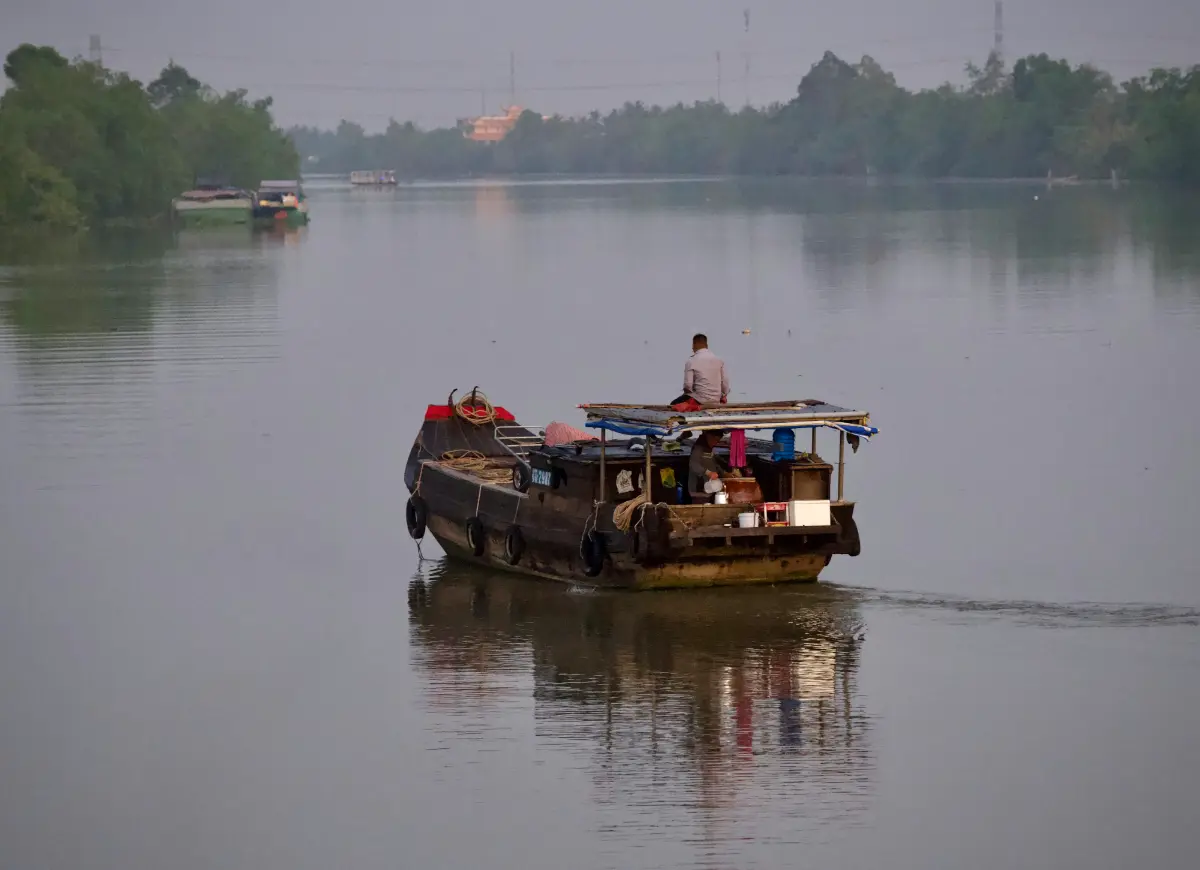
The Mekong is the spine of Indochina. Beginning high in the Tibetan Plateau, it flows through Laos and Cambodia before reaching its vast delta in southern Vietnam. For centuries it carried merchants, monks, royal envoys, pilgrims, ideas, art, and religion. Luxury travelers encounter the river differently in each nation — yet the river itself remains the constant thread.

Vietnam · The Delta
Floating markets, colonial river towns, Mekong Delta estates, and contemporary river cruises. The Mekong here is abundance — a watery landscape of tropical orchards, stilt houses, and canals that serve as highways.
- Cai Rang Floating Market
- Cai Be Floating Market
- Tra Su Cajuput Forest
- Victoria Chau Doc Hotel
- Private sampan journeys
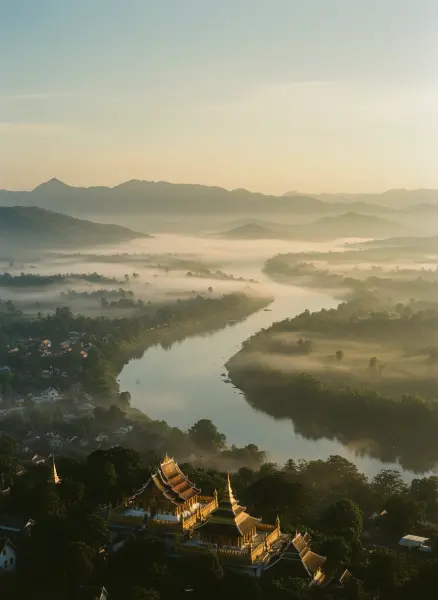
Laos · The Spiritual River
Spiritual river life, Luang Prabang monasteries, traditional fishing villages, remote jungle landscapes. The Mekong in Laos moves slowly — reflecting a pace of life unchanged for centuries.
- Luang Prabang sunrise alms
- Pak Ou Buddha Caves
- Si Phan Don (4,000 Islands)
- Traditional fishing villages
- Mekong sunset cruises

Cambodia · The Great Lake
Tonlé Sap communities, Khmer river culture, Phnom Penh’s riverfront heritage, Mekong island retreats. Here the river meets the great lake, creating one of the most biodiverse freshwater systems on Earth.
- Tonlé Sap floating villages
- Phnom Penh riverfront
- Mekong island cycling
- Silk Island communities
- Irrawaddy dolphin watching
Chapter II
The Sacred Landscape · Buddhism Across Borders
Religion forms one of the strongest threads connecting Indochina
While expressions differ, the spiritual atmosphere across Indochina remains remarkably familiar. Vietnam blends Mahayana Buddhism with Confucian traditions, Taoist influences, and ancestor worship — creating a unique spiritual synthesis. Laos remains one of the world’s most authentic centers of Theravada Buddhism, where monastic life remains deeply woven into daily society. Cambodia’s Khmer Buddhism blends ancient spirituality with resilience and devotion, with temples remaining central to community life.
“The same sun illuminates the saffron robes of Luang Prabang, the stone faces of Angkor, and the incense smoke of Huế’s pagodas. Spirituality in Indochina is not a tourist attraction. It is a way of life.”
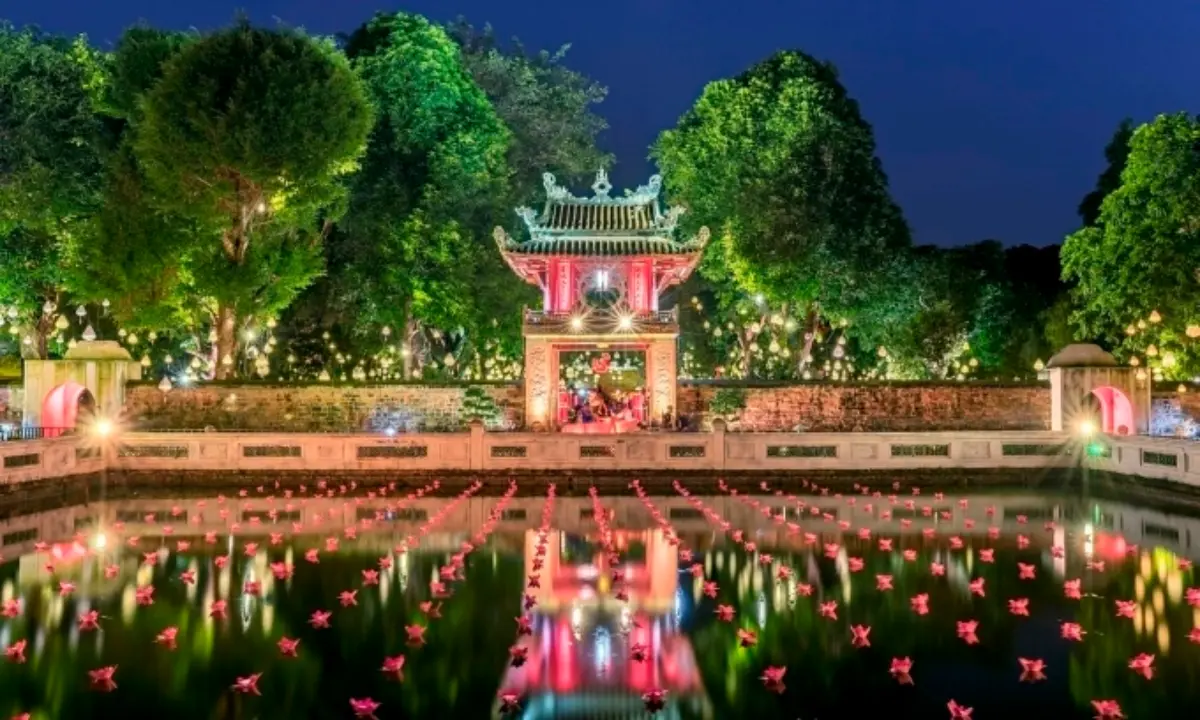
Vietnam · Mahayana Synthesis
- Perfume Pagoda · Buddhist pilgrimage
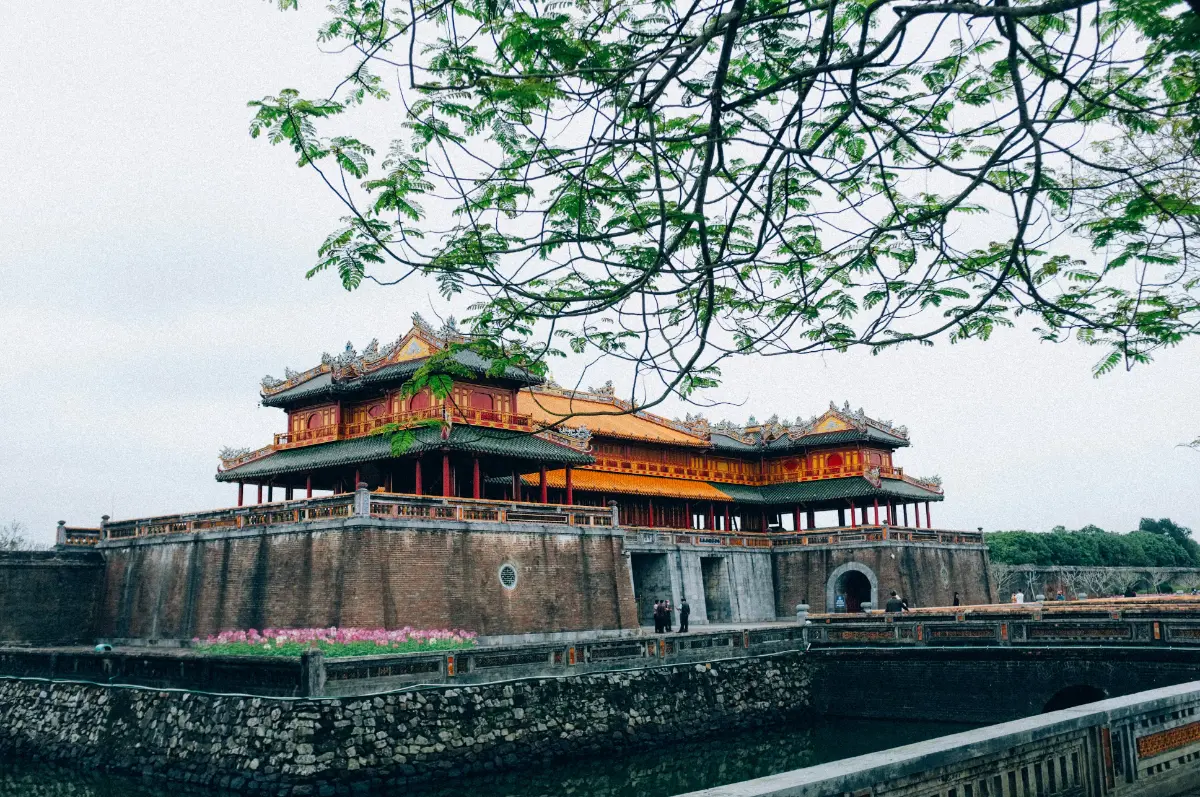
- Thiên Mụ Pagoda · Huế’s spiritual heart
- Bái Đính Temple · Southeast Asia’s largest
- Meditation retreats in central Vietnam
- Private blessing ceremonies
Laos · Theravada Authenticity
- Dawn alms-giving in Luang Prabang
- Wat Xieng Thong · Royal temple
- Monk-guided temple explorations
- Meditation cave retreats
- Sacred Phousi Hill pilgrimage
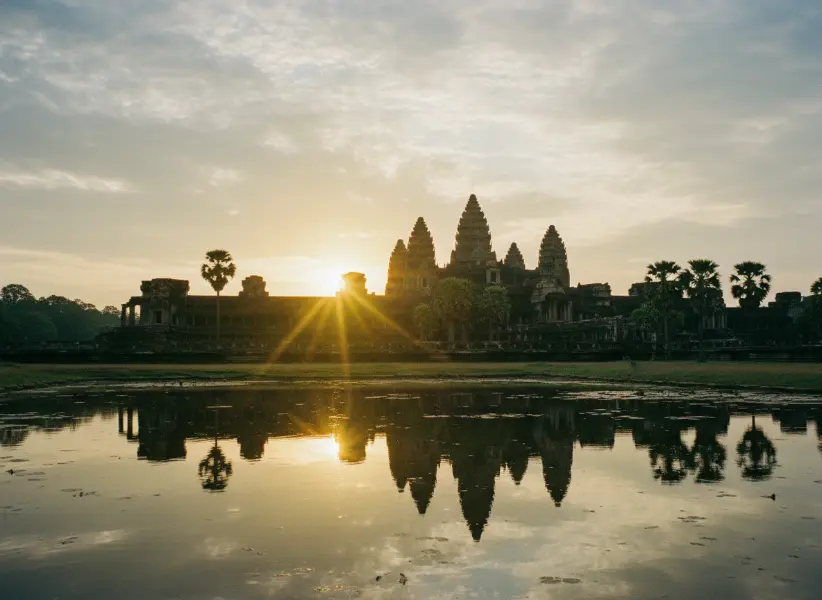
Cambodia · Khmer Devotion
- Angkor Wat · The world’s largest religious monument
- Preah Vihear · Cliff-top temple
- Silver Pagoda · Phnom Penh’s emerald Buddha
- Monk-led blessing ceremonies
- Sacred mountain pilgrimages
Chapter III
Kingdoms of the Past · Three Nations, Great Empires
Indochina’s cultural richness emerges from powerful historical kingdoms that shaped the region
Indochina’s cultural richness emerges from powerful historical kingdoms that once controlled vast territories and established artistic and architectural traditions that still define the region today. Vietnam’s Đại Việt produced imperial courts, scholar-officials, literary traditions, and Confucian refinement centered around Huế and Hanoi. Laos’s Lan Xang — the Kingdom of a Million Elephants — shaped Lao identity through Theravada Buddhism and royal patronage centered around Luang Prabang and Vientiane. Cambodia’s Khmer Empire built the largest religious monument in the world at Angkor Wat, along with Angkor Thom, the Bayon, and a network of temples that once stretched across much of mainland Southeast Asia.
Chapter IV
The French Legacy · Colonial Elegance Across Indochina
French Indochina left an architectural and cultural imprint that still defines luxury travel
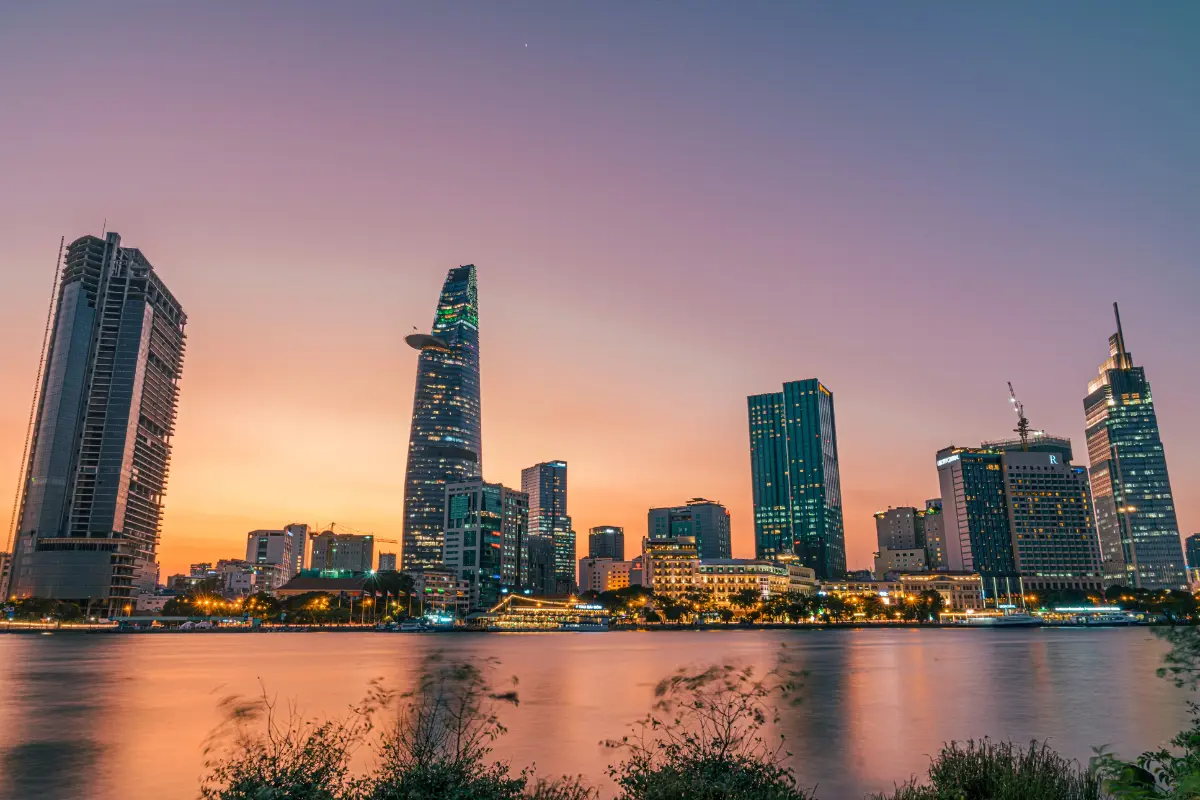
French Indochina left a distinctive architectural and cultural imprint that still defines luxury travel in the region. Travelers encounter tree-lined boulevards, heritage hotels, Art Deco villas, riverside mansions, and French-inspired cuisine across all three nations. Vietnam retains the most sophisticated colonial urban heritage in Hanoi, Ho Chi Minh City, and Dalat. Laos offers the most romantic expression in Luang Prabang and Vientiane — where French villas sit beside golden temples. Cambodia’s grand colonial river city is Phnom Penh, whose boulevards and architecture recall a bygone era of elegance.

Vietnam · Colonial Urbanity
- Sofitel Legend Metropole Hanoi
- Saigon Notre Dame Cathedral
- Dalat’s Art Deco villas
- Long Bien Bridge (Eiffel design)
- Grand Hotel Saigon
Laos · Romantic Elegance
- La Résidence Phou Vao
- Luang Prabang’s heritage villas
- Vientiane’s colonial quarter
- Settha Palace Hotel
- Mekong riverfront mansions

Cambodia · Grand River City
- Raffles Hotel Le Royal
- Phnom Penh’s riverfront boulevards
- Central Market (Art Deco)
- French Governor’s Mansion
- Colonial Battambang
Chapter V
Artisans of Indochina · Living Traditions
Across all three countries, craftsmanship remains deeply rooted in culture
Across all three countries, craftsmanship remains deeply rooted in culture — preserved by families who have practiced their trades for generations. Vietnam excels in silk weaving, lacquerware, ceramics, and embroidery. Laos is renowned for handwoven textiles, silverwork, and natural dye traditions passed down through centuries. Cambodia’s artistic legacy includes stone carving (a direct continuation of Khmer Empire traditions), silk production, Khmer sculpture, and palm crafts. Indochine Chic journeys include private encounters with master artisans, visits to heritage workshops, exploration of royal craft traditions, and meetings with contemporary designers who are preserving ancient skills for a new generation.
Vietnam
Silk weaving · Lacquerware · Ceramics · Embroidery · Lantern making
Laos
Handwoven textiles · Silverwork · Natural dye traditions · Mulberry paper
Cambodia
Stone carving · Silk production · Khmer sculpture · Palm crafts
Chapter VI
The Taste of Indochina · One Region, Three Expressions
Food reveals both unity and diversity — shared elements expressed through distinct traditions
Food reveals both unity and diversity across Indochina. Shared elements include rice culture, fresh herbs, river fish, tropical ingredients, and French colonial influence. Yet each nation expresses these elements differently. Vietnam offers elegant balance and refined regional cuisines — from Hanoi’s subtle pho to Huế’s royal dishes to Saigon’s vibrant street food. Laos delivers earthy authenticity, foraged ingredients, and ancient fermentation traditions — flavors found nowhere else in Southeast Asia. Cambodia offers royal Khmer flavors, subtle spices, and historic recipes preserved from the Angkorian era.

Vietnam · Elegant Balance
- Phở · The national soul
- Bún Chả · Hanoi grilled pork
- Bún Bò Huế · Imperial spice
- Bánh Mì · The perfect sandwich

Laos · Earthy Authenticity
- Laap · National meat salad
- Tam Mak Hung · Spicy green papaya
- Lao Beer · Mekong lager
- Khao Niaw · Sticky rice

Cambodia · Royal Khmer
- Fish Amok · National curry
- Nom Banh Chok · Khmer noodles
- Kroeung · Royal spice paste
- Kampot Pepper · World’s finest
Chapter VII
UNESCO Heritage of a Civilization
The great cultural treasures of Indochina — recognized by the world, understood through the region
Vietnam, Laos, and Cambodia collectively claim some of the most significant UNESCO World Heritage sites in Southeast Asia. Vietnam’s list includes Hạ Long Bay’s emerald waters and limestone karsts, Hội An’s perfectly preserved trading port, and Huế’s imperial citadel. Laos contributes Luang Prabang — perhaps the best-preserved traditional town in Southeast Asia — along with the Plain of Jars’ ancient mystery. Cambodia offers the incomparable Angkor Wat, the largest religious monument on Earth, along with Preah Vihear’s cliff-top temple. Together, these sites tell the story of Indochinese civilization across more than a thousand years of history.
Vietnam
Hạ Long Bay · Hội An Ancient Town · Huế Imperial Citadel · Mỹ Sơn Sanctuary · Thăng Long Citadel · Tràng An Complex
Laos
Luang Prabang Town · Wat Phou Temple Complex · Plain of Jars
Cambodia
Angkor Wat · Preah Vihear Temple · Sambor Prei Kuk · Temple Zone of Angkor
Signature Journeys
Indochine Chic Collections
Curated journeys that reveal the civilization rather than merely crossing borders
The Grand Indochina
21 Days
Hanoi → Hạ Long Bay → Huế → Hội An → Saigon → Mekong → Phnom Penh → Siem Reap → Luang Prabang
View Journey →The Mekong Civilization
15 Days
Saigon → Mekong Delta → Phnom Penh → Tonlé Sap → Siem Reap → Luang Prabang
View Journey →Indochina Is Not Three Destinations.
It is one cultural world. A world of sacred rivers and royal capitals. Of saffron robes and stone temples. Of colonial elegance and ancient kingdoms. Of artisans, storytellers, monks, chefs, and generations of traditions that continue to shape everyday life.
To travel through Vietnam, Laos, and Cambodia is not simply to cross borders. It is to experience the many expressions of a single civilization — a civilization that has survived empires, wars, and centuries of change, yet remains remarkably intact for those who seek it with intention.
Indochine Chic invites travelers to discover Indochina as it was always meant to be understood:
Three Countries. One Civilization. One Extraordinary Journey.
Explore the Civilization
Indochina Knowledge Graph
Every destination, heritage site, dish, and hotel links to our curated journeys — building the definitive Indochina travel authority


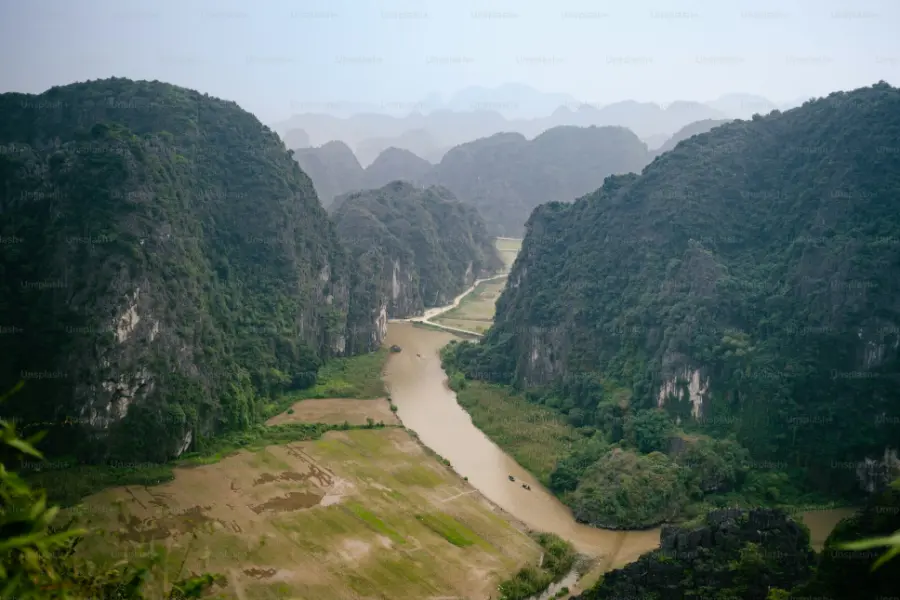


“`html
Feature Hotels of Vietnam | Luxury Stays – Indochine Chic


“`
Luxury Stays
Feature Hotels of Vietnam
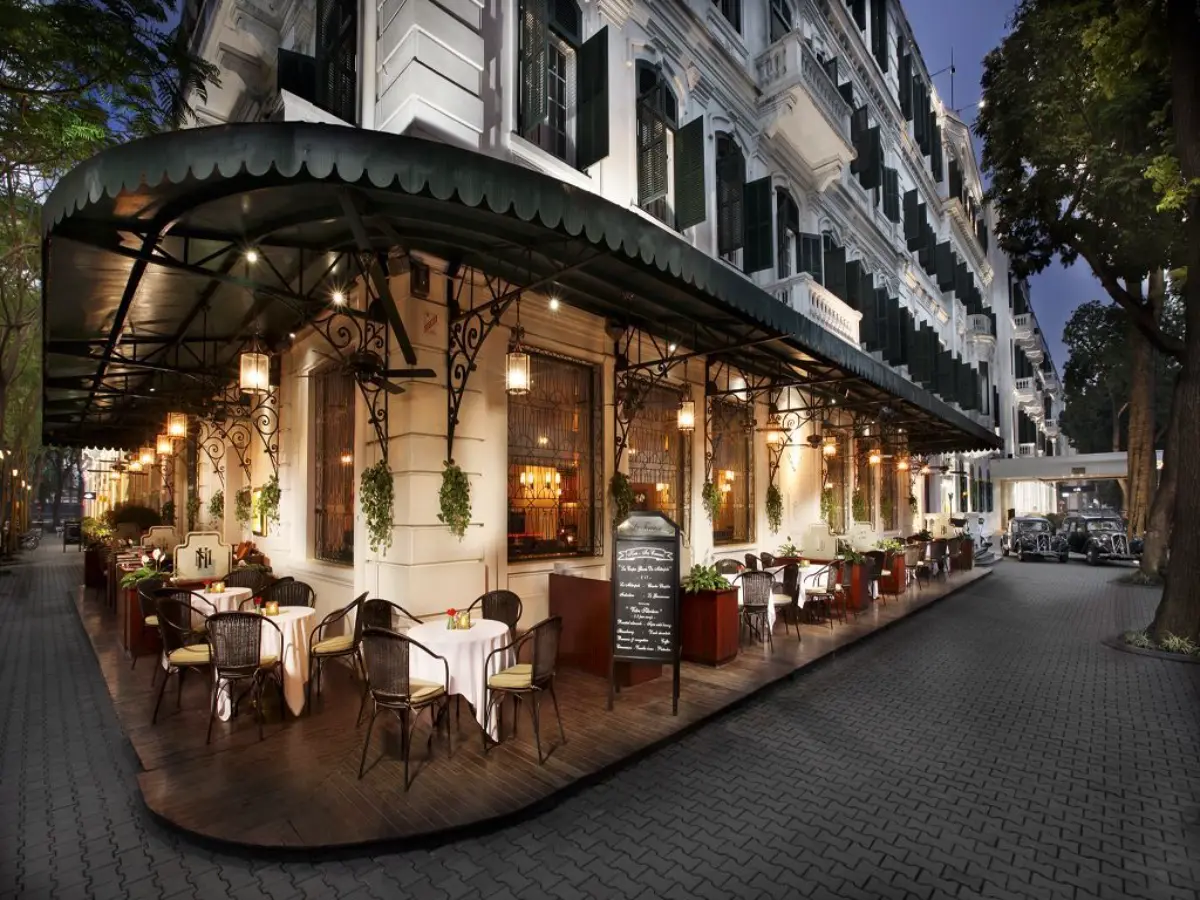
Hanoi
Metropole Hotel
The ultimate crown jewel of classic French colonial elegance. Nostalgic white facades, timeless ironwork, and cinematic grandeur embody the peak of Indochine luxury.

Hue
Azerai La Residence
Timeless Art Deco elegance sitting proudly on the banks of the Perfume River facing the ancient Imperial Citadel.

Hoi An
Four Seasons The Nam Hai
An architectural sanctuary layout directly on the pristine coast. Unrivaled luxury villas and soul-stirring cultural spas.

Ho Chi Minh City
Park Hyatt Saigon
A pristine architectural heritage sanctuary dating back to 1930. Bask in old-world Saigon charm with opulent crystal chandeliers and nostalgic French-Indochine design lines.