<!DOCTYPE html>
<html lang="en">
<head>
<meta charset="UTF-8" />
<meta name="viewport" content="width=device-width, initial-scale=1.0"/>

<title>The Last Tropical Indochine Island | Phu Quoc 2026</title>

<link href="https://fonts.googleapis.com/css2?family=Cormorant+Garamond:wght@300;400;500;600;700&family=Inter:wght@300;400;500;600&display=swap" rel="stylesheet">

<style>

:root{
    --cream:#f7f2ea;
    --sand:#e8dccb;
    --gold:#c5a46d;
    --dark:#1f1f1f;
    --brown:#5d4a3a;
    --green:#4c5a4b;
}

*{
    margin:0;
    padding:0;
    box-sizing:border-box;
}

body{
    font-family:'Inter',sans-serif;
    background:var(--cream);
    color:var(--dark);
    line-height:1.9;
    overflow-x:hidden;
}

.hero{
    height:100vh;
    background:
        linear-gradient(rgba(0,0,0,0.35),rgba(0,0,0,0.45)),
        url('https://images.unsplash.com/photo-1507525428034-b723cf961d3e?q=80&w=2070&auto=format&fit=crop');
    background-size:cover;
    background-position:center;
    display:flex;
    align-items:center;
    justify-content:center;
    text-align:center;
    padding:40px;
}

.hero-content{
    max-width:900px;
    color:white;
}

.hero-subtitle{
    letter-spacing:4px;
    text-transform:uppercase;
    font-size:13px;
    margin-bottom:25px;
    opacity:0.85;
}

.hero h1{
    font-family:'Cormorant Garamond',serif;
    font-size:6rem;
    line-height:0.95;
    font-weight:600;
    margin-bottom:30px;
}

.hero p{
    max-width:720px;
    margin:auto;
    font-size:1.15rem;
    opacity:0.95;
}

.container{
    width:90%;
    max-width:1180px;
    margin:auto;
}

.intro{
    padding:120px 0;
}

.intro-grid{
    display:grid;
    grid-template-columns:1fr 1fr;
    gap:80px;
    align-items:center;
}

.intro-image{
    height:700px;
    background:url('https://images.unsplash.com/photo-1519046904884-53103b34b206?q=80&w=2070&auto=format&fit=crop');
    background-size:cover;
    background-position:center;
    border-radius:2px;
}

.section-label{
    color:var(--gold);
    text-transform:uppercase;
    letter-spacing:3px;
    font-size:12px;
    margin-bottom:20px;
}

.intro h2,
.content-section h2{
    font-family:'Cormorant Garamond',serif;
    font-size:4rem;
    line-height:1;
    margin-bottom:30px;
    color:var(--brown);
}

.intro p,
.content-section p{
    margin-bottom:28px;
    font-size:1.05rem;
    color:#444;
}

.quote{
    padding:140px 0;
    background:#ede4d6;
    text-align:center;
}

.quote h2{
    font-family:'Cormorant Garamond',serif;
    font-size:4.5rem;
    line-height:1.1;
    max-width:1000px;
    margin:auto;
    color:var(--brown);
    font-weight:500;
}

.image-full{
    height:80vh;
    background:
        linear-gradient(rgba(0,0,0,0.2),rgba(0,0,0,0.3)),
        url('https://images.unsplash.com/photo-1493558103817-58b2924bce98?q=80&w=2070&auto=format&fit=crop');
    background-size:cover;
    background-position:center;
    background-attachment:fixed;
}

.content-section{
    padding:120px 0;
}

.content-grid{
    display:grid;
    grid-template-columns:1fr 1fr;
    gap:90px;
}

.gallery{
    padding:60px 0 120px;
}

.gallery-grid{
    display:grid;
    grid-template-columns:repeat(3,1fr);
    gap:24px;
}

.gallery-item{
    height:420px;
    overflow:hidden;
    position:relative;
}

.gallery-item img{
    width:100%;
    height:100%;
    object-fit:cover;
    transition:transform 1.2s ease;
}

.gallery-item:hover img{
    transform:scale(1.08);
}

.overlay{
    position:absolute;
    bottom:0;
    left:0;
    width:100%;
    padding:40px 30px;
    background:linear-gradient(transparent,rgba(0,0,0,0.7));
    color:white;
}

.overlay h3{
    font-family:'Cormorant Garamond',serif;
    font-size:2rem;
    margin-bottom:10px;
}

.final-section{
    padding:180px 0;
    background:
        linear-gradient(rgba(15,15,15,0.7),rgba(15,15,15,0.75)),
        url('https://images.unsplash.com/photo-1506744038136-46273834b3fb?q=80&w=2070&auto=format&fit=crop');
    background-size:cover;
    background-position:center;
    text-align:center;
    color:white;
}

.final-section h2{
    font-family:'Cormorant Garamond',serif;
    font-size:5rem;
    margin-bottom:35px;
    font-weight:600;
}

.final-section p{
    max-width:850px;
    margin:auto;
    font-size:1.2rem;
    line-height:2;
    opacity:0.92;
}

footer{
    padding:40px 0;
    text-align:center;
    background:#171717;
    color:#999;
    letter-spacing:2px;
    font-size:12px;
    text-transform:uppercase;
}

@media(max-width:992px){

    .hero h1{
        font-size:4rem;
    }

    .intro-grid,
    .content-grid,
    .gallery-grid{
        grid-template-columns:1fr;
    }

    .intro-image{
        height:500px;
    }

    .intro h2,
    .content-section h2{
        font-size:3rem;
    }

    .quote h2{
        font-size:3rem;
    }

    .final-section h2{
        font-size:3.5rem;
    }
}

</style>
</head>

<body>

<section class="hero">
    <div class="hero-content">
        <div class="hero-subtitle">
            INDOCHINE CHIC PRESENTS
        </div>

        <h1>
            The Last Tropical<br>
            Indochine Island
        </h1>

        <p>
            Phu Quoc and the reinvention of tropical luxury in Southeast Asia —
            where fishing villages, sunset rituals, Indochine elegance,
            and modern island sophistication still coexist beneath the monsoon sky.
        </p>
    </div>
</section>

<section class="intro">
    <div class="container">

        <div class="intro-grid">

            <div class="intro-text">

                <div class="section-label">
                    PHU QUOC 2026
                </div>

                <h2>
                    An Island<br>
                    Between Worlds
                </h2>

                <p>
                    There are islands created for tourism, and there are islands
                    shaped by memory. Phu Quoc belongs to the second world —
                    a tropical frontier where old Indochina still lingers beneath
                    the surface of modern luxury.
                </p>

                <p>
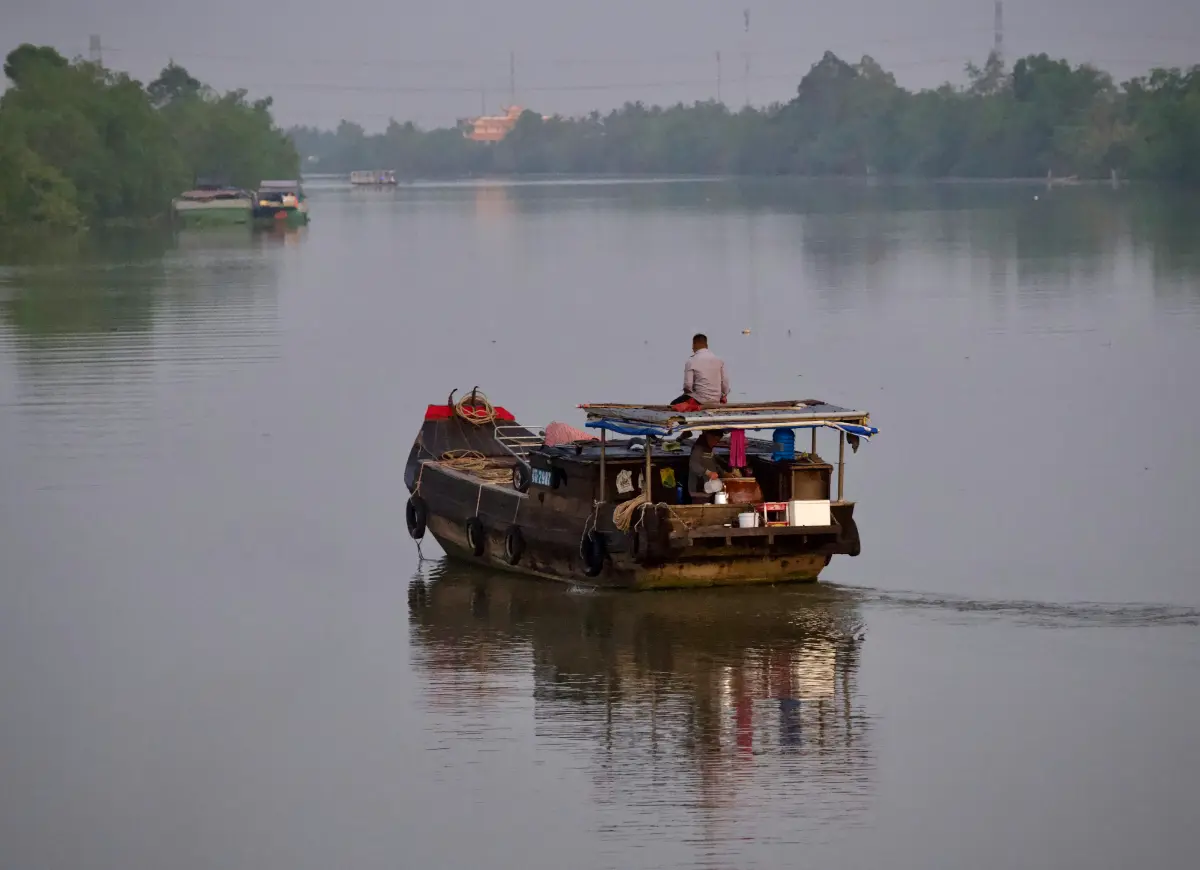
                    Fishing boats still return at dawn. Pepper farms survive behind
                    contemporary villas. Catholic churches hide beneath coconut palms,
                    while sunset cocktails unfold beside wooden seafood markets touched
                    by sea wind and salt.
                </p>

                <p>
                    In an era of increasingly artificial destinations, Phu Quoc
                    remains emotionally alive — transitional, imperfect, and deeply human.
                </p>

            </div>

            <div class="intro-image"></div>

        </div>

    </div>
</section>

<section class="quote">

    <div class="container">

        <h2>
            “Luxury is no longer about distance from reality —
            but connection to atmosphere, memory, and place.”
        </h2>

    </div>

</section>

<section class="image-full"></section>

<section class="content-section">

    <div class="container">

        <div class="content-grid">

            <div>

                <div class="section-label">
                    TROPICAL INDOCHINE
                </div>

                <h2>
                    The Reinvention<br>
                    of Island Luxury
                </h2>

            </div>

            <div>

                <p>
                    Phu Quoc is evolving into a new kind of Southeast Asian Riviera —
                    one shaped not by excess, but by emotional geography.
                </p>

                <p>
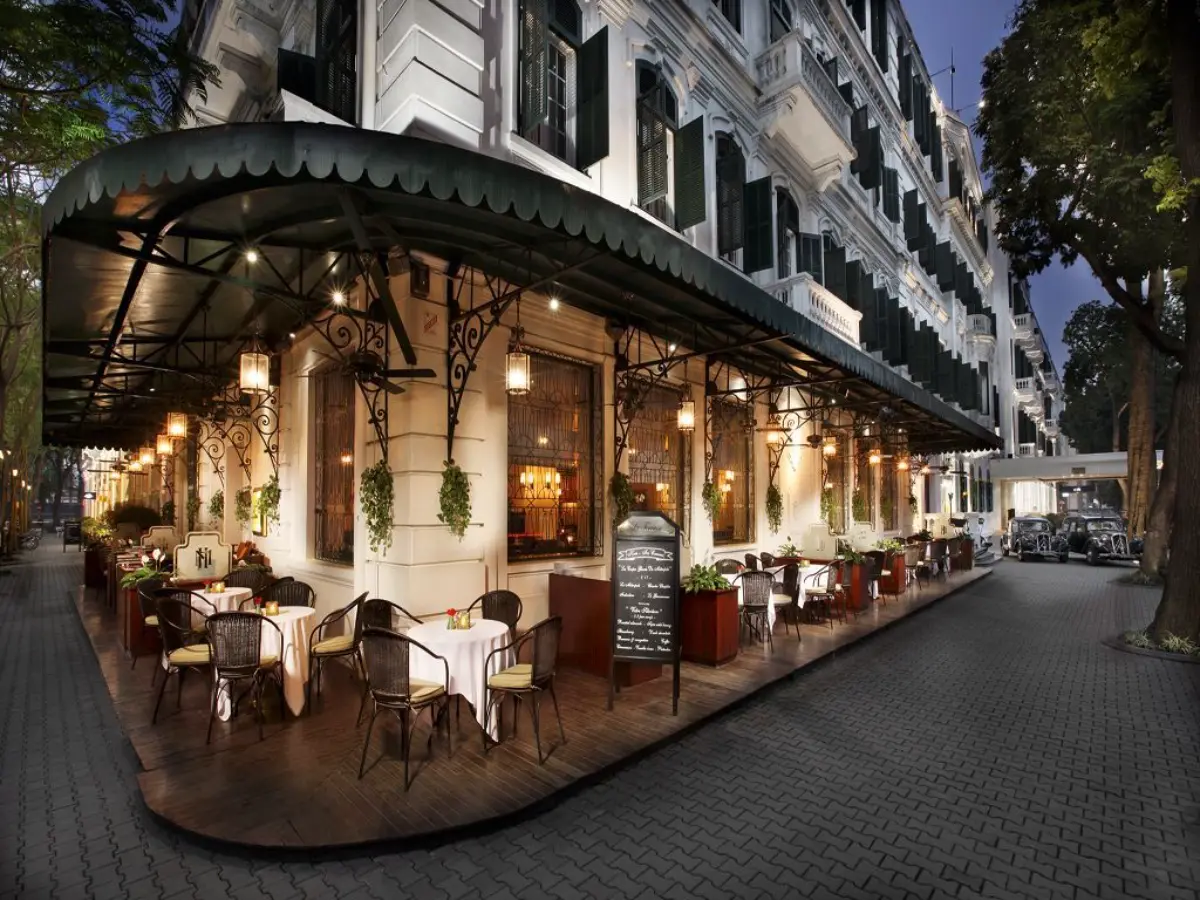
                    Here, tropical architecture blends with Indochine heritage:
                    shaded verandas, rattan textures, weathered timber,
                    muted colonial palettes, and gardens shaped by monsoon rain.
                </p>

                <p>
                    The island’s future luxury identity lies not in imitation,
                    but in continuity — a future rooted in memory, climate,
                    and the rhythm of the Gulf of Thailand.
                </p>

                <p>
                    Sunset becomes ritual. Slowness becomes luxury.
                    Silence becomes the rarest form of exclusivity.
                </p>

            </div>

        </div>

    </div>

</section>

<section class="gallery">

    <div class="container">

        <div class="gallery-grid">

            <div class="gallery-item">

                <img src="https://images.unsplash.com/photo-1507525428034-b723cf961d3e?q=80&w=1200&auto=format&fit=crop">

                <div class="overlay">
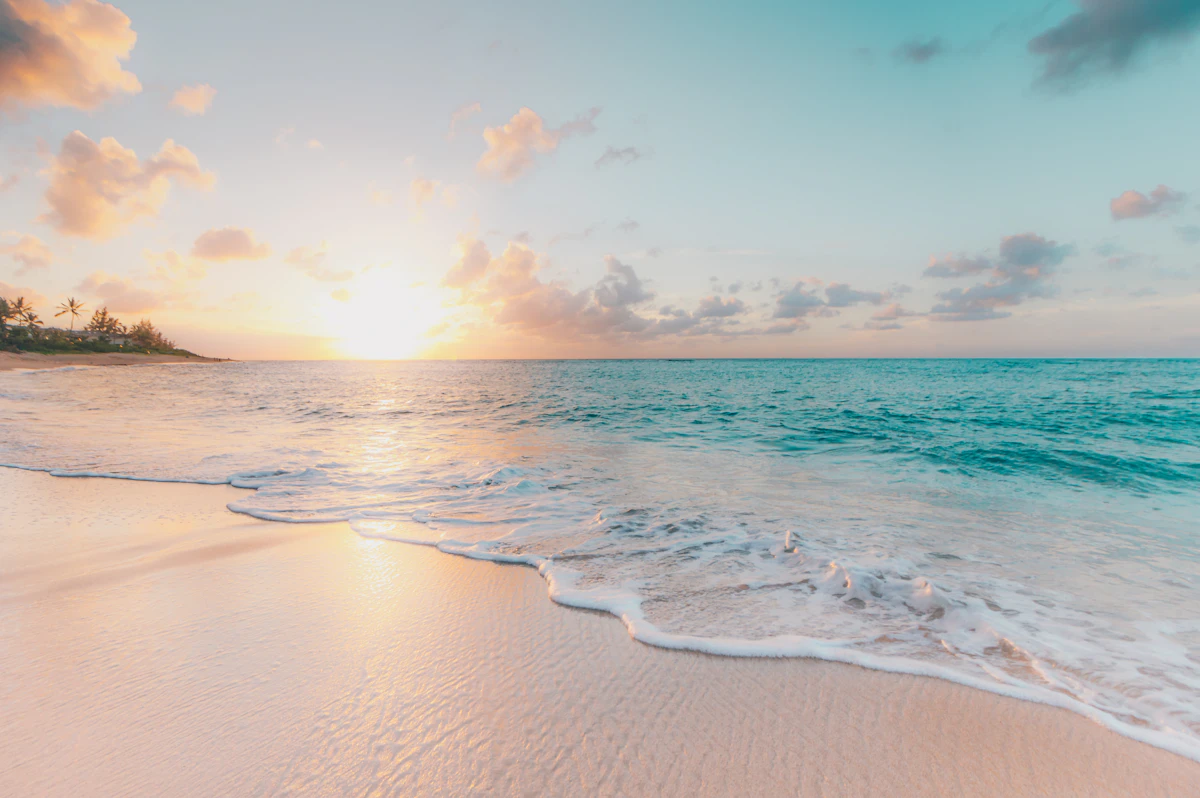
                    <h3>Sunset Coast</h3>
                    <p>Where the Gulf of Thailand glows gold at dusk.</p>
                </div>

            </div>

            <div class="gallery-item">

                <img src="https://images.unsplash.com/photo-1496417263034-38ec4f0b665a?q=80&w=1200&auto=format&fit=crop">

                <div class="overlay">
                    <h3>Island Heritage</h3>
                    <p>Fishing culture, pepper farms, and maritime memory.</p>
                </div>

            </div>

            <div class="gallery-item">

                <img src="https://images.unsplash.com/photo-1500530855697-b586d89ba3ee?q=80&w=1200&auto=format&fit=crop">

                <div class="overlay">
                    <h3>Indochine Elegance</h3>
                    <p>Tropical architecture shaped by climate and soul.</p>
                </div>

            </div>

        </div>

    </div>

</section>

<section class="content-section">

    <div class="container">

        <div class="content-grid">

            <div>

                <div class="section-label">
                    THE FUTURE RIVIERA
                </div>

                <h2>
                    Why The World<br>
                    Will Come Here
                </h2>

            </div>

            <div>

                <p>
                    Travelers today seek more than beautiful destinations.
                    They search for narrative, atmosphere, and emotional resonance.
                </p>

                <p>
                    Phu Quoc represents a new chapter in Southeast Asian luxury —
                    where wellness, culture, gastronomy, architecture,
                    and tropical slow living merge naturally.
                </p>

                <p>
                    It is an island still becoming itself.
                    Still carrying the scent of sea salt and fish sauce.
                    Still shaped by fishermen, monsoon rain, jungle hills,
                    and the memory of Indochina.
                </p>

                <p>
                    And perhaps that is why Phu Quoc matters now more than ever:
                    because authenticity here is not staged.
                    It still breathes.
                </p>

            </div>

        </div>

    </div>

</section>

<section class="final-section">

    <div class="container">

        <h2>
            The Last Tropical<br>
            Indochine Island
        </h2>

        <p>
            Somewhere between jungle and sea, between memory and modernity,
            Phu Quoc is quietly redefining the future of luxury travel in Asia.
            Not louder. Not larger. But deeper, slower, and more human.
        </p>

    </div>

</section>

<footer>

    INDOCHINE CHIC — PHU QUOC 2026

</footer>

</body>
</html>