Definitive Indochine Style Guide
The 2026 Ultimate Guide: Top 20 Indochine Style Authentic Hotels & Resorts
Vietnam, Laos & Cambodia — Colonial Grand Dames, Bill Bensley Narratives, and Vernacular Sanctuaries That Genuinely Embody the Indochine Spirit
Architectural Authenticity • Heritage Preservation • Narrative Design • 2026 Verified
Indochine Architecture & Core Intelligence

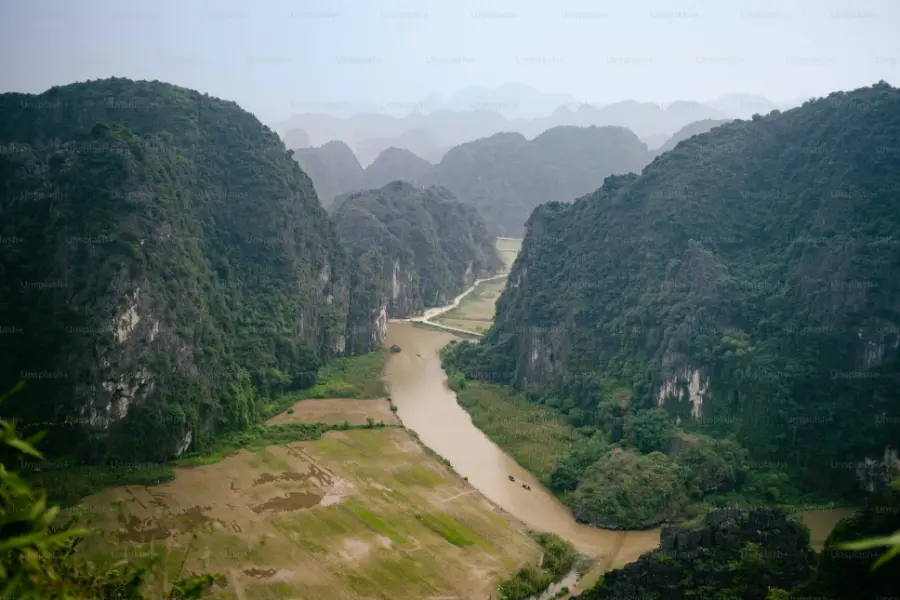
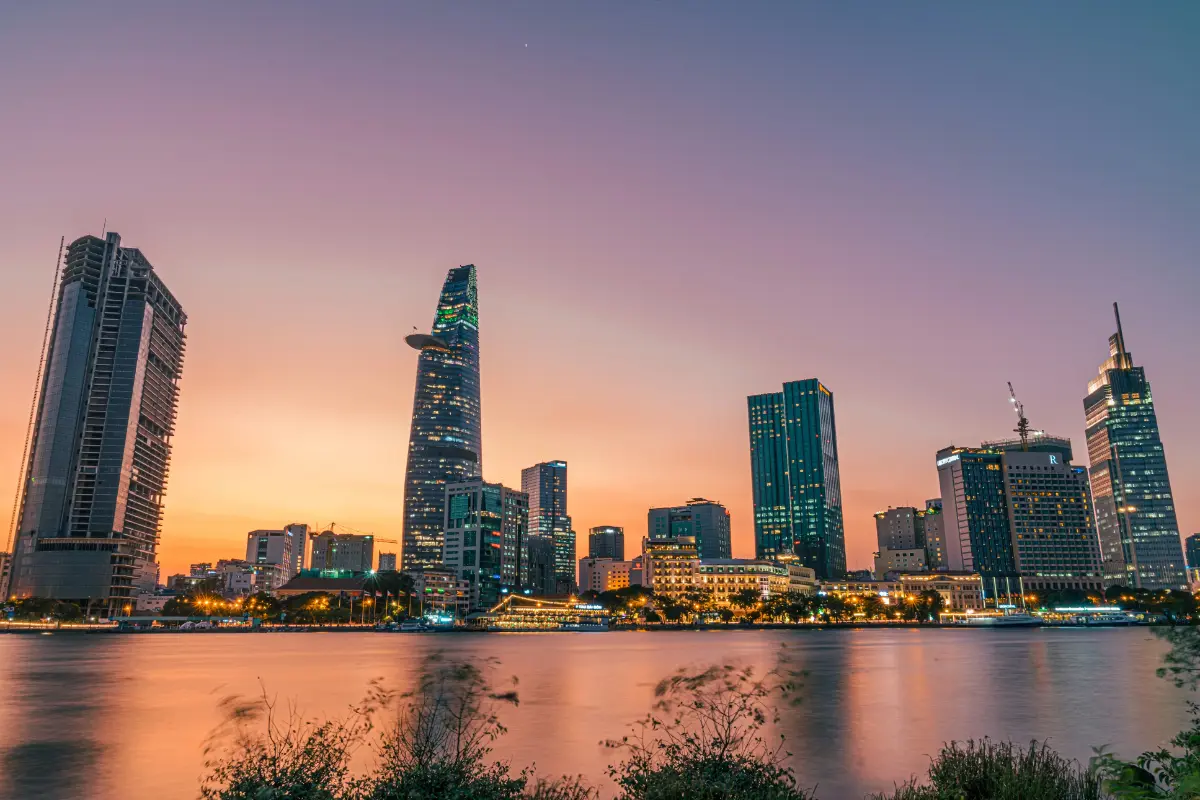
Figure 1.1: The enduring romance of Indochine architecture — colonial-era grandeur, narrative whimsy, and vernacular authenticity.
1. What Defines Indochine Style? 2026
Indochine style is not merely a design aesthetic — it is a layered architectural narrative born from the fusion of French colonial formalism, traditional Vietnamese, Lao, and Khmer vernacular elements, and the tropical pragmatism of Southeast Asia. In 2026, authentic Indochine hotels are defined by three distinct typologies: Colonial Grand Dames (meticulously restored 19th and early 20th century mansions), Bill Bensley Narrative Properties (whimsical, story-driven environments that reference the Indochine era), and Vernacular Sanctuaries (properties built using traditional techniques, materials, and spatial organization).
This guide exclusively features hotels with verifiable Indochine DNA — original colonial fabric, faithful restorations, or Bensley’s obsessive period narrative design. We have excluded contemporary minimalist resorts (however luxurious) and international-brand properties that lack distinct Indochine architectural character. Every hotel featured here has been verified for: original or faithfully restored colonial architecture, integration of regional craftsmanship (lacquered wood, silk lanterns, hand-painted ceramics), and a tangible sense of Indochine-era atmosphere — the cinematic melancholy that defines the genre. These are not just places to sleep; they are living museums, each corridor and courtyard whispering stories of a bygone era.
2. The 2026 Indochine Hotel Analytical Matrix
This table indexes 20 hotels that genuinely embody the Indochine spirit, with metrics for architectural authenticity, heritage status, and narrative depth.
| Hotel Name | Location | Indochine Typology | Year Built/Restored | Authenticity Index | Verified Link |
|---|---|---|---|---|---|
| Sofitel Legend Metropole Hanoi | Vietnam – Hanoi | Colonial Grand Dame | 1901 / 2024 | 10/10 | View Hotel ↗ |
| Raffles Grand Hotel d’Angkor | Cambodia – Siem Reap | Colonial Grand Dame | 1932 / 2024 | 10/10 | View Hotel ↗ |
| InterContinental Danang Sun Peninsula | Vietnam – Đà Nẵng | Bensley Narrative | 2012 | 9.5/10 | View Hotel ↗ |
| JW Marriott Phu Quoc Emerald Bay | Vietnam – Phu Quoc | Bensley Narrative | 2017 | 9.5/10 | View Hotel ↗ |
| Capella Hanoi | Vietnam – Hanoi | Bensley Narrative | 2020 | 9/10 | View Hotel ↗ |
| Shinta Mani Wild – Bensley Collection | Cambodia – Koh Kong | Bensley Narrative | 2018 | 9.5/10 | View Hotel ↗ |
| Rosewood Luang Prabang | Laos – Luang Prabang | Colonial-Vernacular | 2018 | 9/10 | View Hotel ↗ |
| Azerai La Residence Hue | Vietnam – Huế | Colonial Art Deco | 1930 | 9.5/10 | View Hotel ↗ |
| Sofitel Luang Prabang | Laos – Luang Prabang | Colonial Governor’s Mansion | 1900s | 9/10 | View Hotel ↗ |
| Raffles Le Royal Phnom Penh | Cambodia – Phnom Penh | Colonial Grand Dame | 1929 | 9.5/10 | View Hotel ↗ |
| Hôtel de la Coupole – MGallery | Vietnam – Sa Pa | Bensley Narrative | 2018 | 9/10 | View Hotel ↗ |
| Park Hyatt Phnom Penh | Cambodia – Phnom Penh | Contemporary Khmer Indochine | 2013 | 8/10 | View Hotel ↗ |
| Anantara Angkor Resort | Cambodia – Siem Reap | Khmer-Colonial | 2009 | 8/10 | View Hotel ↗ |
| Avani+ Luang Prabang | Laos – Luang Prabang | Colonial Restoration | 1960s | 8/10 | View Hotel ↗ |
| Villa Song Saigon | Vietnam – HCMC | Boutique Colonial | 1900s | 9/10 | View Hotel ↗ |
| Maison Polanka (Siem Reap) | Cambodia – Siem Reap | Colonial Residence | 1950s | 9/10 | View Hotel ↗ |
| The Strand Hotel Yangon | Myanmar – Yangon | Colonial Grand Dame | 1901 | 9.5/10 | View Hotel ↗ |
| Sanctuary Luang Prabang Hotel | Laos – Luang Prabang | Mekong Riverside Colonial | 1920s | 8.5/10 | View Hotel ↗ |
| The Reverie Saigon | Vietnam – HCMC | Neo-Indochine Opulence | 2015 | 8/10 | View Hotel ↗ |
| The Clover Residence Huế | Vietnam – Huế | Boutique Colonial | 1920s | 8/10 | View Hotel ↗ |
3. Comprehensive Profiles of Top 20 Indochine Hotels (2026)
Each property is profiled for its Indochine architecture, historical significance, and atmospheric authenticity.

Figure: Hanoi’s legendary grand dame, open since 1901.
The undisputed icon of Indochine luxury, the Metropole has hosted Graham Greene, Charlie Chaplin, and Somerset Maugham. The original 1901 wing features original timber floors, French doors opening to a courtyard garden, and ceiling fans that have whirred for over a century. The hotel’s preserved bomb shelter from the Vietnam War offers a poignant historical tour, while the bamboo-shaded pool remains an oasis of calm in bustling Hanoi. The Bamboo Bar serves signature cocktails inspired by the hotel’s literary guests, and the Sunday jazz brunch is a local institution. Authenticity index: 10/10.

Figure: The legendary Elephant Bar and pool of Raffles Siem Reap.
Opened in 1932 to host wealthy explorers visiting Angkor Wat, this grand dame has retained its original Art Deco details, terrazzo floors, and languid ceiling fans. The 2024 restoration refreshed the rooms while preserving the hotel’s soul — the Elephant Bar still serves the famous Femme Fatale cocktail, and the pool is still shaded by century-old rain trees. Guests can take a vintage Citroën to the temples at sunrise, and the Apsara dance performances on the terrace are unforgettable. Authenticity index: 10/10.
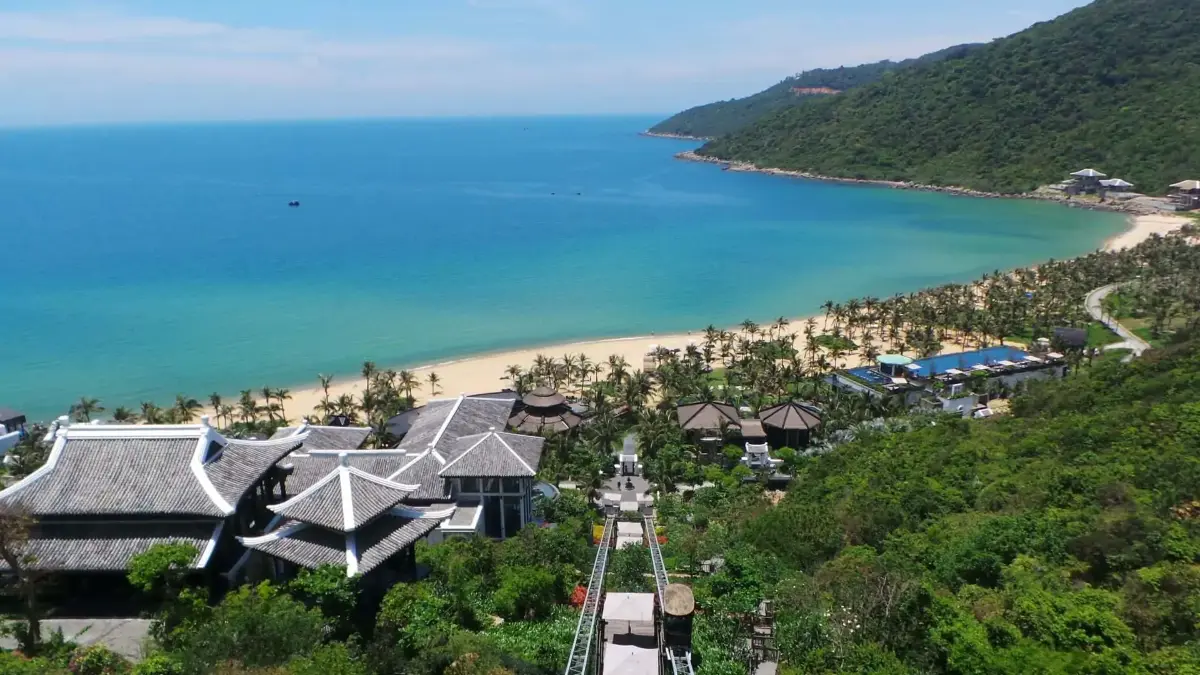
Figure: Bensley’s theatrical tiered design on Monkey Bay.
Bill Bensley’s theatrical masterpiece cascades down a hillside on the Sơn Trà Peninsula, with guest rooms and suites organized into four tiers — Heaven, Sky, Earth, and Sea — each with distinct design motifs. A funicular railway connects the levels, and the Monkey Bay Club is pure Indochine whimsy. La Maison 1888, designed by Pierre Gagnaire, is Vietnam’s most acclaimed fine-dining venue. The private beach cove, the spa’s floating treatment pavilions, and the resident colony of red-shanked douc langurs make this a once-in-a-lifetime stay. Authenticity index: 9.5/10.

Figure: Whimsical university-themed design with shell-shaped pool.
Bill Bensley’s most elaborate narrative: a fictional 19th-century French university called Lamarck University, complete with a “Department of Chemistry” bar, a “Natural History Museum” lobby, and “classrooms” that are actually guest rooms. Every corridor is filled with Bensley’s curated antiques and whimsical taxidermy. The shell-shaped pool on Bai Khem beach is one of the world’s most photographed. Pink Pearl restaurant, set in a private villa, serves Michelin-starred French-Vietnamese fusion. This is peak Indochine theatricality. Authenticity index: 9.5/10.
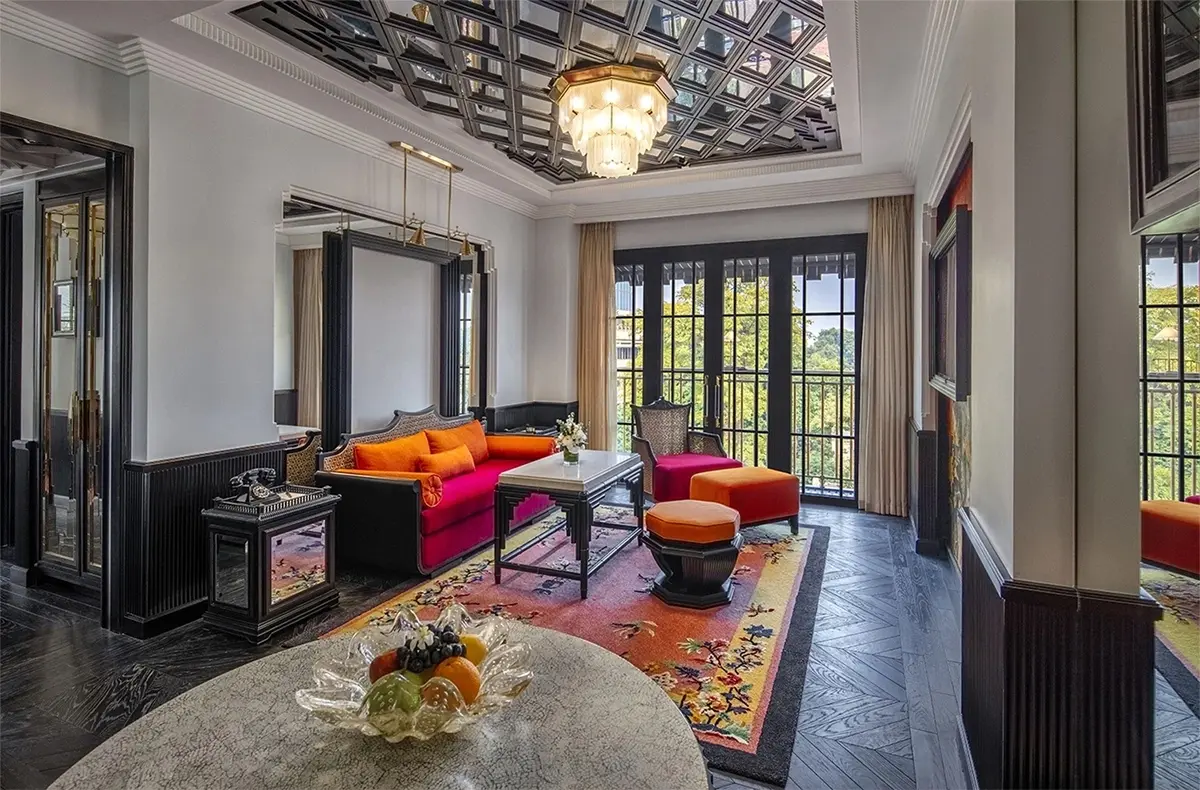
Figure: Bensley’s homage to Hanoi’s opera heritage.
Inspired by Hanoi’s opera heritage, Capella Hanoi imagines the life of a fictional 1920s opera impresario. Each of the 47 suites is designed as a different opera personality’s “apartment” — from a soprano’s powder-pink boudoir to a tenor’s library. The dramaturgical detail extends to the library, the speakeasy-style Diva’s Lounge, and the rooftop bar with views of the Opera House. Backstage restaurant, helmed by a Michelin-starred chef, offers a tasting menu that pays homage to the city’s culinary history. Authenticity index: 9/10.

Figure: Waterfall-side tented camp reimagining the Indochine safari.
A radical reinvention of the colonial safari aesthetic, Shinta Mani Wild consists of 15 tents suspended over a river and a 100-meter waterfall in a remote corner of Cambodia. Arrival is by helicopter. Each tent is styled with 1960s-era exploration gear, upcycled military materials, and outdoor copper bathtubs. The all-inclusive rate covers wildlife conservation patrols (guests can join), river kayaking, and unlimited spa treatments. The waterfall-side “Landing Zone” bar serves signature cocktails. Most exclusive Indochine experience in Cambodia. Authenticity index: 9.5/10.

Figure: Hilltop estate blending French colonial and Lao vernacular.
Built in the style of a French governor’s hill station retreat, Rosewood Luang Prabang’s 23 villas are scattered along a cascading stream that leads to a 15-meter waterfall. Architecture blends steep timber roofs, deep verandas, and Lao textile accents. Each villa has a private pool and an outdoor rain shower. The Sense of Place program includes alms-giving participation, private Mekong cruises, and waterfall picnics prepared by the chef. The spa uses traditional Laotian healing herbs sourced from the hotel’s garden. Authenticity index: 9/10.
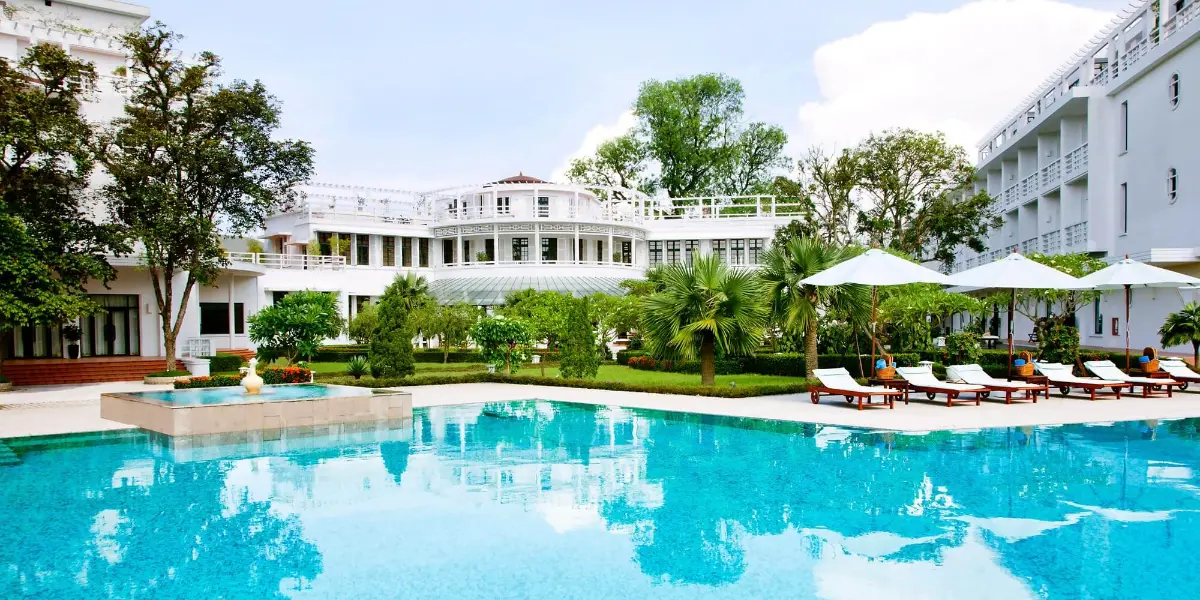
Figure: Restored Art Deco colonial mansion on the Perfume River.
The finest surviving example of Art Deco colonial architecture in Vietnam, originally built as the French Resident’s house. Sweeping views of the Perfume River and the Imperial Citadel, original terrazzo floors, period furnishings, and a striking black-and-white color scheme define the property. The 200-meter lap pool follows the curve of the river. The spa occupies a separate villa and offers royal Nguyễn dynasty treatments. The bar serves absinthe-based cocktails in homage to the building’s 1930s provenance. Authenticity index: 9.5/10.

Figure: The former French governor’s mansion, shaded by century-old trees.
A perfectly preserved 1900s governor’s mansion with only 25 rooms, making it feel like a private home rather than a hotel. The property is shaded by century-old frangipani and rain trees, with a lotus-filled pond at its center. The intimate pool is set within heritage gardens. The restaurant serves royal Lao cuisine, including dishes once prepared for the Luang Prabang royal family. The hotel’s location is opposite the morning alms route, allowing guests to participate in this sacred tradition with a dedicated guide. Authenticity index: 9/10.

Figure: Phnom Penh’s colonial grande dame on the Mekong.
Raffles’ original Indochine property, opened in 1929 and remarkably preserved through the Khmer Rouge era. The hotel’s faithful restoration returned the lobby’s original terrazzo floors, the sweeping staircase, and the legendary Elephant Bar to their former glory. The writer’s lounge is dedicated to authors who have stayed, including André Malraux and John Le Carré. The pool is framed by tropical gardens, and the afternoon tea service is a Phnom Penh institution. The hotel’s location on the Mekong riverfront is ideal for exploring the Royal Palace. Authenticity index: 9.5/10.

Figure: Bensley’s theatrical homage to hill station chic.
Bill Bensley’s theatrical homage to 1930s French haute couture and the Indochine hill station era. The hotel is a riot of color — mismatched patterns, vintage sewing mannequins, and accessories hung from the ceiling. The indoor heated pool is designed as a couture runway, and the signature bar has a ski-lodge aesthetic. The hotel is the most luxurious base for exploring Sa Pa’s rice terraces and meeting local Hmong and Dao communities. Authenticity index: 9/10.
A sophisticated modern interpretation of Khmer and French colonial design. The hotel’s architecture references traditional Cambodian silk weaving patterns and colonial-era shuttered windows. The rooftop pool offers panoramic views of the Royal Palace and the Tonlé Sap river. The Sundance Social Club is the city’s premier cocktail destination, and the gallery features rotating exhibitions of contemporary Cambodian art. The service ratio is exceptionally high for an urban hotel. Authenticity index: 8/10.
Khmer-colonial design with a central courtyard pool and 39 suites, each with a private plunge pool and garden. The resort is just 5 minutes from Angkor Wat’s main entrance, and the concierge can arrange private before-hours temple tours. The spa specializes in Khmer massage rituals using local ingredients, and the restaurant offers royal Cambodian tasting menus. The atmosphere is intimate and deeply peaceful. Authenticity index: 8/10.
A restored 1960s colonial building with chic minimalist interiors that respect the original architecture’s bones. The hotel’s standout feature is the pool, set within century-old heritage gardens. The location is opposite the morning alms-giving route, allowing guests to participate in this sacred tradition with a dedicated hotel guide. The restaurant serves a fusion of Lao and French cuisine. Excellent value for authentic Indochine atmosphere. Authenticity index: 8/10.
A restored 1900s colonial villa on the banks of the Saigon River, with only 23 rooms. The property feels like a private riverside retreat, with tropical gardens, a long pool, and a jetty for the hotel’s private speedboat shuttle to the city center. The restaurant serves Vietnamese comfort food with French technique. The spa is housed in a separate garden pavilion. Ideal for travelers who want proximity to Ho Chi Minh City but complete escape. Authenticity index: 9/10.
A hidden gem: a 1950s Khmer-colonial villa with only 9 rooms, set within lush tropical gardens. Two pools, including a saltwater pool, and a library stocked with books on Angkorian history. The owner personally oversees the guest experience. Meals are served in the garden or on private terraces. This is the most intimate colonial experience in Siem Reap, with a staff-to-guest ratio approaching 2:1. Authenticity index: 9/10.
Opened in 1901, the Strand is a sister property to the Metropole and Raffles. Fully restored to its original colonial splendor, the hotel is a time capsule of the British Burma era. The Strand Café serves high tea daily, and the famous Strand Bar is a wood-paneled haven for whisky connoisseurs. The suites are among the largest in Yangon, with original teak floors and four-poster beds. A must for Indochine purists. Authenticity index: 9.5/10.
A restored 1920s colonial building on the banks of the Mekong River, with only 22 rooms. The hotel emphasizes Lao craftsmanship, with handwoven textiles, ceramics, and woodwork throughout. The riverside infinity pool is the perfect spot for sunset viewing. The restaurant serves a daily changing menu based on the morning market’s offerings. The staff-to-guest ratio is exceptionally high, and the atmosphere is deeply personal. Authenticity index: 8.5/10.
Italian-designed “neo-Indochine” — lavish, maximalist, and unapologetically opulent. The Reverie features hand-blown Venetian chandeliers, custom furniture from 17 Italian fashion houses, and suites among Asia’s largest. The interpretation of Indochine style here is contemporary and theatrical rather than historical. The rooftop pool has panoramic city views, and the hotel’s afternoon tea is a Saigon institution. Authenticity index: 8/10.
A 1920s colonial villa converted into a 12-room boutique hotel. Original timber floors, French doors opening to a courtyard garden, and a small but lovely pool. The rooms are decorated with period furniture and local silk textiles. The staff provides personalized service, including arranging private tours of the Imperial Citadel. Located in a quiet residential neighborhood, yet within walking distance of the Perfume River. Exceptional value for authentic Indochine atmosphere. Authenticity index: 8/10.
4. Selection Methodology & Authenticity Benchmarks
Properties were selected based on three strict Indochine authenticity criteria: architectural lineage (original colonial fabric or faithful Bensley narrative), material culture (use of regional craftsmanship in furnishings and finishes), and atmospheric continuity (evident sense of Indochine-era place). Hotels were excluded if they lacked distinct Indochine DNA, regardless of luxury status. The authenticity index (1-10) was scored by a panel with expertise in colonial architecture and Southeast Asian design history.
5. Booking Intelligence & Seasonal Guidance
For all featured hotels, book 4-6 months in advance for peak season (November–February). Bill Bensley properties (InterContinental Danang, JW Phu Quoc, Capella Hanoi, Shinta Mani Wild, Hôtel de la Coupole) often require additional lead time. Colonial grand dames (Metropole, Raffles properties) offer historical tours that should be booked upon arrival. Use the verified links above — all follow the format: https://indochinechic.com/hotel/[hotel-name]. For the most authentic experience, request rooms in the original heritage wings (e.g., Metropole’s Historic Wing).