overview
Northern Vietnam
From the misty mountains of Sa Pa to the emerald waters of Ha Long Bay — a land of timeless beauty.
Explore the North →A comprehensive travel guide to history, culture, and untamed beauty — from Hanoi to Ha Giang, Ha Long Bay to Mu Cang Chai.
Beyond the ordinary. Northern Vietnam is a region of profound contrasts, where the pulse of a rapidly modernizing nation beats alongside the timeless rhythm of ancient traditions. It’s a place where the echoes of millennia-old history resonate from the walls of imperial citadels, and where the dramatic, karst-sculpted landscape seems to tell a story of its own. From the bustling, motorbike-choked streets of Hanoi to the serene, emerald waters of Ha Long Bay and the rugged, ethereal peaks of the northern highlands, this region offers an unforgettable journey through the heart and soul of Vietnam.
Northern Vietnam is a region of profound contrasts — where the pulse of a rapidly modernizing nation beats alongside the timeless rhythm of ancient traditions.
Northern Vietnam is a region of profound contrasts, where the pulse of a rapidly modernizing nation beats alongside the timeless rhythm of ancient traditions. It’s a place where the echoes of millennia-old history resonate from the walls of imperial citadels, and where the dramatic, karst-sculpted landscape seems to tell a story of its own. For the traveler, this is not merely a destination; it is an immersive experience, a vibrant tapestry woven with threads of rich history, diverse cultures, breathtaking natural wonders, and a culinary scene that is justly celebrated worldwide. From the bustling, motorbike-choked streets of Hanoi to the serene, emerald waters of Ha Long Bay and the rugged, ethereal peaks of the northern highlands, this region offers an unforgettable journey through the heart and soul of Vietnam.
The climate of Northern Vietnam is a defining characteristic, shaping not only the landscape but also the agricultural cycles, cultural festivals, and the very rhythm of daily life. Unlike the more consistent tropical climate of the south, the north experiences four distinct seasons, each painting the region in different colors and offering a unique travel experience.
Spring in Northern Vietnam is a season of awakening. It typically begins around the time of the Lunar New Year, or Tết Nguyên Đán, the most important and vibrant festival in the Vietnamese calendar. The weather during this period is arguably the most pleasant of the year. The bitter chill of winter has faded, giving way to warm, gentle sunshine and a sense of optimism. The landscape is a fresh, vibrant green as new crops are planted, and the air is filled with the fragrance of blooming flowers. Average temperatures hover comfortably between 20 and 21 degrees Celsius, making it ideal for exploring cities, trekking through the countryside, and participating in the myriad of local festivals that take place during this time. Spring is a time for new beginnings, and for travelers, it offers a glimpse into the deep-rooted cultural traditions that have defined the region for centuries. It is a time when the spirit of the nation is at its most visible and joyful.
Summer descends upon the north with an undeniable intensity. From May through August, the region is subject to high heat and humidity, with temperatures frequently soaring to 37 or 38 degrees Celsius and sometimes even higher, particularly in the valleys. This is the season of heatwaves and sudden, heavy downpours that can offer brief but welcome respite. Despite the challenging heat, summer is a season of vibrant life and abundance. It is the peak harvest time for many tropical fruits, including the famous lychees of Luc Ngan and a variety of mangoes, rambutans, and longans that fill the markets with their sweet aroma. The rice paddies transform into a brilliant, lush green, and the landscape is at its most photogenic. For travelers who can tolerate the heat, summer offers a unique glimpse into the agricultural heart of the country, with the bonus of lively swimming and beach activities along the coast, from Hai Phong to Ha Long Bay. However, it’s crucial to be prepared for the heat and the occasional tropical storm, which can bring heavy rain and, in some cases, disrupt travel plans.
Autumn is universally considered the most beautiful and poetic season in Northern Vietnam. It is a time of transition, as the oppressive heat of summer finally breaks. The skies clear to a brilliant, deep blue, and the air becomes cool, crisp, and comfortable, carrying a subtle, earthy scent. The humidity drops, making it a perfect time for exploration. The landscape takes on a golden hue, particularly in the terraced rice fields of Mu Cang Chai and Hoang Su Phi, where the harvest is in full swing. Streets in Hanoi are lined with the delicate yellow of hoa sữa (milk flowers), their sweet fragrance permeating the air in the evenings. This is the season for outdoor activities, for long walks through historic quarters, for cruising on Ha Long Bay under a soft sun, and for capturing the stunning scenery with a camera. The cooler weather also makes it the best time to trek in the highlands of Sa Pa and Ha Giang. Autumn is a photographer’s dream and a traveler’s delight, offering a sensory experience that is both serene and spectacular.
Winter arrives in December, bringing with it a significant drop in temperatures as the Northeast Monsoon sweeps down from China. In the lowlands, the weather becomes cool and dry, with average temperatures ranging from 13 to 15 degrees Celsius. The skies are often overcast, creating a moody, atmospheric backdrop that gives a different kind of beauty to the old streets of Hanoi and the ancient temples. In the mountainous areas, the cold is far more pronounced. Temperatures can plummet to near freezing, and in places like Sa Pa and Ha Giang, frost is a common occurrence. Occasionally, snowfall graces the very highest peaks, such as Mount Fansipan, offering a breathtaking and unusual sight for a tropical country. Winter is the season for enjoying hot, comforting Vietnamese dishes like phở, cháo ấm (warm porridge), and bánh trôi (sweet rice balls) in a warm, bustling street-side café. It is a quieter time for travel, perfect for those seeking a more introspective experience and the unique charm of Northern Vietnam wrapped in a cool, misty embrace.
Reaching Northern Vietnam is a straightforward endeavor, thanks to a well-established and increasingly modern transportation network that connects the region to the rest of the world and the country.
For the vast majority of international travelers, the journey begins at Noi Bai International Airport (HAN) in Hanoi. As the region’s primary gateway, it handles a huge volume of both international and domestic flights, connecting Vietnam to major hubs across Asia, Europe, Australia, and North America. The airport is located about 35 kilometers from the city center, with reliable taxi, ride-hailing, and bus services available to take you into the capital. For those who prefer to start their northern exploration elsewhere, there are two other international airports in the region:
For those already in Vietnam or looking for a more romantic and scenic mode of travel, the railway system is an excellent option. The iconic Reunification Express line connects Hanoi to Ho Chi Minh City, with various stops along the way. For travelers coming from the south or central regions, a sleeper train offers a comfortable and memorable way to travel overnight, arriving in Hanoi in the morning. There are also daily train services to popular northern destinations like Lao Cai (for Sa Pa) and Hai Phong. The train journey, especially the route to Lao Cai, offers spectacular views of the countryside, weaving through lush valleys and past intricate rice terraces.
A vast network of long-distance sleeper and luxury buses connects Northern Vietnam to other parts of the country. These buses are often a more economical choice and offer a wide range of departure times. They connect Hanoi directly to most major northern towns like Ha Long, Ninh Binh, and Sa Pa. While the journey can be long, the modern buses are relatively comfortable, and the service is a great way to see the country’s landscape unfold from the window.
For the adventurous traveler, arriving in Northern Vietnam by land is a compelling option. Vietnam shares borders with China and Laos, with several international border crossings available for those traveling by bus or private car. The most common entry points from China include the Mong Cai crossing in Quang Ninh Province and the Lao Cai border gate, which is a major point for travelers entering from Yunnan province. From Laos, the Na Meo crossing in Thanh Hoa province is a well-trodden path for backpackers. This mode of travel allows for an overland journey that is rich in cultural exchange and offers a unique perspective on the region’s geography.
Hanoi is far more than the capital of Vietnam; it is its soul. A city of profound contrasts, it is a place where centuries-old pagodas stand in the shadow of towering glass skyscrapers, and where the gentle hum of a thousand years of history is amplified by the cacophony of motorbikes. The city’s charm is not found in one specific landmark, but in the collective atmosphere of its narrow, tree-lined streets, its vibrant markets, its serene lakes, and the captivating energy of its people. The best times to experience Hanoi are during the mild, crisp days of autumn (September to November) and the pleasant warmth of spring (March to April).
At the core of Hanoi’s historical narrative is the Thang Long Imperial Citadel, a UNESCO World Heritage site that served as the political epicenter of the nation for over a millennium. A walk through its ancient gates is a journey through time. Recent night tours offer an enchanting experience, with the citadel’s ancient structures dramatically lit up and performances of traditional ceremonies and dances bringing its history to life.
A visit to the Hoa Lo Prison Museum, known to American prisoners of war as the “Hanoi Hilton,” is a moving and sobering experience. The museum provides a stark and powerful insight into Vietnam’s turbulent history, particularly the French colonial period and the Vietnam War. It tells a story of resilience and struggle, offering a perspective that is essential to understanding the country’s modern identity.
No exploration of Hanoi is complete without a visit to the Temple of Literature (Văn Miếu), Vietnam’s first national university, dedicated to Confucius. This serene, beautifully preserved complex of courtyards and ancient pavilions stands as a testament to the nation’s deep-rooted reverence for education and scholarship. Its iconic stone stelae perched on the backs of giant tortoises are a symbol of Vietnamese intellectual achievement.
For a more active exploration, cycling tours to the four sacred temples of the Thang Long Tu Tran provide a unique perspective on the city’s spiritual guardians. A tranquil stroll around the massive West Lake (Hồ Tây), Vietnam’s largest lake, is a must-do. The area is dotted with centuries-old pagodas, luxurious hotels, and serene cafes, offering a peaceful escape from the city’s chaotic center.
As dusk falls, the city reveals another facet of its personality. The famous Ta Hien Street, commonly known as “Beer Street,” in the Old Quarter erupts into a lively social scene. Locals and tourists alike spill out onto the pavement on tiny plastic stools, enjoying a cold glass of the famous local bia hơi (fresh beer) and soaking in the infectious energy of the street. It is an experience that is quintessentially Hanoi.
For a spectacular showcase of Vietnamese culture, the open-air performance of “The Quintessence of Tonkin” at the Thay Pagoda is a must-see. The show combines music, dance, and martial arts to tell the story of Vietnam’s agricultural and spiritual heritage, with a grand stage integrated into the pagoda’s natural surroundings.
For those needing a respite from the urban buzz, Ba Vì National Park is an easy day trip from Hanoi. Home to a diverse ecosystem and three distinct peaks, it offers excellent opportunities for trekking, camping, and escaping into nature, with a chance to see the ruins of a French colonial-era villa at the summit.
Ultimately, the true soul of Hanoi is perhaps best tasted. The city is a culinary paradise. A steaming bowl of bún chả (grilled pork patties and belly served with vermicelli noodles and fresh herbs), made famous by Anthony Bourdain and Barack Obama, is an essential experience. Equally iconic is chả cá Lã Vọng, a dish of turmeric-marinated fish fried at your table with fresh dill and spring onions, which is unique to Hanoi. And for a perfect snack, the crispy, golden bánh tôm (shrimp cakes) served with a sweet and sour dipping sauce are impossible to resist. Hanoi’s food scene is an adventure in itself, a symphony of flavors, textures, and aromas that defines the city’s character.
Just 95 kilometers south of Hanoi, Ninh Binh is a province of breathtaking natural beauty that is often described as the “Halong Bay on land.” Here, towering limestone karsts rise dramatically out of vibrant green rice paddies and winding rivers, creating a mystical and majestic landscape. The ideal time to visit is from May to July, when the rice fields are at their most brilliantly green, and the lotus flowers are in full, spectacular bloom.
The heart of Ninh Binh’s tourist experience is the Tam Coc-Bich Dong complex. The main attraction is a serene boat tour along the Ngo Dong River. Rowed by local women using their feet, the small wooden boats glide through the flooded rice paddies, passing through three natural caves (Hang Ca, Hang Hai, and Hang Ba) carved out of the limestone cliffs. The scenery is nothing short of spectacular, changing colors with the seasons. The tour culminates at the Bich Dong Pagoda, a centuries-old temple built into the side of a mountain, offering a peaceful and spiritual respite. For a truly breathtaking panoramic view, travelers should climb the 500 steps to the top of Hang Múa (Dancing Cave). The effort is rewarded with an unparalleled, 360-degree view of the entire Tam Coc valley, the winding river, and the karst formations below, a vista that has become an iconic image of Vietnam.
In stark contrast to the natural beauty of Tam Coc is the sheer human-made scale of the Bai Dinh Pagoda complex. This is the largest Buddhist temple complex in Vietnam and is a site of immense spiritual and architectural significance. It boasts an incredible collection of records: the largest bronze Buddha statue in Southeast Asia (gilded and weighing over 10 tons), the longest corridor of Arhat statues (500 stone sculptures depicting the disciples of Buddha), and the largest bronze bell in Vietnam. The complex is spread over a vast area, and electric shuttles are available to help visitors explore the sprawling site, which is a powerful testament to the strength of Buddhism in modern Vietnam.
For nature enthusiasts, Cuc Phuong National Park, Vietnam’s oldest national park, is a treasure trove of biodiversity. It is home to a rich ecosystem of flora and fauna, including the critically endangered Delacour’s langur. Trekking through the ancient jungle, exploring caves that were once home to prehistoric humans, and visiting the park’s primate rescue center are unforgettable experiences. Alternatively, the Van Long Nature Reserve offers a quieter, more serene boat ride through its picturesque wetlands and caves. The reserve is also a haven for the rare Delacour’s langur, offering a chance to spot these unique primates in the wild.
Ninh Binh’s cuisine is a reflection of its landscape. The star of the show is the local goat meat, which is famously raised in the rocky mountains, giving it a distinct, lean, and flavorful taste. It is grilled, stir-fried, or served raw in a tart, citrusy salad. Another specialty is the eel vermicelli soup, a comforting and flavorful dish. And for a crunchy snack, the region’s cơm cháy (crispy, burned rice crackers) are a perfect accompaniment to a meal or a souvenir to take home.
For the intrepid traveler seeking the untamed spirit of Vietnam, Ha Giang is the ultimate destination. Located over 300 kilometers from Hanoi, this northernmost province is a land of dramatic, rugged mountains, deep canyons, and rich ethnic diversity, offering one of the most spectacular and authentic travel experiences in the country. The ideal time to visit is from September to November, when the weather is cool and dry, the rice terraces are a patchwork of gold and green, and the famous buckwheat flowers are in bloom, painting the hillsides in shades of pink and white.
The journey through Ha Giang is a deep dive into the culture of its numerous ethnic minority groups, including the Hmong, Tay, and Dao. The Dong Van Old Quarter is a fascinating place to begin. This ancient town, with its unique Chinese-style architecture, narrow streets, and bustling weekend flea market, feels frozen in time. The Hmong King’s Palace (also known as the Palace of the Vuong Family) is another key historical site, a lavish, fortress-like mansion that blends Hmong, Chinese, and French architectural styles, telling the story of a powerful local family that once ruled the region. A visit to the Lung Cu Flag Tower is a pilgrimage of national pride. Perched on Dragon Mountain at the very northern tip of Vietnam, the giant Vietnamese flag that flies here is a powerful symbol, offering panoramic views over the border into China.
The true heart of Ha Giang is the legendary Ma Pi Leng Pass. Carved into the side of a towering cliff, this is one of Vietnam’s most breathtaking mountain passes. The road snakes along the side of the mountain, with sheer drops of hundreds of meters down to the emerald-green Nho Que River below. The journey across the pass on a motorbike is a rite of passage for many adventurers, offering heart-stopping views at every turn. For a different perspective of this geological wonder, a boat ride along the Nho Que River, where the cliffs of the Tu San Canyon (the deepest in Southeast Asia) rise majestically from the water, is an unforgettable experience.
The cuisine of Ha Giang is as diverse and robust as its landscape. The famous thắng cố is a traditional Hmong and Dao soup, a hearty, aromatic stew made from horse, buffalo, or beef offal, simmered for hours with a variety of mountain herbs and spices. For a more elegant dish, the five-colored sticky rice (xôi ngũ sắc) is a visual and culinary delight, colored naturally with plants and representing the five elements. Other must-tries include bánh cuốn (steamed rice rolls) and the smoky flavor of grilled black chicken, a local specialty. The local buckwheat cakes are a delicious and simple souvenir of the region.
Ha Long Bay is the undisputed icon of Vietnam, a UNESCO World Heritage site of breathtaking seascape beauty. Its emerald waters are scattered with thousands of limestone karsts and islets, which rise dramatically from the sea, topped with thick, ancient jungle vegetation. The bay is best experienced from March to April or September to November, when the weather is cool and the sky is clear, creating perfect conditions for cruising. Summer months (June to August) also attract visitors with sunny days, but the region is more prone to storms, which can occasionally affect cruise itineraries.
The only way to truly experience Ha Long Bay is by boat. Cruise options are incredibly diverse, catering to all budgets and styles. A luxury overnight cruise is the ultimate way to see the bay, offering a blend of comfort, service, and breathtaking scenery. These cruises often include side trips for kayaking through hidden caves and lagoons, exploring magnificent grottoes, and cooking classes on board where guests can learn to make traditional Vietnamese dishes like spring rolls. Budget-friendly day trips are also available from the mainland, offering a good overview of the bay’s highlights.
The bay’s main attractions are its spectacular caves. Sung Sot Cave (Surprise Cave) is one of the largest and most impressive, with two massive chambers adorned with impressive stalactites and stalagmites. Thien Cung Grotto (Heavenly Palace Cave) is another popular stop, known for its intricate and beautiful rock formations and the legendary stories that surround them. For a panoramic view of the bay, climbing the steps to the top of Ti Top Islet is a must, where you can enjoy a 360-degree view of the surrounding seascape. For an even more exhilarating experience, a seaplane tour offers an incredible bird’s-eye perspective of the entire bay, revealing the sheer scale and grandeur of its karst formations.
The cuisine of Ha Long Bay is, unsurprisingly, all about the sea. A must-try dish is bún bề bề (mantis shrimp noodles), where sweet, succulent mantis shrimp are served in a rich, flavorful broth with vermicelli noodles. Another specialty is chả mực (squid fritters), a delicious snack of deep-fried squid cakes, often served with fresh rice paper rolls and a tangy dipping sauce. To end a meal, try the local yogurt, which is often served with chewy tapioca pearls, a refreshing treat after a day on the water.
Lao Cai Province, nestled in the far northwest of Vietnam, is a land of majestic mountains, terraced rice fields, and a rich tapestry of ethnic minority cultures. Bordering Yunnan province in China, it is home to the legendary town of Sa Pa, the mighty Fansipan Peak, and vibrant traditional markets. It is a destination that perfectly blends adventure and cultural immersion.
Sa Pa is a former French hill station that has become Vietnam’s premier trekking destination. Its main draw is its spectacular landscape, particularly the terraced rice fields that cascade down the mountainsides, creating a breathtaking mosaic of greens and golds. The town is also a cultural hub, home to ethnic communities like the Hmong, Red Dao, and Tay, who can be seen in their colorful traditional clothing at the daily market. The pinnacle of any trip to Sa Pa is a journey to Fansipan Peak, the “Roof of Indochina.” The adventure can be a challenging multi-day trek for experienced hikers or a comfortable and quick cable car ride, which offers spectacular aerial views of the surrounding mountains, valleys, and, on clear days, a sea of clouds that stretches to the horizon.
The province offers far more than just Sa Pa. A drive along the legendary O Quy Ho Pass is a must-do, offering breathtaking views of the Hoang Lien Son mountain range. For those seeking even more remote beauty, the Bat Xat District and the hidden gem of Y Ty Commune are perfect for “cloud hunting,” offering some of the most scenic rice terraces in the country. The Bac Ha District is famous for its colorful and vibrant Sunday market, where hundreds of local ethnic minorities gather to trade, socialize, and enjoy the atmosphere. Here, visitors can also tour the Hoang A Tuong Mansion, a fascinating piece of colonial-era architecture, and admire the intricate, traditional brocade crafts of the local artisans.
The cuisine of Lao Cai is a reflection of its highland environment and its cultural diversity. A unique local specialty is phở chua (sour pho), a dish that is distinct from Hanoi’s famous noodle soup. It uses a local brown rice noodle and is served with a tangy, sour broth and a mix of meats and herbs. The famous thắng cố, the traditional horse meat stew, is also a staple here. Another must-try is the five-colored sticky rice, a beautiful and delicious dish that showcases the artistry of local cooking. To bring a taste of the region home, look for Ban Pho corn wine, a strong local spirit, and the famously spicy and aromatic Muong Khuong chili sauce.
Often overlooked in favor of its more famous neighbors, Hai Phong is a vibrant, dynamic port city that offers a unique and authentic Vietnamese experience. As the third-largest city in Vietnam, it has a distinct character, marked by its French colonial heritage, its bustling port, and its position as a gateway to the stunning Cat Ba Archipelago. The city is at its most beautiful from March to April and September to October, when the weather is mild, and the famous flamboyant trees (phượng vĩ) bloom with brilliant red flowers, giving the city its poetic nickname.
Hai Phong boasts one of the most well-preserved French colonial quarters in the country, a charming area of tree-lined boulevards, grand administrative buildings, and beautiful villas. The centerpiece is the Hai Phong Opera House, a stunning architectural gem modeled after the Paris Opera House. A walk through the French Quarter, past the majestic City Hall and the old commercial buildings, feels like stepping back in time. The city also offers several other cultural sites, including Kim Dong Park (formerly the Botanical Garden) and the Hai Phong Museum, which houses an interesting collection of artifacts from the city’s history.
Beyond the urban center, Hai Phong’s coastline offers wonderful escapes. Do Son Beach is the city’s traditional seaside resort, a popular spot for locals to cool off during the hot summer months. For a more spectacular natural experience, visitors can head out into the Gulf of Tonkin to the Cat Ba Archipelago, a UNESCO-recognized biosphere reserve. Cat Ba Island is the largest in the archipelago and is an adventure hub, offering everything from boat tours and kayaking in the stunning Lan Ha Bay (which is adjacent to Ha Long Bay and equally beautiful but less crowded) to trekking through the lush, jungle-covered interior of Cat Ba National Park, home to the endangered Cat Ba langur.
Hai Phong is fiercely proud of its cuisine, which is considered some of the most distinctive in the country. The city’s most famous dish is bánh đa cua (crab noodle soup), a rich, savory soup made with a crab-based broth and thick, chewy noodles, topped with crab meat, shrimp, pork, and a variety of herbs. The flavor is a perfect balance of sweet, savory, and umami. Other street food specialties include spicy breadsticks, crispy crab spring rolls, and a unique dessert called bánh đúc tàu, a sweet and sticky steamed rice cake with a ginger syrup. A food tour through Hai Phong’s old streets is a delightful culinary adventure, revealing the city’s hearty and flavorful soul.
Moc Chau, located about 200 kilometers west of Hanoi on the Son La Plateau, is a highland district of stunning natural beauty and a cool, temperate climate. It is a land of rolling hills, vast tea plantations, and abundant fruit orchards, offering a refreshing escape from the heat of the lowlands. The best time to visit Moc Chau is during November and December, when the entire plateau is blanketed in the brilliant white of blooming cauliflower and the vibrant yellow of wild sunflowers, creating a stunning visual spectacle.
Moc Chau is home to one of Vietnam’s most talked-about modern attractions: the Bạch Long Glass-Bottomed Bridge. As the longest glass bridge in the world, it spans a staggering 630 meters across a deep, lush jungle valley. Walking across the transparent floor, high above the treetops, is an exhilarating and unforgettable experience for thrill-seekers. Beyond the bridge, the plateau is a paradise for nature lovers. Trekkers can challenge themselves with a climb to the 2,000-meter Pha Luong Peak for panoramic views, or explore the picturesque tea hills that produce some of Vietnam’s best green tea. The Fairy Waterfall (Thác Dải Yếm) is another attraction, a beautiful three-tiered cascade that is especially enchanting during the rainy season.
Moc Chau is also rich in cultural diversity, home to many ethnic minorities, including the Hmong, Dao, and Thai. A visit to a traditional Hmong Village offers a fascinating glimpse into their way of life, from their distinctive indigo-dyed clothing to their unique stilt houses. The Ang Village area, with its pine forest and serene lake, is a perfect spot for camping and enjoying the cool mountain air. Moc Chau is also famous for its dairy farming, producing fresh milk and delicious yogurt that is enjoyed across the country and even exported.
The cuisine of Moc Chau is an experience in itself. The region is particularly famous for bê chao (stir-fried veal), a dish where tender, young beef is quickly fried with herbs and spices, resulting in a melt-in-the-mouth texture. Another specialty is grilled fish, often served with a side of fresh herbs and wrapped in rice paper. A must-try local delicacy is dried buffalo meat, a traditional specialty of the Black Thai people, which is chewy, flavorful, and perfect as a snack or an accompaniment to a meal. And of course, no visit to Moc Chau is complete without sampling its famous fresh cow’s milk and creamy yogurt.
Mu Cang Chai, a highland district in Yen Bai province, is perhaps the most iconic destination in Vietnam for those seeking the breathtaking beauty of rice terraces. This rugged region, characterized by its steep mountain slopes, has been sculpted by centuries of Hmong agricultural labor into a masterpiece of landscape art. The area shines brightest during two specific seasons: the planting season (May-June), when the fields are flooded and reflect the sky, and the harvest season (September-October), when the entire valley turns a brilliant, mesmerizing shade of golden yellow.
The terraced fields of Mu Cang Chai are the main attraction, drawing thousands of photographers and tourists each year. The most famous viewpoint is the Khau Pha Pass, one of Vietnam’s “four great mountain passes.” From here, the view of the terraced fields cascading down the valley is truly awe-inspiring. For an even more thrilling experience, paragliding over the pass is a popular activity during the harvest season, offering an aerial perspective of the golden patchwork below. The Lim Mong Valley, with its golden rice fields, and the iconic Mam Xoi and Mong Ngua Hills are the most famous spots for capturing the perfect photograph.
But Mu Cang Chai is not just about the views. Adventurous travelers can trek through bamboo forests, zipline across the stunning Tu Le Valley, or explore the remote villages of the Hmong and Thai ethnic minorities. For a more relaxing experience, the Tram Tau mineral hot springs offer a perfect opportunity to soak in the healing waters after a long day of trekking, surrounded by the beauty of the mountains. The Tu Le Valley is particularly famous for its green rice flakes, a delicacy that is harvested before the rice is fully ripe, toasted, and pounded to create a unique, chewy treat.
The cuisine of Mu Cang Chai is rustic, hearty, and full of flavor. The local sticky rice (xôi) is a staple, often served with a sprinkle of sesame salt. A must-try is the grilled black pork, which has a distinct, smoky flavor. For the more adventurous, wild bee pupae, a high-protein delicacy, is a local specialty that is often fried with herbs. Freshwater fish, like the salmon and trout farmed in the region’s cold streams, are also a highlight. And finally, no trip is complete without tasting Tu Le’s green rice flakes (cốm), a unique and delicious souvenir that embodies the essence of the harvest season in this stunning region of Vietnam.
Explore the most captivating places Northern Vietnam has to offer.
From the misty mountains of Sa Pa to the emerald waters of Ha Long Bay — a land of timeless beauty.
Explore the North →The soul of Vietnam — thousand-year-old history, vibrant culture, and world-class cuisine.
UNESCO-listed seascape of emerald waters and thousands of limestone karsts.
Terraced rice fields, ethnic villages, and the legendary Fansipan — the Roof of Indochina.
The ultimate frontier adventure — dramatic mountain passes, deep canyons, and vibrant ethnic cultures.
“Ha Long Bay on land” — towering karsts rising from rice paddies and winding rivers.
The terraced field masterpiece — golden rice terraces cascading down steep mountain slopes.
With over 25+ years of navigating Vietnam, Andy curates bespoke journeys that reveal the region’s hidden gems, cultural heritage, and natural wonders. His deep local knowledge ensures every experience is authentic and meaningful — from the misty peaks of Sa Pa to the vibrant streets of Hanoi.
Meet Andy →Explore the living legacy of Indochina through our curated editorial collection of heritage guides, hotels, and experiences.

Stay inside history within colonial mansions, converted royal residences, and boutique heritage gems across Indochina’s most beautiful cities.
Explore Hotels →
Discover ochre walls, wrought iron balconies, louvered shutters, and timeless Indochine elegance preserved in Hanoi, Luang Prabang, and Saigon.
Explore Buildings →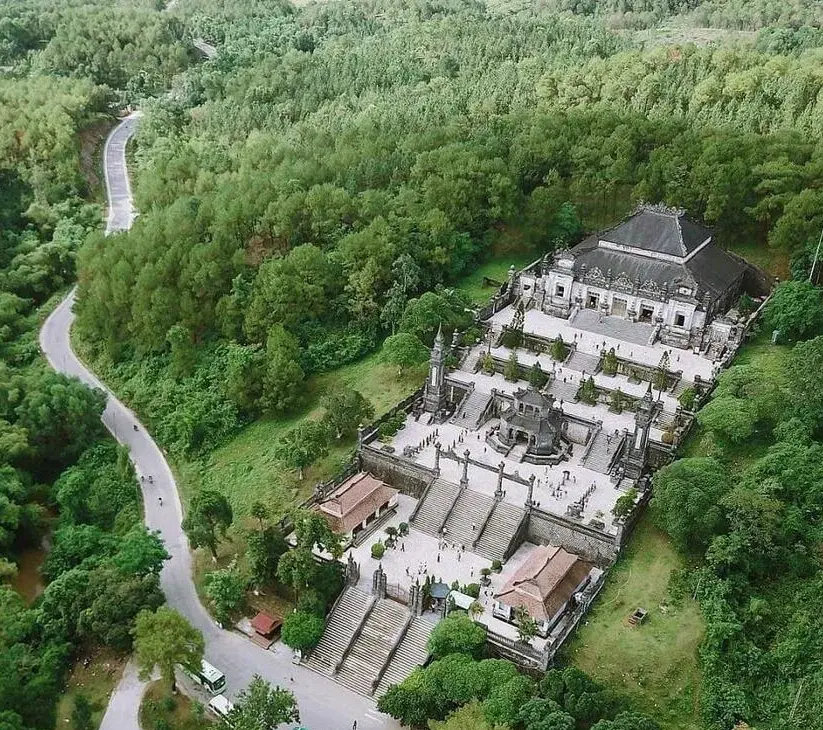
Explore World Heritage treasures from Angkor Wat to Hoi An Ancient Town, Hue Citadel, and the temples of Luang Prabang.
UNESCO Sites →
View royal treasures, colonial artifacts, war remnants, and ethnographic collections that tell the full story of Indochina’s rich history.
Explore Museums →
Savor imperial feasts, street food legacy, royal court recipes, and culinary traditions passed down through generations across Indochina.
Taste Local Foods →
Follow self-guided heritage walks through Hanoi’s Old Quarter, Hoi An’s lantern streets, and Luang Prabang’s temple-lined lanes.
Explore Cities →
Enjoy egg coffee on colonial terraces, sip robusta where writers met, and discover timeless spots frozen in Indochine elegance.
Explore Hidden Cafes →
Experience curated multi-day itineraries through the heritage cities of Indochina, designed for luxury travelers seeking authentic culture.
Explore Journeys →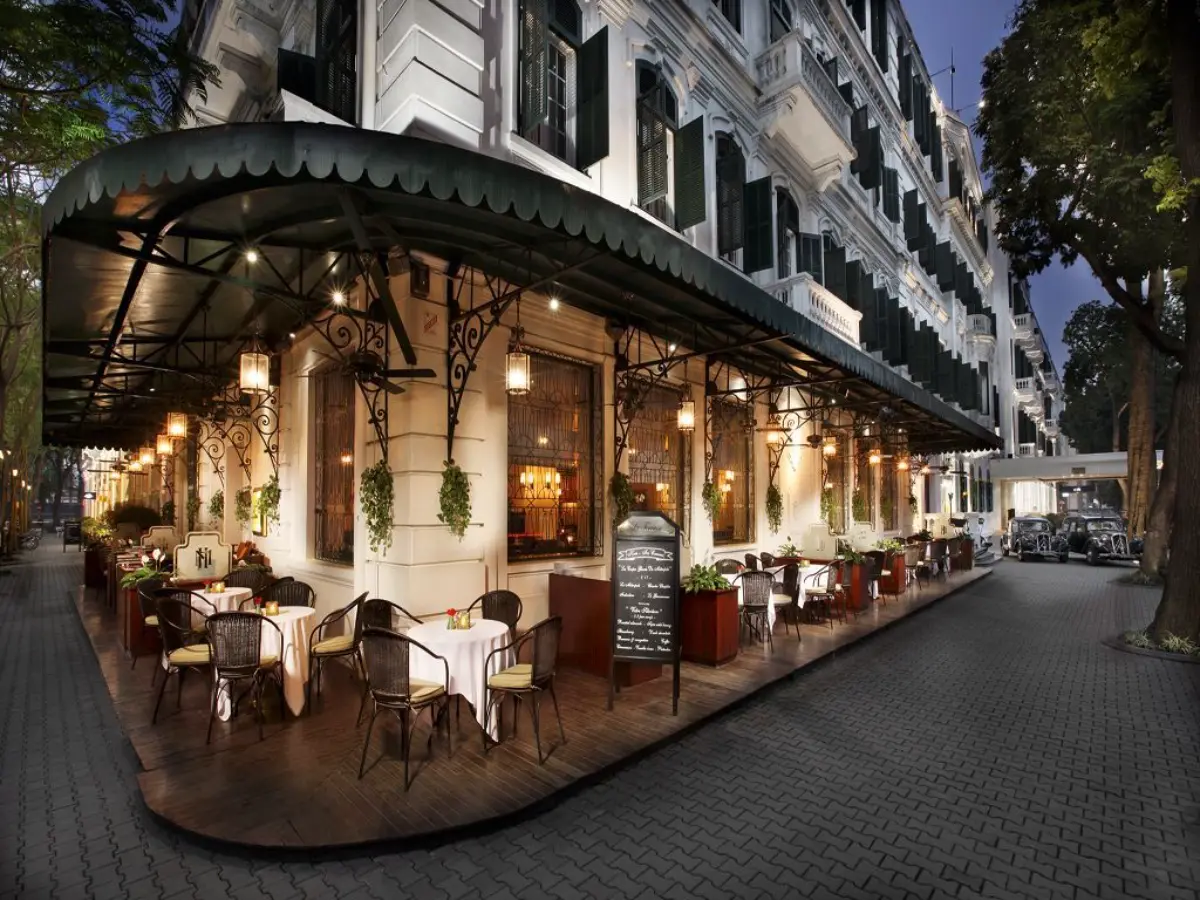
The ultimate crown jewel of classic French colonial elegance. Nostalgic white facades, timeless ironwork, and cinematic grandeur embody the peak of Indochine luxury.

Timeless Art Deco elegance sitting proudly on the banks of the Perfume River facing the ancient Imperial Citadel.

An architectural sanctuary layout directly on the pristine coast. Unrivaled luxury villas and soul-stirring cultural spas.

A pristine architectural heritage sanctuary dating back to 1930. Bask in old-world Saigon charm with opulent crystal chandeliers and nostalgic French-Indochine design lines.