cuisine overview
Vietnamese Cuisine
The definitive guide to Vietnam’s culinary heritage — from phở to bánh mì, imperial cuisine to street food.
Explore Cuisine →The bowls of pho, roadside stools, and smoky grills that shaped his love affair with the country.
An enduring love affair. Of all the individuals who have fallen under Vietnam’s spell, no one’s obsession with the country outmatches that of celebrity chef Anthony Bourdain. Over 206 episodes and four television shows, no country enraptured the brazen itinerant more so than Vietnam — a country he called “one of his favourite places on earth.”
“Vietnam. It grabs you and doesn’t let you go. Once you love it, you love it forever.” — Anthony Bourdain
A journey through the flavours and places that defined Bourdain’s Vietnam — from Hanoi’s old quarter to the floating markets of the Mekong.
Bourdain filmed eight episodes in Vietnam across three of his shows: A Cook’s Tour, No Reservations, and Parts Unknown. His journey through the country began early in his television career, taking viewers on an espionage-themed tour around the northern region in a No Reservations episode entitled “Vietnam: The Island of Mr. Sang.”
A few seasons later, he returned for a homecoming of sorts, as implied by the episode’s title “Vietnam: There’s No Place Like Home.” At the end of the episode, Bourdain was seen contemplating the life of an expat, so drawn was he to the country’s rhythm and charm.
What captivated him was not the grandeur of Vietnam’s landmarks but the intimacy of its street corners. He wasn’t looking for modernization; he wanted the deep, slow-simmered broths, the expertly grilled pork, and the watery, cold joy of bia hơi shared with locals. Vietnamese cuisine, he argued, needs no extra frills to make an impact. It is complete — a balanced, multisensory interplay of flavours, textures, and aromas.
In the season eight opener of Parts Unknown, Bourdain once again found himself in Vietnam, this time in the capital of Hanoi. The day started with streetside bún ốc and ended with the cheerful clinking of bia hơi. But the highlight of this episode was a guest appearance by US President Barack Obama.
In May 2016, President Obama made an official state visit to Vietnam. During his stop in Hanoi, he carved out time for a local meal and conversation with Bourdain. The location was a small, family-run restaurant called Bún Chả Hương Liên at 24 Lê Văn Hưu in the Hai Bà Trưng District.
Both men sat on low plastic stools, and Bourdain insisted on paying the bill himself — around $6 for two bowls of bún chả, spring rolls, and Hanoi beer. The images of Obama and Bourdain eating together in a modest Hanoi eatery were broadcast around the world, turning the restaurant into a must-visit spot overnight.
Bún Ốc – Snail Noodle Soup: Bourdain’s first meal in Hanoi on that trip was a bowl of bún ốc, a spicy tomato-based broth with fresh herbs, noodles, and snails. He visited a roadside food stall at 38 Lương Ngọc Quyến in the Old Quarter.
Bánh Cuốn – Steamed Rice Rolls: At Bánh Cuốn Nóng Kim Thoa (49 Hàm Tử Quan), Bourdain enjoyed bánh cuốn — crepe-like rice rolls filled with ground pork and mushrooms — alongside cold beer.
Bún Chả – The Iconic Dish: The most famous stop on Bourdain’s Hanoi food trail is Bún Chả Hương Liên at 24 Lê Văn Hưu. Today, the restaurant features the very table where Obama and Bourdain sat, preserved under glass. Most visitors order the “Combo Obama” — a deal that includes bún chả, a seafood nem rán (spring roll), and a bottle of Bia Hà Nội, for around 85,000–130,000 VND.
Bia Hơi – Fresh Draft Beer: Bourdain also visited Quán Bia Hơi Hải Xồm at 22 Tăng Bạt Hổ, a classic roadside joint where locals gather for freshly brewed draft beer with an alcohol content of about 3–4%.
Egg Coffee – A Hanoi Invention: While not explicitly featured in his Hanoi episode, Bourdain was known to appreciate Vietnam’s coffee culture. The iconic egg coffee — a rich, custard-like concoction of egg yolk, sugar, and coffee — was invented in Hanoi and remains a must-try for any visitor following the Bourdain trail.
Bourdain visited Huế in Parts Unknown, sampling dishes from the imperial capital’s renowned culinary tradition. He tried bún bò Huế in its birthplace — a spicy, lemongrass-infused beef noodle soup that he called one of the greatest soups in the world. He also sampled cơm hến (minced baby clams on sesame rice crackers), bánh bèo (steamed rice cakes), and bánh bột lọc (tapioca dumplings) in the streets of the ancient capital.
The imperial cuisine of Huế is the most refined in Vietnam, with an emphasis on presentation and complex flavour profiles. Bourdain appreciated its depth and the skill required to achieve such balance.
While Bourdain didn’t dedicate an entire episode to Hội An, he visited the ancient town and highlighted its culinary treasures. He praised Bánh Mì Phượng at 2B Phan Chau Trinh as one of the best bánh mì in Vietnam, and appreciated the town’s signature cao lầu — thick noodles with pork, fresh herbs, and crunchy croutons made from water drawn from a local well.
He also admired the delicate white rose dumplings, shrimp-filled dumplings shaped like white roses, which remain a Hội An specialty to this day.
In Ho Chi Minh City, the must-visit Bourdain spot is The Lunch Lady at 23 Hoang Sa Street, District 1. Situated in an unassuming alleyway, this eatery rose to global fame after Bourdain featured it on No Reservations in 2009, calling its owner a “legend.”
Ms. Nguyễn Thị Thanh, the original Lunch Lady, opened her stall in 1995, serving a rotating lunch menu of noodle soups. The restaurant offers different dishes that rotate throughout the week, including bún bò Huế, Thai noodles, and crab noodle soup, with prices starting from 50,000 VND.
Bourdain praised her bún bò Huế as one of the finest soups he had ever tasted, highlighting the complexity of the broth and the perfect balance of spices.
In May 2025, Ms. Thanh passed away while traveling to open a new restaurant location in Canada. Her family has continued the business, maintaining the rotating menu that Bourdain loved. A branch of The Lunch Lady has also opened in Vancouver, Canada.
Beyond The Lunch Lady: Bourdain also visited Quán Bánh Xèo 46A at 45 Đinh Công Tráng for crispy bánh xèo, and enjoyed the vibrant street food culture of Saigon’s night markets.
On A Cook’s Tour, Bourdain visited Cần Thơ and the Cái Răng Floating Market, enjoying Vietnamese coffee and beef phở for breakfast. He also shared a meal with a Delta farmer, trying water apples, clay-baked duck, and duck and banana blossom soup.
He sampled lobster “blood” followed by lobster with pepper-lime juice, along with fried grouper with spicy red chili sauce. He also visited the former emperor’s villa for traditional Bird’s Nest Soup.
Called “the Switzerland of Southeast Asia,” Bourdain visited Linh Phước Pagoda for a vegetarian meal with nuns. He also enjoyed duck congee and a salad with crispy rice cakes at local eateries.
This is where Bourdain had the memorable “squeazel” (porcupine) and tried rượu đế moonshine. He also visited Lok Village for a meal of bamboo rice, grilled meat, and larb.
Bourdain visited twice. The first time, on “The Island of Mr. Sang,” he enjoyed a multi-course dinner on Tuần Châu Island prepared by Mr. Sang. On his final trip, he set sail on a private charter on Emeraude Classic Cruises, enjoying grilled squid and a meal of water spinach and locally caught fish with a fishing family.
Vietnam’s iconic noodle soup — aromatic beef or chicken broth with rice noodles and fresh herbs.
Grilled pork patties and belly served with vermicelli noodles, fresh herbs, and a tangy dipping sauce.
Spicy beef noodle soup from Huế — lemongrass-infused broth with rice noodles, beef, and pork.
Hoi An’s signature noodle dish — thick noodles with pork, fresh herbs, and crunchy croutons.
Vietnam’s legendary baguette sandwich — filled with meats, pickled vegetables, and fresh herbs.
Hoi An specialty — delicate shrimp-filled dumplings shaped like white roses.
Crispy Vietnamese pancake filled with shrimp, pork, and bean sprouts, wrapped in fresh lettuce.
Most of the restaurants Bourdain visited remain open and welcoming visitors today:
To retrace Bourdain’s culinary journey, allow 10 days for a comprehensive pilgrimage:
Bourdain loved bún chả, bún bò Huế, phở, and the rotating noodle soups at The Lunch Lady. He also appreciated bánh mì, cao lầu, and egg coffee.
Bún Chả Hương Liên (24 Lê Văn Hưu), Bún Ốc at 38 Lương Ngọc Quyến, Bánh Cuốn Nóng Kim Thoa (49 Hàm Tử Quan), and Bia Hơi Hải Xồm (22 Tăng Bạt Hổ).
Yes. Most remain open, including Bún Chả Hương Liên, The Lunch Lady, Bánh Mì Phượng, and Bia Hơi Hải Xồm.
Start in Hanoi, travel to Huế, Hội An, Saigon, and the Mekong Delta. Allow 10 days for a comprehensive culinary pilgrimage.
Bourdain’s love for Vietnam was not so much an obsession as it was an earnest admiration for the country and its people. His was a celebration of the perfect, unapologetic simplicity found on tiny plastic stools on the pavement.
His journey through Vietnam serves as a permanent reminder that the soul of a country is best understood from the street level. When you make it to Vietnam, pull up a tiny stool, ignore the traffic, and dive into the broth. All the senses are engaged here.
10 days through Hanoi, Huế, Hội An & Saigon — private culinary experiences, market visits, cooking classes, and legendary local eateries.
The definitive guide to Vietnam’s culinary heritage — from phở to bánh mì, imperial cuisine to street food.
Explore Cuisine →The capital’s culinary heritage — bún chả, phở, chả cá, and the legendary bia hơi.
Imperial cuisine — bún bò Huế, cơm hến, and the refined flavours of the Nguyen dynasty.
Ancient town flavours — cao lầu, white rose dumplings, and bánh mì Phượng.
Bold, vibrant flavours — hủ tiếu, cơm tấm, and the legendary Lunch Lady.
Floating markets, tropical fruits, and the freshest seafood in Vietnam.
With over 25 years of navigating Vietnam, Andy curates bespoke culinary journeys that reveal the region’s hidden food treasures. His deep local knowledge ensures every experience is authentic and meaningful — from the street food stalls of Hanoi to the imperial kitchens of Huế.
Meet Andy →Explore the living legacy of Indochina through our curated editorial collection of heritage guides, hotels, and experiences.

Stay inside history within colonial mansions, converted royal residences, and boutique heritage gems across Indochina’s most beautiful cities.
Explore Hotels →
Discover ochre walls, wrought iron balconies, louvered shutters, and timeless Indochine elegance preserved in Hanoi, Luang Prabang, and Saigon.
Explore Buildings →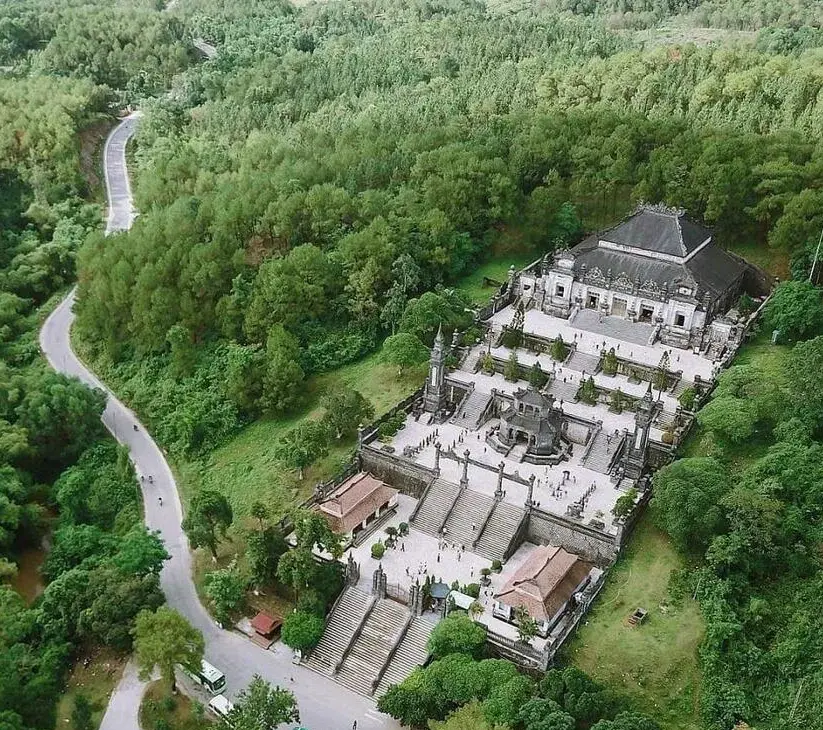
Explore World Heritage treasures from Angkor Wat to Hoi An Ancient Town, Hue Citadel, and the temples of Luang Prabang.
UNESCO Sites →
View royal treasures, colonial artifacts, war remnants, and ethnographic collections that tell the full story of Indochina’s rich history.
Explore Museums →
Savor imperial feasts, street food legacy, royal court recipes, and culinary traditions passed down through generations across Indochina.
Taste Local Foods →
Follow self-guided heritage walks through Hanoi’s Old Quarter, Hoi An’s lantern streets, and Luang Prabang’s temple-lined lanes.
Explore Cities →
Enjoy egg coffee on colonial terraces, sip robusta where writers met, and discover timeless spots frozen in Indochine elegance.
Explore Hidden Cafes →
Experience curated multi-day itineraries through the heritage cities of Indochina, designed for luxury travelers seeking authentic culture.
Explore Journeys →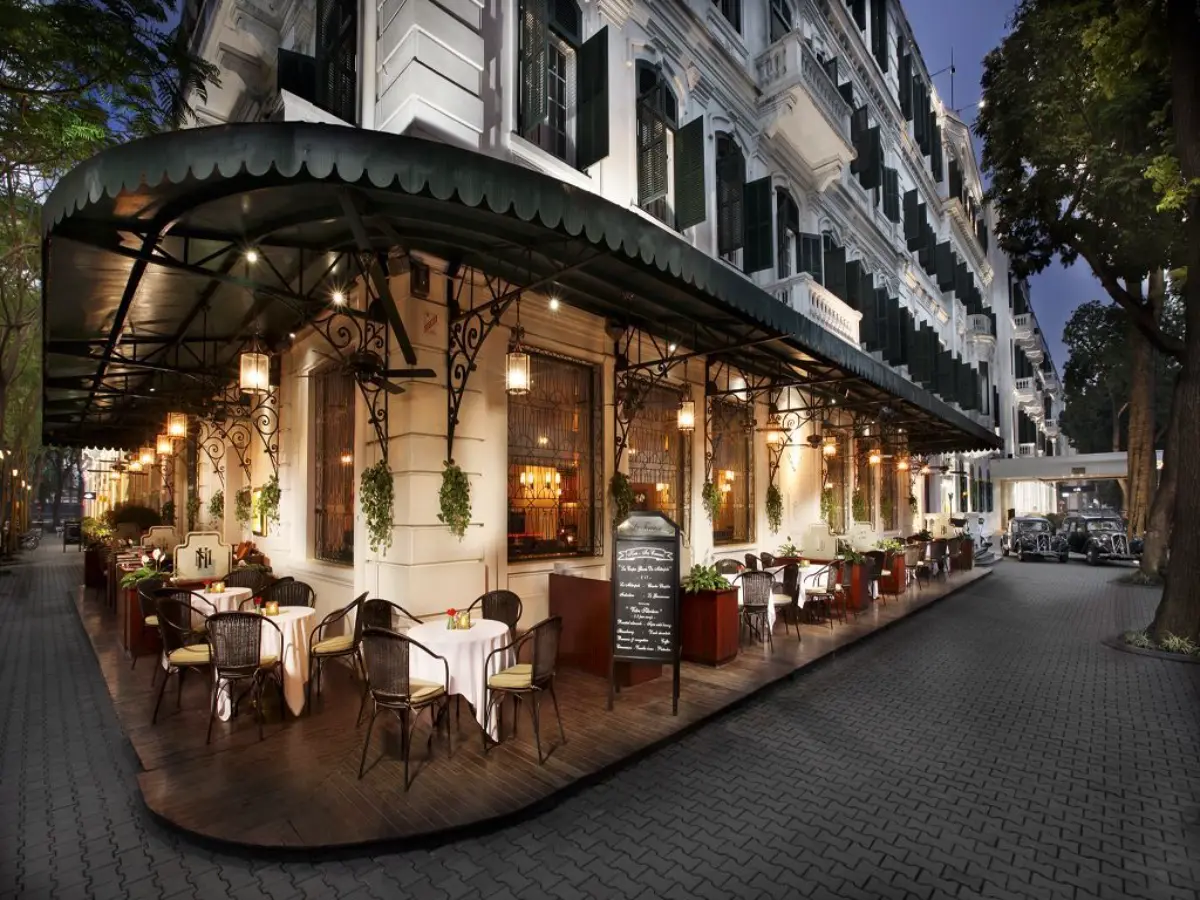
The ultimate crown jewel of classic French colonial elegance. Nostalgic white facades, timeless ironwork, and cinematic grandeur embody the peak of Indochine luxury.

Timeless Art Deco elegance sitting proudly on the banks of the Perfume River facing the ancient Imperial Citadel.

An architectural sanctuary layout directly on the pristine coast. Unrivaled luxury villas and soul-stirring cultural spas.

A pristine architectural heritage sanctuary dating back to 1930. Bask in old-world Saigon charm with opulent crystal chandeliers and nostalgic French-Indochine design lines.