Indochine Chic · Vietnamese Heritage
Áo Dài Vietnam
The National Soul
Elegance · Identity · Timeless Beauty
“The Áo Dài is not merely a garment. It is poetry worn upon the body — a living symbol of Vietnam’s grace, resilience, and cultural soul.”
“For generations, the Áo Dài has been Vietnam’s most recognizable cultural symbol — a garment that moves with the wearer like water, that flatters without revealing, that speaks of tradition without feeling outdated.”
The Áo Dài is more than Vietnam’s national costume. It is a living expression of Vietnamese identity — a garment that has evolved through centuries of history while retaining its essential character. With its high collar, form-fitting bodice, and flowing silk panels that extend to the floor, the Áo Dài is recognized worldwide as a symbol of Vietnamese elegance. Yet beneath its graceful exterior lies a story of cultural resilience, artistic innovation, and national pride.
In this guide, Indochine Chic explores the Áo Dài’s origins, its evolution through Vietnam’s turbulent history, the master artisans who keep its traditions alive, and the modern designers who are reimagining it for a new generation. For travelers seeking authentic cultural immersion, understanding the Áo Dài offers a window into the Vietnamese soul.
Chapter I
The Origins of the Áo Dài
A garment shaped by centuries of history, trade, and cultural exchange
The Áo Dài’s origins can be traced to the 18th century, when the Nguyễn lords ruled southern Vietnam. The garment evolved from the áo ngũ thân (five-panel gown) worn by both men and women during the Nguyễn Dynasty. In 1744, Lord Nguyễn Phúc Khoát decreed that both men and women in his territory should wear a five-paneled dress with a front opening — a direct predecessor of the modern Áo Dài. This was a deliberate act of cultural differentiation from the Trịnh lords in the north.
Throughout the 19th and early 20th centuries, the Áo Dài continued to evolve. French colonial influence brought new fabrics and tailoring techniques. In the 1930s, Hanoi-based artist Cát Tường (also known as Le Mur) modernized the Áo Dài by creating a more fitted version with a front opening, inspired by Western fashion. This “Le Mur Áo Dài” became the foundation of the garment we recognize today — form-fitting bodice, long sleeves, and a high mandarin collar.
“The Áo Dài is Vietnam’s most elegant ambassador. It has witnessed dynasties fall, wars rage, and nations rebuild — yet it remains, unchanged in essence, endlessly adaptable in expression.”
Chapter II
The Anatomy of Elegance
What makes the Áo Dài unique — design, silhouette, and symbolism
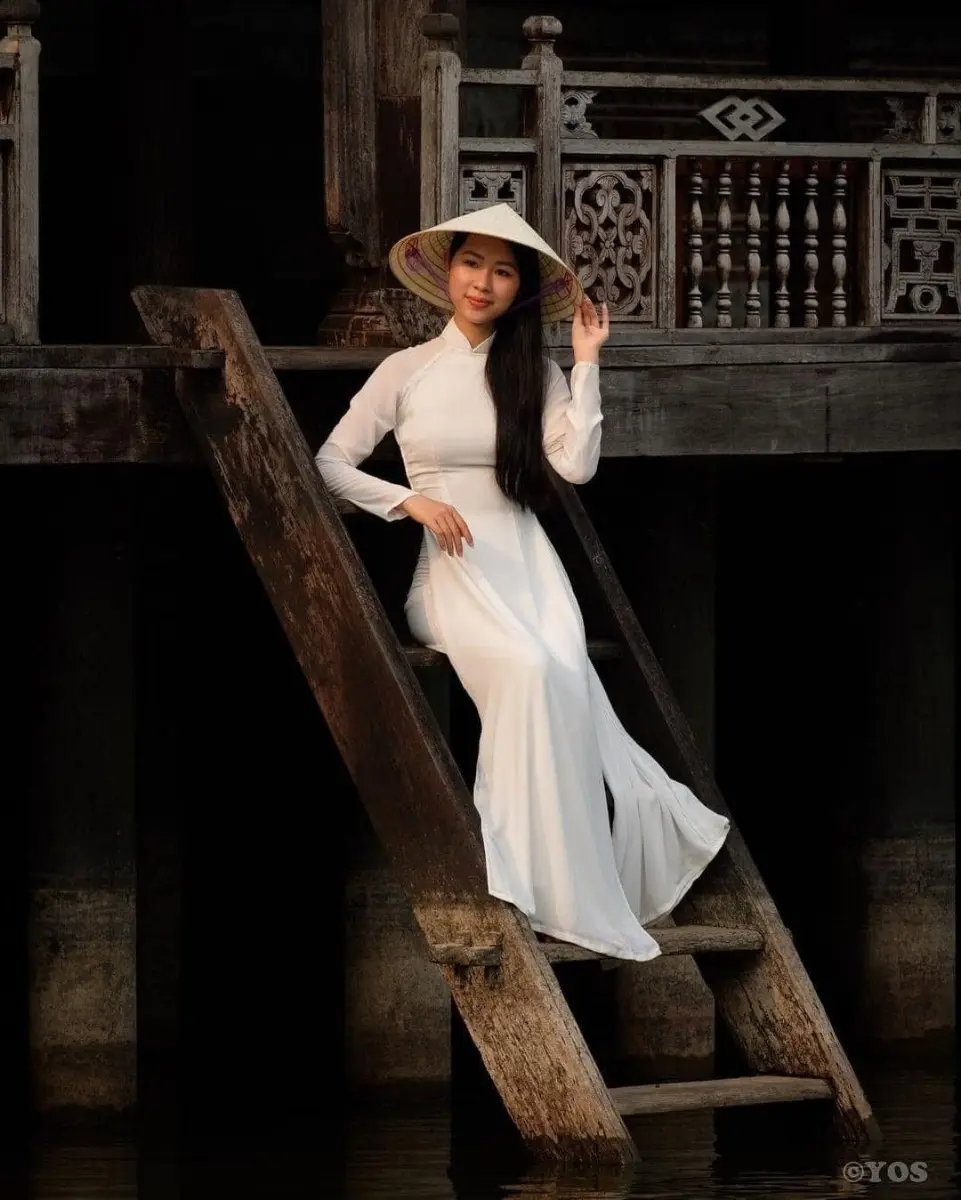
The Silhouette
The Áo Dài’s defining characteristic is its close-fitting bodice that follows the body’s curves, combined with two silk panels that flow from the waist to the floor — one front, one back. The effect is a garment that moves with the wearer like water, creating an elegant, almost ethereal presence. The high mandarin collar (sometimes up to 5cm) frames the neck and face, while long, fitted sleeves complete the silhouette.
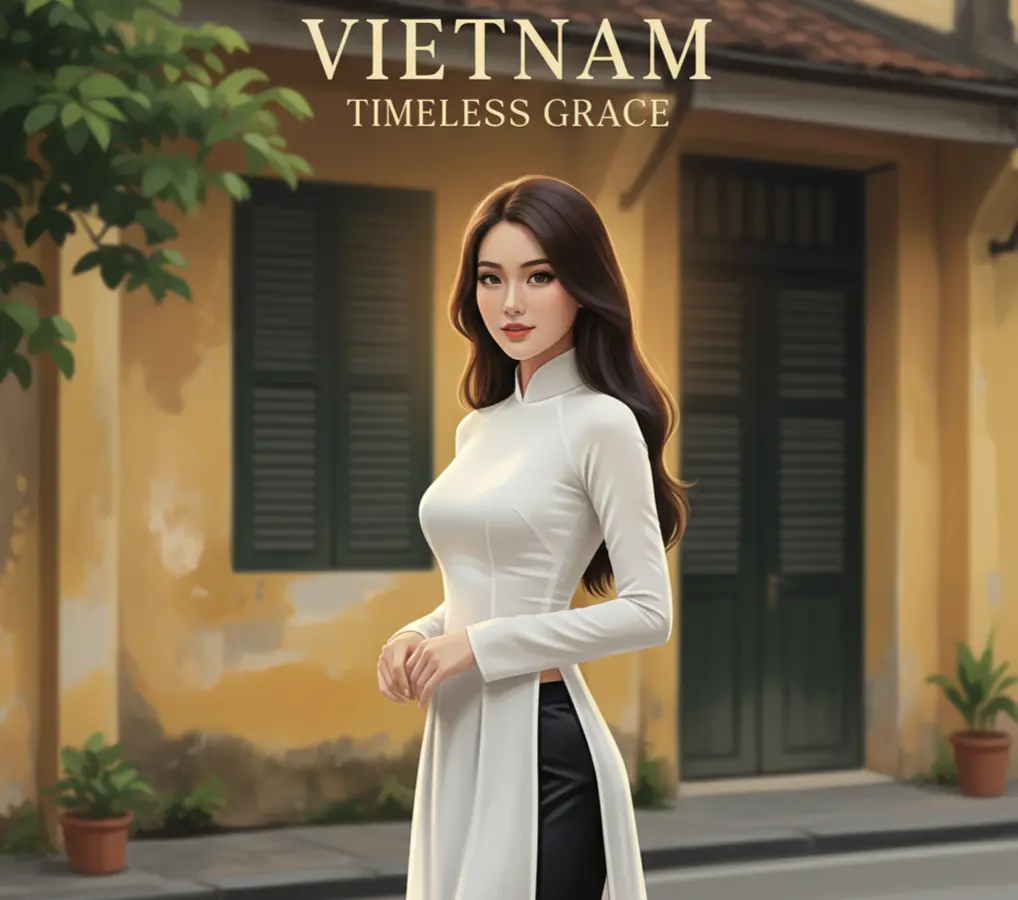
The Details
Traditional Áo Dài are made from luxurious silk, often handwoven in villages like Vạn Phúc (Hanoi) or Bảo Lộc (Lâm Đồng). The garment is typically worn with loose, high-waisted trousers that provide contrast to the fitted top. Modern variations include embroidery, beading, and hand-painted designs featuring lotus flowers, dragons, phoenixes, or poetic calligraphy. Buttons on the Áo Dài are traditionally made from fabric-covered bamboo or buffalo horn.
Chapter III
The Áo Dài Through History
From imperial court to school uniform to global recognition
During the Nguyễn Dynasty (1802–1945), the Áo Dài became the formal attire of the imperial court. Emperor Khải Định, who ruled from 1916 to 1925, was often photographed wearing an ornate Áo Dài decorated with dragon motifs and gold embroidery. The garment symbolized refinement, education, and social status.
After the partition of Vietnam in 1954, the Áo Dài became particularly associated with South Vietnamese culture. In the 1960s and 1970s, it was widely adopted as a school uniform for girls throughout South Vietnam — a tradition that continues today in many Vietnamese high schools. The Áo Dài also became the uniform for female flight attendants for Vietnam Airlines, secretaries, hotel staff, and women in government service.
Following the Fall of Saigon in 1975, the Áo Dài was temporarily discouraged by the communist government as a symbol of the former regime. However, its cultural significance proved impossible to suppress. By the 1990s, the Áo Dài had been fully rehabilitated as Vietnam’s national costume, worn proudly at weddings, festivals, diplomatic receptions, and cultural events worldwide.
Imperial Era
1802–1945 · Nguyễn Dynasty court attire · Symbol of refinement and status
Saigon Era
1950s–1975 · School uniforms · Flight attendants · National pride
Modern Revival
1990s–present · National costume · Global recognition · Contemporary design
Chapter IV
Master Artisans & Silk Villages
Where the Áo Dài begins — the villages that weave Vietnam’s silk heritage
The Áo Dài is only as beautiful as the fabric from which it is made. Vietnam’s silk-weaving villages have produced some of Asia’s finest textiles for centuries. Vạn Phúc Silk Village, on the outskirts of Hanoi, is perhaps the most famous. Founded over 1,000 years ago, Vạn Phúc’s artisans produce lụa Vạn Phúc — a soft, lustrous silk that drapes perfectly for the Áo Dài’s flowing panels. The village’s traditional wooden looms create patterns passed down through generations.
Other important silk centers include Bảo Lộc in the Central Highlands, known for its mulberry plantations and modern silk production, and Tân Châu in An Giang province, famous for its handwoven silk using traditional Khmer techniques. Indochine Chic journeys include visits to these villages, where travelers can observe the entire silk-making process — from silkworm to finished fabric — and commission custom Áo Dài from master tailors.
Vạn Phúc Silk Village
Hanoi · 1,000+ years of tradition · Lụa Vạn Phúc · Original Áo Dài silk center
Visit Village →Chapter V
The Áo Dài in Modern Vietnam
Contemporary designers, global recognition, and a living tradition
Today, the Áo Dài is experiencing a renaissance. Young Vietnamese designers are reimagining the traditional silhouette with modern fabrics, bolder colors, and innovative cuts. Designers such as Si Hoang, Cong Tri, and Adrian Anh Tuan have shown Áo Dài collections at international fashion weeks in Paris, New York, and Milan. The garment has been worn by Vietnamese beauty queens at Miss Universe and Miss World competitions, by first ladies at state banquets, and by celebrities on red carpets around the world.
Yet the Áo Dài remains accessible to everyday Vietnamese. It is still the uniform for female high school students throughout the country. Women wear it to work, to weddings, to Tet celebrations. The Áo Dài Museum in Ho Chi Minh City — a beautifully curated space dedicated to the garment’s history — attracts both Vietnamese and international visitors. For luxury travelers, commissioning a custom Áo Dài from a master tailor offers a unique souvenir — a garment that embodies Vietnam’s soul.
Chapter VI
Experiencing the Áo Dài
Ways to connect with Vietnam’s national costume — from photography to custom tailoring
Áo Dài Photoshoot
2–3 hours
Professional photographer, custom Áo Dài rental, and iconic locations in Hội An or Hanoi.
Book Experience →Custom Áo Dài Tailoring
1–2 days
Visit Hội An’s renowned tailors to design and create your own bespoke Áo Dài.
Book Experience →Silk Village Tour
Half day
Visit Vạn Phúc Silk Village, meet master weavers, and learn traditional silk production.
Book Tour →Áo Dài Museum Visit
2–3 hours
Explore Ho Chi Minh City’s Áo Dài Museum — a private collection of rare garments.
Visit Museum →Chapter VII
Hotels That Honor Vietnamese Heritage
Properties where the Áo Dài is celebrated — from staff uniforms to cultural programming


More Than a Garment · The National Soul
The Áo Dài has survived French colonization, war, communist revolution, and economic reform — each era leaving its mark on the garment’s design and meaning. Yet through all these transformations, the Áo Dài has remained a constant presence in Vietnamese life. It is what Vietnamese women wear to their weddings. It is what flight attendants wear to welcome visitors to Vietnam. It is what students wear to school. It is what first ladies wear to represent their nation on the world stage.
For travelers, wearing an Áo Dài — even for a photograph — is an act of cultural appreciation. It is a way of stepping into Vietnam’s story, of honoring the generations of women who wore this garment before you. More than any temple or monument, the Áo Dài offers a living connection to Vietnamese identity.
“To wear the Áo Dài is to carry Vietnam upon your shoulders — not as a burden, but as a blessing. It is the nation’s soul, expressed in silk.”
Áo Dài Vietnam · The National Soul
The Áo Dài is not a costume. It is a conversation — between past and present, between tradition and innovation, between the wearer and the world. It is poetry worn upon the body. It is Vietnam’s gift to the world.
To wear an Áo Dài is to understand something essential about Vietnam: that grace can coexist with strength, that tradition can embrace modernity, and that beauty is never merely decorative — it is a form of resilience.
The Áo Dài is Vietnam. Elegant. Resilient. Unforgettable.
Explore Vietnamese Heritage
Áo Dài Knowledge Graph
Every destination, artisan, and tradition links to our curated cultural journeys



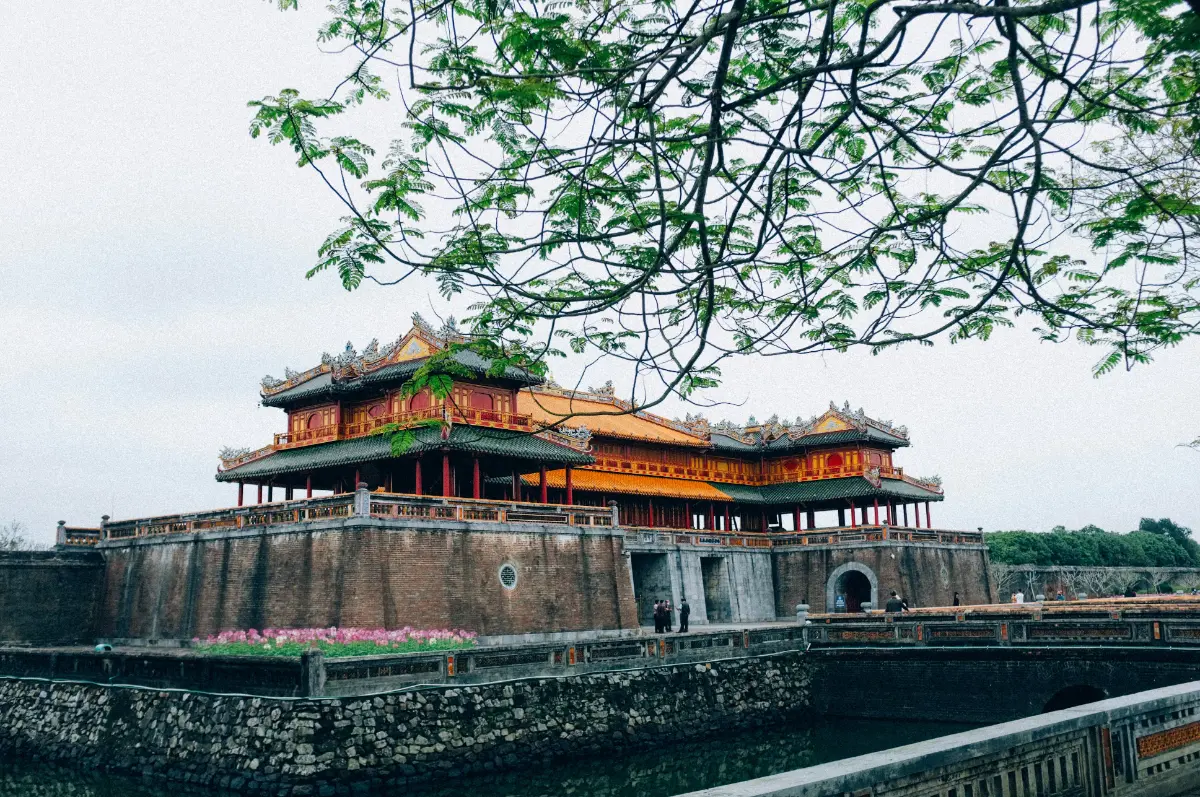




“`html
Feature Hotels of Vietnam | Luxury Stays – Indochine Chic


“`
Luxury Stays
Feature Hotels of Vietnam
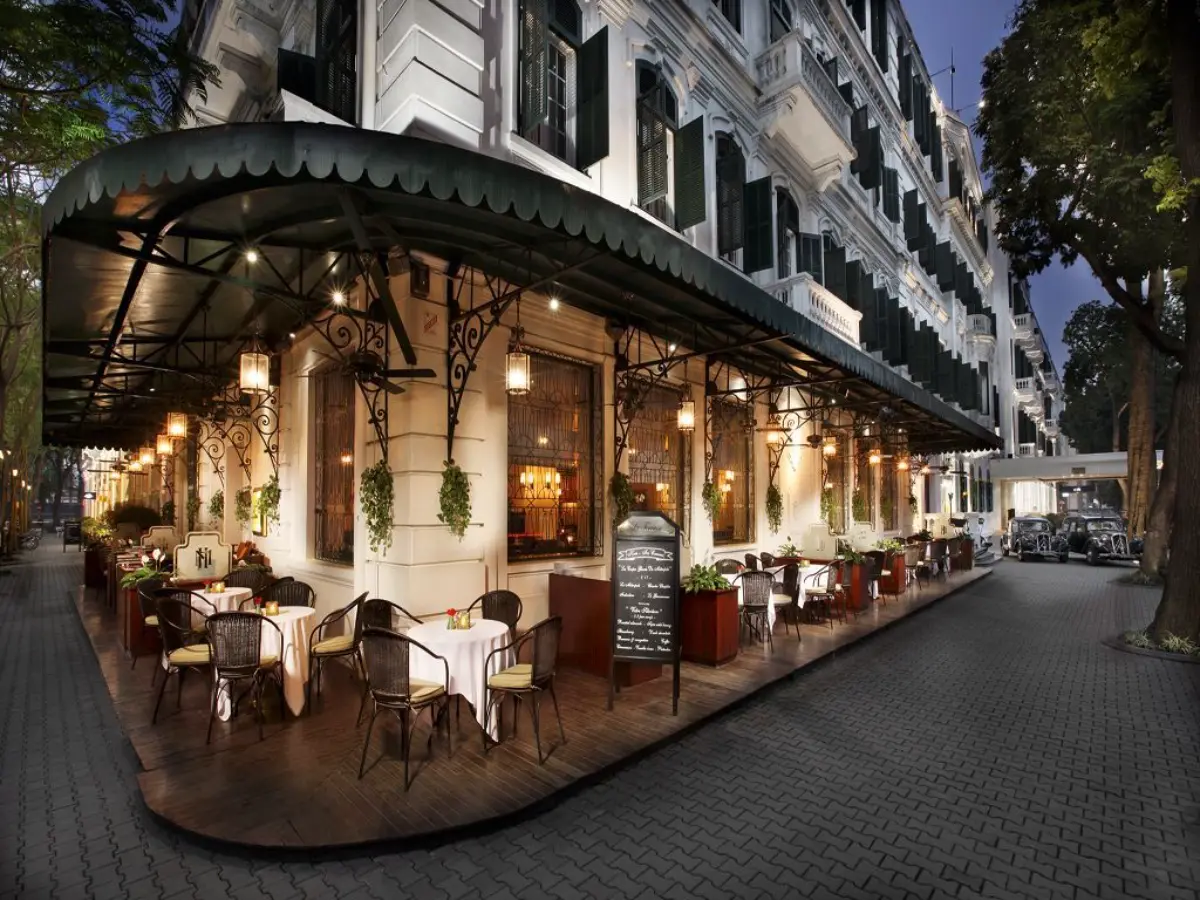
Hanoi
Metropole Hotel
The ultimate crown jewel of classic French colonial elegance. Nostalgic white facades, timeless ironwork, and cinematic grandeur embody the peak of Indochine luxury.

Hue
Azerai La Residence
Timeless Art Deco elegance sitting proudly on the banks of the Perfume River facing the ancient Imperial Citadel.

Hoi An
Four Seasons The Nam Hai
An architectural sanctuary layout directly on the pristine coast. Unrivaled luxury villas and soul-stirring cultural spas.

Ho Chi Minh City
Park Hyatt Saigon
A pristine architectural heritage sanctuary dating back to 1930. Bask in old-world Saigon charm with opulent crystal chandeliers and nostalgic French-Indochine design lines.