×
THE IMPERIAL CITADEL
Huế
2026
Forbidden Purple City, royal tomb poetry, Perfume River at dawn,
and the enduring soul of Vietnam’s last dynasty.
and the enduring soul of Vietnam’s last dynasty.
Indochine CHIC Travel Intelligence · 13 min read · April 2026
UNESCO Imperial Capital
143 Years
Nguyễn Dynasty · 13 royal tombs · Forbidden City
FROM PHÚ XUÂN TO THE FORBIDDEN PURPLE CITY
Huế doesn’t reveal itself quickly — it whispers through moss-covered citadel walls, incense-infused pagodas, and the gentle lapping of the Perfume River. In 2026, Vietnam’s former imperial capital remains the nation’s most profound historical tapestry, where each tomb tells a story of emperors, concubines, and a vanished golden age.
“Huế is the melancholy soul of Vietnam — a place where the past is not preserved but palpably alive, drifting across the Perfume River like the echo of royal court music.”
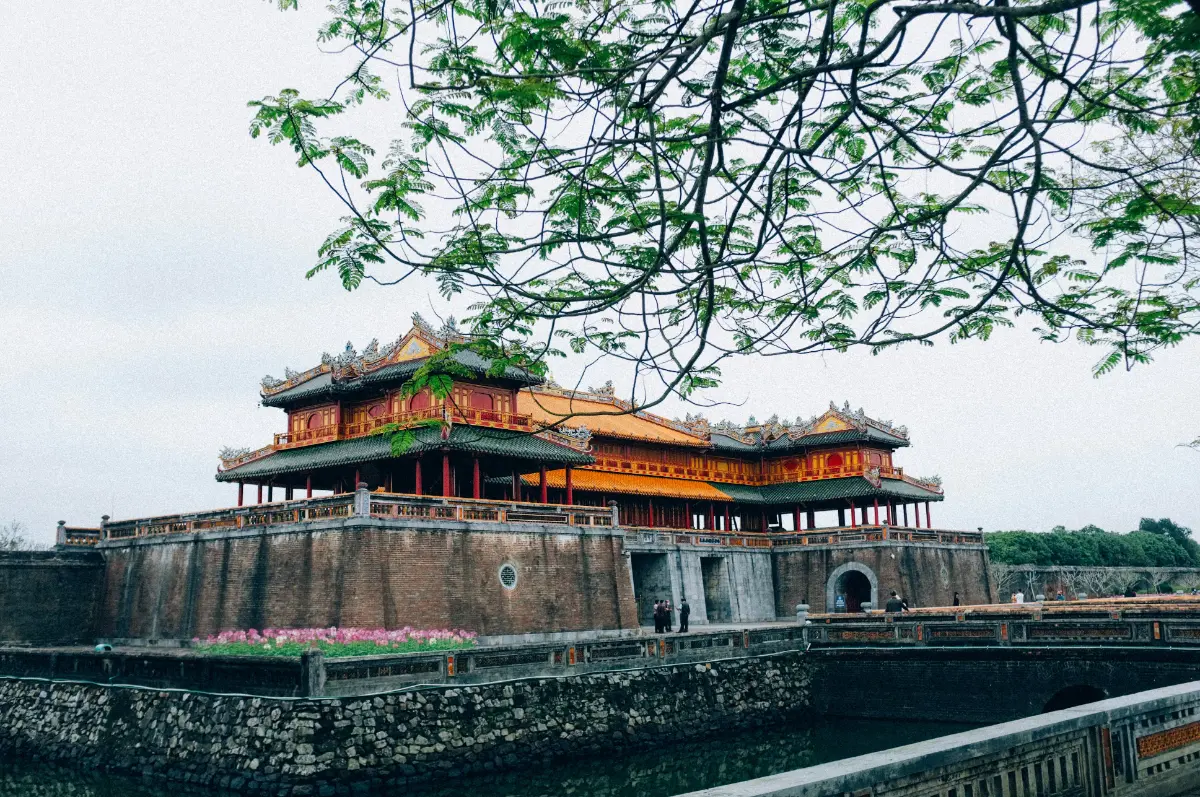
In 1802, Emperor Gia Long unified Vietnam and chose Huế as the imperial capital, establishing the Nguyễn Dynasty — the country’s last royal line. For 143 years, the Forbidden Purple City (Tử Cấm Thành) housed the emperor, his family, and eunuchs behind towering walls modeled after Beijing’s Forbidden City. The French colonial era (1883–1945) diminished but didn’t extinguish imperial power. The 1968 Tet Offensive devastated much of the citadel, but restoration efforts over three decades have resurrected its splendor. Today, Huế is a UNESCO World Heritage site where traditional court music (Nhã nhạc) — honored by UNESCO as a Masterpiece of Oral and Intangible Heritage — still resonates, and where the cuisine remains the most refined in Vietnam.
Seasons of the Dragon: When to Walk the Citadel Walls
The ideal window is March to May — warm sunshine, clear skies, and blooming frangipani trees within the Forbidden City. September to November offers cooler temperatures and the Hue Festival (even-numbered years, 2026 is a festival year!), a spectacular celebration of royal arts, street performances, and light shows across the Perfume River. Avoid October–November’s heavy rains and January–February’s chilly mist, though the latter lends the tombs a hauntingly beautiful atmosphere that photographers adore.
Arrival in Imperial Style: Phú Bài Airport & Royal Transfers
Phú Bài International Airport (HUI) sits 15km south of the city center. For the discerning traveler, pre-arranged limousine transfer (Mercedes E-Class or BMW 5 Series, $35–$50) delivers a seamless 20-minute journey. For a truly regal arrival, book a vintage Citroën Traction Avant ($65) — the car of choice for 1950s French colonial administrators. Within Huế, private car with driver ($40–$60/day) is essential for exploring the widely scattered tombs. For the iconic experience, a private dragon boat on the Perfume River ($45/hour) offers a serene approach to Thien Mu Pagoda and the royal mausoleums.
Insider Concierge Note: To experience the Forbidden Purple City without crowds, arrange a pre-opening VIP access at 7 AM. Walking through the Gate of Noon before any other visitor, with mist rising from the pavilions, is an experience reserved for Indochine CHIC guests.
The Imperial Trinity: Citadel, Tombs & the Perfume River
Imperial Citadel (Đại Nội) — a 2.5km walled fortress enclosing the Forbidden Purple City, Flag Tower, Nine Sacred Cannons, and Thai Hoa Palace (Hall of Supreme Harmony). Thien Mu Pagoda (Pagoda of the Celestial Lady) — Huế’s iconic seven-story octagonal tower, overlooking the river, home to the monk Thich Quang Duc’s car. Royal Tombs — each a garden masterpiece: Khải Định’s fusion of Vietnamese and European Gothic, Tự Đức’s romantic lakeside pavilions, and Minh Mạng’s solemn geometric symmetry. Dong Ba Market — a sensory immersion into daily Huế life, from conical hats to royal sesame candies. And the Royal Antiquities Museum — housing Nguyen dynasty artifacts, including gold-encrusted dragon robes and imperial seals.
INDOCHINE CHIC SIGNATURE
“Private Sunset Cruise & Royal Court Dinner. A restored wooden dragon boat sails the Perfume River at golden hour, followed by a seven-course imperial banquet at a restored mandarin’s residence, with traditional Nhã nhạc court music performed exclusively for you.”
Royal Gastronomy: The Art of Imperial Huế Cuisine
Huế’s cuisine is Vietnam’s most sophisticated, born from the royal court’s exacting standards. Signature dishes include: Bún bò Huế — spicy lemongrass beef noodle soup with a complex, fiery broth. Bánh bèo (steamed rice cakes with shrimp), bánh nậm (flat rice dumplings), and bánh lọc (tapioca dumplings) — collectively known as “royal miniatures.” Cơm hến (baby clam rice) is a humble but sublime street specialty. For fine dining, Nhà Hàng Chay Tĩnh Lâm offers vegetarian royal cuisine in a garden pagoda, while Ancient Huế Restaurant serves multi-course imperial banquets in a 100-year-old wooden house. The 2025 Michelin guide spotlighted Tinh Gia Vien for its preservation of century-old Huế recipes.
Insider’s Tip: For the most authentic bún bò Huế, arrive early (6 AM) at Bà Tý or O Giang — the broth simmers for 12 hours and sells out by 9 AM. The spicy, lemongrass-laced depths will redefine your understanding of Vietnamese soup.
Where to Stay: Garden Mansions & Riverside Heritage
Pilgrimage Village Huế — a rustic-luxe retreat of private bungalows, lotus ponds, and a world-class spa set in 12 acres of gardens. Indochine Palace — colonial grande dame reinterpretation, with marble interiors and a spectacular saltwater pool. La Residence Hotel & Spa (MGallery) — art-deco masterpiece along the Perfume River, originally the French governor’s residence. For intimate heritage, Thanh Lich Royal Boutique Hotel offers antique-filled rooms and royal service. The newly opened Amanoi’s Huế outpost (2025) — Aman Hai — brings minimalist luxury to a restored royal garden villa, with private access to the Khải Định Tomb grounds.
CURATED HUẾ EXPERIENCES 2026
Forbidden Purple City VIP Dawn Tour
3 hours · from $89
Exclusive pre-opening access, private historian guide, Thai Hoa Palace, and royal tea ceremony in the Emperor’s reading pavilion.
Book experience →Royal Tombs Private Expedition (3 Tombs)
6 hours · from $119
Luxury car, archaeologist guide to Khải Định, Tự Đức & Minh Mạng tombs, with picnic amid Tự Đức’s lotus lake.
Book experience →Perfume River Dragon Boat & Thien Mu Pagoda
4 hours · from $69
Private restored dragon boat, sunrise chanting at Thien Mu, incense-making village visit, and royal tea on board.
Book experience →Imperial Banquet & Nhã Nhạc Court Music
3 hours · from $95
Seven-course royal dinner in a restored mandarin residence, private performance of UNESCO-recognized court music.
Book experience →Conical Hat & Incense Village Workshop
3 hours · from $55
Visit Thanh Tien conical hat village, learn traditional hat-making, then incense-making at Thuy Xuan village.
Book experience →Huế Street Food Walk with Royal Chef
4 hours · from $65
Former palace chef guides you through Dong Ba Market, tasting bánh bèo, bún bò Huế, cơm hến, and royal sesame candy.
Book experience →Abandoned Water Park & Secret Garden Lunch
4 hours · from $79
Explore Huế’s surreal abandoned Thuy Tien Lake water park (dragon sculptures), then lunch at a hidden garden restaurant.
Book experience →Thanh Toan Bridge & Rural Villages by Vespa
5 hours · from $85
Vintage Vespa ride through rice paddies, visit covered Japanese bridge, local farm lunch, and traditional rice wine tasting.
Book experience →4-Day Imperial Heritage Itinerary
Day 1 La Residence Hotel. Evening: Perfume River sunset dragon boat cruise.
Day 2 VIP Forbidden Purple City dawn tour. Afternoon: Khải Định and Tự Đức tombs.
Day 3 Morning Thien Mu Pagoda. Afternoon: cooking class or Dong Ba market walk. Evening: imperial banquet with court music.
Day 4 Conical hat village workshop. Final tomb (Minh Mạng). Departure transfer.
Design your journey →1802
Nguyễn Dynasty begins
13 Tombs
Royal mausoleums
UNESCO
Nhã nhạc court music
2.5km
Citadel walls
VisaE-visa $25, 30 days. Indochine CHIC concierge expedite.
CurrencyVND (Dong). Hotels & restaurants accept cards.
SafetyExtremely safe. Very quiet at night — use private car.
Dress CodeModest for pagodas & citadel. Elegant for royal banquets.
INDOCHINE CHIC — THE ART OF REFINED EXPLORATION. HUẾ 2026 · IMPERIAL CITADEL.
Curated intelligence for the sophisticated traveller · Bespoke itineraries & 24/7 white-glove support
Curated intelligence for the sophisticated traveller · Bespoke itineraries & 24/7 white-glove support
Top Vietnam Destinations
For first-time Traveler to Vietnam




“`html
Feature Hotels of Vietnam | Luxury Stays – Indochine Chic


“`
Luxury Stays
Feature Hotels of Vietnam
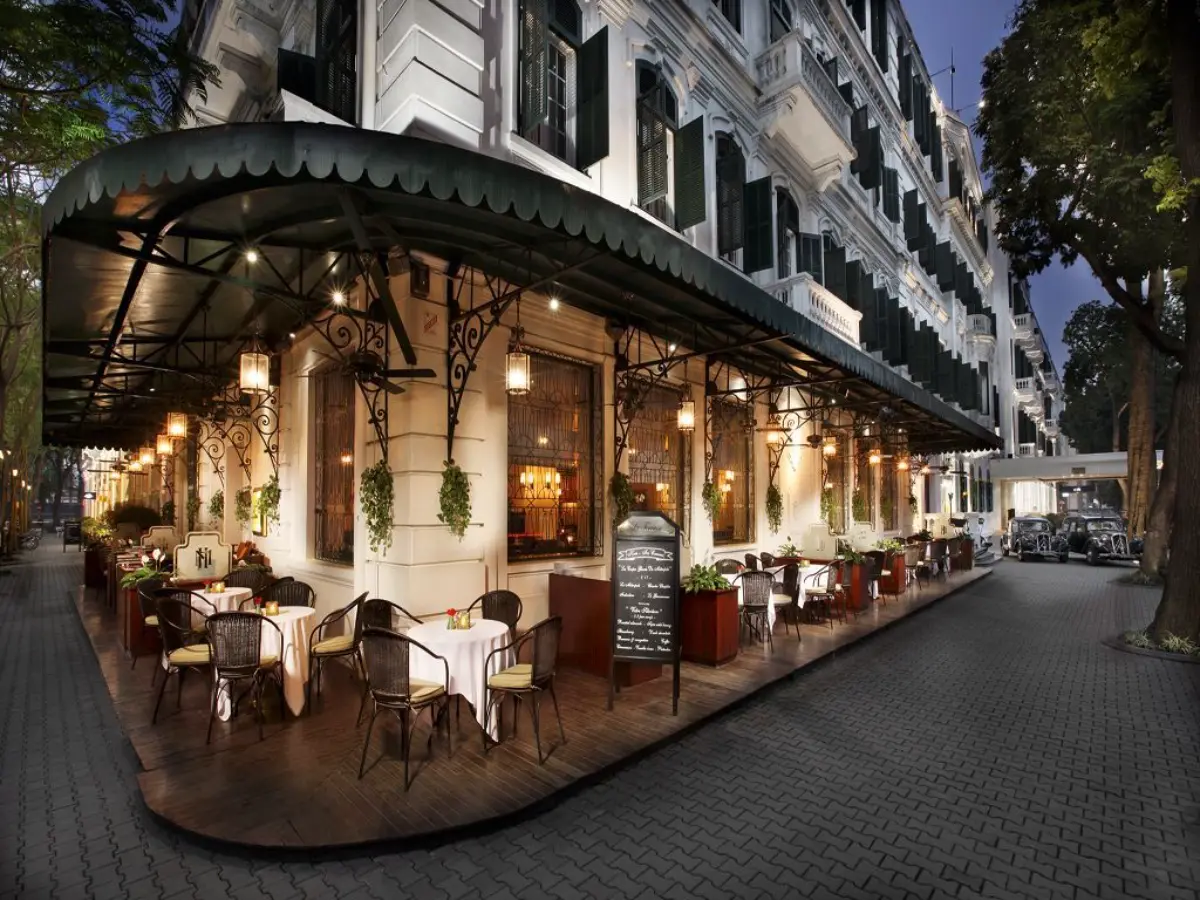
Hanoi
Metropole Hotel
The ultimate crown jewel of classic French colonial elegance. Nostalgic white facades, timeless ironwork, and cinematic grandeur embody the peak of Indochine luxury.

Hue
Azerai La Residence
Timeless Art Deco elegance sitting proudly on the banks of the Perfume River facing the ancient Imperial Citadel.

Hoi An
Four Seasons The Nam Hai
An architectural sanctuary layout directly on the pristine coast. Unrivaled luxury villas and soul-stirring cultural spas.

Ho Chi Minh City
Park Hyatt Saigon
A pristine architectural heritage sanctuary dating back to 1930. Bask in old-world Saigon charm with opulent crystal chandeliers and nostalgic French-Indochine design lines.