×
THE LANTERN-LIT SILK ROAD
Hoi An
2026
Timeless lantern festivals, tailor-made couture, Michelin-recognized Cao Lầu,
and the romance of Vietnam’s most enchanting ancient town.
and the romance of Vietnam’s most enchanting ancient town.
Indochine CHIC Travel Intelligence · 12 min read · April 2026
UNESCO World Heritage
844
listed buildings · 500+ tailors · full moon lanterns
FROM HAI PHO TO JAPANESE BRIDGE LEGACY
Hoi An is not a destination — it’s a living poem. In 2026, this UNESCO jewel remains Vietnam’s most soulful escape: centuries-old merchant houses, silk lanterns reflected in the Thu Bon River, and a culinary heritage that earned global acclaim without losing its village grace.
“Unlike anywhere else in Vietnam, Hoi An stopped time in the 18th century and never left. Here, a Japanese bridge meets a Chinese assembly hall, and the only rush is catching the sunset before the lanterns float downstream.”
Hoi An’s golden age dawned in the 16th and 17th centuries as a bustling international trading port known as “Hai Pho.” Merchants from Japan, China, Portugal, and the Netherlands settled here, leaving behind an architectural tapestry unmatched in Southeast Asia: the iconic Japanese Covered Bridge, ornate Chinese assembly halls (Fujian, Cantonese, Hainan), and tube houses with intricate wooden carvings. When the Thu Bon River silted up in the 19th century, Hoi An was mercifully frozen in time. Today, it’s a living museum where locals still practice ancient crafts — silk weaving, lantern making, and shipbuilding — and where the Full Moon Lantern Festival transforms the old town into a river of floating light.
Seasons of Enchantment: When to Drift into Hoi An’s Magic
The ideal window is February to April — gentle sunshine, low humidity, and blooming gardens. March offers the clearest skies for beach escapes to An Bang or Cua Dai. May to August brings warmer weather and vibrant green rice paddies, though afternoons can be hot. The true spectacle occurs on the 14th day of each lunar month: the Full Moon Lantern Festival, when electric lights are switched off, and the old town glows by candlelight and silk lanterns. For quieter moments, visit in September–October (shoulder season) — occasional showers, but ethereal mist over the river and fewer crowds.
Arrival in Elegance: Da Nang Airport & Riverside Transfers
Da Nang International Airport (DAD) sits just 35km north — a 45-minute scenic drive. For the discerning traveler, pre-arranged limousine transfer (Mercedes EQS or Lexus LS, $45–$65) delivers a seamless arrival through coastal roads and palm groves. Many luxury resorts (Four Seasons, Anantara) offer private vintage car pickups (classic Citroën, $85). Within Hoi An, the old town is strictly pedestrian-only from 9 AM to 11 PM, but electric buggies ($3–$5 per trip) and bicycle rentals ($2/day) are the preferred modes. For true romance, hire a traditional sampan for a private river transfer to your resort — $25 from the old town to Cua Dai.
Insider Concierge Note: The Full Moon Lantern Festival draws thousands. For an exclusive experience, book a private boat launch 30 minutes before sunset — you’ll float past releasing lanterns while enjoying Champagne, away from the crowds.
The Soul of Hoi An: Bridges, Assembly Halls & Tailors’ Alleys
Japanese Covered Bridge (Chùa Cầu) — the emblem of Hoi An, built in 1590 by the Japanese community, with a small temple inside. Fujian Assembly Hall (Phúc Kiến) — ornate congregation hall dedicated to Thien Hau, the sea goddess. Tan Ky Ancient House — a 200-year-old merchant home blending Japanese, Chinese, and Vietnamese architecture. Central Market (Chợ Hội An) — sensory overload of silks, spices, and street food. Cẩm Thanh Coconut Village — round basket boats gliding through water coconut palm forests. And the My Son Sanctuary — a 45-minute drive away, a UNESCO site of ruined Hindu temples from the Champa Kingdom (4th–14th centuries).
INDOCHINE CHIC SIGNATURE
“Bespoke Tailoring & Evening Lantern Release. A three-day couture experience with Hoi An’s master tailor Mr. Xe, followed by a private sampan lantern release on the Thu Bon River with a photographer to capture the silk-light magic.”
Culinary Heritage: Cao Lầu, White Rose & Michelin Accolades
Cao Lầu is Hoi An’s signature — thick noodles, char siu pork, crunchy croutons, and fresh herbs, said to be made only with water from the ancient Ba Le Well. Bánh bao bánh vạc (White Rose dumplings) are another local invention, translucent shrimp dumplings shaped like flowers. The town’s gastronomic reputation soared in 2025: Mót Hội An earned a Michelin Bib Gourmand for its heritage recipes, while The Market Restaurant & Cooking School offers immersive classes in a colonial villa. Don’t miss: cơm gà (chicken rice) at Bút Xá, mì Quảng at Bếp Hội, and lotus seed sweet soup for dessert. For fine dining, La Maison 1888 at Four Seasons holds three Diamond Plates, while the new Ănăn Saigon’s Hoi An outpost reimagines street food with Michelin-starred flair.
Insider’s Tip: For authentic Cao Lầu, skip tourist restaurants and head to Bà Lẹ (a no-sign spot on Hai Bà Trưng) or Cao Lầu Không Gian Xanh — the family has used the same ancestral well for three generations.
Where to Stay: Riverside Boutiques & Coastal Palaces
Four Seasons Resort The Nam Hai, Hoi An — Vietnam’s most celebrated beachfront estate, just 15 minutes from town, with villas overlooking the East Sea. Anantara Hoi An Resort — colonial-style riverfront sanctuary within walking distance of the old town, with a legendary spa. Almanity Hoi An Wellness Resort — urban retreat offering unlimited spa treatments. For boutique intimacy, The Mansion Hoi An offers five individually designed rooms in a French-colonial villa. The newly opened Reverie Hoi An (2025) brings Italian-designed opulence to the riverside, while Banyan Tree Hoi An offers all-pool villa seclusion just south of An Bang Beach.
CURATED HOI AN EXPERIENCES 2026
Bespoke Tailoring & Heritage Photography
3 days · from $299
Private consultation with master tailor, two custom garments (suit/ao dai), and a professional lantern-lit photoshoot.
Book experience →Ancient Town Heritage Walk with Historian
4 hours · from $69
Exclusive after-hours access to Japanese Bridge, Tan Ky House & Fujian Assembly Hall, followed by tea ceremony.
Book experience →Full Moon Lantern Festival Private Boat
3 hours · from $89
Private sampan, Champagne & local snacks, 20 silk lanterns to release, professional photographer, and riverside dinner.
Book experience →Coconut Village Basket Boat & Cooking Class
5 hours · from $79
Round basket boat through water coconut forest, crab fishing, then cooking class (Cao Lầu, White Rose dumplings).
Book experience →My Son Sanctuary Sunrise & Cham Heritage
5 hours · from $95
Private archaeologist-led tour of Hindu ruins, traditional Apsara dance performance, breakfast overlooking the valley.
Book experience →An Bang Beach Sunset & Seafood Picnic
4 hours · from $109
Private vintage Jeep transfer to An Bang, beachfront cabana, seafood barbecue, and sunset mixology class.
Book experience →Lantern-Making Workshop & Silk Village Tour
3 hours · from $55
Hands-on lantern crafting with eighth-generation artisan, then visit Hoi An Silk Village for weaving demonstration.
Book experience →Tra Que Vegetable Village & Farm-to-Table Dinner
5 hours · from $85
Morning harvest with farmers, planting herbs, followed by a seven-course dinner prepared by a local chef in a garden villa.
Book experience →5-Day Ancient Romance Itinerary
Day 1-2 Anantara Hoi An Riverfront. Explore Japanese Bridge, Fujian Hall, and evening riverfront dining.
Day 3 Morning My Son Sanctuary sunrise tour. Afternoon bespoke tailoring consultation.
Day 4 Full Moon Lantern Festival private boat (if lunar schedule aligns) or coconut village cooking class.
Day 5 An Bang Beach sunrise and spa at Four Seasons. Final fittings and silk shopping. Departure.
Design your journey →844
Heritage Buildings
500+
Tailor Shops
Bib Gourmand
Mót Hội An 2025
Lunar Monthly
Lantern Festival
VisaE-visa $25, 30 days. Indochine CHIC concierge expedite.
CurrencyVND (Dong). Tailors accept cards; markets cash.
SafetyExtremely safe. Night markets are family-friendly.
Dress CodeResort chic for fine dining. Shoulders covered for temples.
INDOCHINE CHIC — THE ART OF REFINED EXPLORATION. HOI AN 2026 · LANTERN-LIT SILK ROAD.
Curated intelligence for the sophisticated traveller · Bespoke itineraries & 24/7 white-glove support
Curated intelligence for the sophisticated traveller · Bespoke itineraries & 24/7 white-glove support
Top Vietnam Destinations
For first-time Traveler to Vietnam




“`html
Feature Hotels of Vietnam | Luxury Stays – Indochine Chic


“`
Luxury Stays
Feature Hotels of Vietnam
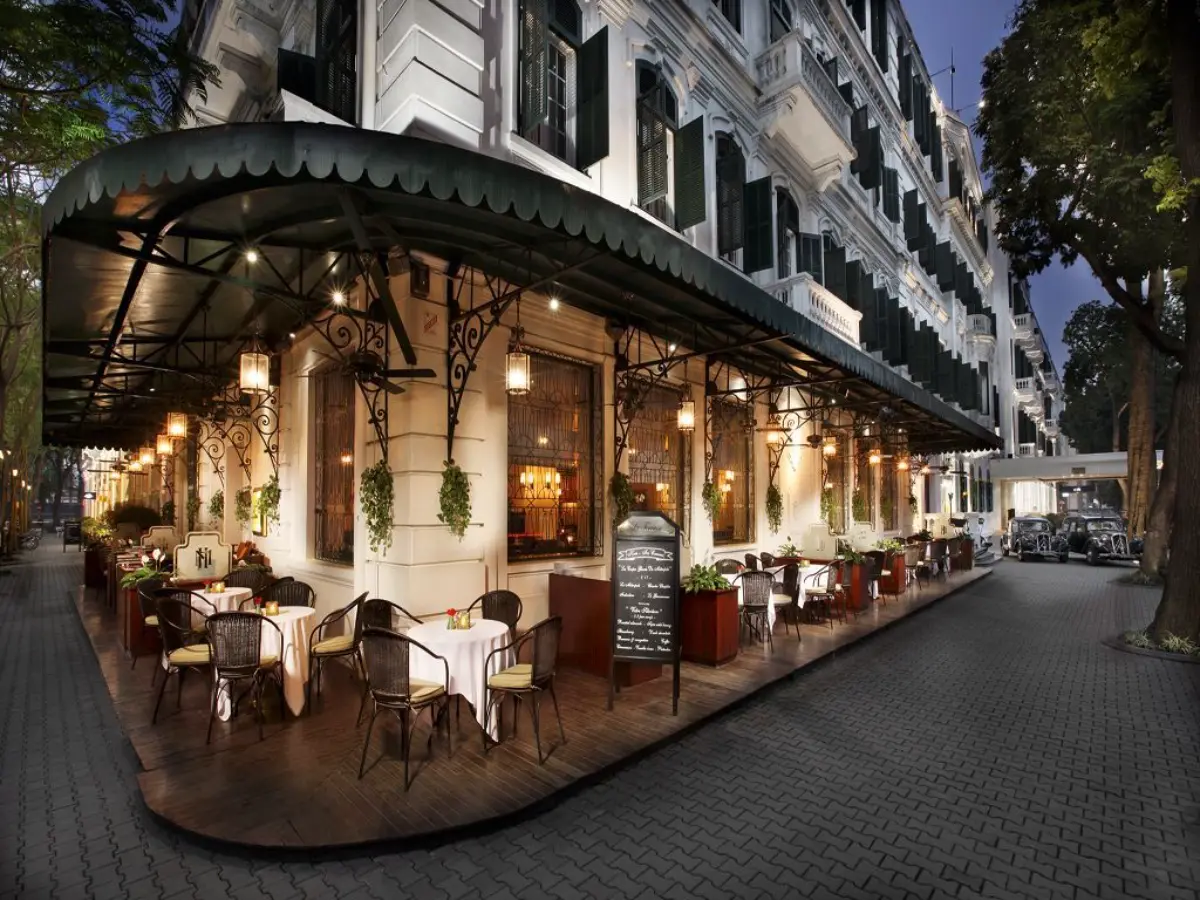
Hanoi
Metropole Hotel
The ultimate crown jewel of classic French colonial elegance. Nostalgic white facades, timeless ironwork, and cinematic grandeur embody the peak of Indochine luxury.

Hue
Azerai La Residence
Timeless Art Deco elegance sitting proudly on the banks of the Perfume River facing the ancient Imperial Citadel.

Hoi An
Four Seasons The Nam Hai
An architectural sanctuary layout directly on the pristine coast. Unrivaled luxury villas and soul-stirring cultural spas.

Ho Chi Minh City
Park Hyatt Saigon
A pristine architectural heritage sanctuary dating back to 1930. Bask in old-world Saigon charm with opulent crystal chandeliers and nostalgic French-Indochine design lines.