Definitive Con Dao Beach Guide
Top Beaches in Con Dao Islands: Complete A–Z Luxury Guide 2026
From Dat Doc’s Ultra‑Private Seclusion to Dam Trau’s Rugged Beauty – The Ultimate Compendium of Vietnam’s Most Pristine Archipelago
Water Clarity Ratings • Privacy Indices • Turtle Nesting Sites • Luxury Stays • 2026 Verified
Con Dao Beach Architecture & Core Intelligence

Figure 1: Con Dao’s spectacular coastline – among the most pristine and protected in Southeast Asia.
A. Introduction to Con Dao’s Coastal Ecosystem
The Con Dao Archipelago, located 185 kilometers off Vietnam’s southern coast, is one of Southeast Asia’s last true marine sanctuaries. Comprising 16 islands, with Con Son being the largest and only inhabited island, Con Dao offers an extraordinary concentration of untouched beaches, coral reefs, and tropical jungle. In 2026, Con Dao remains a destination for discerning travelers who prioritize absolute privacy, marine biodiversity, and authentic low‑impact luxury.
Unlike Phu Quoc or Đà Nẵng, Con Dao has deliberately limited development – the archipelago is part of Con Dao National Park, a protected marine and terrestrial reserve. Beaches here are characterized by fine white sand, granite boulder backdrops, and water clarity that often exceeds 15‑20 meters. The archipelago is also a critical nesting site for green sea turtles and hawksbill turtles (May–October). The Six Senses Con Dao anchors the luxury segment, but most beaches remain wild, uncrowded, and genuinely secluded.
B. Con Dao Beach Comparison Matrix (2026 Verified)
This data‑driven table indexes the top beaches across Con Son Island and its surrounding islets, enabling side‑by‑side comparison of sand quality, water clarity, privacy, and accessibility.
| Beach Name | Region | Sand Type | Water Clarity (1-10) | Privacy Index | Luxury / Signature Stay |
|---|---|---|---|---|---|
| Dat Doc Beach | Southeast | Powdered white, fine | 9.5 | 10 (Six Senses guests only) | Six Senses Con Dao |
| Dam Trau Beach | Northern tip | Golden-white, coarse | 9 | 7 (day‑trippers, airport proximity) | Dam Trau Restaurant & Bar |
| Lo Voi Beach (Elephant) | Southwest | White, fine | 9 | 8.5 | Lo Voi eco‑lodge |
| Bai Nhat (Sunrise Beach) | East (Con Son town) | White, fine | 8.5 | 6 (town proximity) | Con Dao Resort |
| Ong Dung Beach | Northwest | White, fine, secluded | 9.5 | 9 | None – completely wild |
| Bai Nha (Shark Cape) | Southwest | White, coarse | 9 | 8.5 | Lighthouse hike access |
| An Hai Beach | East (Con Son town) | Golden, fine | 8 | 5 | Local seafood restaurants |
| Hon Bay Canh (Island) | East (boat access) | Powdered white | 10 | 9.5 | National Park ranger station |
| Hon Tre Lon (Island) | Northeast | White, fine | 9.5 | 9.5 | None – day trips only |
| Hon Tai (Island) | South | White, fine | 9.5 | 9 | Snorkeling day trips |
C. Regional Beach Breakdown: North vs South vs East vs Offshore Islands
Southeast Con Son (Dat Doc to Lo Voi)
The southeast coast of Con Son Island is home to the archipelago’s most famous and most exclusive beaches. Dat Doc Beach, accessible only to Six Senses Con Dao guests and a handful of private villas, offers unparalleled seclusion and white powder sand. Lo Voi Beach (Elephant Beach) is slightly more accessible but still remarkably quiet. Water clarity is exceptional (9‑9.5/10), and the beaches are backed by dramatic granite mountains and primary jungle.
Pros
- Exceptional water clarity and marine life
- Highest privacy levels (resort-exclusive sections)
- Dramatic granite mountain backdrops
- Six Senses luxury infrastructure
Cons
- Very high pricing (Six Senses from $600+/night)
- Limited dining outside resorts
- Access restricted without resort booking
North & West Coasts (Dam Trau, Ong Dung)
The northern tip of Con Son Island features Dam Trau Beach – a beautiful golden-white crescent located immediately adjacent to Con Dao Airport. It is the most accessible and consequently the busiest beach on the island, popular with day‑trippers and locals. Further northwest, Ong Dung Beach is a completely wild, undeveloped stretch of white sand accessible only by scooter or taxi via an unpaved road – offering genuine isolation.
Pros
- Dam Trau: closest to airport, easy access
- Ong Dung: wild, secluded, no development
- Good sunset views (west coast)
- No entry fees
Cons
- Dam Trau can be crowded when flights arrive
- Ong Dung requires unpaved road (scooter skills needed)
- Limited facilities (only basic food stalls)
- No luxury resorts on these beaches
East Coast (Bai Nhat, An Hai – Con Son Town)
The east coast of Con Son Island faces the South China Sea and includes Bai Nhat (Sunrise Beach) and An Hai Beach. These beaches are located directly adjacent to Con Son town, making them the most convenient for independent travelers. Water clarity is good (8‑8.5/10), though slightly less than the southeast coast due to town runoff and boat traffic. The sunrise views are spectacular – hence the name “Bai Nhat” (Sunrise Beach).
Pros
- Walking distance from Con Son town
- Wide range of local restaurants and budget accommodations
- Excellent sunrise photography
- Public beach, no access restrictions
Cons
- Less private (town proximity)
- Water clarity lower than southeast/north
- Some boat traffic visible
- Limited luxury facilities
Offshore Islands (Hon Bay Canh, Hon Tre Lon, Hon Tai)
Con Dao’s true gems lie offshore. Hon Bay Canh (Bay Canh Island) is a protected marine reserve with powdered white sand and water clarity so extreme (10/10) that visibility often exceeds 20 meters. It is a primary nesting site for green sea turtles (May–October). Hon Tre Lon and Hon Tai offer similarly pristine conditions. Access is by organized boat tour or private charter from Con Son town – no overnight accommodation is available on these islands, preserving their untouched character.
Pros
- World‑class water clarity (9.5‑10/10)
- Incredible snorkeling and diving
- Turtle nesting sightings (seasonal)
- Absolutely pristine, no development
Cons
- Boat access only (tours from Con Son town)
- No facilities on islands (bring food/water)
- Sea conditions can cancel trips (monsoon season)
- Requires full‑day commitment
D. Comprehensive Profiles of Top 10 Con Dao Beaches (2026 Verified)
Each beach is deconstructed with technical precision – sand composition, water quality metrics, signature wildlife, and access protocols.
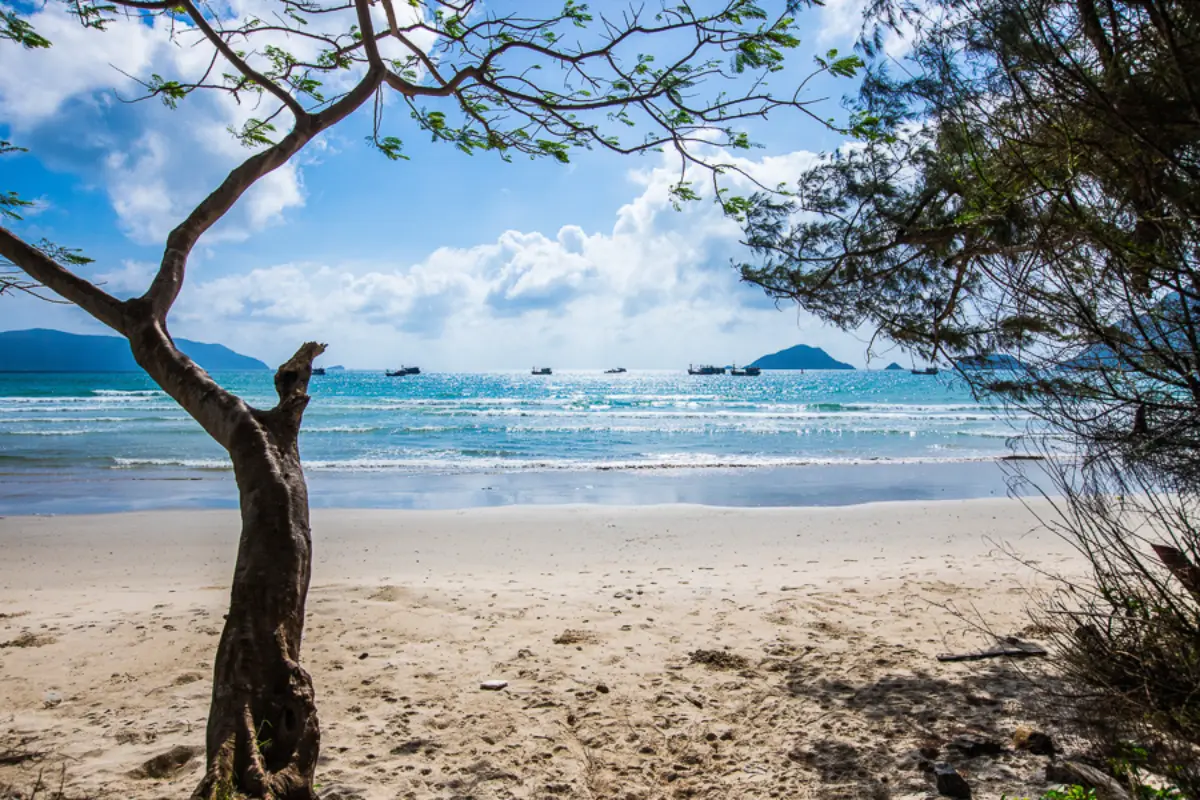
Figure: Dat Doc Beach – absolute seclusion within Con Dao National Park.
Dat Doc Beach is the crown jewel of the Con Dao Archipelago – a mile‑long stretch of powder‑white sand backed by dramatic granite mountains and fronting the crystal‑clear waters of Con Dao National Park. Access is restricted to guests of Six Senses Con Dao and a handful of private villas, guaranteeing exceptional privacy. The beach is a nesting ground for green sea turtles (May‑October). Snorkeling directly offshore reveals vibrant coral gardens and reef fish. There are no jet skis or motorized water sports – only tranquility, butler service, and world‑class luxury.
Best Months: Dec–Apr | Entry: Six Senses guests onlyView Beach Location ↗

Figure: Dam Trau’s stunning crescent of golden sand – the first beach you see when landing on Con Dao.
Dam Trau Beach is located on Con Son Island’s northern tip, directly adjacent to Con Dao Airport. The beach is a beautiful crescent of golden‑white sand, framed by dramatic granite boulders. Water clarity is excellent (9/10), and the beach is sheltered enough for safe swimming. The on‑site Dam Trau Restaurant serves fresh seafood with spectacular runway and ocean views. While it is the most accessible beach on the island, it can become busy when flights arrive – otherwise, it remains relatively quiet.
Best Months: Dec–Apr | Entry: Free, public beachView Beach Location ↗
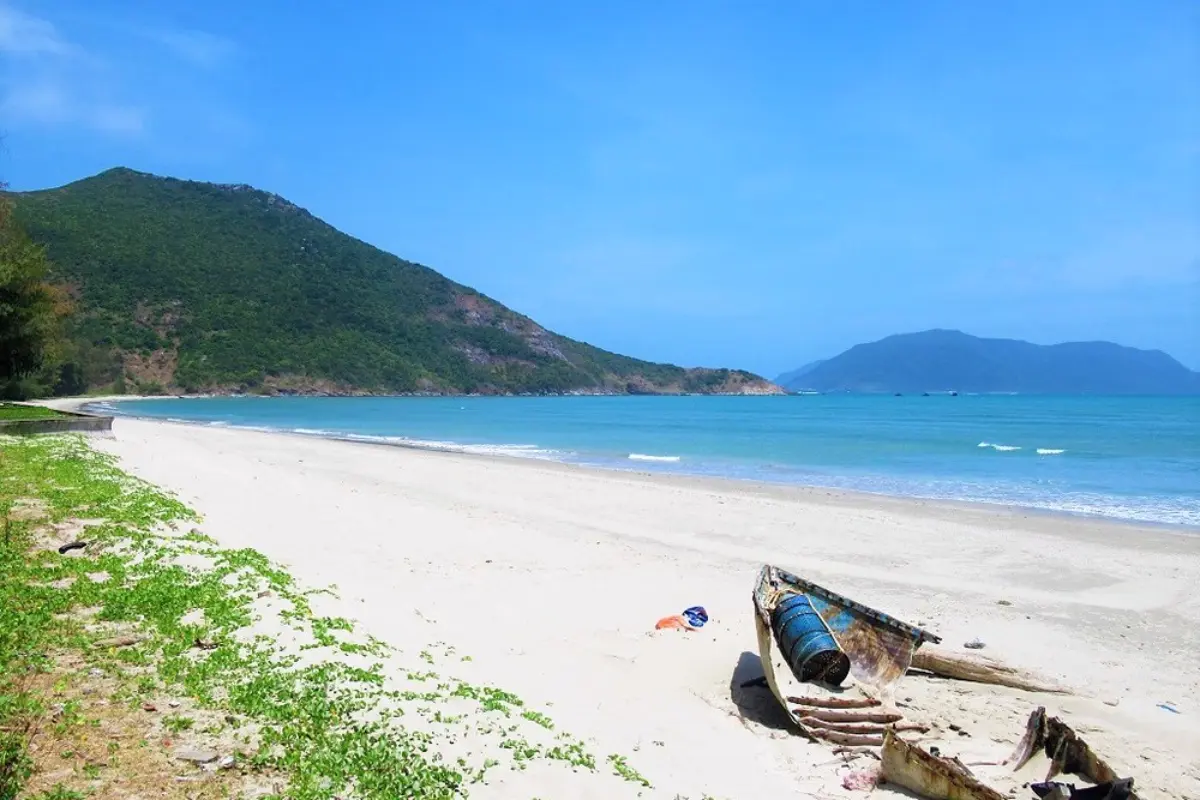
Figure: Lo Voi Beach’s iconic elephant‑shaped rock and dramatic granite shoreline.
Lo Voi Beach (Elephant Beach) is named after a large granite boulder that resembles an elephant drinking from the sea. Located on the southwest coast, the beach is a secluded cove of fine white sand backed by jungle‑covered hills. Water clarity is very good (9/10), and snorkeling reveals healthy coral and reef fish. There is a basic eco‑lodge on the beach offering rustic accommodation. The beach is accessible via a short walk from the main road – no large resorts, no crowds.
Best Months: Dec–Apr | Entry: Free, public accessView Beach Location ↗

Figure: Bai Nhat at dawn – the best place on Con Son Island to watch the sunrise.
Bai Nhat (Sunrise Beach) is the main public beach adjacent to Con Son town. It is a 1‑kilometer stretch of fine white sand facing the South China Sea – hence the spectacular sunrises. The water clarity is good (8.5/10), though slightly less than southeast beaches due to town proximity. The beach is lined with local seafood restaurants and budget accommodations. It is the most convenient beach for independent travelers but also the busiest and least private.
Best Months: Dec–Apr | Entry: Free, public beachView Beach Location ↗

Figure: Ong Dung Beach – Con Dao’s last truly wild beach, with no facilities and perfect solitude.
Ong Dung Beach is located on Con Son Island’s northwest coast – a completely wild, undeveloped stretch of white sand backed by dense jungle. There are no resorts, no restaurants, no facilities of any kind. Access is via an unpaved road (scooter or taxi required) followed by a short jungle path. Water clarity is exceptional (9.5/10), and you are almost guaranteed to have the entire beach to yourself. Ong Dung is for travelers who want absolute solitude – bring your own water, food, and sun protection.
Best Months: Dec–Apr | Entry: Free, 4×4 or scooter recommendedView Beach Location ↗

Figure: Bai Nha’s rocky coastline and nearby lighthouse – a snorkeler’s delight.
Bai Nha (Shark Cape) is a small, rocky cove on the southwest coast, known for its excellent snorkeling and proximity to the historic Con Dao Lighthouse. The beach itself is a mix of coarse white sand and granite rocks – not ideal for sunbathing, but the offshore coral gardens are among the best on Con Son Island. The lighthouse hike offers panoramic views of the archipelago. Bai Nha is accessed via a 30‑minute walk from the main road; no facilities available.
Best Months: Dec–Apr | Entry: Free, sturdy footwear recommendedView Beach Location ↗
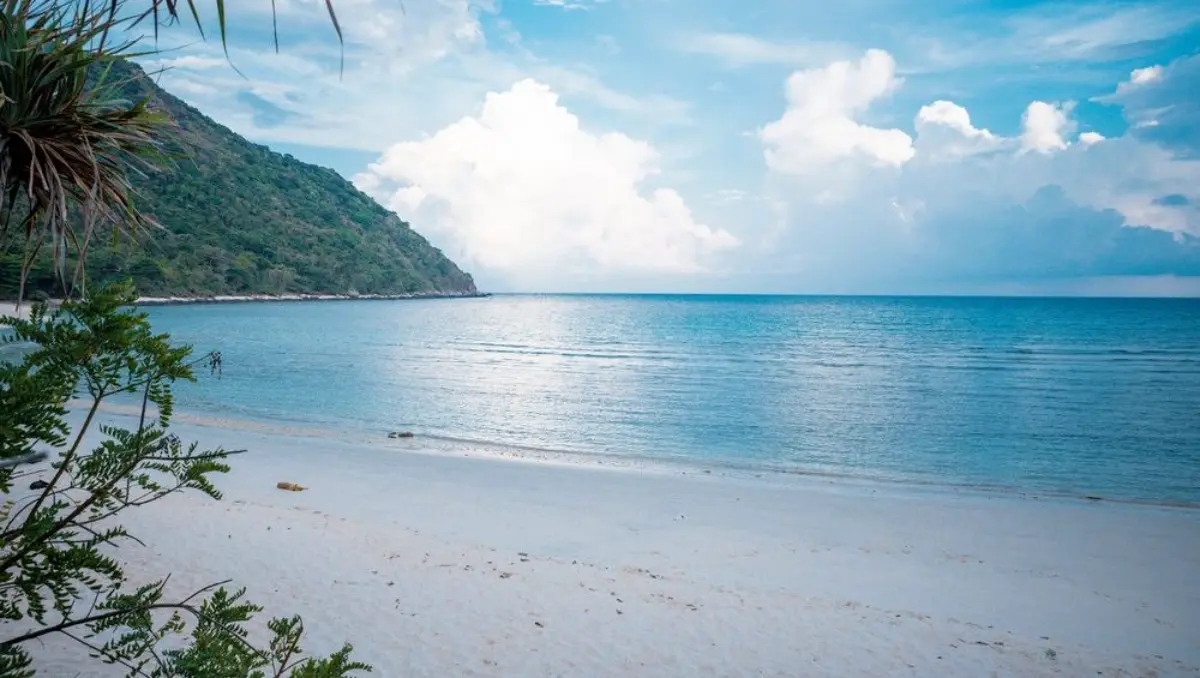
Figure: An Hai Beach – where local fishing boats bring the day’s catch directly to beachfront restaurants.
An Hai Beach is located on Con Son Island’s east coast, just north of Bai Nhat. It is a working fishing beach – colorful wooden boats line the shore, and local families run small seafood stalls. The water clarity is moderate (8/10), but the authentic atmosphere is the draw. Visitors come to eat freshly caught squid, crab, and fish grilled over charcoal while watching local fishermen at work. It is not a luxury beach, but it is an essential Con Dao cultural experience.
Best Months: Year‑round | Entry: Free, bring cash for seafoodView Beach Location ↗
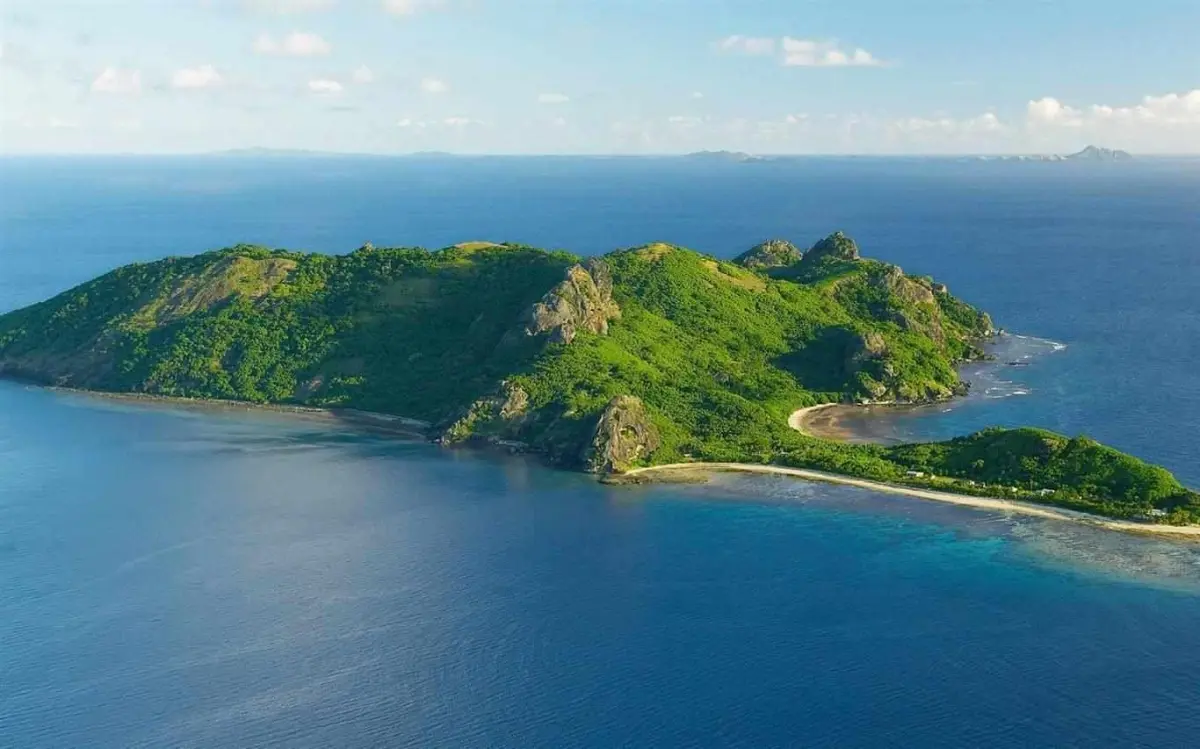
Figure: Hon Bay Canh – a protected marine reserve and critical turtle nesting site.
Hon Bay Canh is a small island in the eastern part of the Con Dao Archipelago, part of the national park’s marine reserve. The island features a stunning crescent of powdered white sand and water clarity that exceeds 20 meters on calm days. It is a primary nesting site for green sea turtles (May‑October) – visitors may see nesting turtles or hatchlings depending on the season. Access is only via organized boat tour from Con Son town; no overnight accommodation is available. Snorkeling here is among the best in Vietnam.
Best Months: Dec–Apr (calm seas) | Entry: Boat tour (~1.5M VND)View Beach Location ↗

Figure: Hon Tre Lon – the ultimate castaway experience within Con Dao National Park.
Hon Tre Lon (Big Bamboo Island) is one of the largest offshore islands in the Con Dao Archipelago, located northeast of Con Son. The island is completely uninhabited, with no facilities or permanent structures. Its beaches are long arcs of fine white sand backed by dense tropical jungle. Water clarity is exceptional (9.5/10), with fringing coral reefs accessible directly from shore. Access is via private charter or select boat tours from Con Son town. Hon Tre Lon is for true adventurers – bring all supplies and be prepared for a full day of isolation.
Best Months: Dec–Apr | Entry: Boat charter (arrange in Con Son)View Beach Location ↗

Figure: Hon Tai’s vibrant coral gardens – some of the healthiest in the archipelago.
Hon Tai is a small island south of Con Son, renowned for its exceptionally healthy coral gardens and abundant marine life. The island’s main beach is a small crescent of white sand, but the real attraction lies offshore – snorkeling here reveals table corals, branching corals, and colorful reef fish in water clarity exceeding 15 meters. Hon Tai is included in most island‑hopping boat tours from Con Son town. There are no facilities on the island; visits are typically half‑day stops as part of a larger tour.
Best Months: Dec–Apr | Entry: Boat tour (~1.2M‑1.5M VND)View Beach Location ↗
E. Best Beach for Every Traveler Type
| Traveler Type | Recommended Beach | Key Reason |
|---|---|---|
| Ultra‑Luxury Seeker | Dat Doc Beach | Six Senses Con Dao, private butler service, absolute seclusion |
| Sunrise Enthusiast | Bai Nhat (Sunrise Beach) | East‑facing, spectacular dawn views over the South China Sea |
| Isolation Seeker / Adventurer | Ong Dung / Hon Tre Lon | Wild, undeveloped, often completely empty |
| Families with Children | Dam Trau / Bai Nhat | Safe swimming, easy access, restaurant facilities |
| Snorkeling & Diving | Hon Bay Canh / Hon Tai | World‑class coral gardens, exceptional water clarity |
| Couples / Honeymoon | Dat Doc / Lo Voi | Secluded, romantic, dramatic scenery |
| Budget Conscious | Bai Nhat / An Hai | Free public beaches, cheap local seafood, guesthouses nearby |
| Cultural & Authentic Experience | An Hai Beach | Working fishing village, freshly caught seafood, local atmosphere |
F. A–Z Practical Intelligence for Con Dao Beaches
Best Time to Visit: December through April (dry season) offers calm seas, peak water clarity, and the best conditions for snorkeling and island tours. May to October is the rainy/windy season – seas can be rough, and boat tours are frequently cancelled. However, this is also turtle nesting season (May‑October) on Hon Bay Canh.
Getting to Con Dao: Vietnam Airlines flies from Ho Chi Minh City (SGN) and Cần Thơ (VCA) to Con Dao Airport (VCS). Flight time from SGN is approximately 1 hour. There are no ferries from the mainland – flying is the only practical option.
Getting Around on Con Son: Rent a scooter (150k‑200k VND/day) – essential for accessing beaches like Ong Dung, Lo Voi, and Bai Nha. Taxis are available in Con Son town but expensive for long distances. Many beaches (Bai Nhat, An Hai) are walkable from town.
Water Quality Note: The southeast coast (Dat Doc, Lo Voi) and offshore islands (Hon Bay Canh, Hon Tai) have the clearest water (9.5‑10/10). East coast beaches near town have slightly lower clarity (8‑8.5/10) due to boat traffic and runoff.
Turtle Nesting (May‑October): Hon Bay Canh is the primary nesting site. Visits are strictly regulated by the National Park – you must go with an authorized guide. Do not use flash photography, do not touch nesting turtles or hatchlings.
Marine Conservation: Con Dao National Park is a protected area. Do not touch or step on coral. Do not remove shells, starfish, or any marine life. Use reef‑safe sunscreen. Littering is strictly prohibited and fined.
Currency & Payments: Vietnamese Dong (VND). Con Son town has ATMs. Beachfront restaurants and local stalls accept cash only. Six Senses and larger hotels accept credit cards.
What to Pack: Reef‑safe sunscreen, insect repellent (jungle areas), snorkel gear (rentals limited), sturdy sandals or water shoes (rocky entries at some beaches), and a reusable water bottle.






“`html
Feature Hotels of Vietnam | Luxury Stays – Indochine Chic


“`
Luxury Stays
Feature Hotels of Vietnam
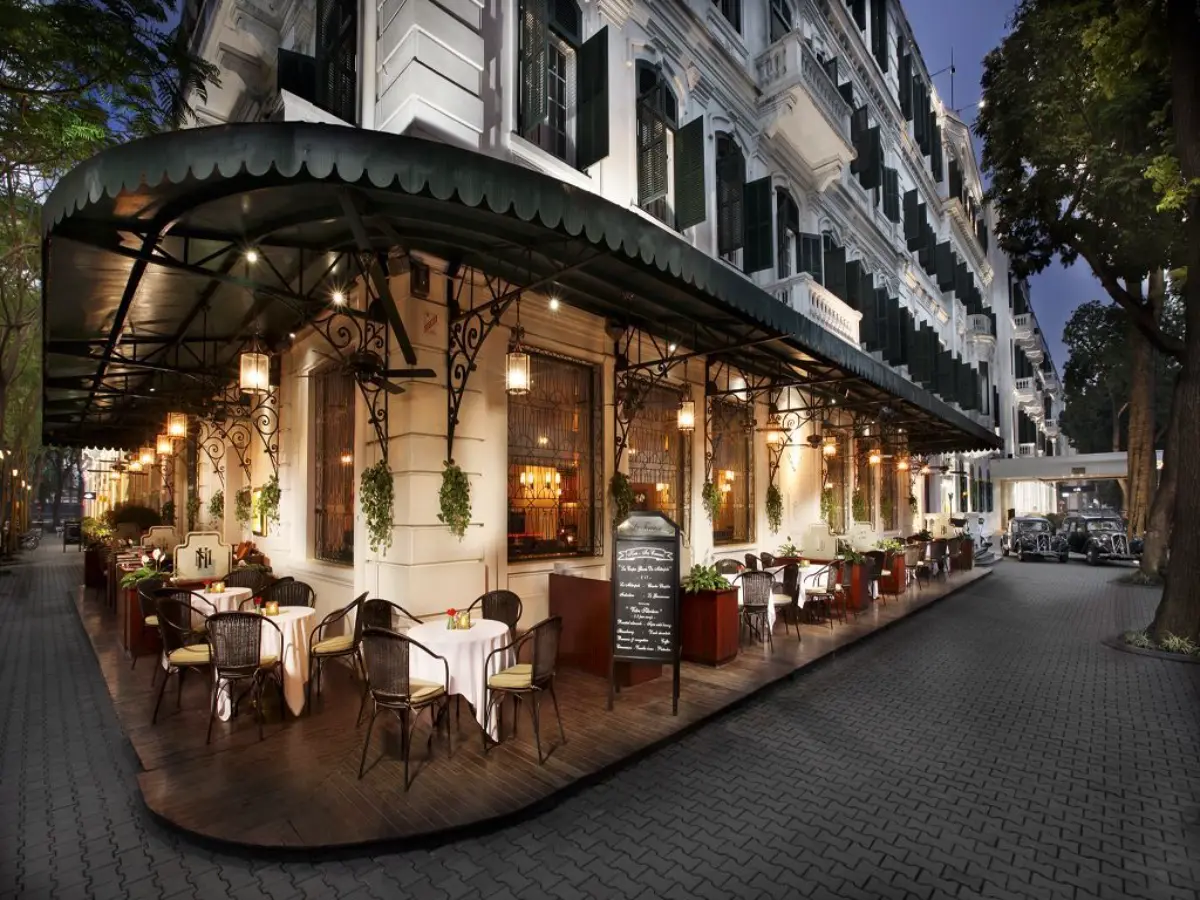
Hanoi
Metropole Hotel
The ultimate crown jewel of classic French colonial elegance. Nostalgic white facades, timeless ironwork, and cinematic grandeur embody the peak of Indochine luxury.

Hue
Azerai La Residence
Timeless Art Deco elegance sitting proudly on the banks of the Perfume River facing the ancient Imperial Citadel.

Hoi An
Four Seasons The Nam Hai
An architectural sanctuary layout directly on the pristine coast. Unrivaled luxury villas and soul-stirring cultural spas.

Ho Chi Minh City
Park Hyatt Saigon
A pristine architectural heritage sanctuary dating back to 1930. Bask in old-world Saigon charm with opulent crystal chandeliers and nostalgic French-Indochine design lines.