
Heritage Hotels
Stay inside history within colonial mansions, converted royal residences, and boutique heritage gems across Indochina’s most beautiful cities.
Explore Hotels →Where the River Shapes a Nation
A labyrinth of tributaries, floating markets, and a way of life that moves with the water — your complete guide to Vietnam’s five unified provinces
The Mekong’s slow current — a lifeline for millions, a stage for life itself in the Mekong Delta of Vietnam.
Important Update: As of 2025, the Mekong Delta has been reorganized into five unified provinces and cities. This consolidation aims to streamline regional development and preserve the unique character of each area. Below is the new administrative map — your essential guide to navigating the Delta.
Merged from: Can Tho + Hau Giang + Soc Trang
Role: The region’s economic and cultural center. Bustling floating markets (Cai Rang), riverside promenades, and lush orchards.
Explore Can Tho →Merged from: Vinh Long + Ben Tre + Tra Vinh
Character: Island-studded waterways, coconut groves, traditional brick kilns, and Khmer pagodas.
Merged from: Dong Thap + Tien Giang
Highlights: Orchards, floating fish farms, Tràm Chim bird sanctuary, and the legendary plain of reeds.
Merged from: An Giang + Kien Giang
Landmarks: Sam Mountain, floating villages, Cham communities, and the border with Cambodia.
Unchanged: Vietnam’s southernmost point — mangrove forests, bird sanctuaries, and the meeting of river and sea.
Explore Ca Mau →The Mekong Delta, known locally as Đồng Bằng Sông Cửu Long (Nine Dragon River Delta), is a sprawling maze of rivers, swamps, and islands covering over 40,000 square kilometers. As the river approaches the East Sea, it splits into nine main distributaries — the “nine dragons” — creating a fertile alluvial plain that has sustained civilizations for centuries. The Mekong Delta in Vietnam is not a landscape to be crossed but one to be navigated, where roads are often secondary to waterways, and where the most important journeys happen by boat. Exploring the Mekong Delta offers travelers an authentic glimpse into traditional Vietnamese river life.
Dry Season (December–April): The Mekong Delta reveals its most accessible face. Skies are clear, humidity low, and the water levels recede to reveal the intricate network of canals. Temperatures range from 22°C at night to 32°C during the day — ideal for cycling between villages, exploring orchards, and lingering at floating markets. This is the best time to visit the Mekong Delta for first-time travelers.
Rainy Season (May–November): The Mekong Delta transforms. Afternoon downpours — brief but intense — swell the rivers and flood the fields. This is the season of abundance: dragon fruit, mangoes, and rambutan ripen on the trees, and the landscape becomes a brilliant, saturated green. Boat journeys through the Mekong Delta become more atmospheric, often accompanied by the dramatic backdrop of storm clouds gathering over the rice paddies.
Can Tho is the largest city in the Delta. The Cai Rang Floating Market is the region’s most famous — a gathering of hundreds of boats each morning. Beyond the market, Can Tho offers riverside hotels and serves as a base for exploring smaller tributaries and orchards.
Explore Can Tho →Dong Thap (merged from Dong Thap and Tien Giang) is a land of orchards, floating fish farms, and the legendary Tràm Chim National Park — a flooded forest that hosts rare Sarus cranes.
Explore Dong Thap →Vinh Long (merged from Vinh Long, Ben Tre, and Tra Vinh) is defined by island-studded waterways, coconut groves, traditional brick kilns, and ornate Khmer pagodas.
Explore Vinh Long →An Giang (merged from An Giang and Kien Giang) is the Delta’s western frontier. Sam Mountain offers panoramic views over the Cambodian border, while the floating villages of Chau Doc reveal a way of life suspended on the water.
Explore An Giang →Ca Mau (unchanged) is Vietnam’s southernmost point — a world of mangrove forests, bird sanctuaries, and the meeting of river and sea.
Explore Ca Mau →From Saigon: The Mekong Delta is easily reached — 2–3 hours by bus or private car to Can Tho or Dong Thap. For a faster approach, flights from Ho Chi Minh City to Can Tho take just 45 minutes.
On the Water: The authentic Mekong Delta journey is by boat — from large motorized ferries to small, hand‑rowed sampans. Multi‑day Mekong Delta cruises now navigate the tributaries, offering overnight stays in riverside homestays or on converted barges.
On Land: Bicycle and motorbike tours allow you to traverse the Mekong Delta’s quiet back roads, passing through fruit orchards, rice paddies, and villages where the rhythm of life remains unhurried.
Can Tho City (merged with Hau Giang and Soc Trang), Vinh Long Province (merged with Ben Tre and Tra Vinh), Dong Thap Province (merged with Tien Giang), An Giang Province (merged with Kien Giang), and Ca Mau Province (unchanged).
Read more →A day trip to the former My Tho/Ben Tre area (now Dong Thap) offers a taste — but to truly experience the Mekong Delta’s rhythm, an overnight stay in Can Tho or a 2‑day cruise is highly recommended.
Plan your trip →The dry season (December–April) offers the most comfortable conditions for exploring the Mekong Delta. The rainy season (May–November) brings lush landscapes and fewer crowds.
View seasons →Boats depart from Can Tho city center as early as 5:30 AM. The market is busiest between 6:00–8:00 AM. Many Mekong Delta tours include a visit to a rice noodle factory afterward.
Learn more →City comfort with riverside views. The best base for exploring Cai Rang and the surrounding canals.
View hotels →Immersive stays on the water’s edge — private bungalows, sunset cruises, and farm-to-table dining.
Explore lodges →Mountain retreat with panoramic views over the Cambodian border and the floating villages below.
View retreat →Bus (3–4 hrs to Can Tho or Dong Thap), private car, or flight to Can Tho (45 min).
Plan transport →Vietnamese Dong (VND); cash essential for markets and small villages. Light, breathable fabrics; modest dress for pagodas.
Packing guide →The best time for floating markets. Arrive early to witness the Delta at its most vibrant.
Market tips →Locally based guides with authentic insights into every canal and community. Your travel directly benefits delta villages and floating market families. We design Mekong Delta tours that respect the river’s delicate ecosystem and cultural heritage — and we’ve been navigating the new 2025 provinces since day one.
With over 15 years of navigating the Mekong Delta, Hugh curates bespoke journeys that reveal the region’s hidden waterways, floating communities, and Khmer heritage. His deep local knowledge ensures every experience is authentic and meaningful.
Meet Hugh →Explore the living legacy of Indochina through our curated editorial collection of heritage guides, hotels, and experiences.
Stay inside history within colonial mansions, converted royal residences, and boutique heritage gems across Indochina’s most beautiful cities.
Explore Hotels →
Discover ochre walls, wrought iron balconies, louvered shutters, and timeless Indochine elegance preserved in Hanoi, Luang Prabang, and Saigon.
Explore Buildings →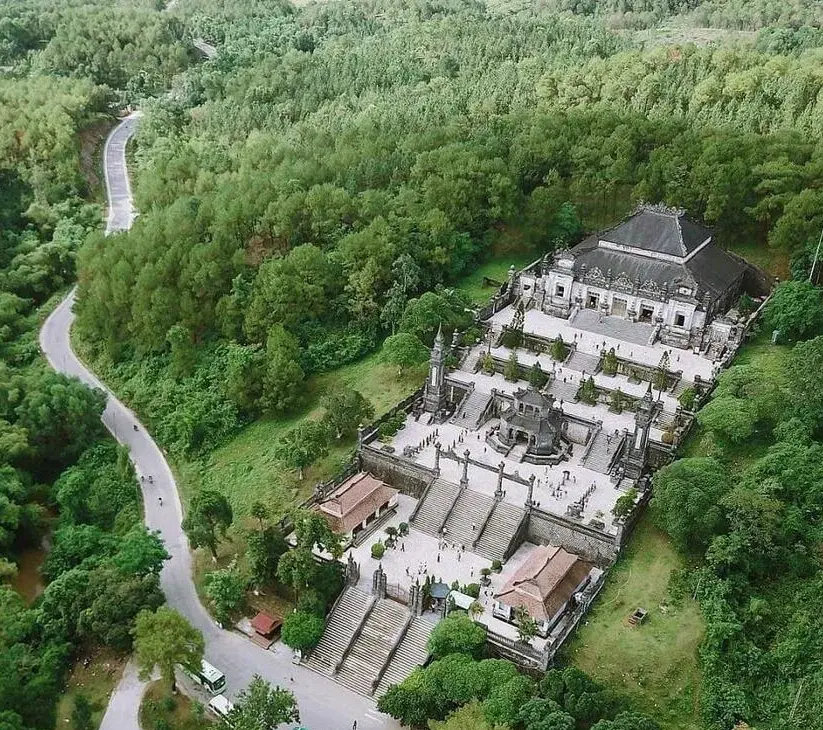
Explore World Heritage treasures from Angkor Wat to Hoi An Ancient Town, Hue Citadel, and the temples of Luang Prabang.
UNESCO Sites →
View royal treasures, colonial artifacts, war remnants, and ethnographic collections that tell the full story of Indochina’s rich history.
Explore Museums →
Savor imperial feasts, street food legacy, royal court recipes, and culinary traditions passed down through generations across Indochina.
Taste Local Foods →
Follow self-guided heritage walks through Hanoi’s Old Quarter, Hoi An’s lantern streets, and Luang Prabang’s temple-lined lanes.
Explore Cities →
Enjoy egg coffee on colonial terraces, sip robusta where writers met, and discover timeless spots frozen in Indochine elegance.
Explore Hidden Cafes →
Experience curated multi-day itineraries through the heritage cities of Indochina, designed for luxury travelers seeking authentic culture.
Explore Journeys →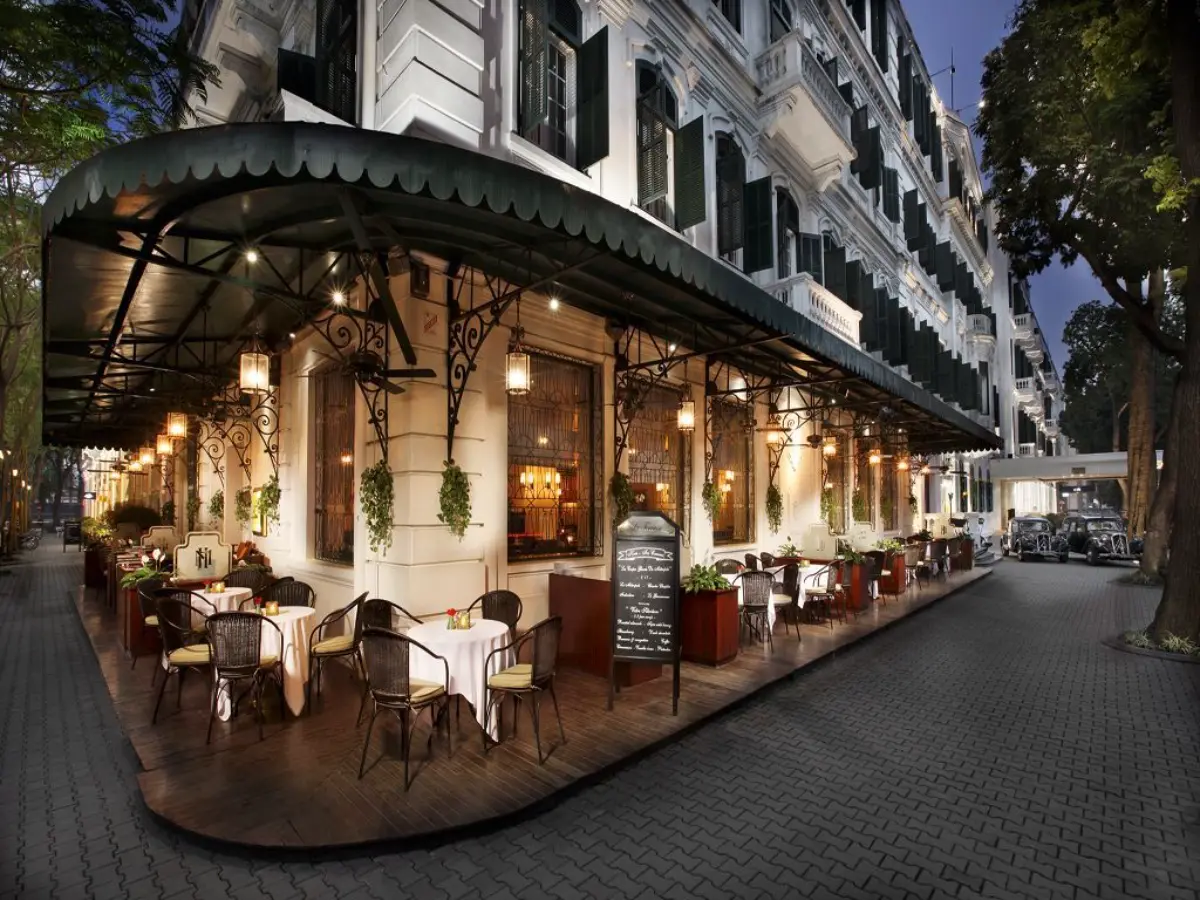
The ultimate crown jewel of classic French colonial elegance. Nostalgic white facades, timeless ironwork, and cinematic grandeur embody the peak of Indochine luxury.

Timeless Art Deco elegance sitting proudly on the banks of the Perfume River facing the ancient Imperial Citadel.

An architectural sanctuary layout directly on the pristine coast. Unrivaled luxury villas and soul-stirring cultural spas.

A pristine architectural heritage sanctuary dating back to 1930. Bask in old-world Saigon charm with opulent crystal chandeliers and nostalgic French-Indochine design lines.