Vietnam e-visa 2026: new rules for US, EU & Australian travelers
Step-by-step application, processing times, and recent changes for seamless entry.
Read more →The Complete Guide to Vietnam’s Timeless UNESCO World Heritage Gem
Discover Hoi An Ancient Town: from lantern-lit streets and UNESCO heritage to luxury resorts, tailor-made tours, and the soul of Central Vietnam’s most enchanting destination.

Hoi An Ancient Town is one of Vietnam’s most captivating destinations, a living museum where history, culture, and timeless charm converge. Recognized as a UNESCO World Heritage Site in 1999, this former trading port has preserved its unique architecture, traditions, and soul across centuries. From its lantern-lit streets and iconic Japanese Covered Bridge to its vibrant tailor shops and world-class culinary scene, Hoi An offers an experience that lingers in the memory long after departure.
This guide is designed for discerning travelers seeking to uncover the essence of Hoi An. Whether you are a culture enthusiast, a luxury traveler, a food lover, or a photographer, this guide will help you navigate the Ancient Town’s treasures and create unforgettable memories in one of Vietnam’s most enchanting destinations.

Hoi An’s history spans over 2,000 years, with its golden era as a bustling trading port during the 15th to 19th centuries. Merchants from China, Japan, India, and Europe converged here, leaving an indelible mark on the town’s architecture, culture, and cuisine. The Japanese Covered Bridge, Chinese assembly halls, and French colonial influences all tell the story of a town that has been a cultural crossroads for millennia.
Hoi An was originally a fishing village and trading port for the Cham Kingdom, with influences from Chinese and Japanese merchants.
From the 15th to 19th centuries, Hoi An was one of the most important trading ports in Southeast Asia, attracting merchants from across the globe.
In 1999, Hoi An was recognized as a UNESCO World Heritage Site for its exceptional preservation of a traditional Asian trading port.
Today, Hoi An is a vibrant cultural and tourism destination, known for its lantern festivals, tailor shops, and rich culinary heritage.
Hoi An offers a wealth of experiences for every traveler. Here are the must-see attractions and activities that should be on every itinerary.

The Japanese Covered Bridge is the most iconic symbol of Hoi An. Built in the 1590s by the Japanese community, this beautifully preserved bridge connects the Chinese and Japanese quarters. The bridge features a small temple dedicated to the God of Weather, and its intricate design reflects the fusion of Japanese and Vietnamese architectural styles.

The Hoi An Lantern Festival is a magical monthly event that transforms the Ancient Town into a sea of colorful lanterns. Held on the 14th day of the lunar month, the festival features traditional music, dance, and the release of lanterns on the Thu Bon River. It is one of the most photographed events in Vietnam and a must-experience for any visitor.

Hoi An is famous for its tailor shops, where skilled artisans can create custom-made clothing within 24 to 48 hours. From elegant suits and evening gowns to traditional Ao Dai, the town’s tailors offer exceptional quality and service. Many luxury travelers choose Hoi An for bespoke wardrobe experiences.

Hoi An Central Market is a vibrant hub of local life, offering fresh produce, seafood, spices, handicrafts, and street food. It is the perfect place to experience authentic Hoi An cuisine, including Cao Lau, White Rose dumplings, and Banh Mi. The market is also a great spot for photography and cultural immersion.

A boat tour on the Thu Bon River offers a serene and romantic perspective of Hoi An. Glide past coconut palm groves, fishing villages, and the Ancient Town’s skyline as the sun sets. Many tours include lantern releases, traditional music, and local snacks, creating a memorable experience on the water.

Hoi An transforms into a magical wonderland after dark. Lanterns illuminate the streets, creating a warm and enchanting atmosphere that draws visitors to explore the Ancient Town’s nightlife. From dining along the river to late-night shopping and cultural performances, Hoi An offers an unforgettable evening experience.
Enjoy dinner at one of the many riverside restaurants, serving local and international cuisine with stunning views of the lantern-lit town.
The night markets along Nguyen Hoang Street offer a wide range of souvenirs, street food, and local crafts. The atmosphere is lively and festive.
Release a lantern on the Thu Bon River, a symbolic act believed to bring good luck and happiness. The sight of hundreds of floating lanterns is breathtaking.
Traditional performances, including folk music and dance, are held in the Ancient Town, offering a glimpse into Hoi An’s rich cultural heritage.

Hoi An offers a range of exceptional luxury accommodations, from boutique hotels within the Ancient Town to sprawling beachfront resorts along the coast. Each property offers a unique experience, combining heritage charm with modern amenities.
A colonial-style resort located on the banks of the Thu Bon River, offering stunning views, elegant rooms, and easy access to the Ancient Town.
A world-class resort on Ha My Beach, featuring luxurious villas, a renowned spa, and exceptional service. Perfect for a luxury escape.
Several boutique hotels offer heritage charm and modern comfort within walking distance of the Ancient Town’s main attractions.
Properties like the Furama Resort and the Victoria Hoi An Beach Resort offer stunning coastal views and a range of amenities.

Hoi An’s culinary scene is a reflection of its rich cultural heritage, blending Vietnamese, Chinese, and Japanese influences. From street food to fine dining, the town offers a diverse and flavorful gastronomic experience.
A signature noodle dish with pork, herbs, and crispy croutons, unique to Hoi An. The noodles are made with water from the ancient Ba Le well.
Delicate shrimp dumplings shaped like white roses, a specialty of Hoi An’s culinary tradition.
Hoi An is famous for its Banh Mi, a Vietnamese baguette sandwich with a crispy crust and delicious fillings. Try it at street stalls for the best experience.
Many establishments offer cooking classes, allowing visitors to learn the secrets of Hoi An’s cuisine and recreate the flavors at home.
Luxury hotels and resorts offer fine dining experiences, blending local flavors with international techniques.
Hoi An has a growing vegetarian and vegan scene, with many restaurants offering plant-based versions of local specialties.

Hoi An’s weather varies throughout the year, with each season offering a unique experience. Here’s what to expect and how to plan your visit.
The best time to visit Hoi An, with mild temperatures, pleasant weather, and blooming flowers. Ideal for outdoor activities and exploring the Ancient Town.
Warm and sunny, with occasional rain. The beach is at its best, and the town is lively with tourists. The Lantern Festival is particularly magical.
Milder temperatures and fewer crowds. The weather is still pleasant, making it a good time for exploring the town and nearby attractions.
Cool and dry, with occasional mist. The town is less crowded, and the atmosphere is peaceful. Ideal for photography and cultural experiences.
October to December can bring heavy rain. Pack an umbrella and plan indoor activities or museum visits during these months.
The Lantern Festival is held on the 14th day of the lunar month. Plan your visit around this date for an unforgettable experience.

Hoi An is an excellent base for exploring Central Vietnam’s highlights. Here are some of the best day trips from the Ancient Town.
A UNESCO World Heritage Site featuring the ruins of ancient Hindu temples from the Champa Kingdom. A fascinating glimpse into Vietnam’s past.
A vibrant coastal city with attractions such as the Marble Mountains, Ba Na Hills, and the iconic Dragon Bridge.
An archipelago known for its pristine beaches, coral reefs, and traditional fishing villages. Perfect for snorkeling and diving.
A traditional vegetable village offering guided tours, workshops, and organic produce. A peaceful escape from the town’s bustle.
Hoi An is accessible via Da Nang International Airport, with a 45-minute drive to the Ancient Town. Taxis and private transfers are available.
The Ancient Town is best explored on foot or by bicycle. Motorbike rentals and taxis are available for longer distances.
February to April offers the best weather. The Lantern Festival is a highlight, held on the 14th day of the lunar month.
Light, breathable clothing is recommended. Comfortable walking shoes are essential for exploring the Ancient Town.
The official currency is the Vietnamese Dong (VND). US dollars are also accepted in many establishments.
Vietnamese is the official language. English is spoken in hotels, restaurants, and tourist areas.
Hoi An is famous for its tailor shops, lanterns, and silk products. Bargaining is common in markets.
Hoi An is generally safe. However, be mindful of your belongings in crowded areas and avoid dark streets at night.
| Activity | Best Time | Duration | Family Friendly | Photography |
|---|---|---|---|---|
| Japanese Covered Bridge | Morning | 30 min | ★★★★★ | ★★★★★ |
| Lantern Festival | Full Moon | 2-3 hrs | ★★★★★ | ★★★★★ |
| Tailor Shopping | Daytime | 2-3 hrs | ★★★ | ★★★ |
| River Boat Tour | Sunset | 1-2 hrs | ★★★★★ | ★★★★★ |
| Hoi An Market | Morning | 1-2 hrs | ★★★★★ | ★★★★ |
| My Son Sanctuary | Morning | 4-5 hrs | ★★★★ | ★★★★ |
| Hotel | Location | River View | Beach Access | Luxury Level |
|---|---|---|---|---|
| Anantara Hoi An | Riverfront | ★★★★★ | No | ★★★★★ |
| Four Seasons Nam Hai | Beachfront | ★★★ | Yes | ★★★★★ |
| Boutique Old Town | Old Town | ★★ | No | ★★★★ |
| Victoria Hoi An | Beachfront | ★★★ | Yes | ★★★★★ |
Japanese Covered Bridge
Hoi An Lantern Festival
Be Be Tailor
Mango Mango
Four Seasons Nam Hai
Japanese Covered Bridge at Night
Banh Mi Phuong
Sunset Lantern Release
Tra Que Herb Village
Little Riverside Hoi An
Gioan Cooking Class
My Son Sanctuary
Hoi An Ancient Town is renowned for its beautifully preserved architecture, lantern-lit streets, vibrant tailor shops, rich culinary heritage, and its status as a UNESCO World Heritage Site.
A minimum of 2 to 3 days is recommended to explore the Ancient Town, enjoy the lantern festival, visit nearby beaches, and experience the local culture and cuisine.
Absolutely. Hoi An is one of Vietnam’s most enchanting destinations, offering a unique blend of history, culture, cuisine, and timeless charm.
The best time to visit Hoi An is from February to April, when the weather is mild and pleasant. The dry season from February to August is also ideal for outdoor activities.
Yes, Hoi An is considered very safe for tourists. It is a welcoming and friendly town with a low crime rate.
The Hoi An Lantern Festival is a monthly event held on the 14th day of the lunar month, featuring lantern releases, traditional music, and a magical atmosphere.
Yes, Hoi An is famous for its tailor shops, where skilled artisans can create custom-made clothing within 24 to 48 hours.
Must-try dishes include Cao Lau, White Rose dumplings, Banh Mi, and Com Ga (chicken rice).
Hoi An is accessible via Da Nang International Airport, with a 45-minute drive to the Ancient Town.
Hoi An can be crowded during the day, especially in the peak season. Evenings are magical and less crowded, especially away from the main streets.
Light, breathable clothing, comfortable walking shoes, a hat, sunscreen, and an umbrella (if visiting during the rainy season).
Yes, Hoi An can be visited on a day trip from Da Nang, but it is recommended to stay overnight to fully experience the town’s charm.
The official currency is the Vietnamese Dong (VND). US dollars are also accepted in many establishments.
English is widely spoken in hotels, restaurants, and tourist areas.
Popular souvenirs include lanterns, silk products, tailored clothing, and ceramics.
The Ancient Town is best explored on foot or by bicycle. Motorbike rentals and taxis are available for longer distances.
Popular day trips include My Son Sanctuary, Da Nang, Cham Islands, and Tra Que Herb Village.
Yes, Hoi An is family-friendly, with many attractions and activities suitable for all ages.
Light, comfortable clothing is recommended. Modest attire is suggested when visiting temples and pagodas.
Yes, Hoi An has a growing vegetarian and vegan scene, with many restaurants offering plant-based versions of local specialties.
It is not recommended to drink tap water. Stick to bottled water, which is widely available.
Hoi An has a tropical climate with a dry season (February-August) and a rainy season (September-January).
Hoi An is approximately 30 kilometers south of Da Nang, about a 45-minute drive.
Yes, An Bang Beach and Cua Dai Beach are just a few kilometers from the Ancient Town.
Yes, many establishments offer cooking classes, allowing visitors to learn the secrets of Hoi An’s cuisine.
Yes, Hoi An offers a range of luxury hotels and resorts, including Anantara, Four Seasons, and Victoria Hoi An.
Yes, the night markets along Nguyen Hoang Street are open every evening, offering a wide range of souvenirs and street food.
The Japanese Covered Bridge is an iconic symbol of Hoi An, built by the Japanese community in the 1590s to connect the Chinese and Japanese quarters.
Yes, many tailors in Hoi An specialize in creating custom Ao Dai, the traditional Vietnamese garment.
Yes, the Ancient Town is relatively flat and accessible. Some attractions may have limited accessibility.
The best way is to visit during the Lantern Festival or take a sunset boat tour on the Thu Bon River to release lanterns.
Allow at least 2-3 days for measurements, fittings, and adjustments to ensure a perfect fit.
When visiting temples and pagodas, dress modestly and remove your shoes. Ask permission before taking photos of locals.
Yes, a ticket is required to visit the Ancient Town’s historic sites and museums. Tickets are valid for the duration of your stay.
Yes, motorbike rentals are available, but traffic in the Ancient Town is restricted.
Yes, ATMs are widely available in the Ancient Town and surrounding areas.
Vietnam uses 220V electricity. Bring a universal adapter if your devices are not compatible.
Yes, Wi-Fi is widely available in hotels, restaurants, and cafes.
Let our specialists design a bespoke itinerary that includes the best of Hoi An, from the lantern-lit Ancient Town to luxury resorts, tailor-made tours, and culinary experiences.
hello@indochinechic.com · Luxury Cultural Travel, Curated Since 2024
2027 Indochine Chic — Hoi An Ancient Town: The Complete Guide
Researched and written by the Indochine Chic Editorial Team
Hoi An · Vietnam · UNESCO · Heritage · Culture
“Indochine Chic believes in slow, soulful travel: not just sights, but stories. Each journey across Vietnam, Laos, Cambodia & Thailand is an immersion into heritage, craft, and subtle luxury.”
Explore

Land of the Ascending Dragon
From Halong’s misty karsts to Hoi An lanterns & Sapa highlands.
✦ Private junk cruise in Halong Bay
Discover →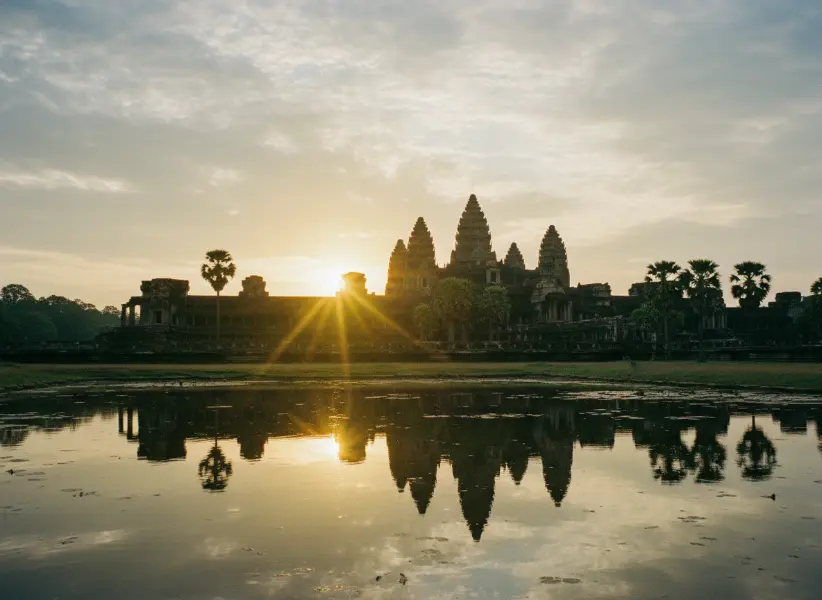
Kingdom of Wonder
Beyond Angkor: Tonle Sap villages and Phnom Penh energy.
✦ Angkor Wat sunrise with Khmer breakfast
Discover →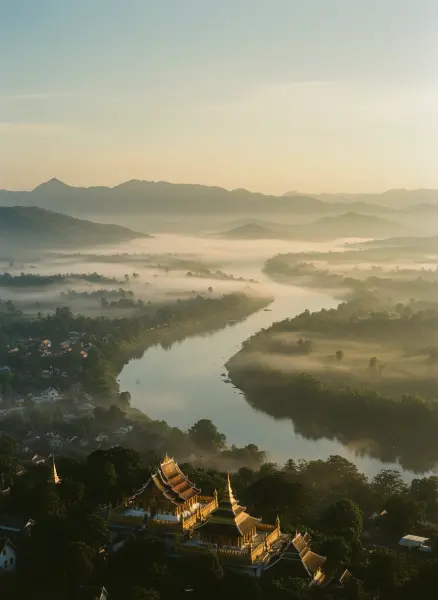
Land of a Million Elephants
Kuang Si waterfalls, Mekong rhythm & Luang Prabang charm.
✦ Mekong river cruise & alms ceremony
Discover →
Land of Smiles
From bustling Bangkok to Chiang Mai’s temples and Phuket’s turquoise waters.
✦ Luxury longtail boat to Phi Phi Islands
Discover →
Golden Land
Bagan’s temples, Inle Lake stilt villages & nostalgia.
✦ Hot air balloon over Bagan at dawn
Discover →The Journal

Step-by-step application, processing times, and recent changes for seamless entry.
Read more →
Secret sunrise spots, lesser-known temples and the best times for solitude.
Read more →
From Cai Rang floating market to homestays in Ben Tre — local secrets revealed.
Read more →
Curving roads, karst mountains and authentic villages — a traveller’s favourite.
Read more →
Towering karsts, the Nam Ou River, and authentic village homestays off the beaten path.
Explore Nong Khiaw →Discover Beng Mealea, Koh Ker, and the floating villages of Tonle Sap — a complete guide to Cambodia’s cultural heartland.
Discover hidden temples →Explore the living legacy of Indochina through our curated editorial collection of heritage guides, hotels, and experiences.
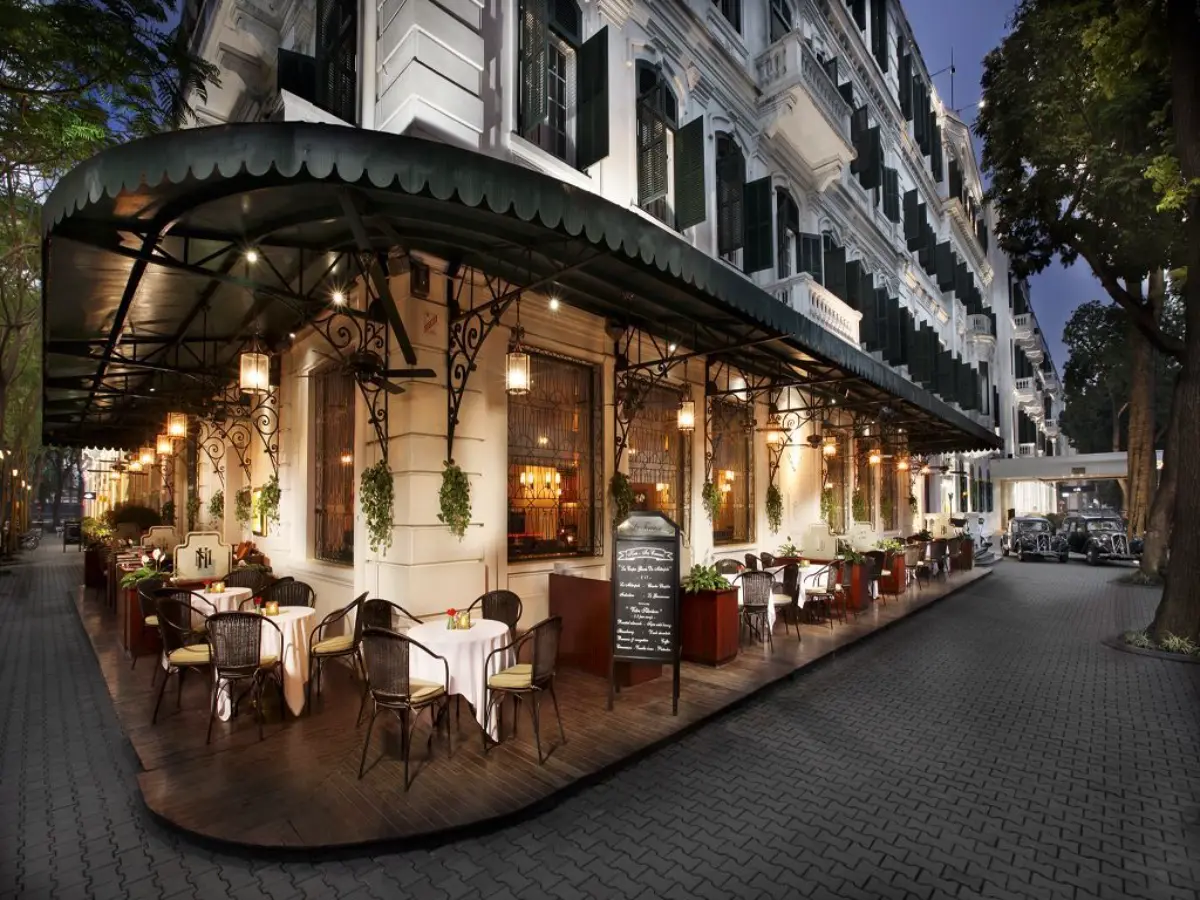
The ultimate crown jewel of classic French colonial elegance. Nostalgic white facades, timeless ironwork, and cinematic grandeur embody the peak of Indochine luxury.

Timeless Art Deco elegance sitting proudly on the banks of the Perfume River facing the ancient Imperial Citadel.

An architectural sanctuary layout directly on the pristine coast. Unrivaled luxury villas and soul-stirring cultural spas.

A pristine architectural heritage sanctuary dating back to 1930. Bask in old-world Saigon charm with opulent crystal chandeliers and nostalgic French-Indochine design lines.