Heritage Hotels
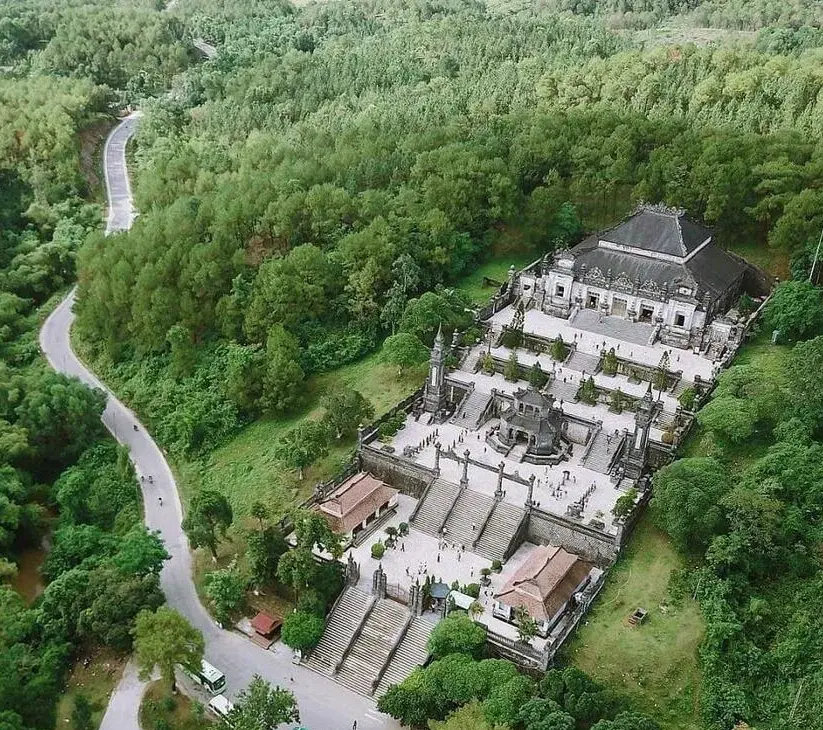
Stay inside history within colonial mansions, converted royal residences, and boutique heritage gems across Indochina’s most beautiful cities.
Explore Hotels →The Temple of Eternity — Gateway to the Khmer Empire
Angkor is more than an archaeological site — it is the spiritual heart of Cambodia, where ancient stones whisper stories of gods and kings. Siem Reap, its gateway, offers world-class hospitality woven into the fabric of Khmer tradition. This guide takes you beyond the ordinary: from sunrise at Angkor Wat to secluded temples swallowed by jungle, from riverside dining to floating villages on Tonle Sap.
Where ancient stones whisper stories of gods and kings
Angkor is more than an archaeological site — it is the spiritual heart of Cambodia, where ancient stones whisper stories of gods and kings. Siem Reap, its gateway, offers world-class hospitality woven into the fabric of Khmer tradition. This guide takes you beyond the ordinary: from sunrise at Angkor Wat to secluded temples swallowed by jungle, from riverside dining to floating villages on Tonle Sap.
Whether you seek heritage grandeur, boutique intimacy, or eco-conscious luxury, the temples and experiences of Angkor will transform your journey into an unforgettable odyssey. The Angkor Archaeological Park spans over 400 square kilometers, encompassing dozens of temples, each with its own unique character and history.
For the discerning traveler, Angkor offers a journey through time — from the 9th to the 15th centuries, the Khmer Empire built a civilization of extraordinary artistic and architectural achievement. Today, these temples stand as a testament to human ambition, devotion, and the eternal pursuit of beauty.
Angkor Wat at sunrise — a moment of pure magic.
A seasonal guide to Angkor’s weather and festivals

For the best weather and full experience, visit from November to February when the temperatures are cool, dry, and ideal for temple exploration. The skies are clear, and the light is perfect for photography.
Learn More →
Cool, dry, and ideal. Temperatures range from 20–30°C. Perfect for exploring the temples and enjoying sunrise and sunset views.

Fewer crowds but temperatures can reach over 35°C. Early morning exploration is essential. The heat adds a dramatic quality to the stone.

Lush landscapes, dramatic skies, and fewer tourists. The rain usually comes in short, heavy bursts. The temples are at their most atmospheric.
For the most magical experience, visit Angkor Wat at sunrise and the Bayon Temple at sunset. The golden light transforms the stone faces into something otherworldly.
Each temple is a masterpiece — a chapter in the story of the Khmer Empire
The cosmic pyramid of Angkor Wat is the pinnacle of Khmer architecture. Built in the early 12th century by King Suryavarman II, its five lotus towers represent Mount Meru — the mythical home of the gods. Arrive at 5:00 AM for sunrise; the lotus towers reflected in the western pool create an ethereal spectacle. Allow 2 to 3 hours to explore the bas-reliefs depicting the Churning of the Ocean of Milk.
Explore Angkor Wat →
In the heart of Angkor Thom, the Bayon Temple is famous for its 216 stone faces gazing in four directions. The serene smiles — believed to represent King Jayavarman VII — create an atmosphere of profound mystery. Best visited in late afternoon when golden light illuminates the faces. The Terrace of the Elephants and Leper King nearby are unmissable.
Explore Bayon →
Ta Prohm is the temple left to nature’s embrace. Giant silk-cotton trees strangle stone structures, creating an otherworldly atmosphere. Early morning offers solitude before crowds arrive. The temple gained fame as a filming location for Tomb Raider, but its true magic lies in the quiet moments when the jungle seems to be reclaiming the stone.
Explore Ta Prohm →
Carved from pink sandstone, Banteay Srei is considered to have the finest bas-reliefs in Cambodia. Located 25 kilometers from Siem Reap, this 10th-century temple dedicated to Shiva is a masterpiece of Khmer artistry. Best visited at 8:00 AM to see the stone glow in morning light. The intricate carvings of dancing figures and floral motifs are breathtaking.
Explore Banteay Srei →
The last capital of the Khmer Empire, Angkor Thom is a sprawling complex enclosed by walls and a moat. The city includes the Bayon Temple, the Terrace of the Elephants, the Terrace of the Leper King, and the Baphuon. A visit to Angkor Thom requires at least 2 to 3 hours to fully appreciate its scale and grandeur.
Explore Angkor Thom →
The sunset viewpoint atop a hill temple. Arrive by 4:30 PM to secure a spot and witness Angkor Wat from above as the sun sets over the plains. The climb is steep but the panoramic view is worth every step. The silhouette of Angkor Wat in the distance is unforgettable.
Explore Phnom Bakheng →
A sprawling monastic complex built by Jayavarman VII. Located 2.5 km east of Angkor Thom, Preah Khan is jungle-overgrown and atmospheric. Less crowded than Ta Prohm, it offers a more intimate experience of Khmer architecture and the power of nature.
Explore Preah Khan →
A 12th-century temple swallowed by the jungle, located 68 km from Siem Reap. Beng Mealea offers the Ta Prohm experience without the crowds. A full-day excursion recommended. The crumbling stone and enveloping greenery create a sense of discovery.
Explore Beng Mealea →Everything you need to know before you go
Purchase at the official ticketing office (Angkor Enterprise) or online. The 3-day pass is the most popular choice, covering the Grand Circuit and major temples.
Pro Tip: Purchase your pass at 4:30 PM for sunset entry — the following day is included free.
Angkor Pass Guide →Best Time to Visit: November to February (cool, dry). March to May (hot, fewer crowds). June to October (green season, lush landscapes).
Weather Guide →This is strictly enforced. You may be denied entry if not dressed appropriately.
Cultural Etiquette →The most magical moment in Cambodia
The five lotus towers of Angkor Wat rise from the darkness as the sky transitions from deep blue to pink and gold. The reflection in the western pool creates a perfect mirror image — one of the most photographed scenes in the world.
5:00 AM for best spot
Western pool or beyond
5:15–5:45 AM transition
6:00–6:30 AM exploration
Arrive by 5:00 AM during peak season (December–February). Bring a headlamp or flashlight — it’s still dark. The best photos are taken between 5:15 and 5:45 AM when the sky is at its most colorful. After sunrise, the temple is less crowded — explore the bas-reliefs before the main crowds arrive at 8:00 AM.
Maximize your time in the ancient city
5:00 AM: Angkor Wat sunrise
7:00 AM: Explore Angkor Wat
9:00 AM: Bayon and Angkor Thom
11:00 AM: Ta Prohm
1:00 PM: Lunch
3:00 PM: Phnom Bakheng sunset
Day 1: Angkor Wat sunrise, Bayon, Angkor Thom, Ta Prohm
Day 2: Banteay Srei, Preah Khan, Neak Pean, East Mebon, sunset at Phnom Bakheng
Day 1: Angkor Wat, Bayon, Angkor Thom
Day 2: Banteay Srei, Beng Mealea, Koh Ker
Day 3: Tonle Sap floating villages, Preah Khan, sunset
Private guide, luxury hotel, sunrise at Angkor Wat, sunset at Phnom Bakheng, spa treatments, and fine dining.
Book This Itinerary →Sunrise shoots, golden hour locations, and pro tips from a specialist guide. Perfect for photographers at any level.
Book This Itinerary →Child-friendly itinerary, interactive experiences, and flexible pacing. Includes easy temple walks and cultural activities.
Book This Itinerary →Explore the heart of Cambodian culture

Boat through stilted villages and flooded forests. Witness life on the water, floating schools, and sunset over Southeast Asia’s largest freshwater lake. A glimpse into a world where life moves with the rhythm of the water.
Explore Tonle Sap →
A social enterprise reviving traditional Khmer crafts. Watch silk weaving, stone carving, woodworking, and lacquerware. Ethical shopping with purpose — every purchase supports local communities.
Visit Artisans →
Cambodian circus arts with powerful storytelling. Acrobatics, theater, and music supporting marginalized youth. An unforgettable evening of entertainment and social impact.
Book Phare Circus →
Private blessing at a pagoda. Saffron-robed monks chant, tie sacred white strings, and sprinkle holy water. A profound spiritual experience that offers a deeper connection to Cambodian culture.
Book Blessing →From royal tasting menus to vibrant street food

Cambodian cuisine is a reflection of the country’s history and geography — fresh ingredients, complex flavors, and a balance of sweet, sour, salty, and bitter. From royal tasting menus to vibrant street food, the flavors of Cambodia are unforgettable.
Learn More →
Fish curry steamed in banana leaves. The national dish of Cambodia, fragrant with lemongrass, ginger, and coconut milk. A must-try.
Explore →
Rice noodles with a fish curry sauce and fresh herbs. A breakfast staple in Cambodia, light and refreshing.
Explore →
Stir-fried beef with Kampot pepper — the world-famous pepper from Cambodia’s coastal region. Served with rice and a tangy dipping sauce.
Explore →
Kuy teav (noodle soup), grilled meats, and fresh fruit shakes. The vibrant street food scene of Siem Reap is not to be missed.
Explore →From the tasting menu at Cuisine Wat Damnak to the riverside elegance of Mie Cafe, Siem Reap offers world-class dining experiences.
Explore Fine Dining →Learn the secrets of Khmer cuisine with a cooking class. Shop at the market, prepare traditional dishes, and enjoy your creations.
Book a Cooking Class →Luxury sanctuaries after a day of exploring

King Sihanouk’s former guest villa, transformed into an ultra-private sanctuary. 24 minimalist suites, intuitive butler service, and vintage Mercedes transfers to Angkor.
View Hotel →
Built in 1932, the grande dame of Siem Reap. Art Deco elegance, legendary Elephant Bar, Apsara dance terrace, and museum-worthy interiors.
View Hotel →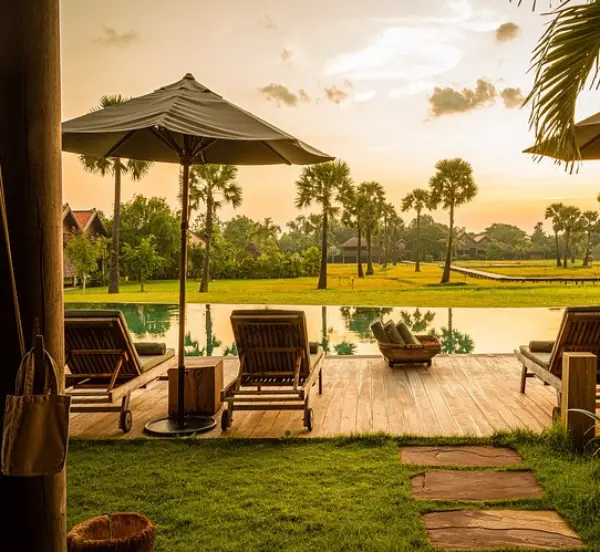
45 thatched villas on stilts over eight hectares of emerald rice paddies. Traditional Khmer architecture, organic gardens, and a spa housed in a traditional sala.
View Hotel →
Bill Bensley-designed boutique with social enterprise at its heart. Lush gardens, private plunge pools, and Kroya Restaurant’s modern Khmer cuisine.
View Hotel →
Zero-plastic, eco-conscious luxury on the Siem Reap River. Spacious suites, a serene pool, and a complimentary daily massage. A leader in sustainable hospitality.
View Hotel →
Colonial-era riverside hotel with lush gardens, a stunning pool, and the renowned Kong Kea Spa. Classic Khmer hospitality at its finest.
View Hotel →Everything you need to know before visiting Siem Reap and Angkor
The US Dollar is widely accepted alongside the Cambodian Riel. Credit cards are accepted at hotels and nicer restaurants, but cash is preferred at markets and street stalls.
Budget Indication: Street food $2–5, restaurant dinner $10–25, luxury hotels $150–500+.
Free Wi-Fi is widely available. For reliable internet on the go, buy a local SIM card at Siem Reap Airport or in the city center.
Siem Reap is very safe. The city is tourist-friendly, and the locals are welcoming. Use common sense and keep an eye on your belongings in crowded areas.
When visiting temples, dress modestly — cover shoulders and knees. This is strictly enforced at Angkor Wat and other major temples.
English is widely spoken in hotels, restaurants, and tourist areas. Learning a few basic Khmer phrases will be appreciated by locals.
The best time is November to February when the weather is cool and dry. March to May is hot with fewer crowds. June to October is the green season with lush landscapes.
We recommend 3 to 5 days. The 3-day Angkor Pass covers the Grand Circuit and most major temples. A 5-day stay allows for remote temples, Tonle Sap, and cultural immersion.
Dress modestly with shoulders and knees covered. This is strictly enforced at Angkor Wat and other major temples. Sleeveless tops, shorts, and short skirts are not permitted.
Amansara offers the ultimate VIP experience with private butler service and vintage Mercedes transfers. Raffles Grand Hotel d’Angkor is the colonial icon. For eco-luxury, Jaya House River Park is exceptional.
Yes. Siem Reap can be combined with Phnom Penh, the Cambodian coast (Koh Rong), or extended into Vietnam and Laos. Private transfers and flights connect seamlessly.
Extremely safe. Siem Reap is a well-developed tourist destination with friendly locals, excellent infrastructure, and a low crime rate.
Lightweight, breathable clothing. Modest attire for temples (shoulders and knees covered). Comfortable walking shoes, sunscreen, hat, insect repellent, and a reusable water bottle.
Highly recommended. A private guide provides historical context, navigates the crowds, and reveals hidden details you would miss on your own.
Book a Private Guide →With deep local knowledge and a passion for Khmer heritage, Sophia curates bespoke journeys through the temples of Angkor.
Sophia Le is a Cambodia Travel Specialist at Indochine CHIC, with over a decade of experience curating bespoke journeys through the temples of Angkor and beyond. Her deep local knowledge and passion for Khmer heritage ensure every itinerary is crafted with the utmost care and attention to detail.
Sophia’s personal recommendations are woven throughout this guide, offering a trusted window into the soul of Siem Reap and Angkor — from the sunrise at Angkor Wat to the hidden temples swallowed by jungle, from the floating villages of Tonle Sap to the luxury sanctuaries of Siem Reap.
Email: sophia@indochinechic.com
To begin designing your personalized Siem Reap and Angkor journey, get in touch with Sophia directly.
Email: sophia@indochinechic.com
Meet Sophia Le →Angkor and Siem Reap leave an indelible mark on the soul. The sunrise, the bas-reliefs, the silent faces of Bayon, the jungle swallowing Ta Prohm — these images stay with you long after you leave. This is not just a temple. It is a testament to human ambition, devotion, and the eternal pursuit of beauty. May your journey be as profound as the ancient stones themselves.
— The Indochine CHIC Team
© 2026 Indochine CHIC — Siem Reap and Angkor Travel Guide
Explore our comprehensive guides to Siem Reap and Angkor
Let Indochine CHIC craft your perfect Siem Reap and Angkor experience. Private guides, luxury hotels, VIP temple access, and bespoke itineraries tailored to your interests.
cambodia@indochinechic.com
Explore the living legacy of Indochina through our curated editorial collection of heritage guides, hotels, and experiences.
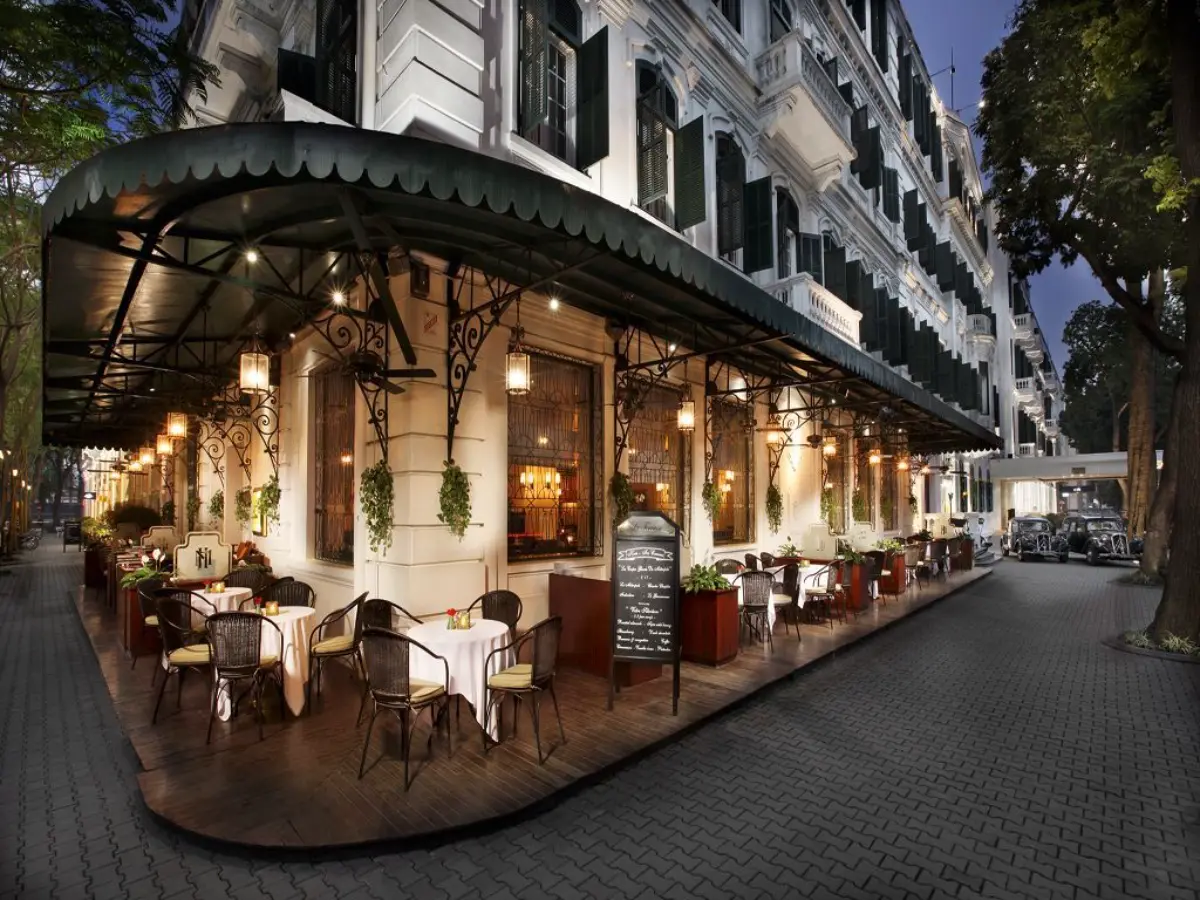
The ultimate crown jewel of classic French colonial elegance. Nostalgic white facades, timeless ironwork, and cinematic grandeur embody the peak of Indochine luxury.

Timeless Art Deco elegance sitting proudly on the banks of the Perfume River facing the ancient Imperial Citadel.

An architectural sanctuary layout directly on the pristine coast. Unrivaled luxury villas and soul-stirring cultural spas.

A pristine architectural heritage sanctuary dating back to 1930. Bask in old-world Saigon charm with opulent crystal chandeliers and nostalgic French-Indochine design lines.