The Hidden Fortress: Unearthing the Secret Bunkers of Ho Chi Minh City
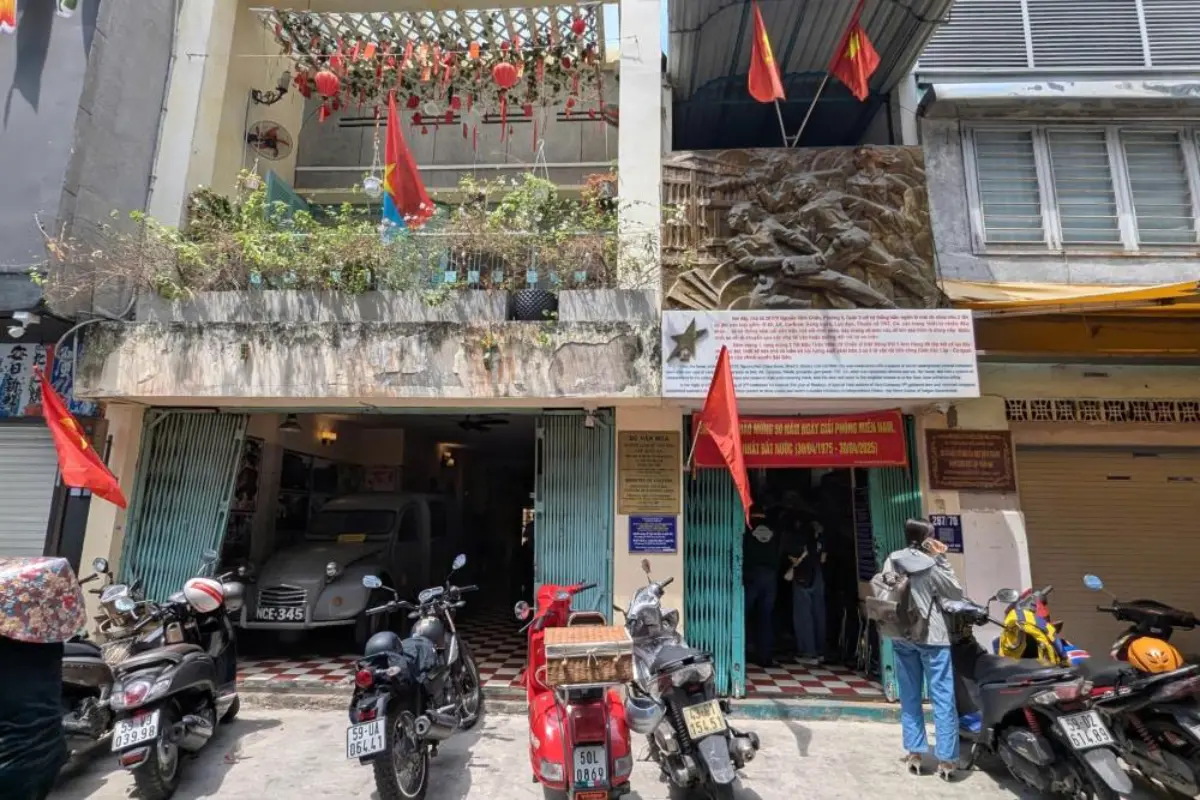
The traffic of Ho Chi Minh City is a relentless symphony of motorbike horns and the low hum of a million engines. In District 3, the streets narrow into a labyrinth of alleyways where the sounds of the city fade into the domestic quiet of daily life—the clatter of a pho bowl, the rustle of a broom on tile, the murmured conversations of neighbors. It is here, at the end of a nondescript alley at 287/70 Nguyen Dinh Chieu Street, that one of the Vietnam War’s most astonishing secrets lies hidden beneath the floorboards of a house no wider than a train carriage.
The Architect of Shadows
In 1966, the war was intensifying. The Tet Offensive, the massive surprise attack that would change the course of the conflict, was two years away, but the planning was already underway deep in the underground network of the Viet Cong. Comrade Tran Van Lai, a military officer with the Saigon Special Forces (Sector 6), was given a mission that seemed suicidal: build a major weapons cache right in the heart of enemy territory.
He bought the house on Nguyen Dinh Chieu Street under a false name. To avoid suspicion, he moved his wife and children to a safer district, telling them he was simply renovating the property. What followed was seven months of painstaking labor conducted in absolute secrecy.
Alone, or with a small circle of trusted comrades, Lai began to dig. The house measured only about 37 square meters on the surface, but underground, he excavated a bunker 2.5 meters deep and 8 meters long—a cavernous space for a clandestine operation. Every handful of soil and clay had to be disposed of without a trace. Lai reportedly packed the dirt into small bags or boxes, loading them into his car under the cover of darkness to be dumped far from the neighborhood.
The result was a masterpiece of urban guerrilla architecture. The entrance to the bunker was concealed beneath the floor tiles, camouflaged not by a heavy steel door, but by six ordinary bricks. Inside, the bunker was not merely a hole in the ground; it was a strategic hub. Most remarkably, it featured four escape hatches that connected directly to the city’s drainage system, providing a secret exit route for soldiers in case of discovery.
The Tet Offensive and the Arsenal
From 1966 until 1969, this tiny house became a logistical lifeline. Weapons—AK-47s, B40 rocket warheads, C4 explosives, grenades, and detonators—were smuggled into the city from the Cu Chi tunnels, 60 kilometers away. The ingenuity of the couriers was breathtaking.
The arsenal was hidden in plain sight using methods that would make a spy novelist jealous: fruit baskets concealing heavy weapons under layers of tropical fruit; potted plants hollowed out to hide gun barrels; bamboo rolls stuffed with ammunition; and once, a wooden coffin accompanied by faux mourners to fool police checkpoints.
By 1968, the bunker contained over two tons of weapons—enough to supply the 17 soldiers tasked with the ultimate objective: the assault on the Independence Palace (then Norodom Palace), the seat of the South Vietnamese government. When the Tet Offensive was launched on January 31, 1968, the commandos struck. However, the attack on the palace was a brutal failure. Most of the 17 soldiers were killed. Tran Van Lai was arrested.
But the bunker remained secret. Even as the enemy stormed the house, firing their weapons into the walls (the bullet marks remain visible today), they never found the trap door hidden beneath the bricks. The mission failed, but the fortress held.
Beyond the Alley: The Commando Network
While the bunker on Nguyen Dinh Chieu is the most famous, it was just one node in a vast urban network. Ho Chi Minh City is now actively working to connect these “red addresses” to tell a more complete story of the Saigon-Gia Dinh Commandos.
Just a few districts away, at 113A Dang Dung Street in District 1, another secret base is pending recognition as a city-level historical site. Operating under the guise of “Do Phu Café – Dai Han Broken Rice,” this location was a communications hub and a hideout. Like the Nguyen Dinh Chieu bunker, it featured hidden compartments beneath the floorboards. According to recent seminars held in November 2025 by the Ho Chi Minh City Monuments Conservation Centre, this house was a “hidden fortress” for Unit A30. Commandos lived there as ordinary citizens, working in the broken rice eatery that catered to locals—and even Korean soldiers stationed nearby—while secretly storing AK ammunition and C4 explosives just inches beneath the feet of their customers. One commando veteran recalled the dark humor of the situation: “Customers order iced coffee, but beneath their feet is an entire battlefield.”
For a deeper dive into the spirit of these soldiers, visitors can head to the Saigon – Gia Dinh Special Force Intelligence Museum at 145 Tran Quang Khai Street. Housed in another former secret base, this museum displays over 100 artifacts, offering a visceral look at the equipment and daily lives of these unconventional fighters.
A Legacy Etched in Earth and Concrete
To understand how these urban bunkers were supplied, one must venture out of the city center to the Cu Chi Tunnels. Located about 70 kilometers northwest of the city, this sprawling network of over 250 kilometers of tunnels served as the underground headquarters for the Communist forces. Unlike the single-family bunker in District 3, Cu Chi is an underground city. Multi-level tunnels range from 3 to 12 meters deep, featuring command centers, surgical rooms, Hoang Cam smokeless kitchens, and even weapons workshops. The ingenuity of the District 3 bunker—the hidden hatches, the ventilation—was scaled up a thousand times here. Today, visitors to Cu Chi can crawl through the narrow passages (which have been widened slightly for tourists), experiencing a fraction of the claustrophobia that soldiers endured. It provides a geographical context to the bricks in District 3: the fruit baskets that arrived at the tiny house likely originated from these clay tunnels.
Visiting the Secret Bunker Today
For the modern traveler, the secret bunker at 287/70 Nguyen Dinh Chieu offers a rare experience. It is not a polished, sterile museum. It is a family home that happens to contain a piece of history that shook the world.
- Address: 287/70 Nguyen Dinh Chieu Street, Ward 5, District 3, Ho Chi Minh City.
- Admission: Free (donations are encouraged).
- Opening Hours: 7:30 AM – 11:30 AM; 1:00 PM – 5:00 PM.
Finding it is an adventure. Use a map app to navigate the narrow alleys. Look for Cà Phê Đỗ Phủ, a coffee shop run by Tran Van Lai’s son, Tran Vu Binh. The bunker is adjacent. When you step inside, you are stepping into a living archive.
You can still see the original floor tiles. You can descend into the cool, dim bunker, standing where two tons of high explosives once sat, waiting for a signal that, for many, would never come. The four escape hatches are still visible, a reminder that for the commandos who hid here, survival was never guaranteed.
In 2018, General Secretary Nguyen Phu Trong visited and signed the guest book. Before him, General Vo Nguyen Giap paid his respects. But perhaps the most moving signatures are from ordinary tourists—like Jack from England, who remarked: “I was astonished by the courage and ingenuity of the Vietnamese people.”
An Invitation to Reflect
Ho Chi Minh City is a city that looks forward. It is a metropolis of glass skyscrapers, luxury malls, and a relentless pursuit of the future. Yet, hidden in its crowded alleys—under the coffee shops, beneath the broken rice eateries—lies a history of resilience. For the discerning traveler, the “secret bunker” is more than just a historical site; it is a journey back to the roots of a nation. It offers a moment to slow down, to reflect, and to touch the very real bricks that once held the weight of a war for independence.
Beyond the Bunker: Travel Experiences
To truly understand the scope of the Saigon Commandos, combine your visit to the District 3 bunker with a trip to the War Remnants Museum (28 Vo Van Tan) for photographic context, and a morning at the Independence Palace to see the target of the 1968 assault. For a lighter end to the day, explore Dan Sinh Market, once a hub for genuine war memorabilia, though now a fascinating spot for hardware and reproduction artifacts.
For a deeper, more atmospheric journey, consider experiencing the city the way the commandos once did—on two wheels. A Vespa tour winds through the narrow alleys of District 3 and 1, stopping not only at the secret bunker but also at hidden coffee shops, local markets, and other “red addresses” that are nearly impossible to find on your own. The gentle rumble of a vintage scooter is the perfect vehicle for slipping into Saigon’s layered past.
If you prefer a small-group experience with a local touch, A Travel Mate offers curated excursions by private car or Vespa/motorbike. Their guides specialize in weaving together war history, street food, and everyday life, ensuring you leave with more than just facts—you gain a personal connection to the neighborhoods where history unfolded.
For travelers who want to tailor every detail, Asia Travel Mates designs fully customized local tours. Whether you wish to spend an entire day tracing the commando network, combine a bunker visit with a cooking class in a heritage villa, or add a cyclo ride through the French Quarter, they blend travel styles to match your pace and curiosity. With them, the city’s hidden stories become your own private itinerary.