Hồ Tràm – Long Hải: The Coast That Time Forgot
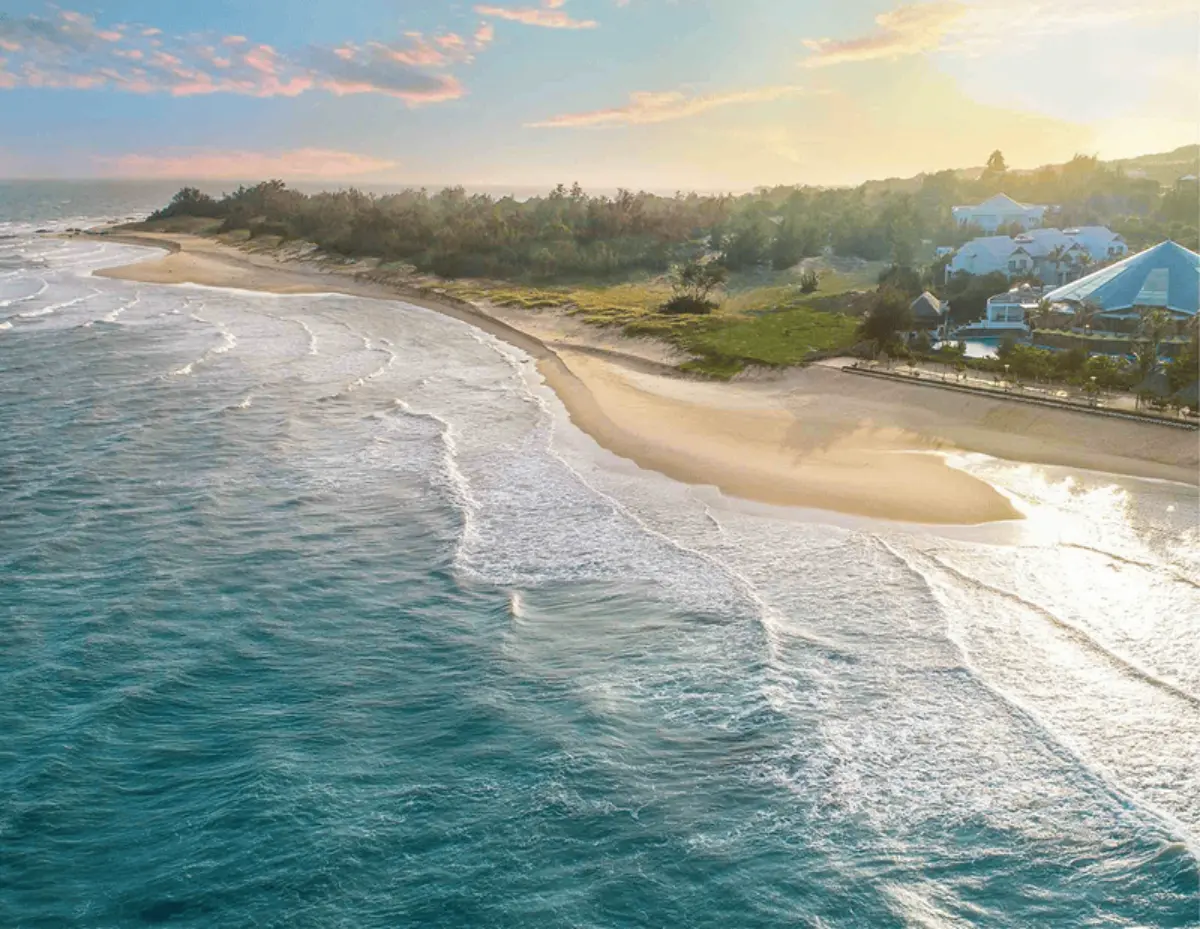
Hồ Tràm: A Beach of International Renown
Vietnam’s Pristine Coastal Gem
When an American television channel named Hồ Tràm among the world’s most beautiful beaches, it was not announcing a new discovery but confirming what local travelers had long known. The beach stretches for kilometers, its sand fine and white, its waters calm and clear. What sets Hồ Tràm apart is its setting: a long arc of sand backed by a grove of casuarina trees, their needles whispering in the sea breeze. The development here has been thoughtful — a handful of resorts, but no high‑rise hotels, no crowded promenades. The beach remains the main attraction, and on a weekday, you may find yourself with a long stretch of sand entirely to yourself.
Long Hải: A Fishing Village Preserved
Life by the Sea
Just south of Hồ Tràm, Long Hải remains a working fishing village. In the early morning, the harbor fills with boats returning with the night’s catch — the air thick with the scent of salt and fish. The village’s seafood restaurants are legendary among those who know this coast; here, you choose your dinner from tanks of live lobster, crab, and squid, and it is prepared simply — grilled, steamed, or fried — and served with the freshest herbs. Long Hải is also known for its whale temple (Lăng Ông), a site of worship for fishermen who revere the whale as a guardian of the sea. The temple holds the skeleton of a whale that was honored for saving fishermen at sea — a tradition that speaks to the deep connection between this community and the ocean.
Dinh Cô: A Temple by the Sea
The Lady of the Shore
Perched on a rocky headland overlooking the sea, Dinh Cô Temple is one of the most important spiritual sites on the southern coast. Dedicated to a young woman who, according to legend, sacrificed herself to save her community from a storm, the temple has been a site of pilgrimage for generations. The annual festival in February draws thousands of visitors, but at any time of year, the temple offers a place of quiet contemplation. The views from the temple grounds are spectacular: the coastline stretching in both directions, the waves breaking against the rocks below, and the sense of standing at a place where the sacred and the natural intersect.
Minh Đạm Mountain & Caves
Caves, Pagodas & Forest Trails
Behind Long Hải, Minh Đạm Mountain rises from the coastal plain, its slopes covered in forest and dotted with caves that have been used as places of meditation for centuries. The Minh Đạm Pagoda, built into the mountainside, is reached by a steep path that rewards with views across the bay. The caves — Hang Đá Dựng and Hang Gió — are said to have been shelters during wartime and places of retreat for monks. A hike up the mountain offers a break from the beach and a chance to see the coastline from above — the green of the forest giving way to the blue of the sea.
The Taste of the Coast
Fresh from the Boat
The seafood of Long Hải and Hồ Tràm is the region’s greatest draw. Cua Huỳnh Đế (spiny lobster) is the prized catch — its sweet, tender meat served grilled or steamed. Ghẹ (swimming crab) is abundant, often served with a simple dipping sauce of salt, pepper, and lime. The hào (oysters) here are fresh, plump, and best enjoyed raw with a squeeze of lemon. The restaurants along the beach and in the village are no‑frills affairs — plastic tables, paper napkins — but the food is exceptional. And for a true local experience, visit the early morning market where the fishing boats unload, and you can buy seafood that was swimming just hours before.
Ho Tram – Long Hai Tour Packages
Beach & Seafood Day Trip: A morning on Hồ Tràm beach, a seafood lunch at Long Hải harbor, and a visit to Dinh Cô Temple.
Coastal Discovery: Combine Hồ Tràm and Long Hải with a visit to Vũng Tàu’s Christ statue or the Bình Châu Hot Springs.
Minh Đạm Trek: For the active traveler — a hike up Minh Đạm Mountain to the pagoda and caves, followed by a seafood feast.
Overnight Escape: Stay at one of Hồ Tràm’s beachfront resorts, with time to explore the fishing village and temple at your own pace.
The Essence of Hồ Tràm – Long Hải — This stretch of coast offers something increasingly rare in Vietnam’s coastal tourism: a place that has not been overdeveloped. Here, the beaches are still quiet, the fishing village still works, the temple still holds its ancient rituals. It is a destination for those who value simplicity — a long walk on the sand, a meal of fresh crab at a plastic table, a sunset viewed from a rocky headland. For those who seek a coastal escape that feels authentic, Hồ Tràm and Long Hải remain a refuge — close to the city, yet a world apart.
Frequently Asked Questions
A day trip from Ho Chi Minh City is possible, but an overnight stay allows you to experience the beach at its best and enjoy a seafood dinner. Two nights is ideal for a relaxed coastal escape.
The dry season (November–April) offers the best beach conditions. The Dinh Cô Temple festival in February is a vibrant cultural experience but draws large crowds.
By car from Ho Chi Minh City (2–2.5 hours) via the Vũng Tàu highway. Organized tours and private cars are the most convenient options.
Fresh seafood — especially spiny lobster (cua huỳnh đế), swimming crab (ghẹ), and oysters. Long Hải harbor is the best place to find the freshest catch.
Swimwear, light clothing, a hat, sunscreen, insect repellent, and comfortable shoes if you plan to hike Minh Đạm Mountain.
Yes. The beach has calm, shallow waters, and the seafood restaurants are family‑friendly. The temple and whale temple offer cultural interest for older children.