Champasak Town: The Riverside Kingdom
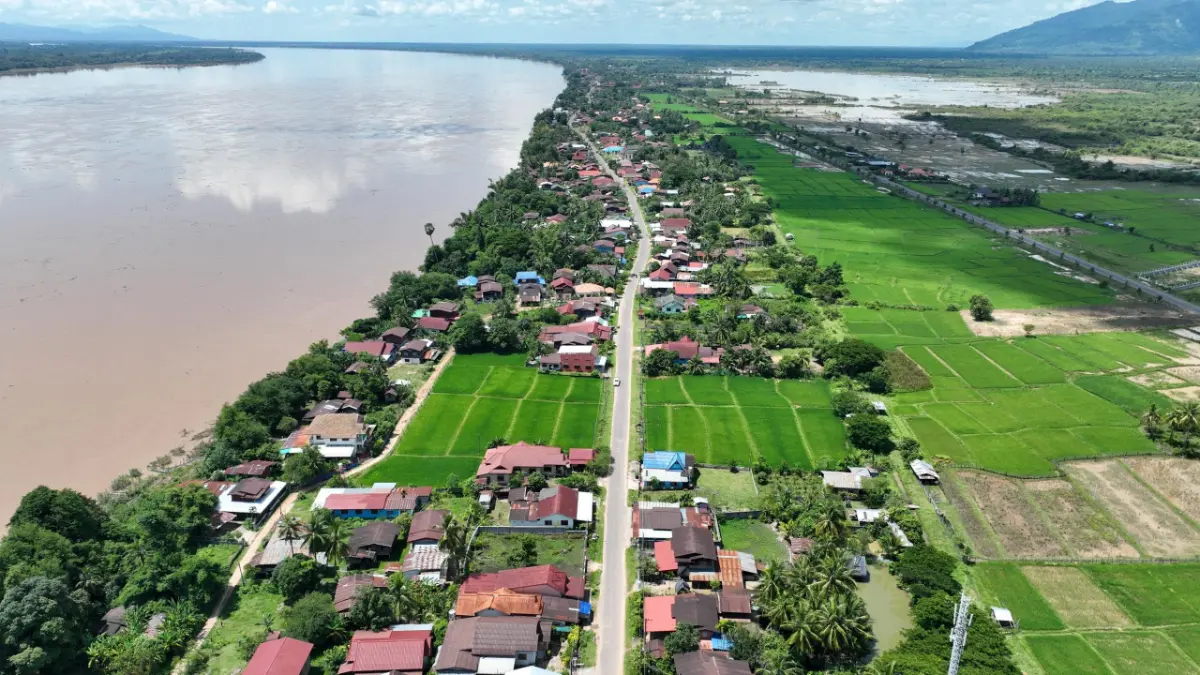
A Kingdom’s Legacy
The Last Lao Kingdom
From the 18th century until 1946, Champasak was the seat of the Kingdom of Champasak, one of the three successor states to the Lan Xang kingdom. The town was the administrative and spiritual center of a realm that stretched across southern Laos. Though the kingdom fell, the town retains its character: quiet streets, Mekong views, and a sense of history that is palpable. The Champasak Historical Heritage Museum preserves artifacts from this era, including photographs, royal objects, and relics from the Wat Phu temple complex.
French Colonial Architecture
Villas of a Bygone Era
Champasak’s main street is lined with French colonial buildings — low, single‑story structures with shuttered windows and tiled roofs. Some have been converted into guesthouses, restaurants, and cafes, their courtyards shaded by frangipani trees. The former governor’s residence is now a hotel, its verandas overlooking the Mekong. Walking the town’s streets is to step into a past where the rhythms of colonial life merged with the traditions of the Lao riverine culture.
The Mekong Riverfront
Sunset on the Water
The Mekong River is the heart of Champasak. The riverfront promenade is a place for morning walks, afternoon shade, and the daily ritual of sunset. As the light fades, the water turns gold, the fishing boats return to shore, and the town settles into the evening. A boat ride on the Mekong — to the islands, to Wat Phu, or simply to watch the sun set — is an essential Champasak experience. In the dry season, sandbars emerge, and the river becomes a place for swimming and picnicking.
Gateway to Wat Phu
The Mountain Temple
Champasak is the essential base for visiting Wat Phu, the ancient Khmer temple complex that lies 8 kilometers from the town. A UNESCO World Heritage Site, Wat Phu predates Angkor Wat and is one of Southeast Asia’s most significant archaeological sites. The approach from Champasak is along a processional walkway that once connected the temple to the Mekong. Many visitors cycle or take a tuk‑tuk to the temple, and a visit to Wat Phu is the highlight of any stay in Champasak.
Cycling the Rice Paddies
Exploring the Backroads
Beyond the town, the landscape opens into rice paddies, palm groves, and small villages. A bicycle is the best way to explore. Paths lead from Champasak to Wat Phu, to the Mekong’s edge, and to villages where life has changed little in generations. The riding is flat, the scenery beautiful, and the people welcoming. A local guide can lead you to hidden temples, traditional weaving villages, and the best spots for watching the sunset over the river.
The Taste of Champasak
Fresh Fish & Lao Flavors
The Mekong provides the fish that are the centerpiece of Champasak’s cuisine. Grilled river fish, served with sticky rice and a spicy dipping sauce, is a staple. Laap (minced meat salad) is made with fish or chicken, seasoned with herbs that grow along the riverbanks. The town’s restaurants, many of them in colonial‑era buildings, offer Lao cuisine with a view of the Mekong. For a true local experience, the morning market offers fresh fruit, vegetables, and the day’s catch.
Champasak Town Tour Packages
Heritage Walk: A guided walk through the town’s colonial architecture, the museum, and the riverside.
Bicycle Tour: Cycle to Wat Phu and through the rice paddies, with a local guide.
Mekong Cruise: A boat trip on the river, with sunset views and a visit to local villages.
Combined Itinerary: Pair Champasak with the Bolaven Plateau or Si Phan Don for a comprehensive southern Laos journey.
The Essence of Champasak — Champasak is a town that rewards those who slow down. It is a place for morning coffee on a colonial veranda, for cycling through rice paddies, for watching the sun set over the Mekong. It is not a destination to be conquered but a place to be absorbed. For travelers seeking the quieter side of Laos, Champasak offers a glimpse of a life lived by the river — and a gateway to one of Southeast Asia’s most ancient temples.
Frequently Asked Questions
2 days is sufficient to explore the town, visit Wat Phu, and enjoy the riverfront. For those who want to cycle the countryside or take a Mekong cruise, 3 days is ideal.
The dry season (November–April) offers the most comfortable weather for cycling and temple visits. The rainy season (May–October) brings lush greenery and higher water levels.
By bus from Pakse (1–2 hours). By boat from Pakse during the wet season. The nearest airport is Pakse (PKZ).
Light clothing, a hat, sunscreen, insect repellent, and comfortable shoes for cycling. A light jacket for the evening.
Wat Phu temple, the Mekong riverfront, the colonial architecture, and the Champasak Historical Heritage Museum are the highlights.
Yes. The town is quiet, the cycling is gentle, and the riverfront is safe for children.