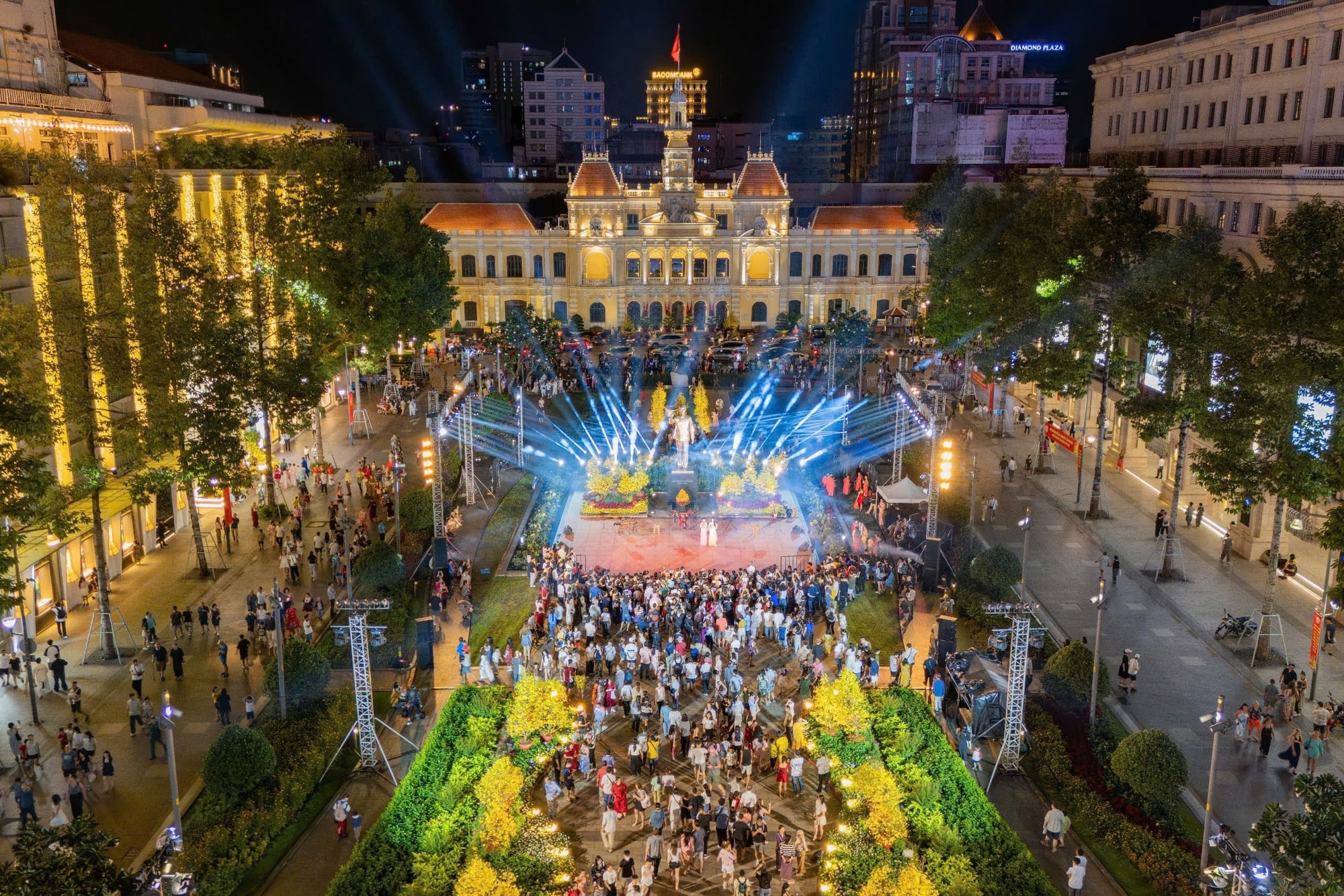
Five Unusual Places in Ho Chi Minh City
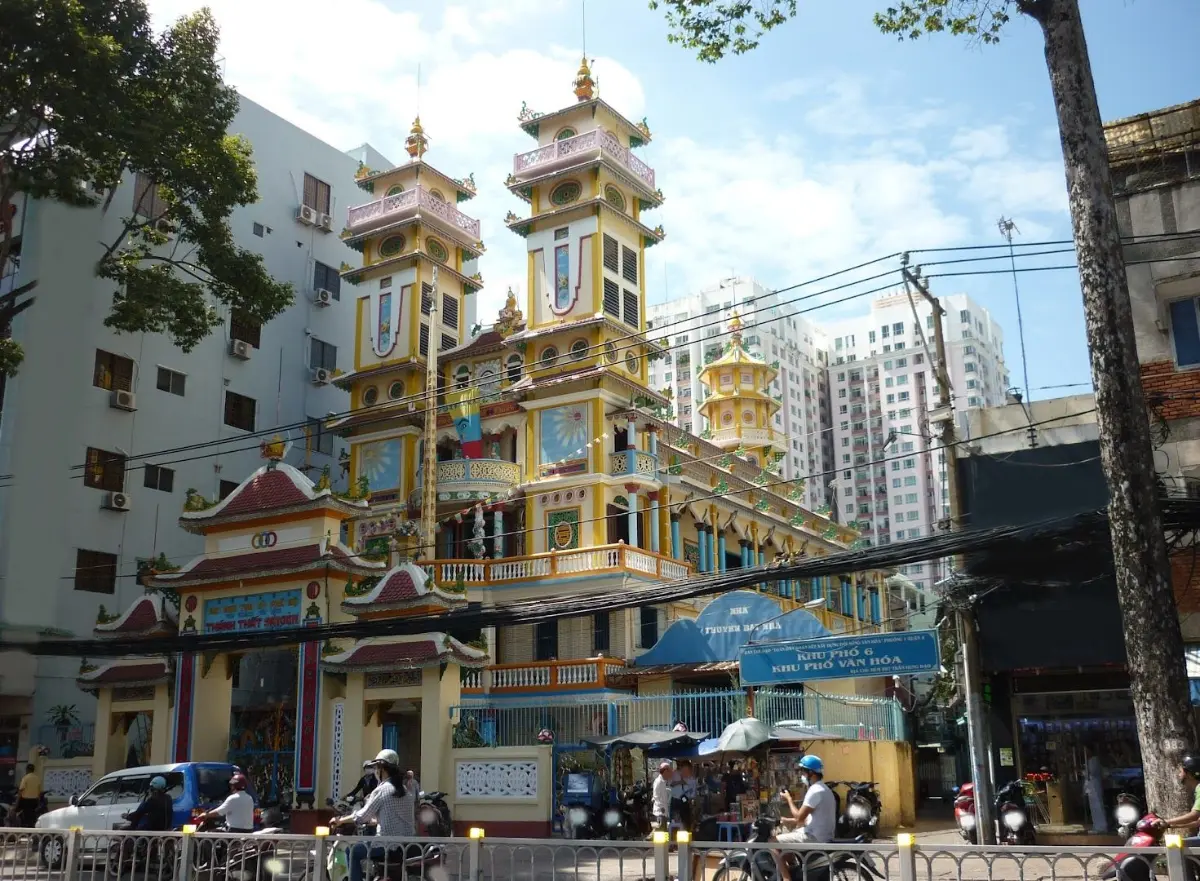
Tucked away in the heart of Chợ Quán, this temple is a testament to Vietnam’s spiritual imagination. Cao Daism—a faith born in the early 20th century—weaves together Buddhism, Taoism, Confucianism, Christianity, and Islam into a singular, vibrant tapestry. The temple itself is a masterpiece of syncretic architecture: ornate pillars painted in electric hues, murals of European saints standing alongside Eastern sages, and the omnipresent Divine Eye gazing down from the altar.
Visitors ascend to the second-floor gallery to witness the sanctuary’s full splendour. Sunlight filters through intricate carvings, casting rainbows across the tiled floors. It is a place where East meets West not in conflict, but in quiet, colourful harmony.

At 287/70 Nguyen Dinh Chieu Street, a humble residential house conceals one of Saigon’s most intimate wartime secrets. Beneath its unassuming floor lies a 2.5-meter-deep bunker that once stored over two tons of weapons, hidden in plain sight before the 1968 Tet Offensive. The entrance was camouflaged with six ordinary bricks, a testament to the ingenuity of those who moved in silence.
Today, the site stands as a preserved relic. Visitors can descend into the cool, dim space to see the original trapdoors, hidden compartments, and escape tunnels. It is not a polished museum but a raw, untouched fragment of history—a place where the past breathes just beneath the surface of modern Saigon.

This nine-story apartment building in District 1 is a labyrinth of crumbling staircases, moss-draped corridors, and unmarked doors that open into unexpected worlds. Built during the mid-20th century, it has aged into a kind of elegant ruin—its peeling paint and dim lighting evoking the atmospheric decay of French Indochina.
Yet within its worn walls, a new generation of creatives has taken root. Vintage boutiques, speakeasy bars, and independent art spaces nestle beside the homes of long-time residents. To wander here is to step into a living archive of Saigon’s layered history: colonial-era architecture, wartime resilience, and contemporary reinvention all coexisting in quiet, beautiful chaos.
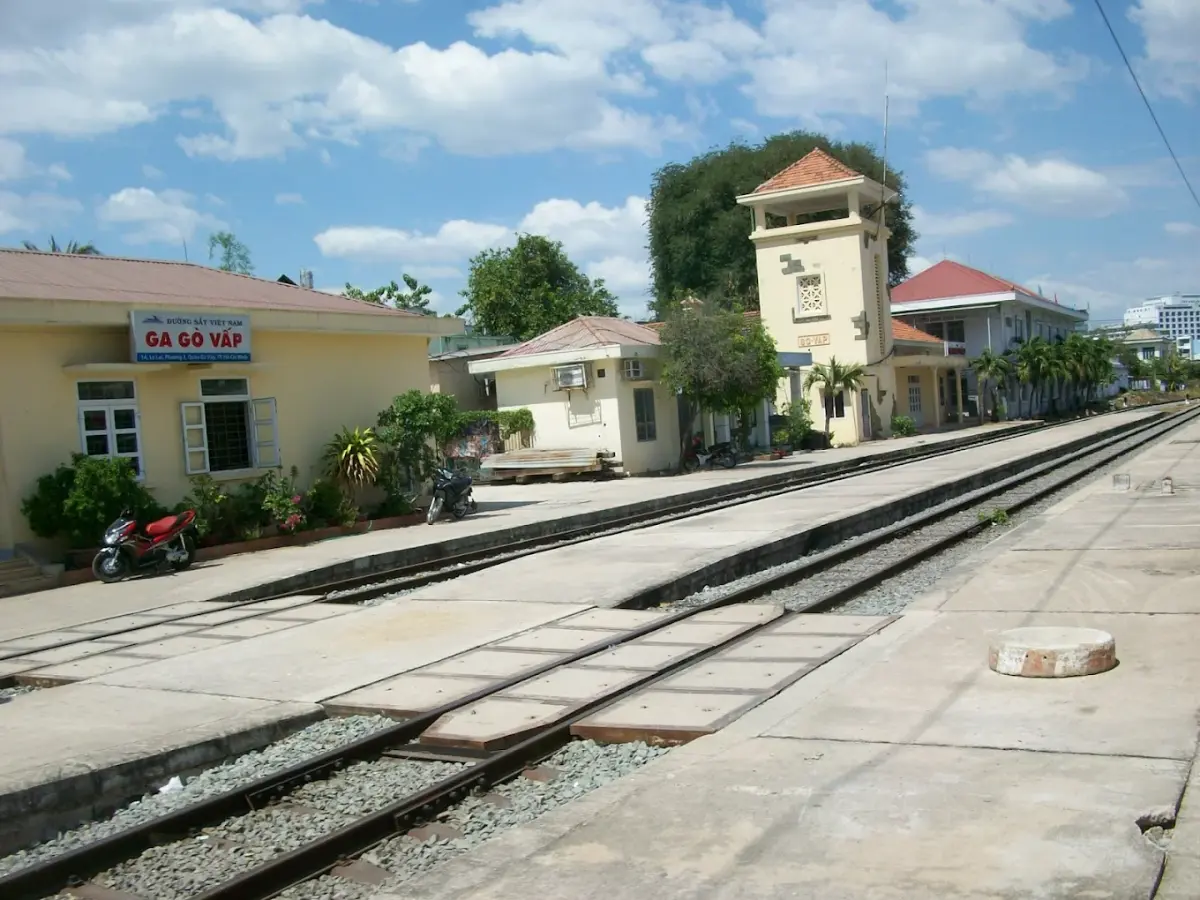
On the northern edge of the city, the abandoned Go Vap Railway Station sits in quiet repose. Its tracks have long fallen silent, and nature has begun to reclaim the structures—moss carpets the walls, vines drape over rusted railings, and wild grasses push through cracked platforms. It is a place frozen in time, a hauntingly beautiful echo of Saigon’s colonial railway era.
For those seeking solitude and a moment of melancholic beauty, this forgotten station offers a rare escape. The weathered colonial architecture, framed by overgrown foliage, creates a scene reminiscent of a lost French provincial outpost. Late afternoon light turns the rusted tracks to gold, making it a photographer’s dream and a sanctuary for quiet reflection.

In the heart of Cholon, Saigon’s historic Chinatown, a narrow alleyway transforms at dusk into something magical. Luong Nhu Hoc Street becomes a river of glowing red lanterns, their soft light spilling over traditional shopfronts and cobbled pathways. It is a vision that feels suspended between old Saigon and a dream of ancient Indochina.
During the day, the street hums with lantern makers and fabric vendors; by evening, the lanterns are illuminated, casting a warm, crimson glow that turns the alley into one of the city’s most romantic and photogenic corners. Nearby, the 19th-century Thien Hau Temple—dedicated to the sea goddess—stands as a guardian of the neighbourhood, its incense coils filling the air with a timeless fragrance.
| Unusual Place | Key Feature | Location | Best Time to Visit | inea
|---|---|---|---|
| Cao Dai Temple | Colourful fusion temple with unique religious architecture | 891 Trần Hưng Đạo, Quận 5 | Midday for dramatic light |
| Secret Weapons Bunker | Underground Viet Cong weapons cache from the Tet Offensive | 287/70 Nguyen Dinh Chieu, District 3 | Morning or afternoon hours |
| 14 Ton That Dam Building | Crumbling apartment maze with hidden cafes and boutiques | 14 Ton That Dam, District 1 | Weekday afternoon |
| Go Vap Railway Station | Abandoned, moss-covered station perfect for vintage photography | 1A Le Lai, Go Vap District | Late afternoon |
| Luong Nhu Hoc Lantern Alley | Glowing red lantern street in the heart of Chinatown | Luong Nhu Hoc, District 5 | Dusk |
To explore Saigon through this lens is to embrace the city’s soul: a place where French colonial elegance meets Vietnamese resilience, where the past lingers in shadowed corridors and hidden courtyards. These five sites are not merely attractions—they are invitations to step into a Saigon that exists between memory and modernity, where every crumbling wall tells a story and every lantern-lit alleyway whispers of another time.
Saigon rewards the patient soul.