Pakse: The Gateway to Southern Laos
A City on the Mekong
The Capital of the South
Pakse is the capital of Champasak Province and the largest city in southern Laos. Founded by the French in 1905 as an administrative outpost, it retains a colonial character in its older neighborhoods — low buildings with shuttered windows, tree‑lined streets, and the faded grandeur of the former governor’s residence. The city is not large, and the center is easily explored on foot or by bicycle. The Mekong River is its spine, and the riverside promenade is the social heart of the city.
The Riverside Promenade
Sunset on the Water
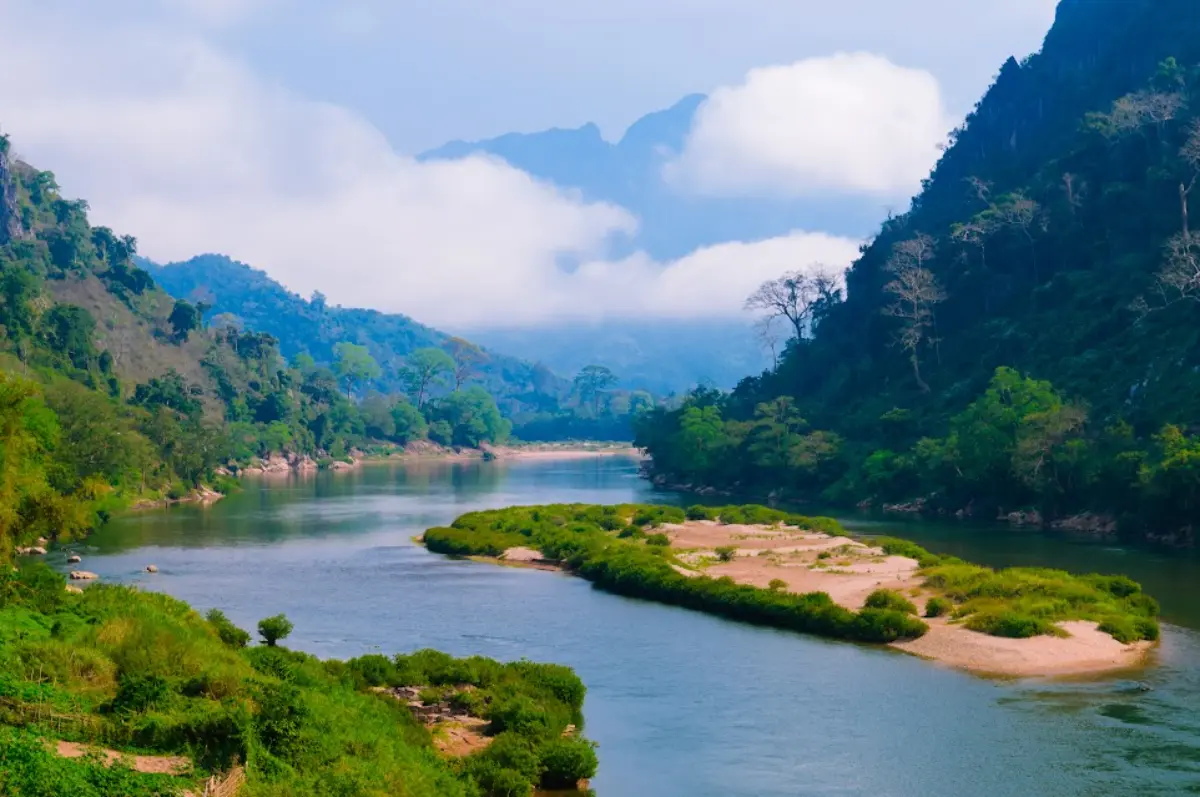
In the late afternoon, Pakse’s riverfront comes alive. The promenade fills with walkers, joggers, and families enjoying the cool breeze off the Mekong. Vendors sell grilled corn, fresh fruit, and cold drinks. As the sun sets, the light turns the water gold, and the mountains of Champasak appear as silhouettes on the horizon. The Pakse Riverfront is the best place to end the day, and the restaurants along the water offer Lao and Thai cuisine with a view.
The Markets
A Taste of Local Life
Pakse has two main markets. The Talat Souk, in the city center, is a bustling collection of stalls selling everything from fresh produce to household goods. It is a place for early morning exploration, when the vendors are setting up and the smells of the day are just beginning. Talat Dao Heuang, on the outskirts, is a larger, newer market known for its textiles, clothing, and local handicrafts. Both markets offer a glimpse of the daily commerce that sustains the city.
Gateway to the Bolaven Plateau
The Starting Point
Pakse is the starting point for the Bolaven Loop, the classic motorbike circuit that takes travelers through coffee plantations, waterfalls, and ethnic minority villages. The city has dozens of motorbike rental shops, and it is the best place to stock up on supplies for the journey. Guides can be arranged, and maps are available. Most travelers spend a day in Pakse preparing before setting out on the loop.
Gateway to Wat Phu
The Ancient Temple
Pakse is also the gateway to Wat Phu, the UNESCO World Heritage Site located 40 kilometers to the south. Buses, tuk‑tuks, and private cars are available for the journey. Many travelers combine a visit to Wat Phu with a stop in Champasak Town, a charming riverside village that is the best base for the temple.
Gateway to Si Phan Don
The Mekong Archipelago
For those heading further south, Pakse is the jumping‑off point for Si Phan Don (the 4,000 Islands). Buses run regularly to Ban Nakasang, the gateway to Don Det and Don Khone. The journey takes about 3 hours, and it is a popular extension to a southern Laos itinerary.
Pakse Tour Packages
City Orientation (Half Day): Explore Pakse’s riverfront, markets, and colonial architecture with a local guide.
Bolaven Loop Preparation: Assistance with motorbike rental, route planning, and supplies for the loop.
Combined Itinerary: Use Pakse as a base for day trips to Wat Phu, the Bolaven Plateau, and Si Phan Don.
Private Guide: For those seeking a deeper understanding of the region, a private guide can arrange transport and itineraries.
The Essence of Pakse — Pakse is a city of transit, but it is also a place of arrival. The Mekong is always present, the markets are lively, and the sense of being at a crossroads is tangible. For travelers, it is the place where the journey begins — the gateway to waterfalls, temples, and islands. Spend a day here, stock up, and set out. But take time, too, to sit by the river, to watch the sunset, to appreciate a city that has been welcoming travelers for more than a century.
Frequently Asked Questions
Most travelers spend 1–2 days in Pakse, using it as a base to prepare for the Bolaven Loop or to arrange trips to Wat Phu and Si Phan Don.
The dry season (November–April) offers the most comfortable weather for exploring the region. The rainy season (May–October) is quieter but can affect road conditions.
By air to Pakse International Airport (PKZ) from Vientiane, Luang Prabang, or Bangkok. By bus from Vientiane, Savannakhet, or from Thailand across the border at Chong Mek.
Several shops in Pakse rent motorbikes. Reputable operators include Miss Noy, Moto GP, and others along the riverfront. Book in advance during peak season.
Light clothing, a hat, sunscreen, insect repellent, and comfortable shoes. If you are heading to the Bolaven Plateau, pack a light jacket — it can be cool at higher elevations.
Yes. There are several ATMs in the city center. It is advisable to withdraw cash before heading to more remote areas like the Bolaven Loop.